COMMUNITY NATURAL RESOURCE MANANGMENT PLAN (CNRMP)
Chinabat Barikgre Village
Songsak C&RD Block, East Garo Hills
MEGHALAYA BASIN MANANGEMENT AGENCY
District Project Management Unit
Williamnagar


The CONTENT
The Chinabat Barikgre Village
The Village Resources
The Social Resources
The Natural Resources
Type of forest Cover and Wildlife
Cultivable Land
Water Bodies
Spring Inventory
Problem Analysis
Community NRM Plan with Estimates
Brief Justifications on Proposed activities
Community Nursery
Composting
Plantation/Afforestation/Reforestation
Check Dams
Forest Management Plan
Gabion Wall/Gully Plug
Conclusion
Annexure - 1
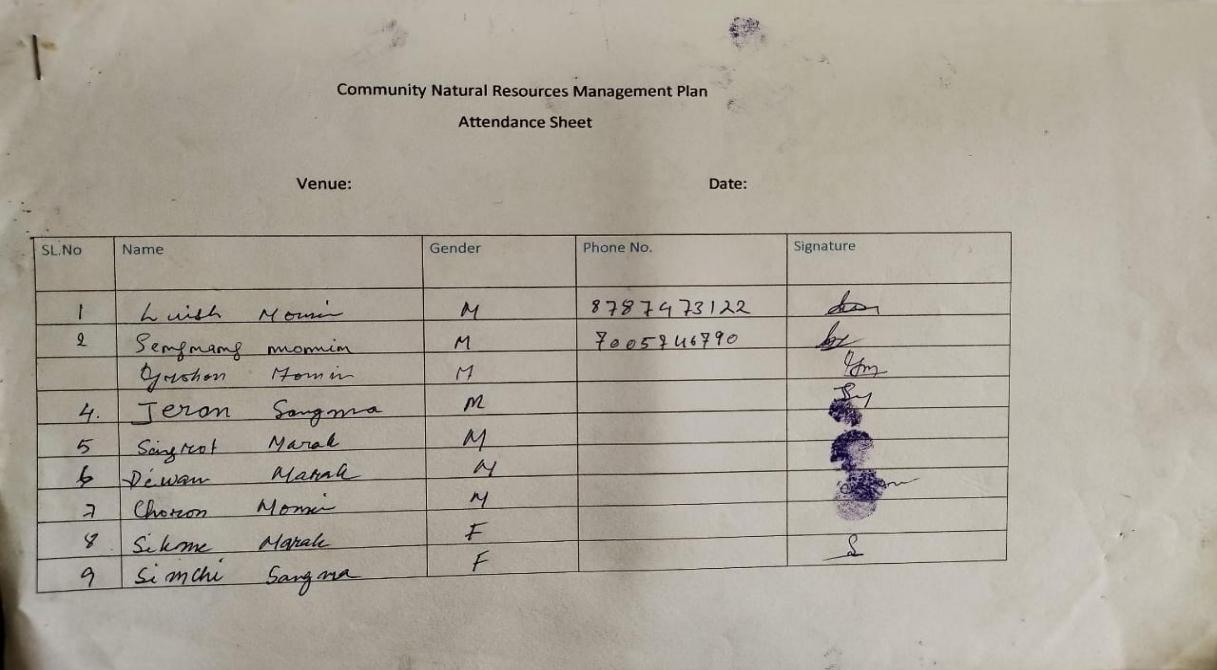
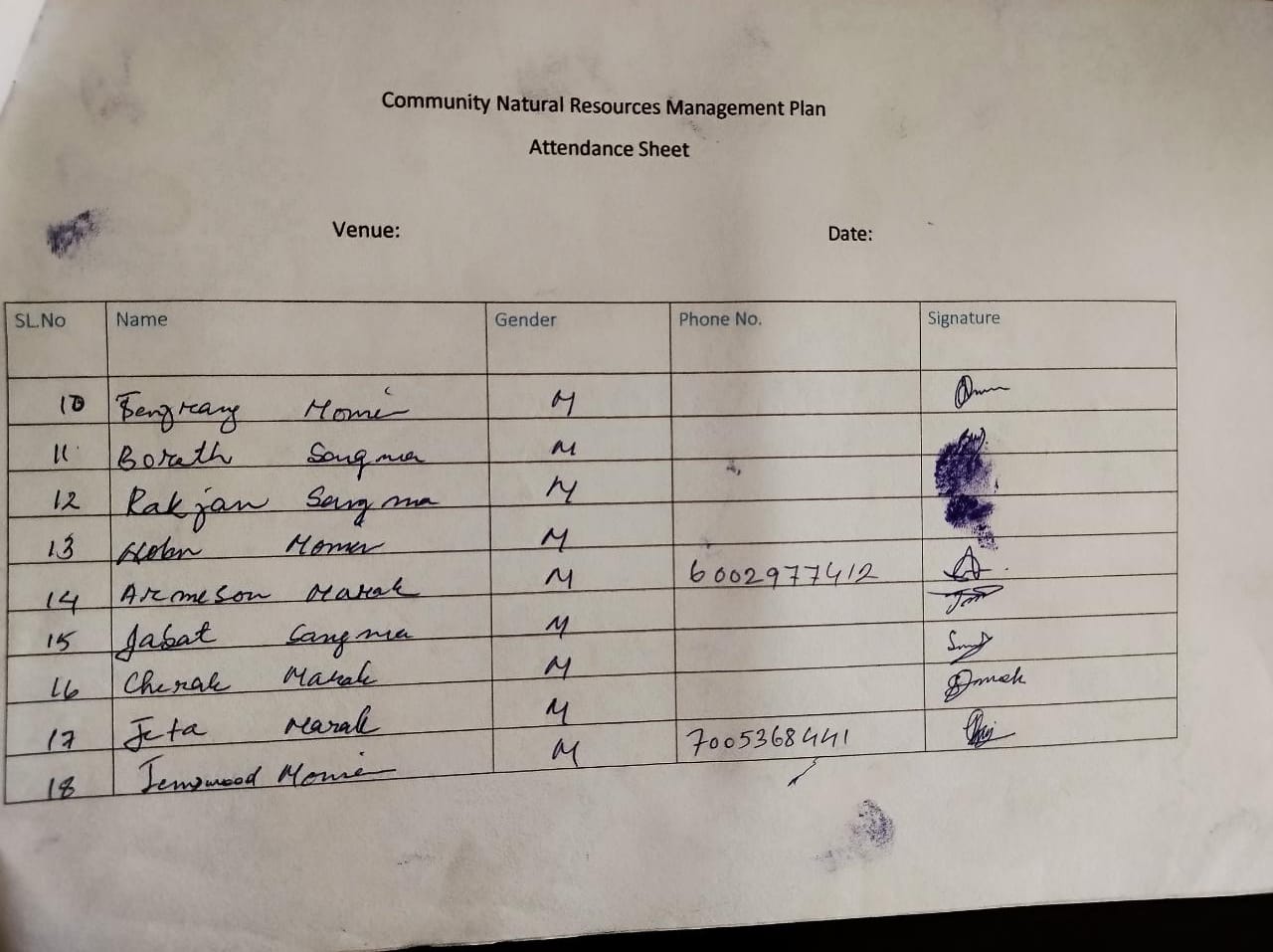
Attendance Sheet
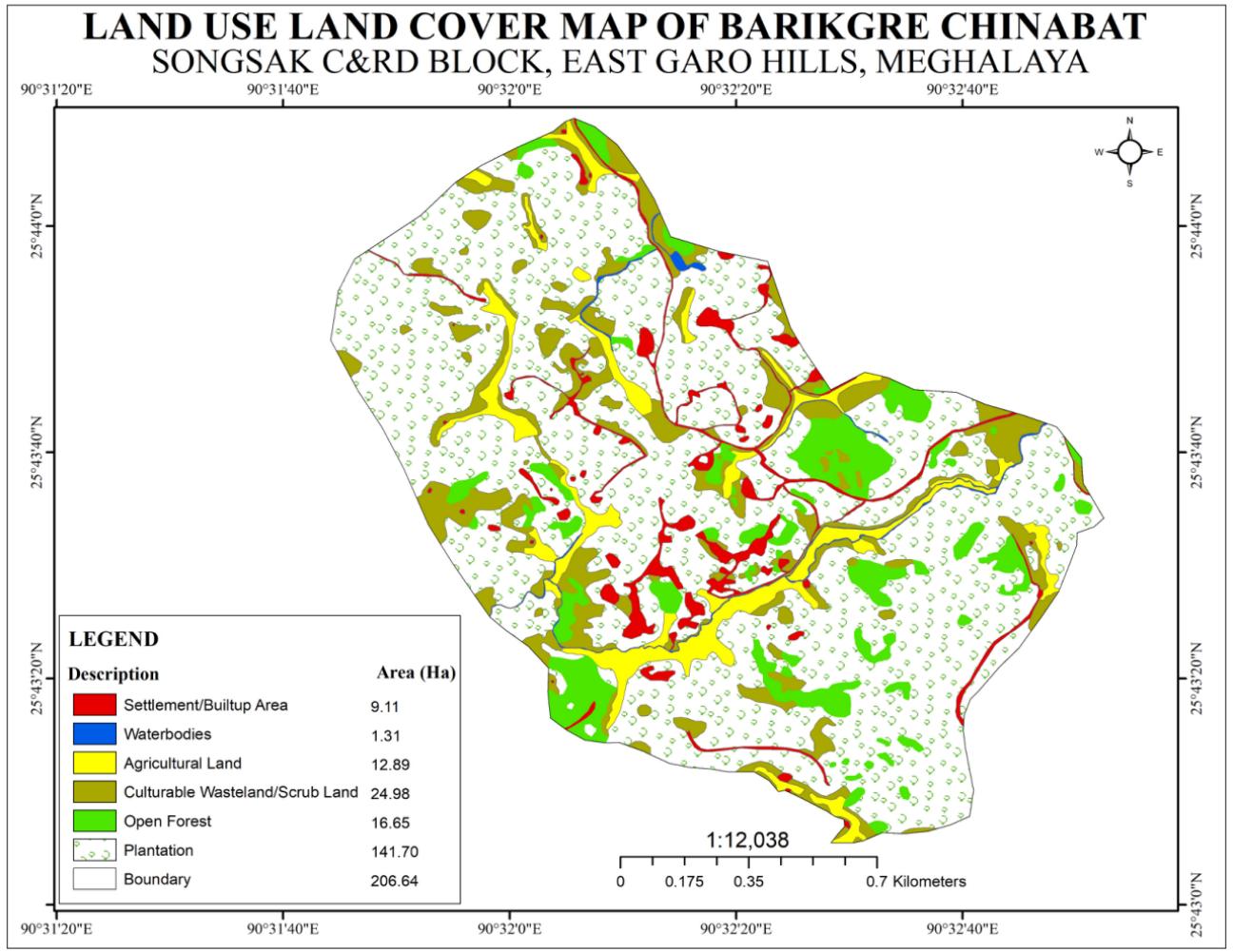
LULC Map
Photo Gallery
THE Chinabat Barikgre
The Chinabat Barikgre village is in Songsak C&RD Block of East Garo Hills district in Meghalaya. The village is inhabited by Garo Community consisting of 79 households with a total of 381 population with 180 females and 190 males. The VNRMC in this village was formed on 1st August 2020. The village is 20 Km from Songsak Block and 30 Km from the district headquarter, Williamnagar. The Land Use Land Cover (LULC) map of the village identified GPS co-ordinates of this village is 43.2440 and 90.31212324 for latitude and longitude respectively.
The Village Resources
The Social Resources
The land is owned by a clan which is called 'Nokma A'King land'. The main institutions in the village are the Nokma, Sordar, the Village Employment Council (VEC), and 8 Self Help Groups. Firewood is the main source of fuel requirement for everyone in this village. The village has good electricity connectivity, with 72 households being electrified. Additionally, it has 1 U.P & L.P School and one anganwandi center.
The Natural Resources
The Chinabat Barikgre village has a total geographical area of 206.64 a Ha. Out of this, the total forest cover area, which is also an open forest, is 16.65 Ha, while the water bodies' coverage is 1.31 Ha. The village also has agricultural land measuring 12.89 Ha and 24.98 Ha of cultural wasteland. Arecanut plantation is the major cash crop in the village.
Type of Forest Cover and Wildlife in Chinabat Barikgre Village
The LULC provided that, it consists of only 16.64 hectares of forest area. These forests have variety of tree species like Watre, Wanok, Boldak (Schima wallichi), Tebret, Bolgipok (Gmelina-arborea), Bolsal (Shorea-robusta), Agatchi (Dillenia-Pentagyna), Gambare, Kimbal, Segun (Teak), Sillangre, Bolchim (Duabanga-grandiflora), and Bolbok. The villagers have agreed to work towards improving this forest area since it is not a dense like previous generations. This forest also provides Non-Timber Forest Products (NTFPs) like Bamboo, wanok, watre, and Wage. Unfortunately, due to the reduction in forest cover and the unavailability of food, the existing fauna such as Wild Cat, leopard, Deer, Bear, and Matrong jungle fowl are endangered.
Cultivable Land
The village has 12.89 Ha of agricultural & horticultural land. Plantation area of 141.74 Ha which is mostly arecanut plantation & paddy field.
Water Bodies
The village has 1 Spring and 2 no.s of Streams in the village which. Development of spring-shed approach in the village along with rejuvenation activities such as afforestation, contour and staggered trenches in the catchment areas would help in increasing the discharge during peak and lean seasons.
Spring Inventory
The Master Trainer has taken the discharge measurement of spring: latitude of 25°73243N and longitude of 90.540581°E with elevation of 250.91 m. The water of the spring is used for drinking and for domestic purposes. The PH value of the spring is 11.03LPM.
Problem Analysis
The natural resource degradation has started in the village and requires planned actions and interventions. The area of open forest is increasing due to Jhum cultivation, cutting down trees for timber, firewood. These activities have resulted in decreased water discharge from springs, streams, and rivers, which has brings burden to the women residents.
Community Natural Resource Management Plan with estimation
Having understood the importance of natural resources in the village, having foreseen the upcoming threats to land, water and forest, the Villagers and VEC members came together on the 1st August 2020 to identify and plan out interventions to address challenges faced in their village both in terms of NRM issues and their economic issues. The VEC with facilitation from DPMU-EGH and the villagers strongly feel that these interventions would enable them to conserve, preserve and improve the natural resources for them and their future generations.
Proposed Activities
| SL | Proposed activities | Site Name | Benefitted area in Ha | No. of HH benefitted | Estimated Amt. | Issue for work order | Start Date | End Date |
|---|---|---|---|---|---|---|---|---|
| 1 | Afforestation | Village Reserve | 6.5 | 83 | 180000.00 | 01-Jul-20 | 25-Jul-20 | 13-Aug-20 |
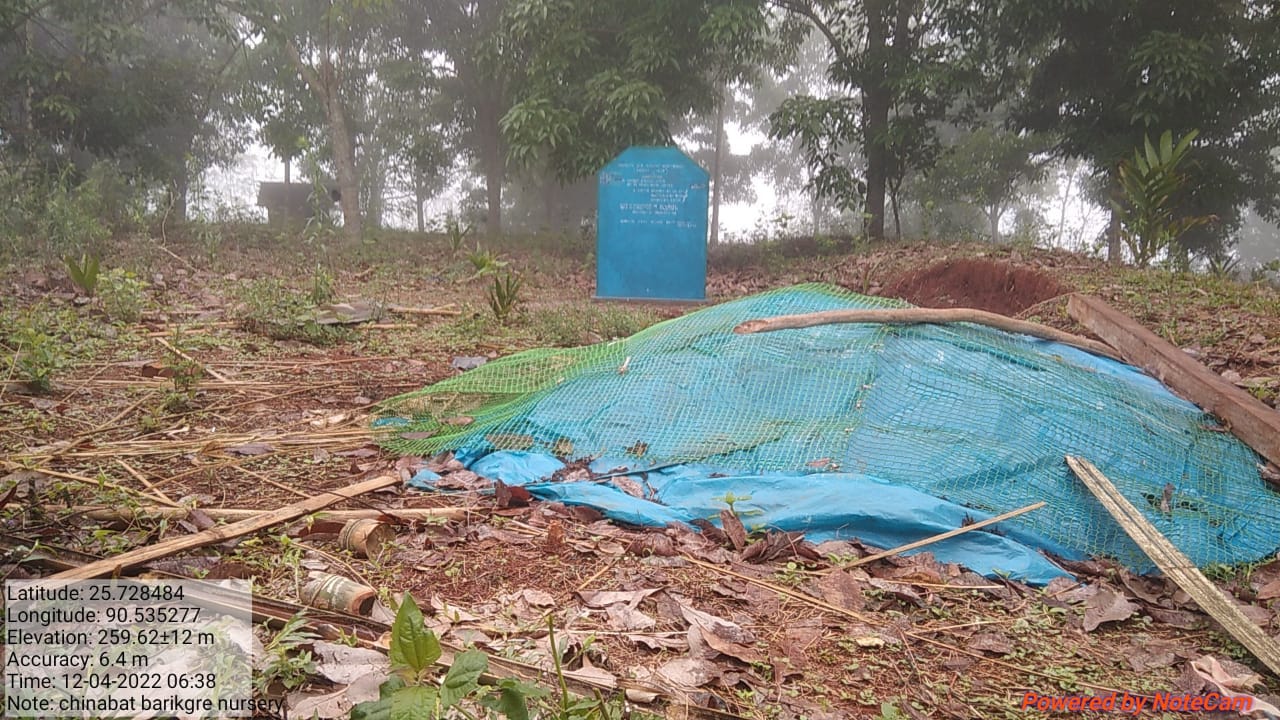
| 2 | Community Nursery | Village Reserve | 4.12 | 83 | 108840.00 | 01-Jul-20 | 08-Aug-20 | 11-Aug-20 |
| 3 | Spring Chamber | Nadikeng Stream | 5.25 | 15 | 143800.00 | 03-Nov-20 | 28-Nov-20 | 14-Dec-20 |
| 4 | Agro-Forestry | Village Reserve | 1.5 | 83 | 192400.00 | 02-Jun-21 | 12-Jun-21 | 19-Jun-21 |
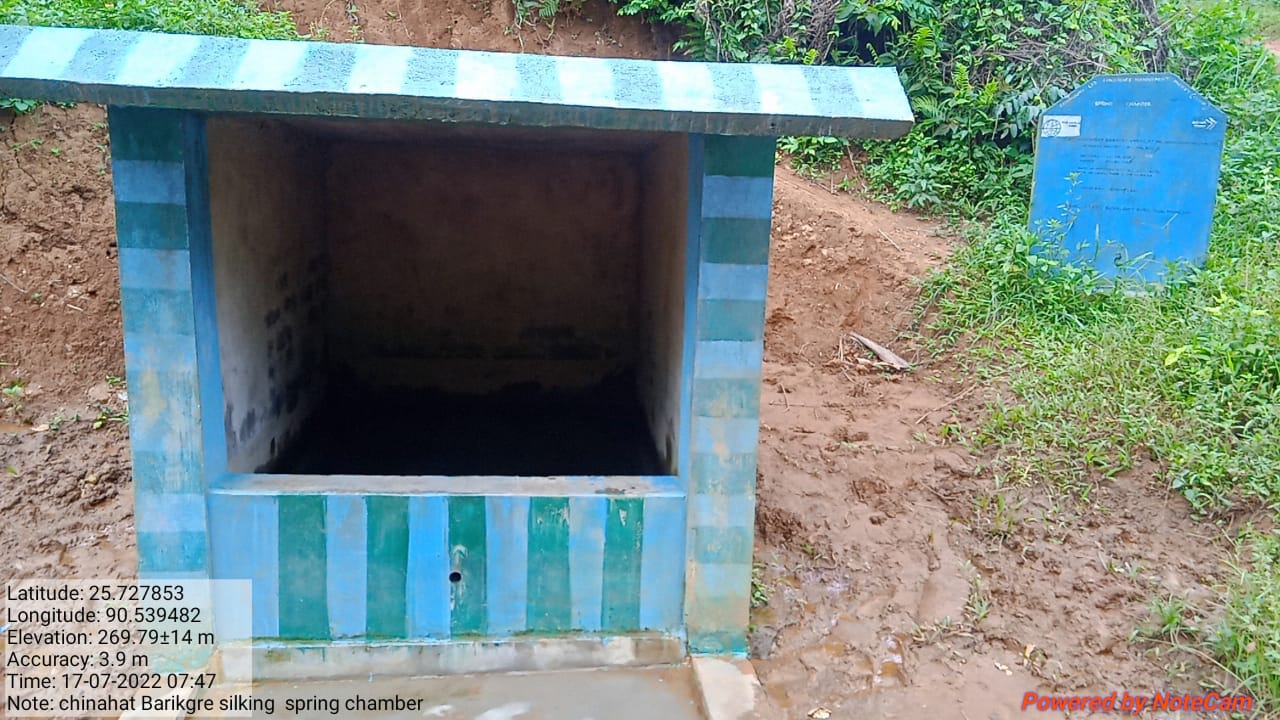
| 5 | Spring Chamber | Silkring Spring | 5.8 | 10 | 160300.00 | 07-Oct-21 | 10-Oct-21 | 17-Nov-21 |
| 6 | Hot Composting | Nadikenggittim | 2.5 | 83 | 32800.00 | 07-Oct-21 | 21-Oct-21 | 07-Nov-21 |
| 7 | RCC Check Dam | Dikgap Stream | 1 | 11 | 311700.00 | 23-Mar-22 | 12-Apr-22 | 30-Apr-22 |
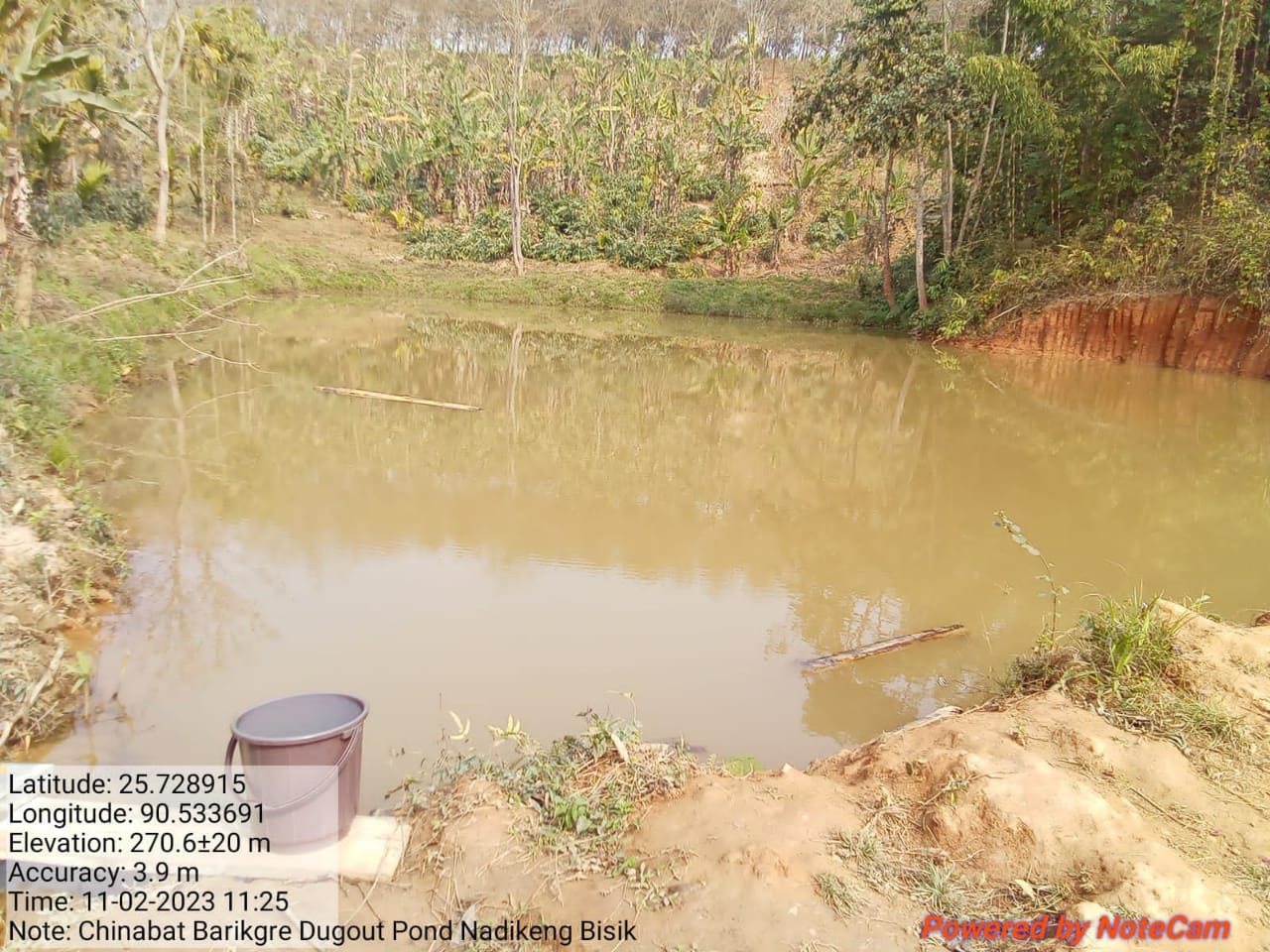
| 8 | Dug Out Pond | Nadikgeng | 6 | 83 | 90300.00 | 05-May-22 | 15-Jul-22 | 17-Jul-22 |
| 9 | RCC Check Dam | Chipang Misal | 11 | 5 | 294000.00 | 05-May-22 | 14-Jul-22 | 03-Sep-22 |
| 10 | Water Storage Tank with CC Dam | Prap Bisik | 0.18 | 20 | 277300.00 | 05-May-22 | 5-Sep-22 | 20-Dec |
| 11 | Water Storage Tank with CC Dam | Chiwakol Bisik | 8.3 | 5 | 277300.00 | 05-May-22 | 05-Sep-22 | 24-Sep-22 |
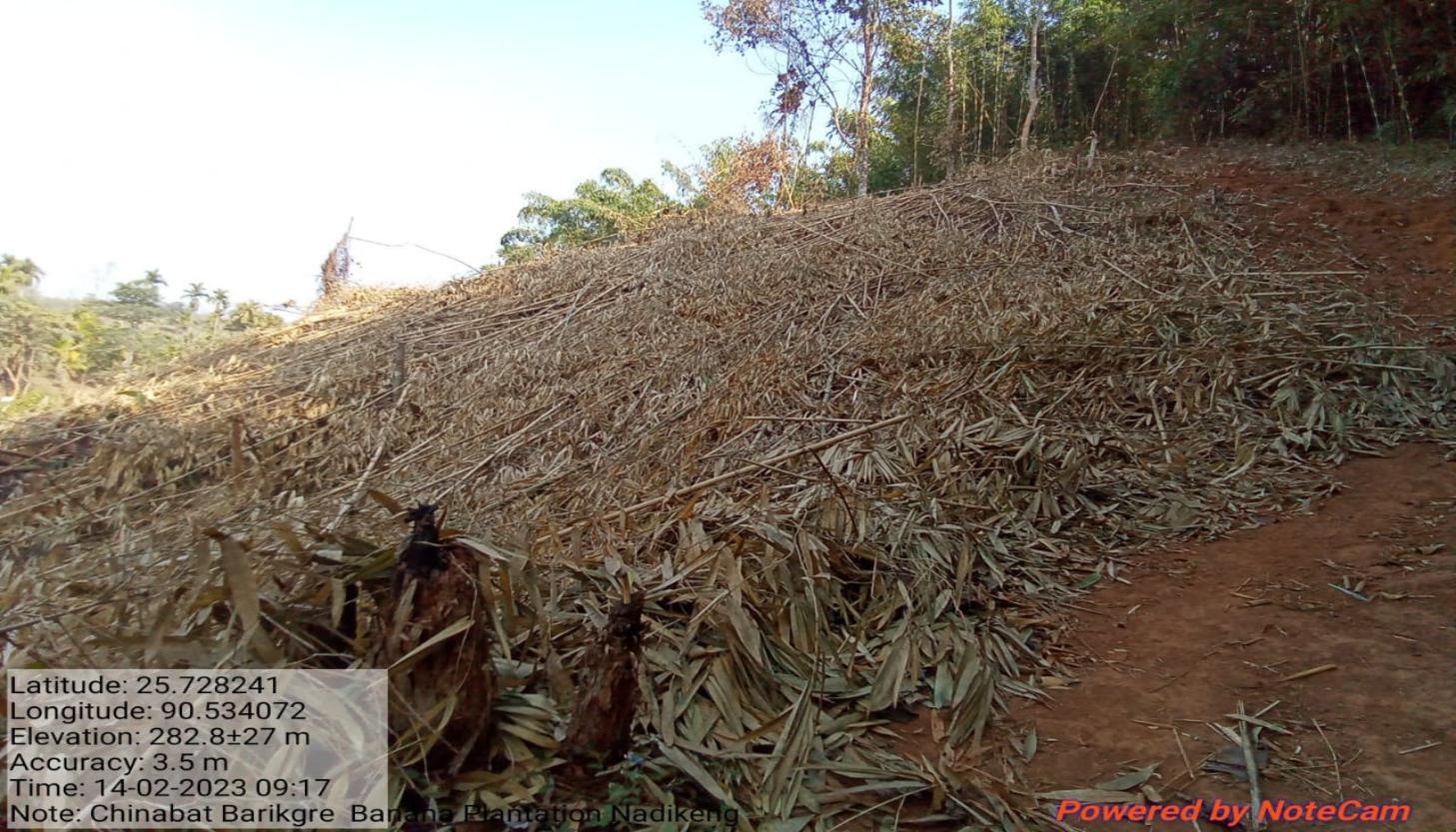
| 12 | Banana Plantation (Horticulture) | Nadikgeng | 0.8 | 83 | 86260.00 | 05-May-22 | 2-feb-23 | 13-april-23 |
| ToTal | 52.95 | 564 | 2155000 | |||||
Brief Justification on the Proposed Activities
Community Nursery
The details of the Community Nursery can be seen in the Annexure. The proposed nursery is meant for raising the saplings like Gambil, Bolchim, Chram, Bolgibok, Bolbret, Chambil, mango, jackfruit, tamarind & litchi which will be planted in the open forest, catchment areas, reserve forest, and private lands.
Composting
The villagers have also established ho-composting to improve land productivity in around 12.89 ha of agricultural land by using composting so that the soil will be more fertile, increase yielding rates leading to increased income.
Plantation/Afforestation/Reforestation
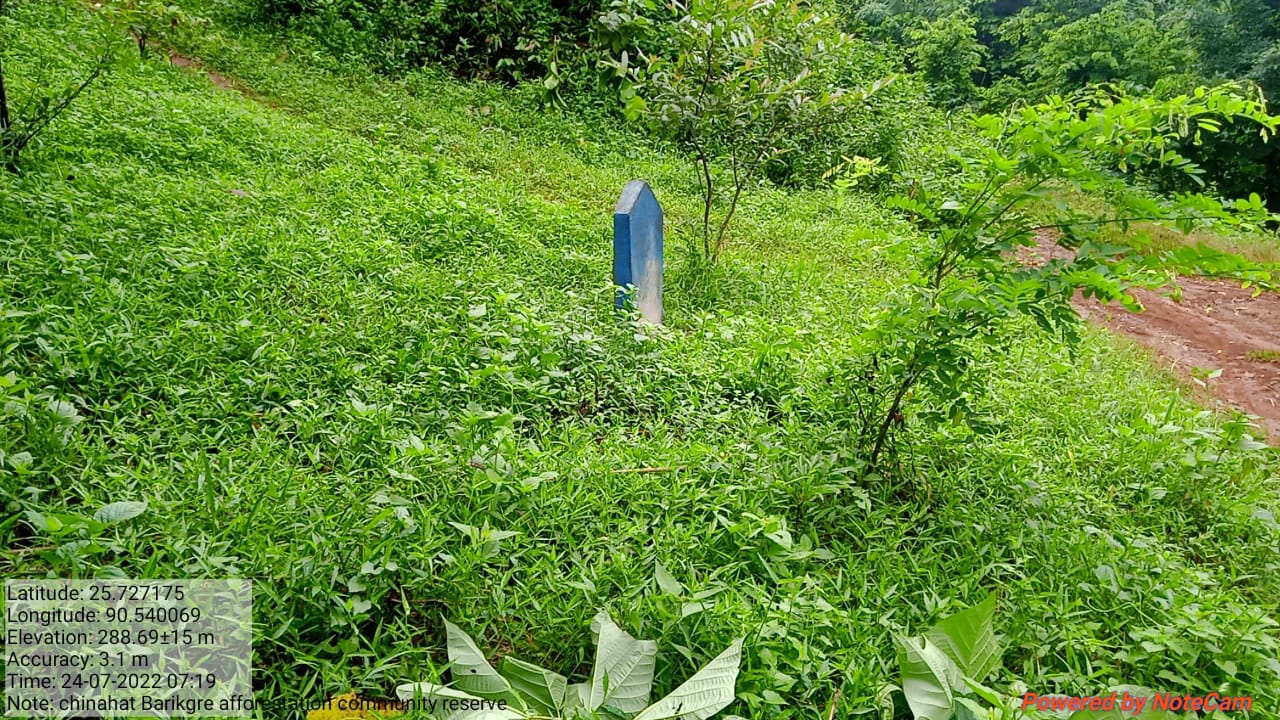
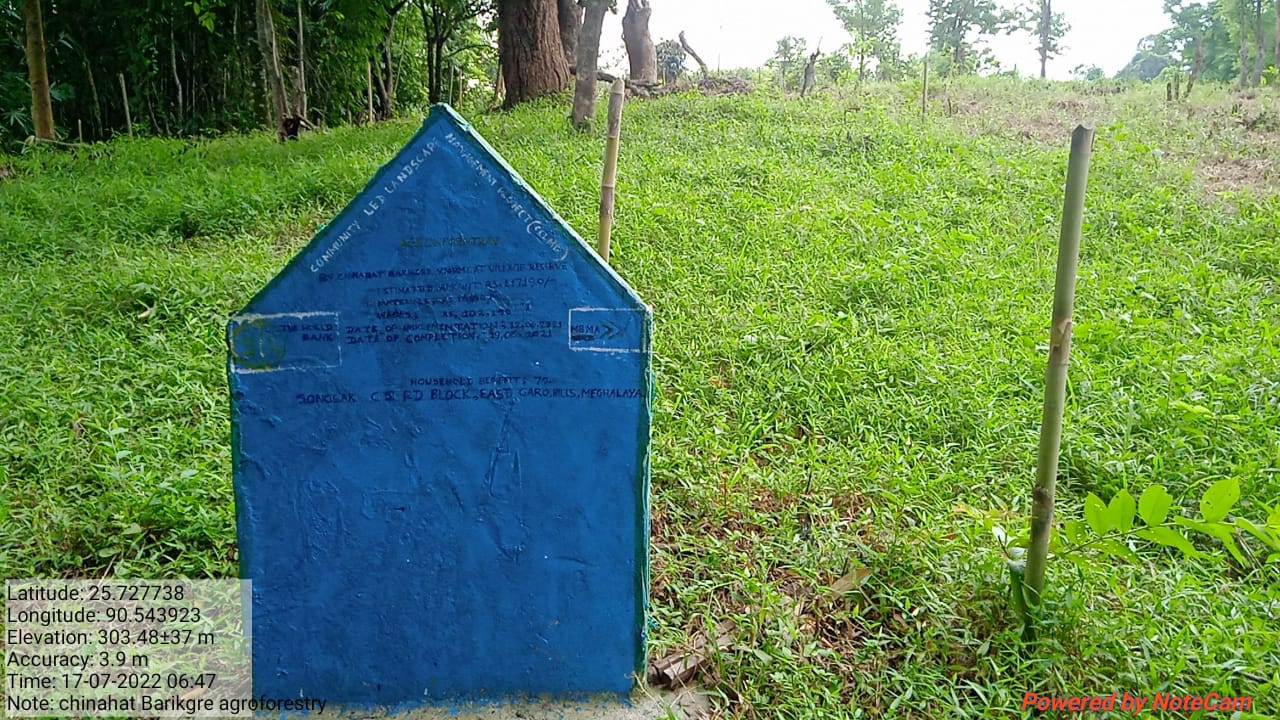
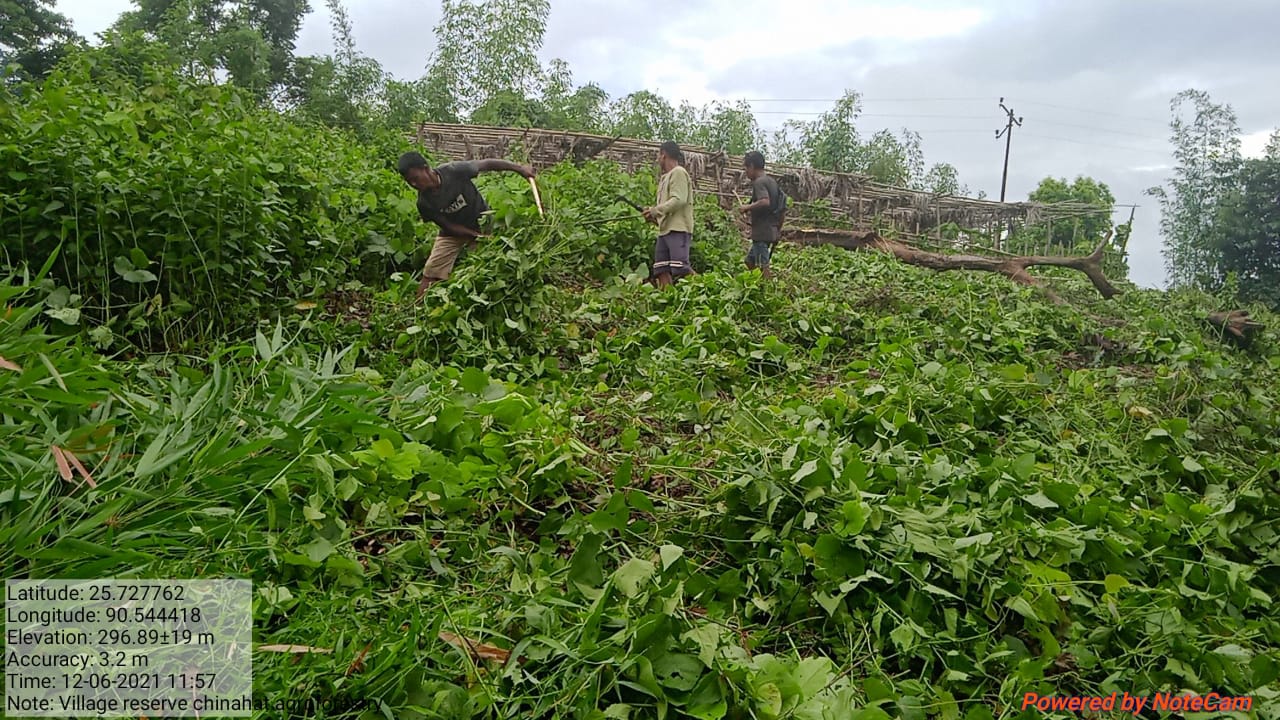
In the village there are only open which is about 16.65 Ha and no dense forests. Villagers have realized that open forests are increasing which leads to climate change and loss of biodiversity year after year. The villagers have decided to increase the number of trees by doing Afforestation or reforestation & Agro-forestry both in open forests as well as in the private land which bring to a total of 16.65 Ha of land. It is advice to encourage the villagers to plant fruit bearing trees while carrying out reforestation for the benefits of all fauna and humankind. It will also restore and maintain balance in the biodiversity.
Check Dam
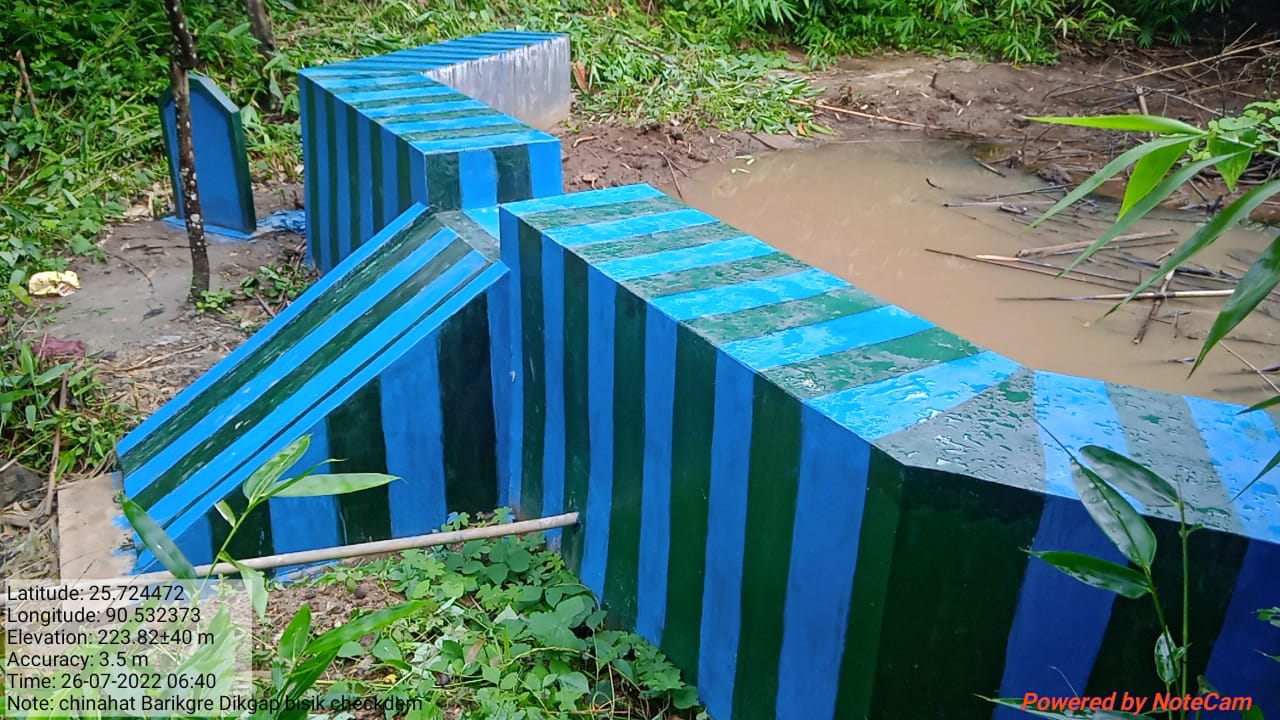
Since there is unavailability of irrigation facilities during the month of February to April and the land become less productive, The villagers have 3 no. of check dam Chiwakol Bisik, Prap Bisik & Chipang misal to be constructed for irrigation and domestic purposes from which around 30 households will be benefiting from it. It is expected that 30.1 Ha of land will be benefiting from these interventions. Availability of water throughout the season can help the villagers to practice multiple cropping and follow crop rotation throughout the year which will increase the production and their income as well.
Forest Management Plan
The village has a Reserve Forest which has been preserved by the community but due to extraction of timber by the villagers, now it is consider as open forest. For this reason they have brought this area under forest management plan which is a working scheme to further increase its forest cover, take more preventive measures, etc. The activities under the FMP include Nursery for Food Forestry, Boundary Survey, Forest Fire Control, In- Situ and Ex-Situ Conservation, Enrichment in Forest Blanks & Assisted Natural regeneration in Open Forest .
Annexure
Annexure-1
Annexure – 2
Resource Map
Annexure - 3 Gallery
Master Trainer, CLLMP testing water quality using water Tester and filling up the Inventory sheet