SUMMARY VILLAGE REPORT
ON
KMAWANRUM VILLAGE
MAWSYNRAM
EAST KHASI HILLS DISTRICT
DISTRICT PROJECT MANAGEMENT UNIT (DPMU)
The Government of Meghalaya has launched its flagship program, the Integrated Basin Development Project (IBDLP) in 2012. IBLP is a citizen-centric and demand-driven program that focuses on the development of community participation and capacity building as the pathway to sustainable eco-systems development.
Nestled under IBDPL, the Community Led Landscape Management Programme of the Government of Meghalaya looks at natural resources management through a community-led landscape approach. The Community-Led Landscape Management Project (CLLMP), which receives support from the World Bank, is a part of the CLLM-Programme.
The project interventions will include preparation of community led natural resource management plans. The CLLMP has the following three components:
Strengthening Knowledge and Capacity of Communities for Natural Resources Management
Community-Led Landscape Planning and Implementation
Project Management and Governance
Objective:
“To manage and conserve the natural resources, especially forests, soil and water sources, in a manner that supports the financial and physical well-being of communities in the state”
Scope:
The CLLM-Programme is focused on enhancing the capacities of communities and traditional institutions (TI) through the use of a landscape approach to manage their natural resources, such as soil, springs and other water sources, forests, and bio-diversity.
The project will be planned and implemented in about 400 villages across the state.
The CLLMP places a significant emphasis on establishing local institutions by providing systematic capacity-building in both technical and social skill areas.
The project will also provide such training to communities outside of the villages that are being targeted and will aid those communities in their attempts to obtain money from other rural and natural resources projects and programmes.
By creating and following efficient systems and procedures and utilising the right technology, the programme will also make an investment in enhancing the delivery of the process and results.
Benefits:
Benefits for community (Skills and Capacity relating to technical and managerial areas like NRM and Conflict resolution.
Traditional institutions (village councils, traditional leaders, community-based organisations, SHGs, etc.) gain from knowledge sharing, the promotion of innovative approaches, access to technology, technical managerial support, and financial assistance.
The project is expected to have an impact on approximately 1 lakh partners, half of whom are women and rely on land, forests, and agroforestry.
A total of 400 communities will benefit from the project's efforts, which will ensure that the 55000 Ha of the targeted area has access to water, biological resources, and productive soil. The project's outcomes can be summed up as follows.
Implementation Agency:
The Project will be executed by the MBMA in collaboration with other partners particularly, SIRD (for training and capacity building), Department of Soil and Water Conservation, Water Resource Department, Forest Department, specifically with respect to technical inputs, safeguards management and Community NRM plan preparation.
Project Period:
2018-2023 (5 years)
About the Village:
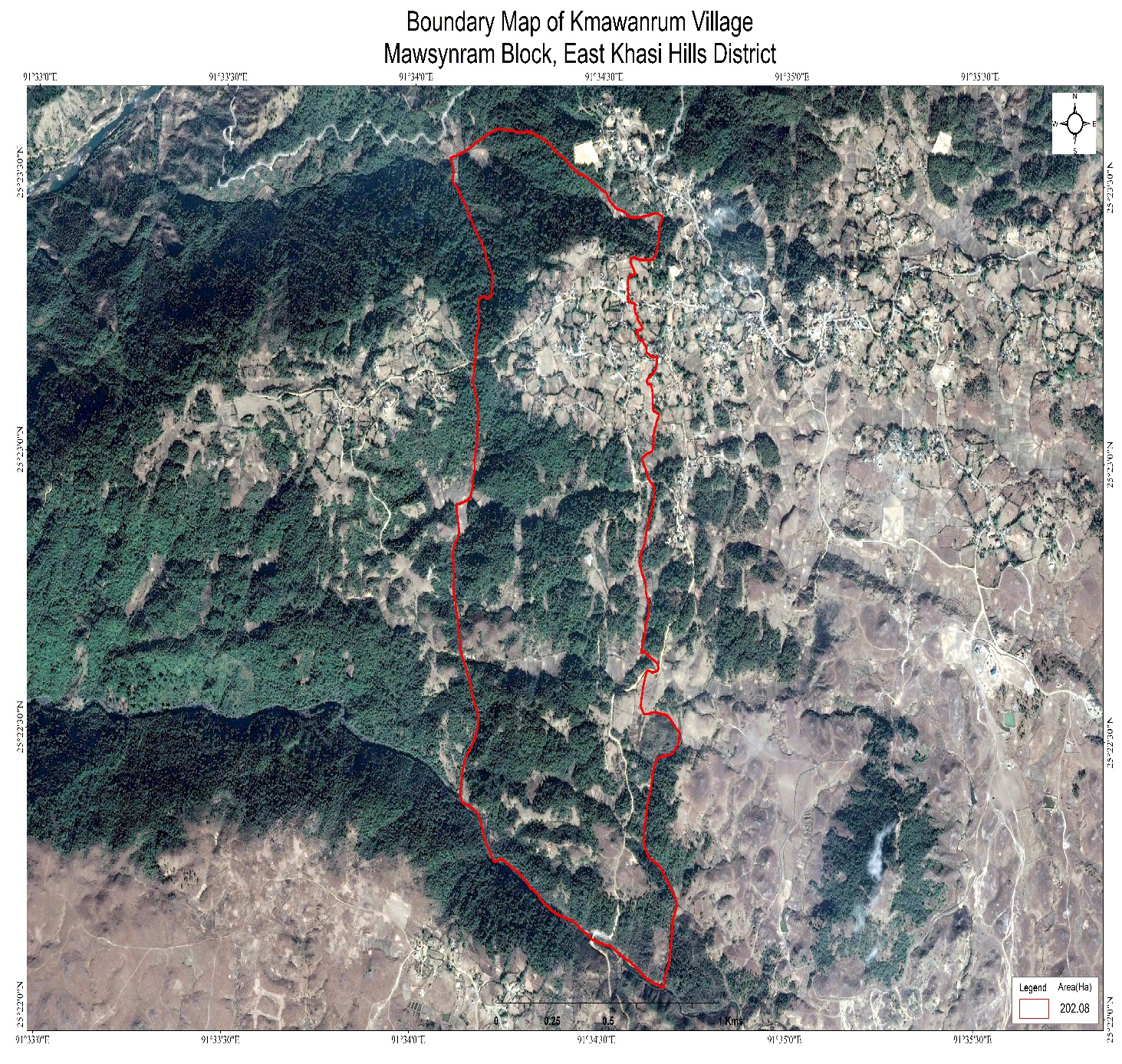
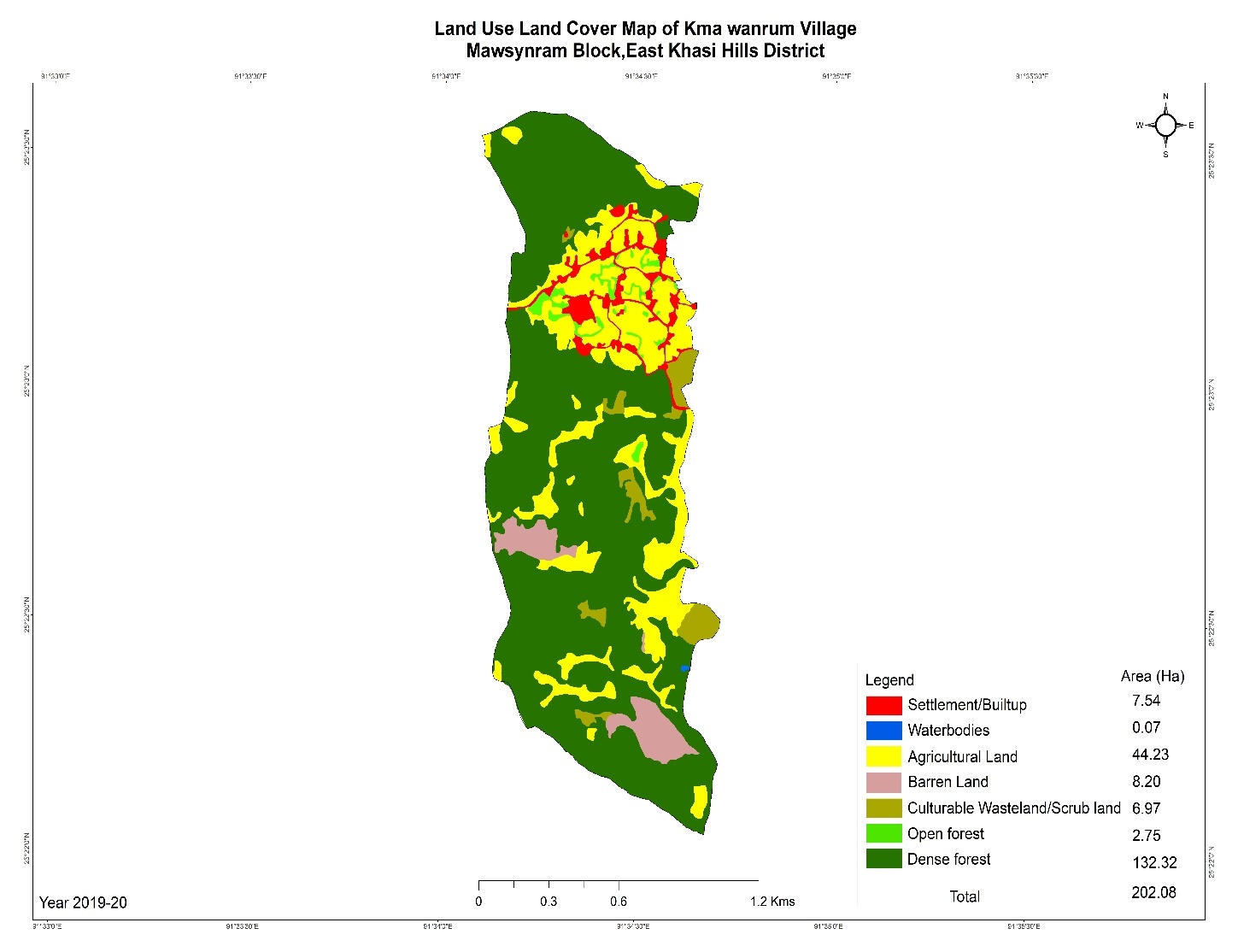
Kmawanrum VNRMC is one of the 92 villages in East Khasi Hills District selected for the implementation of CLLMP. It falls under Mawsynram Block, East Khasi Hills 793121. The distance from Kmawanrum to the district headquarters (Shillong) is 55 km and to the Block office is 21 km. The geographical area of this village is 202.03 Ha. The total number of households in this village is 155 HH with a total population of 1008 out of which, 548 are females and are 460 males.
Village Demography:
The number of households in this village is 155 with a population 1008 people.
| Age Group (In years) | Males | Females | Total |
|---|---|---|---|
| 0-4 | 60 | 70 | 130 |
| 5-14 | 112 | 138 | 250 |
| 15-30 | 140 | 160 | 300 |
| 30-60 | 140 | 170 | 310 |
| Above 60 | 8 | 10 | 18 |
| Total | 460 | 548 | 1008 |
The main occupation of this community is Daily wage labour, which widely adopted by almost every household followed by agriculture and farming, Govt. Service and Teaching profession.
| Occupations | HHs | |
|---|---|---|
| i. | Agriculture and farming | 72 |
| ii. | Daily wage labour | 50 |
| iii. | Business | 15 |
| iv. | Teacher | 10 |
| v. | Govt. Service | 8 |
Fuel Type Used:
| Fuel Type | No. of HH | |
|---|---|---|
| i. | Firewood | 130 |
| ii. | LPG | 18 |
| iii. | Electricity | 5 |
| iv. | Kerosene | 2 |
Village Natural Resource Management Committee Members:
| Sl No | Name | Gender | Age | Education | Designation | Contact No. |
|---|---|---|---|---|---|---|
| 1 | Bespal Kharbani | Male | 43 | B. A | Chairman | 8787715400 |
| 2 | Therist Marbaniang | Female | 52 | B. A | Secretary | 6009434942 |
| 3 | Shanilet Lyngdoh Marshillong | Female | 32 | MA | Treasurer | 9366625143 |
| 4 | Larsting Nongsiej | Male | 48 | VI | Member | 9366949518 |
| 5 | Aiborlang Marbaniang | Male | 36 | MA | Member | 8787495750 |
| 6 | Thomas L Marshillong | Male | 25 | BA | Member | 8787519830 |
| 7 | Jotsparliin Kharlyngdoh | Male | 28 | NA | Member | 8787741190 |
| 8 | James Kharbani | Male | 37 | BA | Member | 8837297695 |
| 9 | Shailinti Nongsiej | Female | 27 | BA | Member | 7005919751 |
Village Community Facilitators Members:
| Sl No | Name | Gender | Age | Education | Area of Specialization | Contact No |
|---|---|---|---|---|---|---|
| 1 | Lucyna Nongsiej | Female | 24 | XII | Environment & GIS | 7005933489 |
| 2 | Pynsuklin Nongsiej | Female | 22 | X | M&E, Procurement | 7085273081 |
| 3 | Firstbon John Marngar | Male | 26 | XII | Social &KM | 9366640970 |
Important Dates & Events
The DPMU team visited Kmawanrum on 1st September 2020 to conduct a sensitization cum awareness program.
The Village Natural Resource Management Committee (VNRMC) was formed on 4th September 2020.
On 4th September 2020, the Citizens Green Charter (CGC) was signed.
On 8th September 2020, the Expression of Interest (EOI) was signed.
On 8th September 2020, the Village Grant Agreement was signed.
The Purchase Committee was formed on 26th October 2020.
The Community Natural Resource Management Plan (CNRMP) was submitted on the 10th September 2020.
Problem Analysis
Problem analysis involves identifying the overriding problem and establishing the causes and effects related to that problem. The FGD conducted with the participants to establish the problems faced by them reveals the following information.
Do people have sufficient access to supply of fodder, fuel wood, leaf litter?
Yes, for the forest owners, but others have to buy.
Has access to timber improved or reduced over the years? How is access for household use and commercial use managed?
Some people do get sufficient timber, especially owners of private forests but most people have to buy from the market.
Are the water bodies facing any threats?
As the years goes by, water bodies are getting dried up. due to deforestation and the supply of water to the private or individual.
Do all people in the village have access to drinking water? What are the challenges?
Yes, but during winter season, mostly women and children have to fetch water from the springs which is quite far from their household.
Are there degraded areas in the village (open/ degraded forests, mining affected, high soil erosion etc.)?
Yes, there are degraded lands due to stone mining.
What has caused this degradation? Are there practices causing threats to availability and access to natural resources?
Deforestation and stone mining.
What have been the changes in agricultural practices?
With regards to farming, people still follow the traditional methods. But the only change is the transition from usage of organic fertilizers to bio-chemical fertilizers.
Are there any challenges in farming?
Water scarcity especially during the winter season and soil infertility.
Purpose of Intervention
Prior to the CLLMP, it was found that lack of irrigation water, soil infertility and deforestation were some of the problems prevailing in Kmawanrum village. Therefore, the following interventions were implemented to increase irrigation water, reduce deforestation and soil erosion.
The interventions implemented through CLLMP are:
| Sr. No. | Name of intervention | Site Name | Start Date | Completion Date | Amount from CLLMP |
|---|---|---|---|---|---|
| 1. | Spring Chamber | Phot Lungpung | 31-May-21 | 29-Jul-21 | 74,450 /- |
| 2. | Spring Chamber | Lumtepdi | 03-Jun-21 | 16-Jul-21 | 47,200 /- |
| 3. | Filtration System | Phudbah | 01-Jun-21 | 30-Jun-21 | 32,000 /- |
| 4. | Irrigation Work | Phudbabu | 2-June-21 | 31-Jul-21 | 2,90,200 /- |
| 5. | Tree Plantation | Ramphet | 24-May-21 | 22-Jun-21 | 69,700 /- |
| 6. | Contour Trenches | Ramphet | 5-Jun-21 | 8-Jul-21 | 9,650 /- |
| 7. | Check Dam | Photratiaw | 12-June-21 | 20-Aug-21 | 3,23,700 /- |
| 8. | Tree Plantation, Contour Trench & Fire Line Control | Domthlen | 28-May-21 | 29-Jun-21 | 1,53,400 /- |
| 9. | Tree Plantation | Khliehjhai | 22-May-21 | 26-Jun-21 | 2,02,700 /- |
| 10. | Community Nursery | Khliehjhai | 07-Jun-21 | 29-Jul-21 | 1,09,800 /- |
| 11. | Spring Chamber | Mawshe | 4-June-21 | 23-Jul-21 | 46,600 /- |
| 12. | Filtration System | Lungpung | 31-May-21 | 26-Jun-21 | 32,000 /- |
| 13. | Fire Contour | Khliehjhai | 05-Apr-22 | Ongoing | 2,12,060 /- |
| 14. | irrigation channel | Phudwah | 04-Apr-22 | Ongoing | 4,76,607 /- |
| `15. | spring chamber | Ramphet | 6-Apr-22 | Ongoing | 74,608 /- |
| 16. | protection wall | Khmatshnong | 24-Jun-22 | Ongoing | 90,900 /- |
| 17. | Spring chamber | Phoddidoh | 25-Jun-22 | Ongoing | 80,000 /- |
| Name of Intervention | Site Name | Start Date | Complete Date | Amount Utilized |
|---|---|---|---|---|
| Tree Plantation, Contour Trench & Fire Line Control | Dom Thlen | 28.05.2021 | 29.06.2021 | 1,53,400 /- |
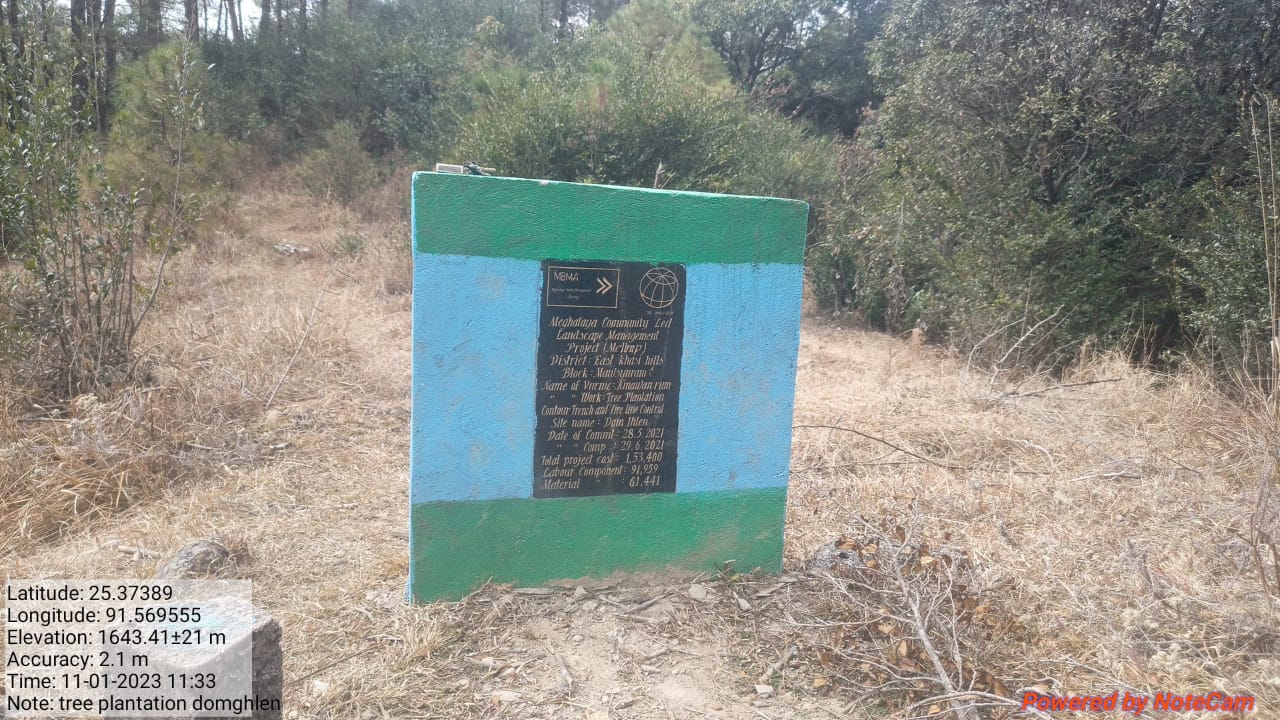
| Name of Intervention | Site Name | Start Date | Complete Date | Amount Utilized |
|---|---|---|---|---|
| Community Nursery | Khliehjhai | 07.06.2021 | 29.07.2021 | 1,09,800 /- |
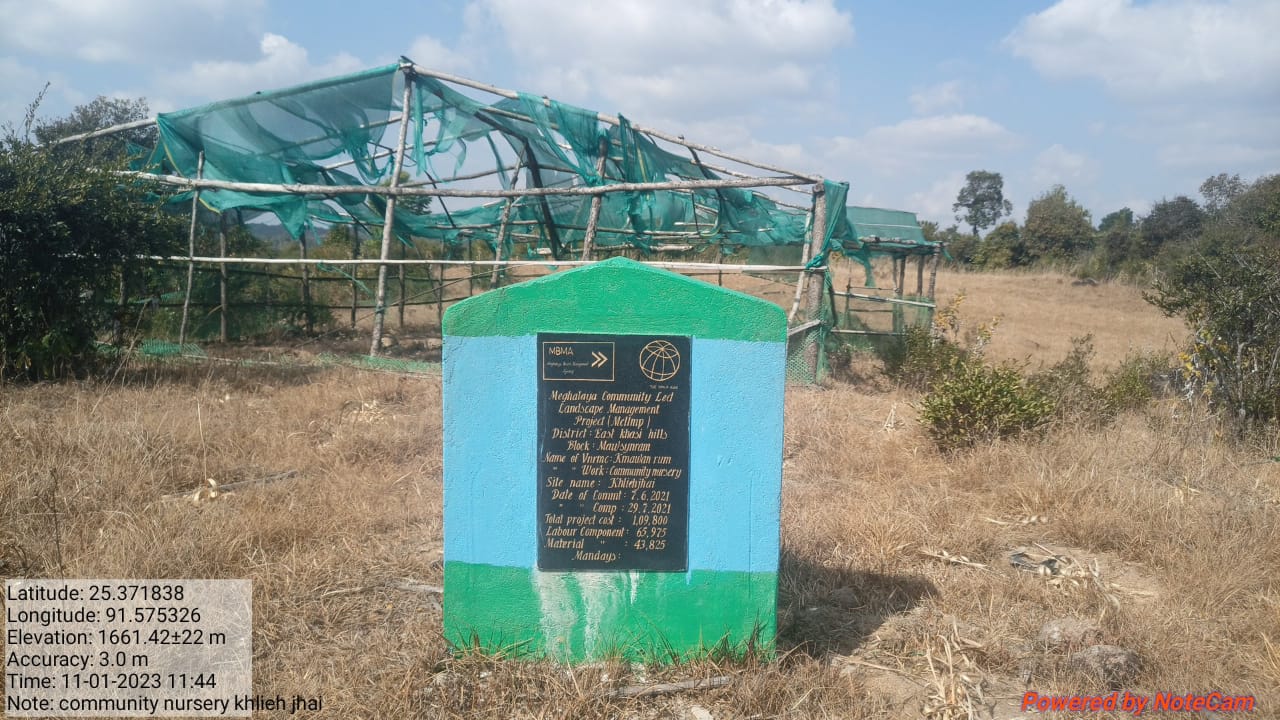
| Name of Intervention | Site Name | Start Date | Complete Date | Amount Utilized |
|---|---|---|---|---|
| Spring chamber | Lungpung | 31.05.2021 | 29.07.2021 | 74,450/- |
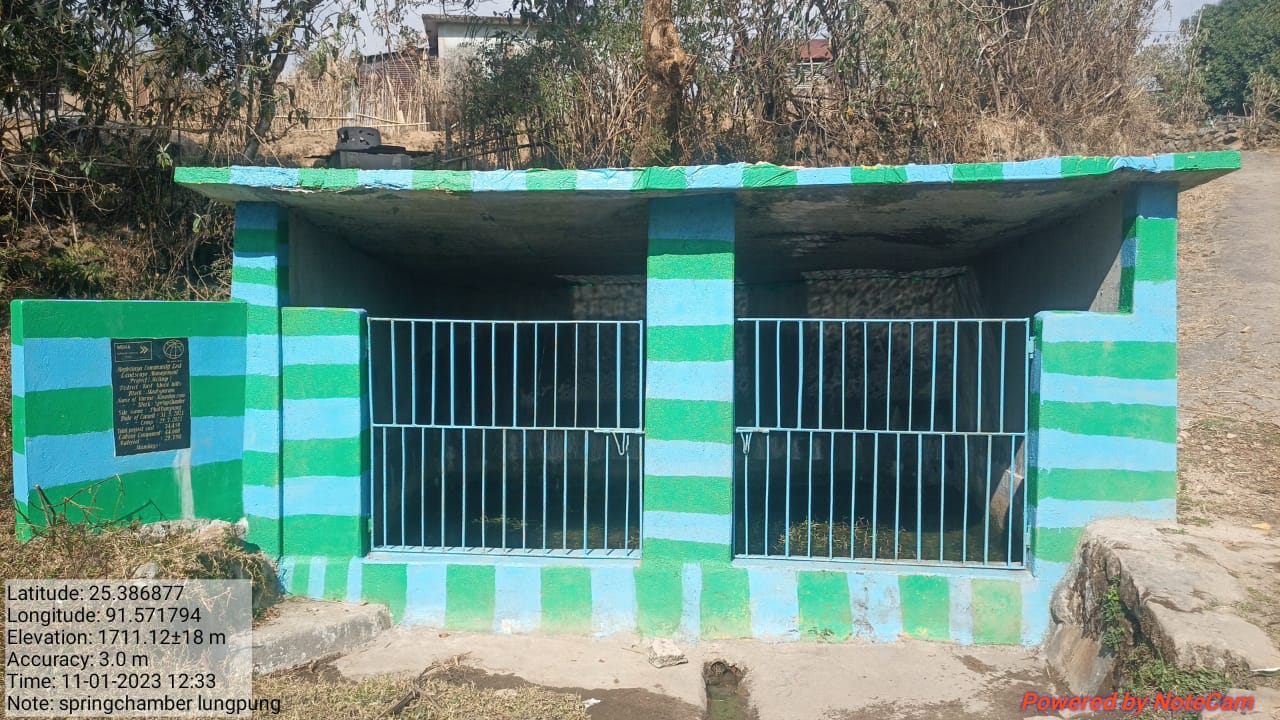
| Name of Intervention | Site Name | Start Date | Complete Date | Amount Utilized |
|---|---|---|---|---|
| Tree plantation | Khliehjhai | 22.05.2021 | 26.06.2021 | 2,02,700 |
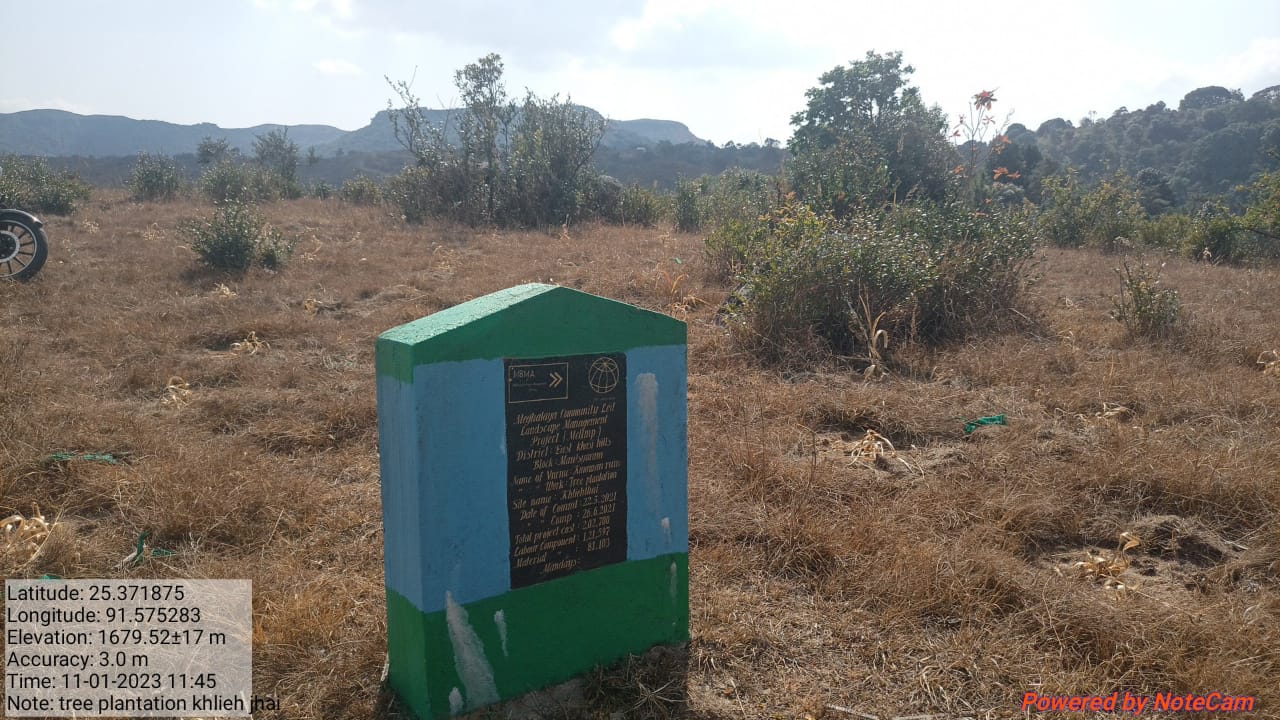
| Name of Intervention | Site Name | Start Date | Complete Date | Amount Utilized |
|---|---|---|---|---|
| Filtration System | Phodbah | 01.06.2021 | 30.06.2021 | 32,000/- |
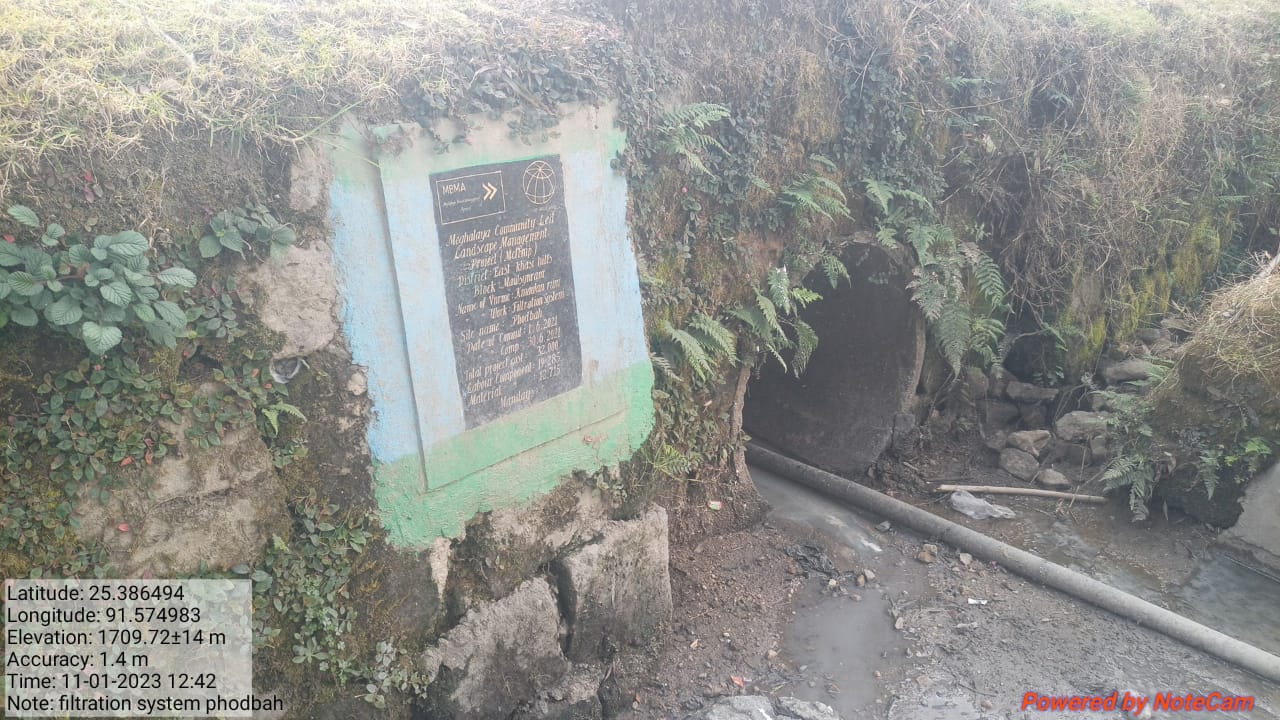
| Name of Intervention | Site Name | Start Date | Status | Amount utilized |
|---|---|---|---|---|
| Irrigation Channel | Phudwah | 04.04.2022 | Ongoing | 4,70,682/- |
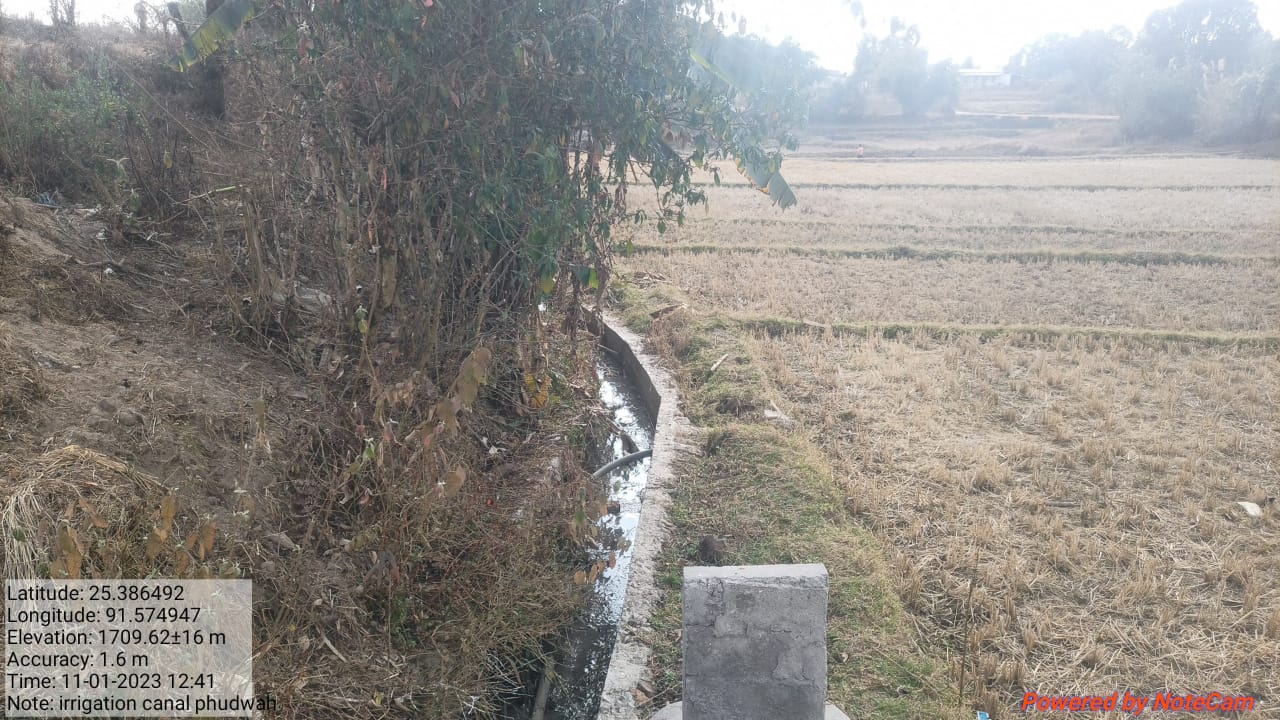
| Name of Intervention | Site Name | Start Date | Complete Date | Amount Utilized |
|---|---|---|---|---|
| Spring Chamber | Lumtepdi | 03.06.2021 | 16.07.2021 | 47,200/- |
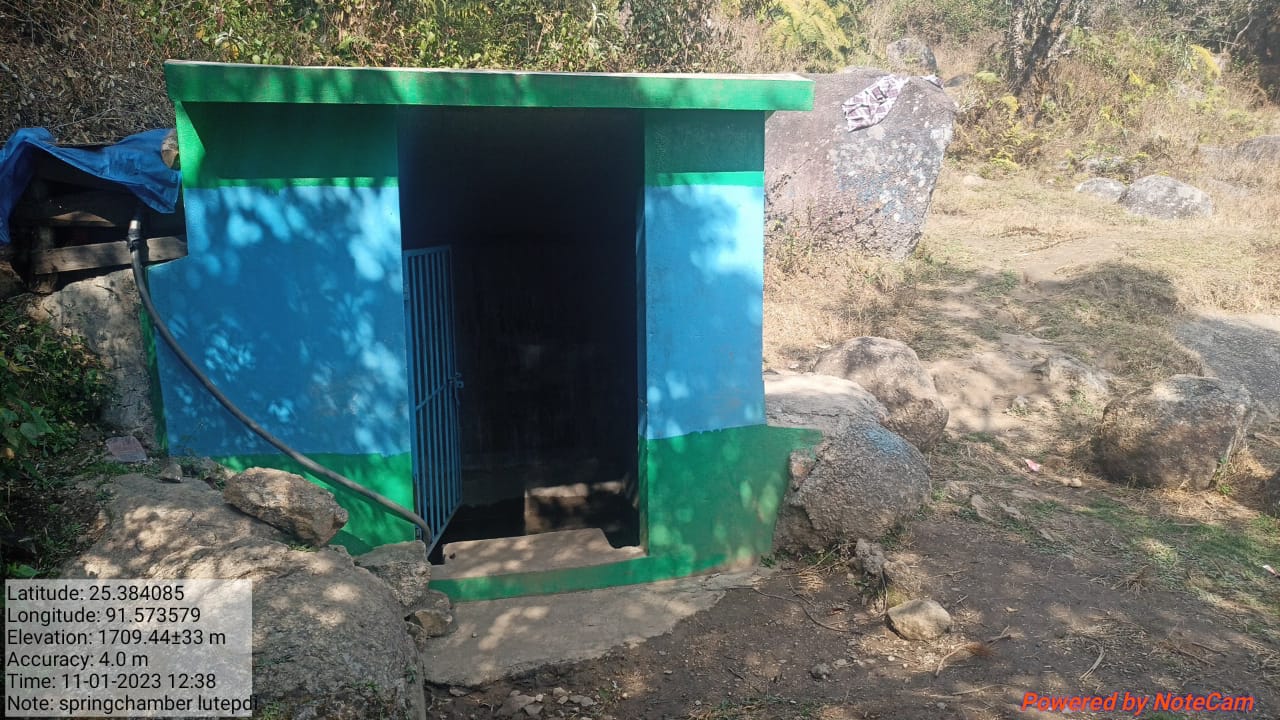
| Name of Intervention | Site Name | Start Date | Complete Date | Amount Utilized |
|---|---|---|---|---|
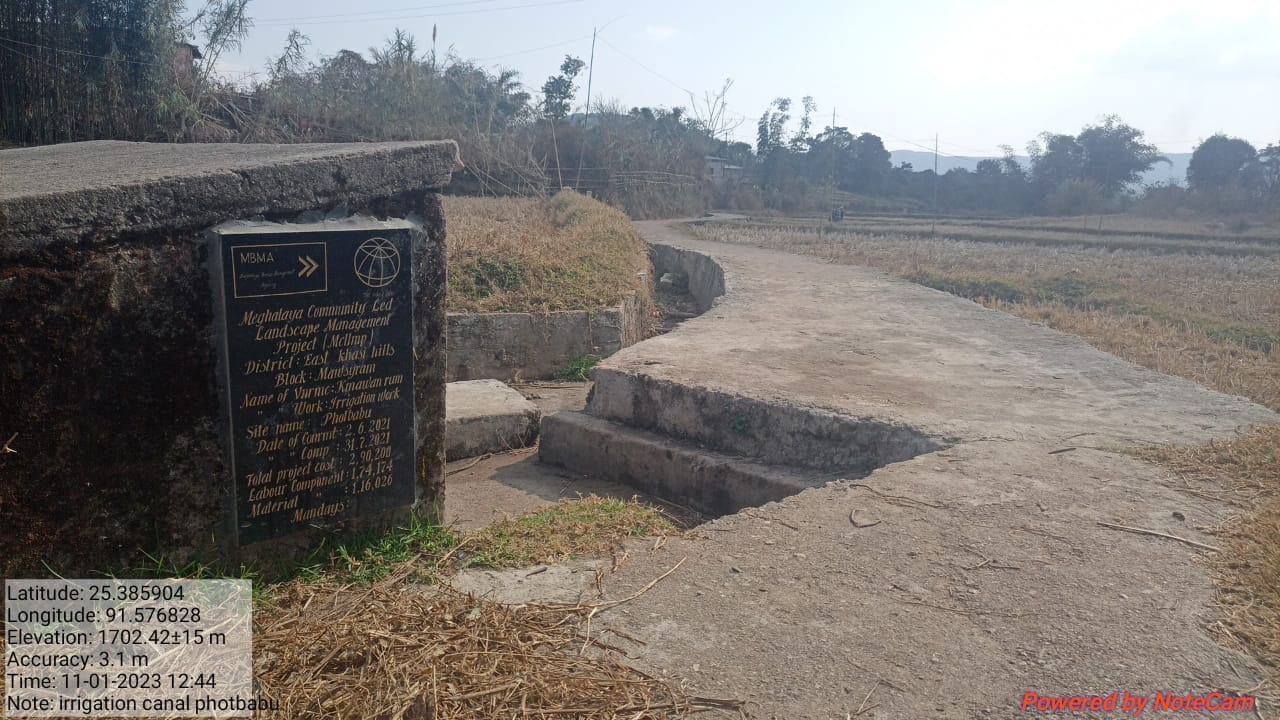
| Irrigation work | Photbabu | 02.06.2021 | 31.07.2021 | 2,90,200/- |