Village Profile on
Kynsew Village under Mairang C&RD Block
District: Eastern West Khasi Hills District
9th February, 2022.
COMMUNITY LED LANDSCAPE MANAGEMENT PROJECT
(CLLMP)

The Government of Meghalaya with financial help from the World Bank is implementing the Meghalaya Community Led Landscape Management Project (MCLLMP). The project will cover the entire state of Meghalaya and implementation of community led plans will be rolled out in phase manner throughout the state. The Meghalaya Basin Management Agency (MBMA) will facilitate community-led planning by providing support, technical inputs and funding.
The project is intended to strengthen community-led natural resources management in selected landscapes within the 11 districts of the state. This would be achieved through a variety of planning, capacity building, and on-the-ground interventions to promote the conservation, sustainable use of natural resources, social inclusion, and community mobilization; building traditional knowledge and learning, mapping of natural resources management; strengthening the community institutions and creating linkage with financial institutions and community organizations.
The project interventions will include preparation of community led natural resource management plans. The CLLMP has the following three components:
Strengthening Knowledge and Capacity of Communities for Natural Resources Management
Community-Led Landscape Planning and Implementation
Project Management and Governance
Objective:
The project objective is “to manage and conserve the natural resources, especially forests, soil and water sources, in a manner that supports the financial and physical well-being of communities in the State”.
The CLLM-Programme focuses on increasing the capacities of communities and traditional institutions (TI) by adopting a landscape approach to manage their natural resources such as soil, springs and other water sources, forests, and bio-diversity, etc.
The project will be planned and implemented in about 400 villages across the state.
CLLMP has a strong focus on institution-building at the village-level, by ensuring systematic capacity-building on technical and social skill-sets.
The project will also extend such training to communities beyond the targeted villages and support efforts made by them to access funding from various rural and natural resources initiatives and schemes.
The Programme will also invest in improving the process and outcome delivery, by developing and adhering to effective systems and procedures, supported by the appropriate technology.
Benefits for community (Skills and Capacity relating to technical and managerial areas like NRM and Conflict resolution
Benefits to traditional institutions (village councils, traditional leaders, community-based organizations, SHGs etc.) through Knowledge sharing, promotion of innovative approach, access to technology, technical managerial and financial support.
It is estimated that the project will impact around 1 lakh partners (of which 50% are women) who depend on land, forest, agro forestry.
Through the project, 55000 Ha of targeted area will be ensured with availability of water, biological resources and soil productivity, which will in turn benefit around 400 villages and the outcomes delivery can be summarized as follows.
The Project will be executed by the MBMA in collaboration with other partners particularly, SIRD (for training and capacity building), Department of Soil and Water Conservation, Water Resource Department, Forest Department, specifically with respect to technical inputs, safeguards management and Community NRM plan preparation.
2018-2023 (5 years).
| Sl. No. | Topics | Page No. |
|---|---|---|
| I. | Introduction & History | 5-7 |
| II. | Social Profile | 8 |
|
8-17 | |
| III. | CLLMP Activities | 18 |
|
18-30 |
Kynsew Village is situated in Eastern West Khasi Hills District under Mairang C&RD Block at 14km away from district headquarter, Mairang, and 63km from Nongstoin, West Khasi Hills District.
Kynsew has a total population of 590 peoples, out of which male population is 285 while female population is 305. Literacy rate of kynsew village is 47.80% out of which 41.75% males and 53.44% females are literate. There are about 109 houses in kynsew village.
Mairang is nearest town to kynsew village for all major economic activities.
There was a belief that God created one big tree with a huge shrub on earth named ‘Syntein’ or ‘Kynsew Syntein’. The shrub of this tree can grow up to 10ft producing leaves and flowers. The shrub benefitted the villagers; they used the shrub to produce thread for fishing. This was how the name Kynsew originated and has stayed on ever since.
Kynsew possess a cave situated in the middle of a forest and far away from the residential site of the village. The cave is extremely deep underneath the hills of the village and can oversee the start and end point of the cave from Kroh Village to Marpna Village.
In Kynsew village, farming is the main activity.
KynsewVillage has a total number of 120 households and a population of 821. Agriculture and its allied activities are the main occupation of the villagers. Few others are enrolled in government and teaching jobs and some are engaged in local businesses.
Village Accessibility:
In order to reach Kynsew village, one must venture through the highway towards Mairang. Upon reaching Mawmaram, one must take a left to reach the village. Iew Mairang-Lumktung to Mawsawa bye-pass road lying 3km away from Mairang. Upon reaching the village named Mawsawa, one must turn right in order to reach Pungsaniang.
Literacy: Kynsew village has lower literacy rate compared to Meghalaya. In 2011, literacy rate of Kynsew village was 65.73 % compared to 74.43 % of Meghalaya. In Kynsew Male literacy stands at 58.91 % while female literacy rate was 71.81 %. There are four Schools in the Village i.e., Government L.P. School Pungsaniang founded in the year 1962, Wahryngkab L.P. School founded in the year 1987, Pungsaniang Upper Primary School founded in the year 2004 and Dienglieng L.P. School founded in the year 2013.
 Presently, the village is managed
and guided by its active Dorbar as the highest authority in the
village which is alternatively comprised of the Seng Kynthei, (Women
Wing) and Seng Samla (Youth Wing) all collectively aiming for the
overall good and growth of the village. Other committees such as
Village Employment Council (VEC), Village Water and Sanitation
Committee, Village Organisation (VO) and Self-Help Groups (SHGs) are
constantly active and vigil as well, working in due co-operation
between themselves for a brighter tomorrow of the village.
Presently, the village is managed
and guided by its active Dorbar as the highest authority in the
village which is alternatively comprised of the Seng Kynthei, (Women
Wing) and Seng Samla (Youth Wing) all collectively aiming for the
overall good and growth of the village. Other committees such as
Village Employment Council (VEC), Village Water and Sanitation
Committee, Village Organisation (VO) and Self-Help Groups (SHGs) are
constantly active and vigil as well, working in due co-operation
between themselves for a brighter tomorrow of the village.
1. Population: The Kynsew village has population of 590 of which 285 are males while 305 are females as per Population Census 2011. In Kynsew village, population of children with age 0-6 is 161 makes up 27.29 % of total population of village. Average Sex Ratio of Kynsew village is 1070 which is higher than Meghalaya state average of 989.
| Age Group | Male | Female | Total |
|---|---|---|---|
| 0-4 | 80 | 87 | 167 |
| 5-14 | 125 | 163 | 288 |
| 15-30 | 115 | 139 | 254 |
| 30-60 | 105 | 127 | 232 |
| Above 60 | 16 | 31 | 59 |
BPL/APL Household:
| Particulars | No. of HH |
|---|---|
| BPL HH | 155 |
| APL HH | 04 |
2. Card Holding Household:
| Particulars | No. of HH |
|---|---|
| Total HH | 170 |
| Ration Card HH | 114 |
| Health Card HH | 88 |
Fuel Type:
| Fuel Type | Total HH |
|---|---|
| Charcoal | 0 |
| Biomass | 0 |
| Wood | 110 |
| LPG | 60 |
| Electric Heater | 0 |
| Kerosene | 0 |

3. Occupation: The people of the village rely on agriculture and forest products for their livelihood. The main occupation of the villagers is farming followed by Driver, Labourer, Mason, and Vendor.

Drinking Water: There is scarcity of drinking water in the village due to

Road: The road is in dilapidated condition and commuting is difficult.
LAND
Forest- 345.99 Ha
Cultivable Land- 63.02 Ha
Flooding: During rainy season the village faces a huge problem of flooding in the paddy fields.
| Village Natural Resource Management Committee (9-member committee constituted from Village Council, SHG group, Women’s group, youth, VEC) | |||||||||
|---|---|---|---|---|---|---|---|---|---|
| SL No | Name in full | Designation | Gender (F/M) | Age | Education | Occupation | Community | Religion | Contact No |
| 1 | Treiborlang Nongbri | President | Male | 35 | XII | Teacher | Khasi | Christian | 8787699565 |
| 2 | Kwot Shabong | Secretary | Female | 57 | IX | Farmer | Khasi | Christian | 6009715052 |
| 3 | Jesparsing Mawlong | Finance Secretary | Male | 49 | III | Labourer | Khasi | Christian | 9612929341 |
| 4 | Stibar Nongbri | Member | Male | 48 | I | Labourer | Khasi | Christian | 8414020669 |
| 5 | Jmet Mawlong | Member | Male | 51 | I | Labourer | Khasi | Christian | 8414020671 |
| 6 | Jairit Shabong | Member | Female | 42 | IX | Farmer | Khasi | Christian | 8731969988 |
| 7 | Plain Kurbah | Member | Female | 50 | VI | Labourer | Khasi | Christian | NIL |
| 8 | Banson Warjri | Member | Male | 50 | I | Farmer | Khasi | Christian | 7085775805 |
| 9 | Shaina Rani | Member | Male | 56 | II | Businessman | Khasi | Christian | NIL |
| Village Community Facilitator | ||||||
|---|---|---|---|---|---|---|
| Sl. No. | Name | Gender | Age | Education | Contact No. | Role |
| 1 | Timeris Nongbri | Female | 30 | IX | 9774454371 | Social |
| 2 | Tonshar Nongbri | Male | 30 | XII | 9366009486 | Environment |
| 3 | Binora Kurbah | Female | 46 | VIII | 8794569447 | Document |
| List of Procurement Members | |||||
|---|---|---|---|---|---|
| Sl. No. | Name | Gender | Age | Education | Contact Number |
| 1 | Treiborlang Nongbri | Male | 35 | XII | 8787699565 |
| 2 | Timeris Nongbri | Female | 30 | IX | 9774454371 |
| 3 | Tonshar Nongbri | Male | 30 | XII | 9366009486 |
| 4 | Binora Kurbah | Female | 46 | VIII | 8794569447 |
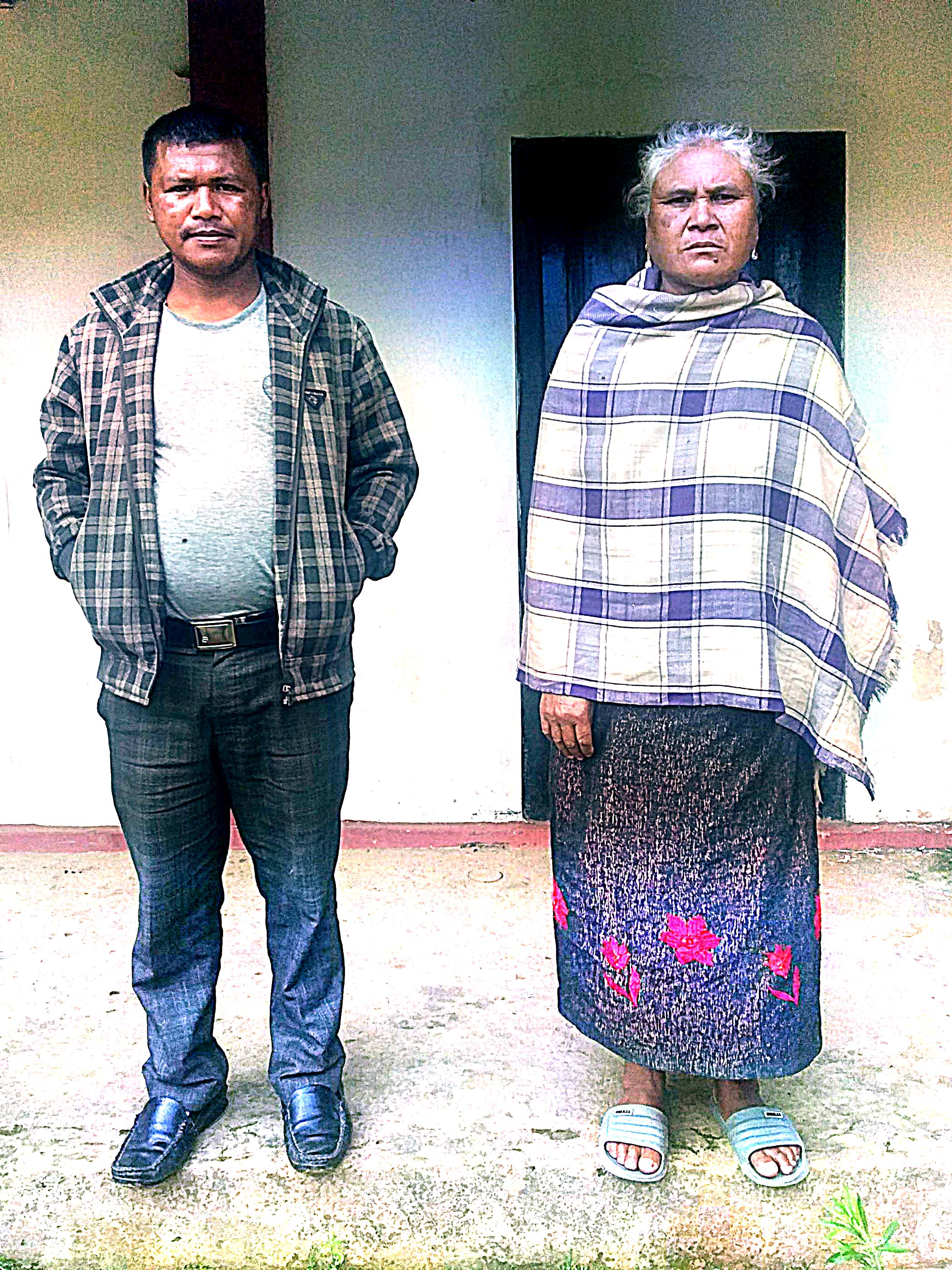
President and Secretary of Kynsew Village
President and Secretary of Kynsew Village
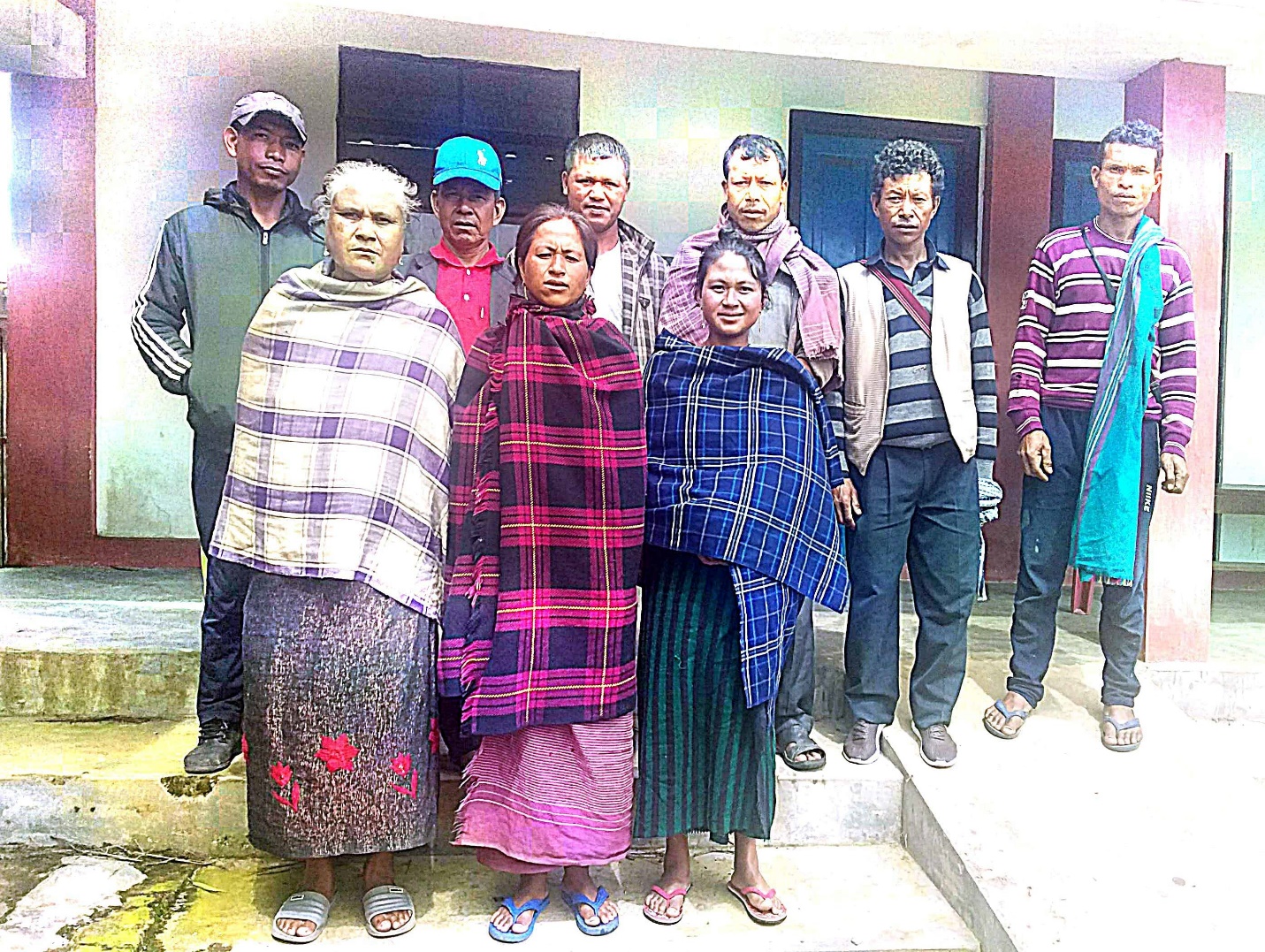
The Village Natural Resource Management Committee of Kynsew Village
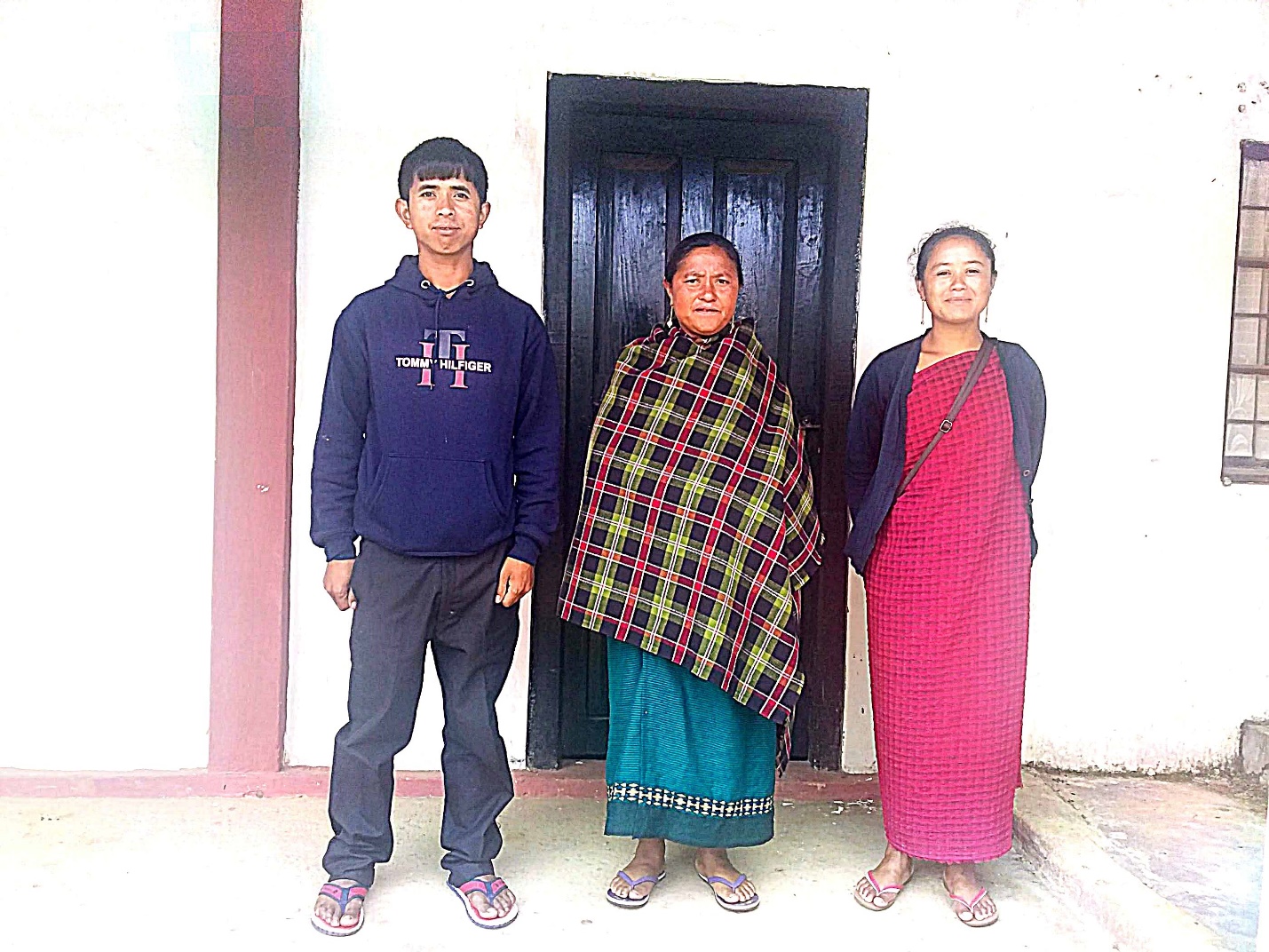
The Village Community Facilitators (VCF) of Kynsew Village
Ground truthing
bank passbook
population
change data chart, table of population
update population to 2023
GIS Maps
Schools available in the village
Seasonal calendar
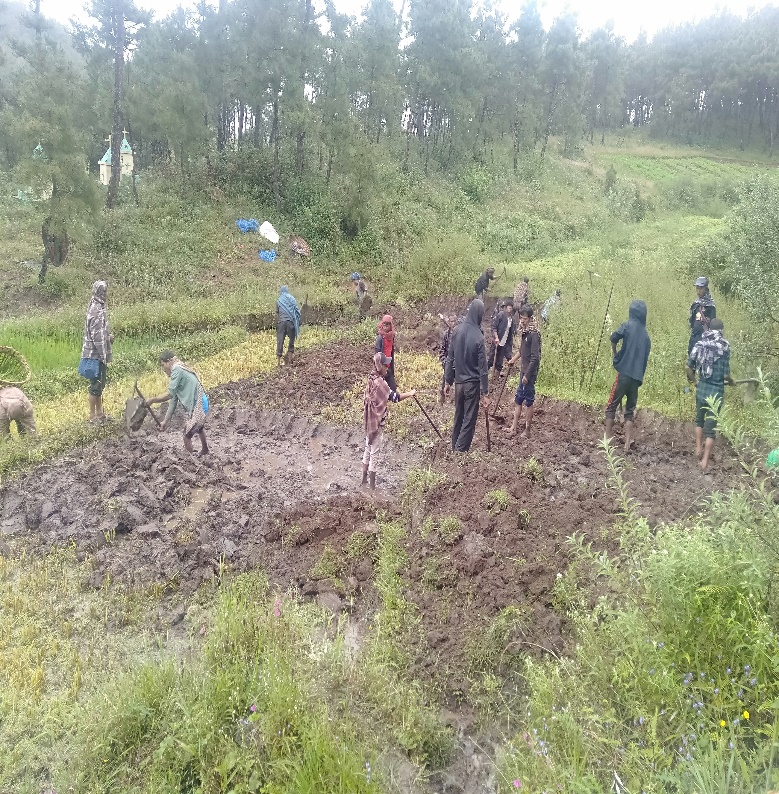
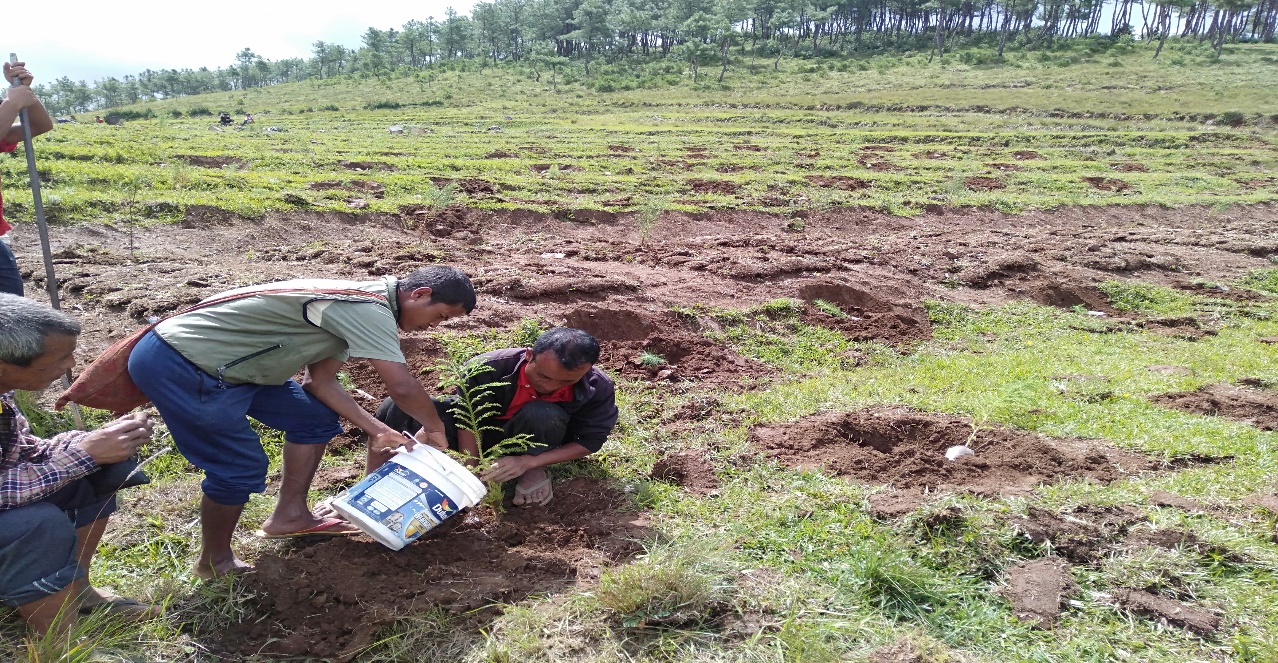
Picture of the CNRMP Plan, pictures of implementations,
4. Participatory Rural Appraisal Exercise Dated:
The PRA exercise aims to incorporate the knowledge and opinions of the community in the planning and management of development projects and programmes. The PRA exercise at Kynsew Village took place on the………..
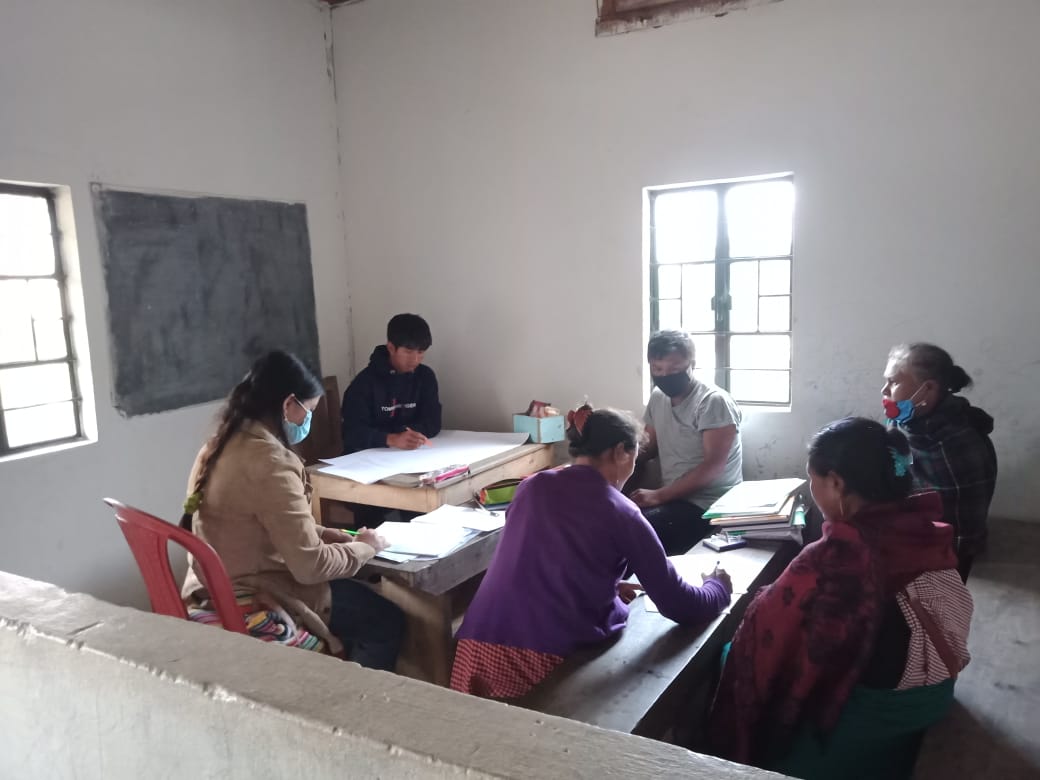
The initial stage of Participatory Rural Appraisal (PRA) exercise at Kynsew Village commenced with a meeting cum orientation program on CLLMP. While conducting the meeting, the community members were made aware of the various PRA exercises to be conducted for the development of Community Natural Resource Management Plan (CNRMP) of the village, the community members’ contribution in the exercise and the objectives to be achieved. The key informants (the VNRMC and the VCFs) helped facilitate maximum participation.
Commencement of PRA.
Introduction: Participatory Rural Appraisal (PRA) is the process of involving local people in the analysis and interpretation of their own situation of a given rural area. The local people i.e. the participants take a leadership role in collecting, analyzing, interpreting and presenting information and in this process impart knowledge and development insight to the specialists and extension agents
For management of natural resources, participatory Rural Appraisal is conducted to establish rapport with the village community as well as to identify and define problems for prioritization in the village itself. It is a way of learning from and with community members to investigate their need assessment, analyze and evaluate constraints and opportunities and find out priorities in the area of agriculture, small scale rural enterprises and any other social and economic development programs addressed to village development. Based on the principle of listening and learning,
Objectives of PRA exercise at Kynsew Village:
The Participatory Rural Appraisal (PRA) exercise at Kynsew was conducted with following objectives:
To identify the natural, human and economic resources of village.
To identify the village problems and prioritize them with the help of the community members.
To prepare the Community natural Resource Management Plan of the village.
Activity 1: Village Boundary Mapping and drawing the Resource Map
The first step is to involve the local community in preparation of village resource map as perceived by the community members to solicit their participation. Infrastructure, services and other village resources such as agricultural lands, wells, wastelands, cattle population etc. were mapped. Local people prepared the Resource Map by drawing it on a chart paper without much interference of outsiders.
This activity achieved the following purposes:
Rapport building and won the confidence of the villagers.
Analyzed the spatial information, particularly studied problems and opportunities of villagers.
Got an impression about the village setting, physical layout, location of various houses and institutions.
Findings Based on the Resource Map of Kynsew Village:
Activity 2: Baseline Data Survey to fill the Environment and Social Template
During the PRA exercise, the External Expert of Social & Environment Management held group discussions with different groups to gather basic village information regarding number of households, demographic information, major crops and enterprises taken in the village, trends of production and productivity of major crops in the village and demographic distribution of village population.
Information related to land use category such as forest, cultivable land, water bodies ,etc.
Activity 4: Seasonality Calendar
The CLLMP team also mapped the seasonal calendar of Kynsew Village to help identify heavy workload periods, periods of relative ease, credit crunch, diseases, food security, wage availability etc. This will prove helpful in project planning and project timeline framing.
Participants:
| SEASONAL CALENDAR | |||||||||||||
|---|---|---|---|---|---|---|---|---|---|---|---|---|---|
| Serial No. | Criteria | Jan | Feb | March | April | May | June | July | August | Sept | Oct | Nov | Dec |
| 1 | Water Scarcity | ||||||||||||
| 2 | Prone to Sickness | ||||||||||||
| 3 | Seeking Outside | ||||||||||||
| 4 | Rainfall | ||||||||||||
| 5 | Free Less Work | ||||||||||||
| 6 | Paddy (Crop-Cultivation) | ||||||||||||
| 7 | Paddy ( Crop- Harvesting) | ||||||||||||
| 8 | Forest Fire | ||||||||||||
| 9 | Collection of Fuel Wood | ||||||||||||
54
5.1. The Final Community Natural Resource Management Plan
| Sl No | Name of Proposed Interventions | Site | Land ownership | Nos of HHs expected to Benefit | Priority (High/ Medium/ Low) | ||
|---|---|---|---|---|---|---|---|
| BPL | APL | TOTAL | |||||
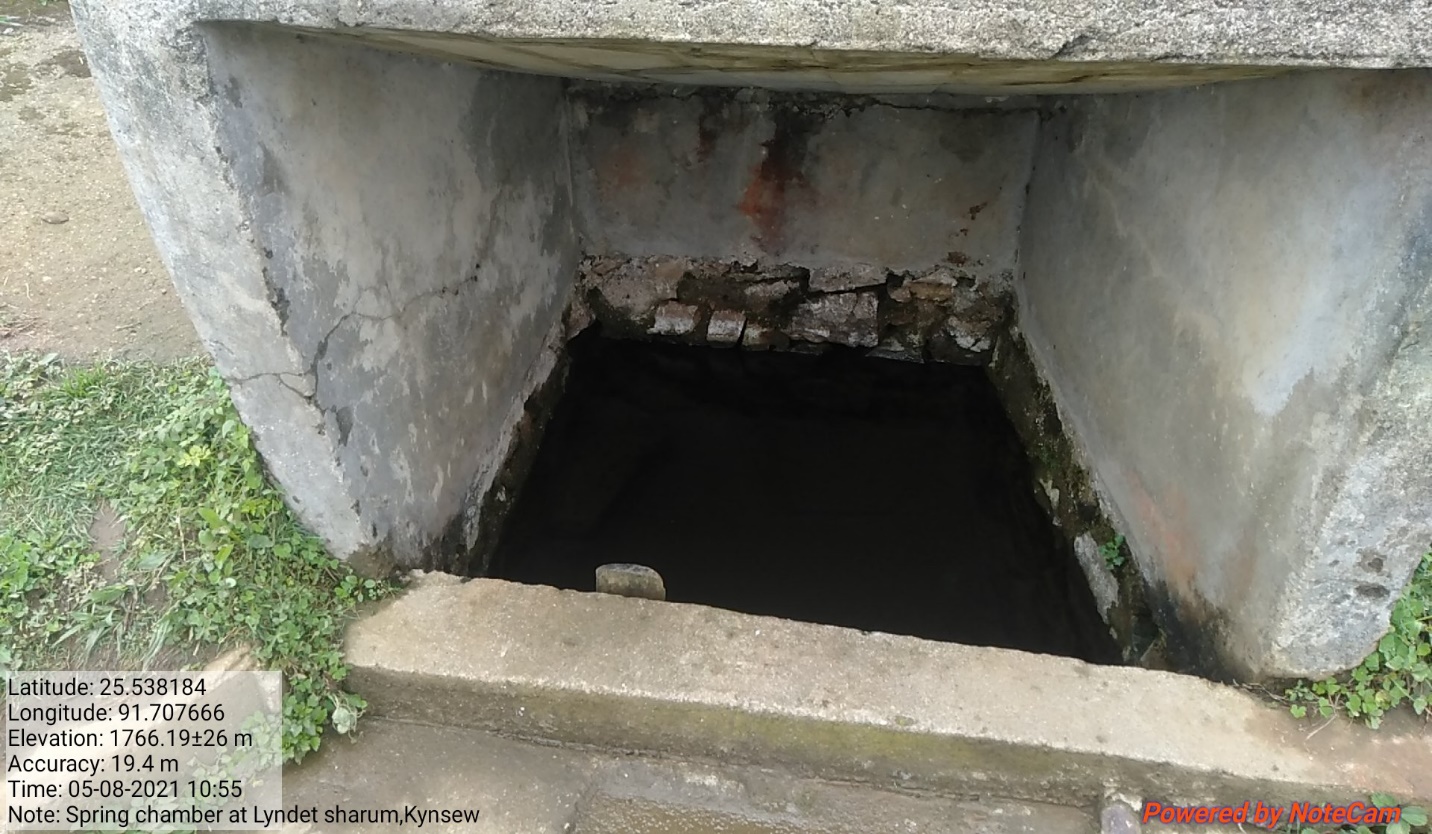
| 1 | Spring Chamber | Lyndet Kynsew | Private | 23 | 0 | 23 | |
| 2 | Spring Chamber | Wahsohshan | Private | 7 | 0 | 7 | |
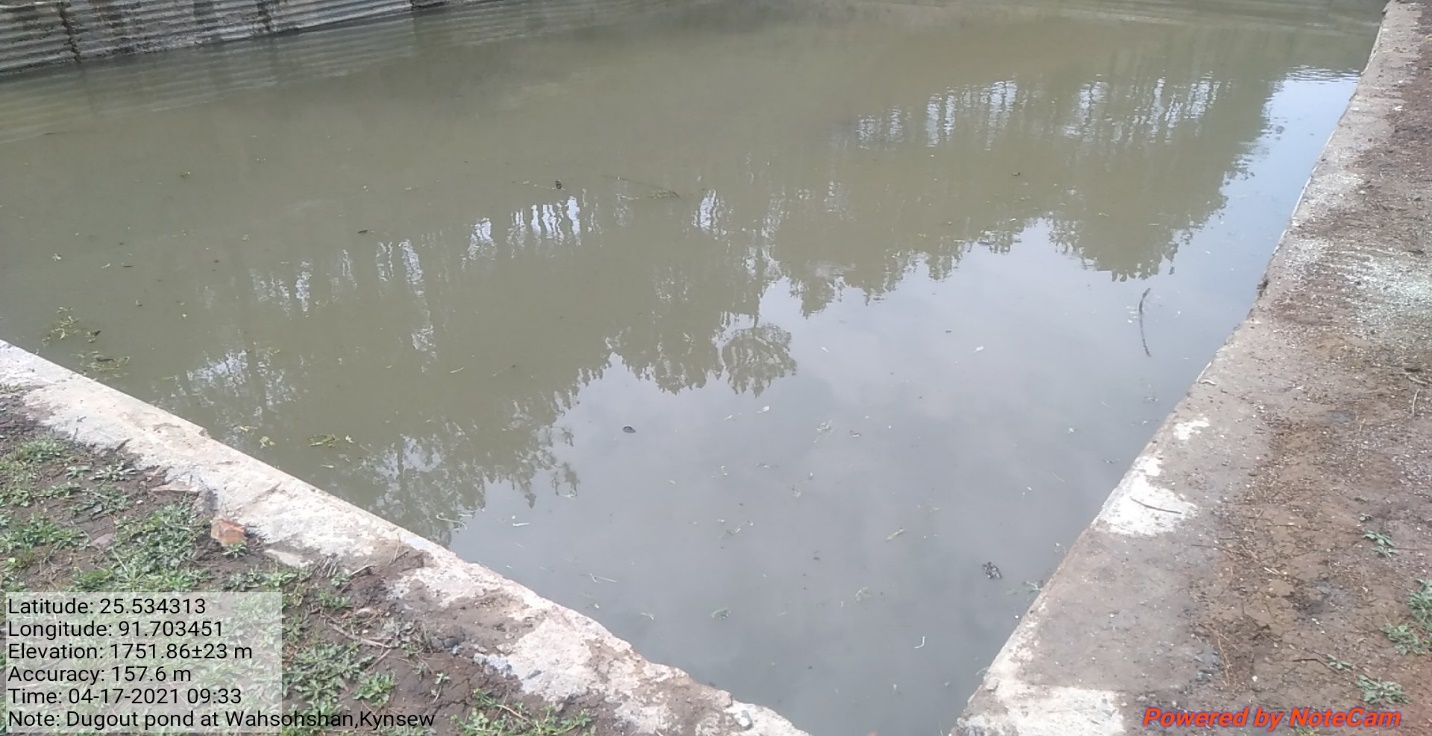
| 3 | Dug Out Pond | Wahsohshan | Private | 14 | 1 | 15 | |
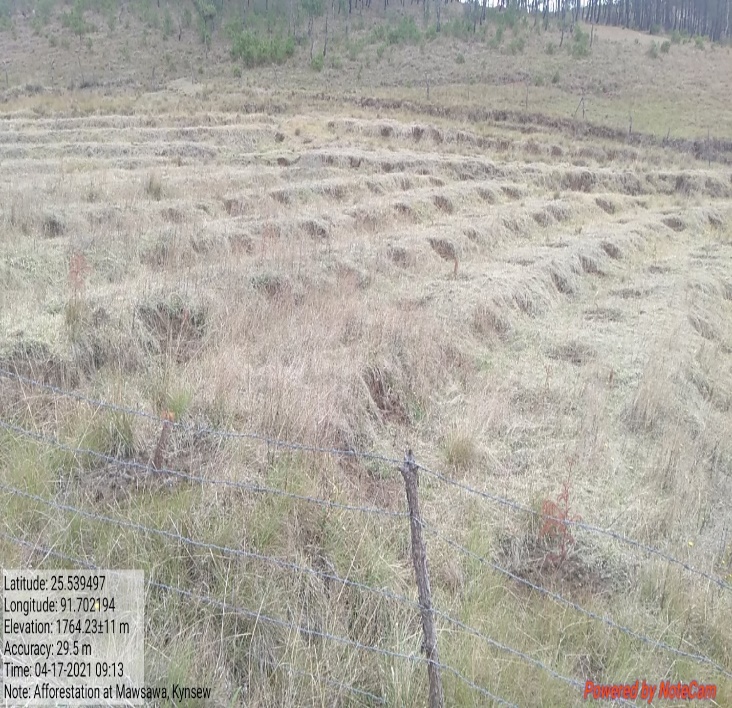
| 4 | Afforestation | Mawsawa | Private | 20 | 0 | 20 | |
| 5 | Farm Pond | Lyndet Kynsew | Private | 39 | 0 | 39 | |
7. GIS Activities
| Sl. No. | Parameters | Village Information |
|---|---|---|
| 1 | GPS Coordinates: | |
| i | Latitude | |
| ii | Longitude | |
| iii | Elevation Reading (MSL) | |
| 2 | Village Geographical Area (Ha) | |
| i | Total Forest Area (including community, Clan, Pvt Forest) | |
| ii | Total Area of Water Bodies | |
| iii | Total Area under Agri-Horticulture | |
| iv | Total Degraded land area (Ha) | |
| 3 | Average Annual Rainfall | |
| 4 | Soil Type | |
7. Project Implementation
| 1. | Type Of Intervention | Site Name | GPS Co-ordinates | Amount Sanctioned | Work Status | |
|---|---|---|---|---|---|---|
| Spring Chamber | Lyndet Kynsew | 118000 | Completed | |||
| 2. | Type Of Intervention | Site Name | GPS Co-ordinates | Amount Sanctioned | Work Status | |
|---|---|---|---|---|---|---|
| Spring Chamber | Wahsohshan | 81580 | Completed | |||
| 3. | Type Of Intervention | Site Name | GPS Co-ordinates | Amount Sanctioned | Work Status | |
|---|---|---|---|---|---|---|
| Dug Out Pond | Wahsohshan | 224800 | Completed | |||
| 4. | Type Of Intervention | Site Name | GPS Co-ordinates | Amount Sanctioned | Work Status | |
|---|---|---|---|---|---|---|
| Afforestation | Mawsawa | 116500 | Completed | |||
| 5. | Type Of Intervention | Site Name | GPS Co-ordinates | Amount Sanctioned | Work Status | |
|---|---|---|---|---|---|---|
| Farm Pond | Lyndet Kynsew | 315000 | Completed | |||
8. Fund Status
| Fund Released to VNRMC (Project Implementation) | Total No. of Work Order Issued | Total amount Issued under CLLMP (Per Activity) | Total Amount Spent | Start Date | End Date |
|---|---|---|---|---|---|
| 5 | Spring Chamber (118000/-) | 117684/- | 01-July-2020 | 05-Aug-2020 | |
| Spring Chamber (81580/-) | 71751/- | 15-Sept-2020 | 01-Oct-2020 | ||
| Farm Pond (315000/-) | 215819/- | 01-July-2020 | 23-July-2020 | ||
| Dug Out Pond (224800/-) | 225181/- | 15-Sept-2020 | 01-Oct-2020 | ||
| Afforestation (116500/-) | 89662/- | 01-July-2020 | 05-Aug-2020 | ||
| TOTAL AMOUNT SPENT | 720097/- | ||||