The Government of Meghalaya with financial help from the World Bank is implementing the Meghalaya Community Led Landscape Management Project (MCLLMP). The project will cover the entire state of Meghalaya and implementation of community led plans will be rolled out in phase manner throughout the state. The Meghalaya Basin Management Agency (MBMA) will facilitate community-led planning by providing support, technical inputs and funding.
The project is intended to strengthen community-led natural resources management in selected landscapes within the 11 districts of the state. This would be achieved through a variety of planning, capacity building, and on-the-ground interventions to promote the conservation, sustainable use of natural resources, social inclusion and community mobilisation; building traditional knowledge and learning, mapping of natural resources management; strengthening the community institutions and creating linkage with financial institutions and community organizations.
The project interventions include preparation of community led natural resource management plans. The CLLMP has the following three components:
Strengthening Knowledge and Capacity of Communities for Natural Resources Management
Community-Led Landscape Planning and Implementation
Project Management and Governance
The project objective is “to manage and conserve the natural resources, especially forests, soil and water sources, in a manner that supports the financial and physical well-being of communities in the State.
The CLLM-Programme focuses on increasing the capacities of communities and traditional institutions (TI) by adopting a landscape approach to manage their natural resources such as soil, springs and other water sources, forests and bio-diversity, etc.
The project will be planned and implemented in about 400 villages across the state.
CLLMP has a strong focus on institution-building at the village-level, by ensuring systematic capacity-building on technical and social skill-sets.
The project will also extend such training to communities beyond the targeted villages and support efforts made by them to access funding from various rural and natural resources initiatives and schemes.
The programme will also invest in improving the process and outcome delivery, by developing and adhering to effective systems and procedures, supported by the appropriate technology.
Benefits for community (Skills and Capacity relating to technical and managerial areas like NRM and Conflict resolution
Benefits to traditional institutions (village councils, traditional leaders, community-based organizations, SHGs etc) through Knowledge sharing, promotion of innovative approach, access to technology, technical managerial and financial support.
It is estimated that the project will impact around 1 lakh partners (of which 50% are women) who depend on land, forest, agro forestry.
Through the project, 55000 Ha of targeted area will be ensured with availability of water, biological resources and soil productivity, which will in turn benefit around 400 villages and the outcomes delivery can be summarized as follows.
The Project is executed by the MBMA in collaboration with other partners particularly, SIRD (for training and capacity building), Department of Soil and Water Conservation, Water Resource Department, Forest Department, specifically with respect to technical inputs, safeguards management and Community NRM plan preparation
2018-2023 (5 years)
Introduction
Quinine Village falls under Umling C&RD
block of Ri-Bhoi district in the state of Meghalaya. The village is
at a distance of 3 Kms from Nongpoh, the district headquarters of Ri
Bhoi District and is at a total distance of 42 Kms from the state
capital, Shillong. It falls under Raid Nongkharai with a total
geographical area of 103.43 ha and a total population of 700
villagers.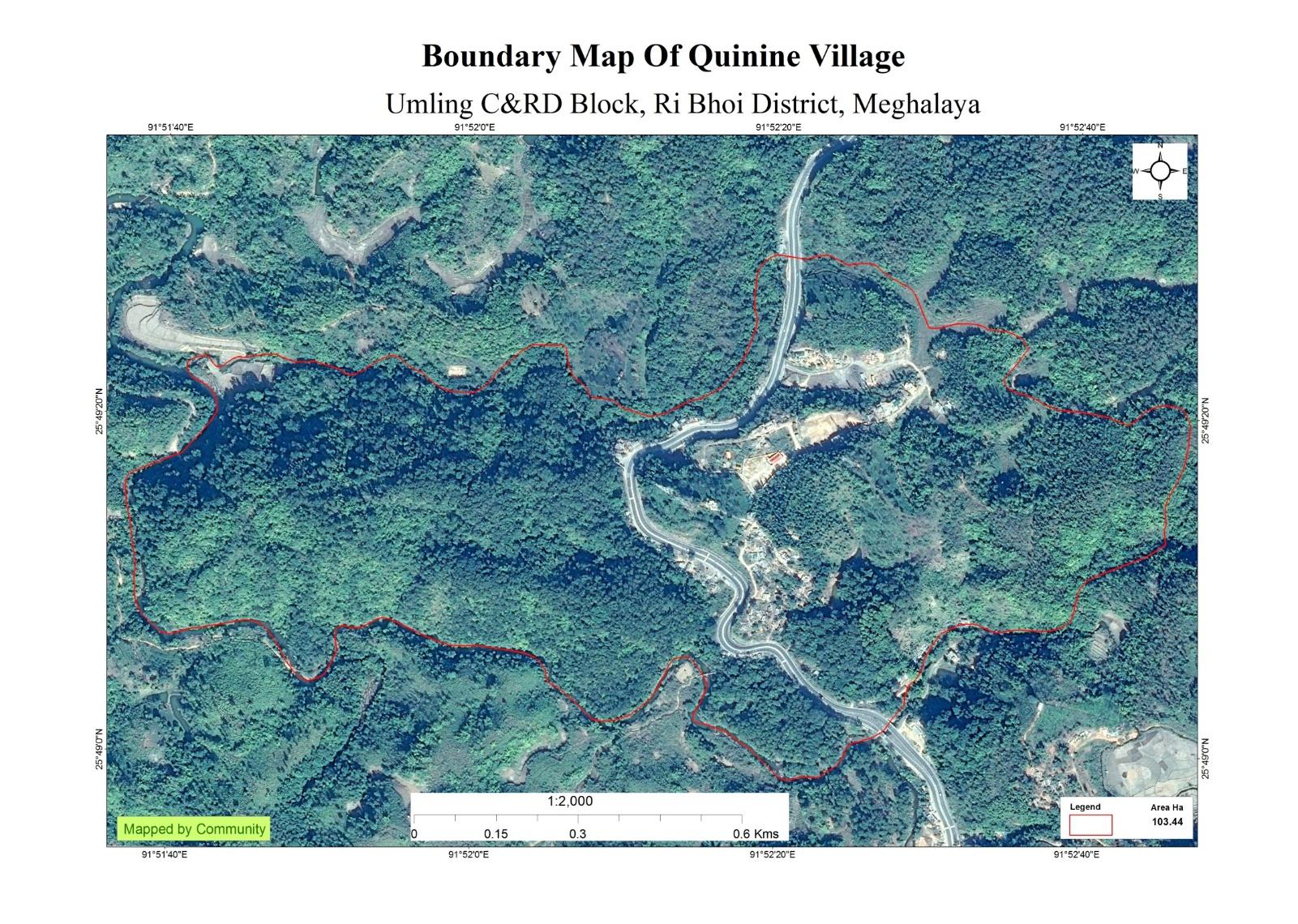
Quinine Nongladew village is situated at Umling C&RD Block of Ri-Bhoi District Meghalaya. It was recognized in the 1970s by the Lyngdohs of Raid Umsaw-Nongkharai and is located in the western part of the district. It is one of the villages located on the side of the National Highway and is still a small village compared to others. It is quite a beautiful village that enchants the neighbouring villagers and visitors with the natural beauty of the village. In the village there are Tea-leaves plantations, pineapple fields and also forests like Silvi Culture Range Office Forest and the Territorial Beat Office and these forests help enhance the beauty of this village.
This village is called Quinine due to the presence of a tree species “Quinine” which can be used to make medicine for Malaria which spread to this area when the Foreigners came to this village a long time back. And Nongladew came up because of the good growth of “Ladew” or banana trees which grow on the edges of this village and till date the village is known as “Quinine Nongladew.”
Around the year 1945 that people first started to inhabit this village and some of the first inhabitants were, C.Sunar, P.Sunar, S.Sawkmie, J.Basaiawmoit, H.Syiemlieh and D.Wahlang. Since that time this area was under the governance of Raid NongkharaiSordarshipNongpoh. The village has grown considerably since then as more people poured in to reside in this village and in the year 1967 Shri. W.Syngkli was elected as the first headman of this village. The village has two religions which are Catholic which came to the village in the year 1986 and Presbyterians which came to this village in the year 2000. The village has a school which teaches from Primary-Secondary classes and this school is named Rev. MeshakKharkongor Memorial Secondary School where students from the village and from outside the village also come to educate themselves.
This village is surrounded by three rivers, Umnget River, Umran River and Umsaw River. The villagers of Quinine are economically lacking and some of the villagers are daily wage labourers. The villagers are mostly farmers and they also rear pigs, cattle and poultry. Every year the village gets together and organizes gatherings as a village to celebrate festivals like Christmas, New Year and other festivals.
Till the year 2020 the number of households in the village was 147 with a population of 750. Quinine has also received many developmental projects for Water supply, electricity, community hall, anganwadi, public distribution system (PDS), roads development (BRGF). It has also received schemes like MGNREGS, JAY/PMAY and CLLMP Projects. Even though it has received these projects there are a lot of areas in the village which still require attention, some of these areas are Watershed, PDS Centre, street lights, Post Office, Primary centre, a bigger community hall, Bank (ATM) and CHC/PHC.
Quinine is still a small village that is still lacking in many areas and the inhabitants hope that the government departments, leaders and other agencies will see to the needs of the village and help develop this village so that it can keep up with the advancement of time.
Social Profile
The total number of households is 147 and has a population of 592 people. Agriculture and its allied activities are highly in vogue, where some few others are also enrolled in government and teaching jobs and some few inhabitants are engaged in local businesses.
Village Accessibility: In order to reach Quinine Nongladew Village one must go through National highway from Shillong to Nongpoh, it is located 42 Km away from Shillong. It is located right beside the National highway.
Literacy: As per the 2011 census, the village literacy rate has touched to the tune of 71%. In Quinine Nongladew Male literacy stands at 72% while Female literacy rate is 69%.
Presently the village is run, managed and guided by its active Durbar as the highest authority in the village which is alternatively composed of the Seng Kynthei, (Women Wing) Seng Samla and (Youth Wing) all collectively aiming for the overall good and growth of the village. Other committees such as Village Employment Council (VEC), Self Help Group (SHG) and Village organisation (VO)are constantly active and vigil as well, working in due co-operation between themselves for a brighter tomorrow for the village.
Population 
As per Census 2011, Quinine Nongladew population is 408 and in 2020 the total population of Quinine Nongladew has been increased to 750. Out of this, 380 are males while the females count is 370. This village has 42 children in the age group of 0-4 years, among them 22 are boys and 20 are girls.
| Age Group | Male | Female | Total |
|---|---|---|---|
| 0-4 | 22 | 20 | 42 |
| 5-14 | 70 | 50 | 120 |
| 15-30 | 110 | 100 | 210 |
| 30-60 | 143 | 170 | 313 |
| Above 60 | 35 | 30 | 65 |
BPL/APL Household:
| Particulars | No. of HH |
|---|---|
| BPL HH | 80 |
| APL HH | 67 |
Card Holding Household:
| Particulars | No. of HH |
|---|---|
| Total HH | 147 |
| Ration Card HH | 147 |
| AAY | 10 |
| NON-NFSA | 26 |
| PHH | 69 |
| Health Card HH | 132 |
Fuel Type:
| Fuel Type | Total HH |
|---|---|
| Charcoal | 0 |
| Biomass | 0 |
| Wood | 97 |
| LPG | 50 |
| Electric Heater | 80 |
| Kerosene | 0 |
OCCUPATION: The people of the village rely on
agriculture and forest products for their livelihood. The main
occupation of the villagers is farming followed by self employed,
Govt. Teacher and Govt. Servants.

CLLMP ACTIVITIES
Ground Truthing Dated: 8th of June 2019
The CLLMP team met with Mr. Bhastar Lyngdoh, headman of Quinine village on the 8th of June 2019. He provided the team with important information regarding the current scenario of the landscape and the natural resource management under his chairmanship.
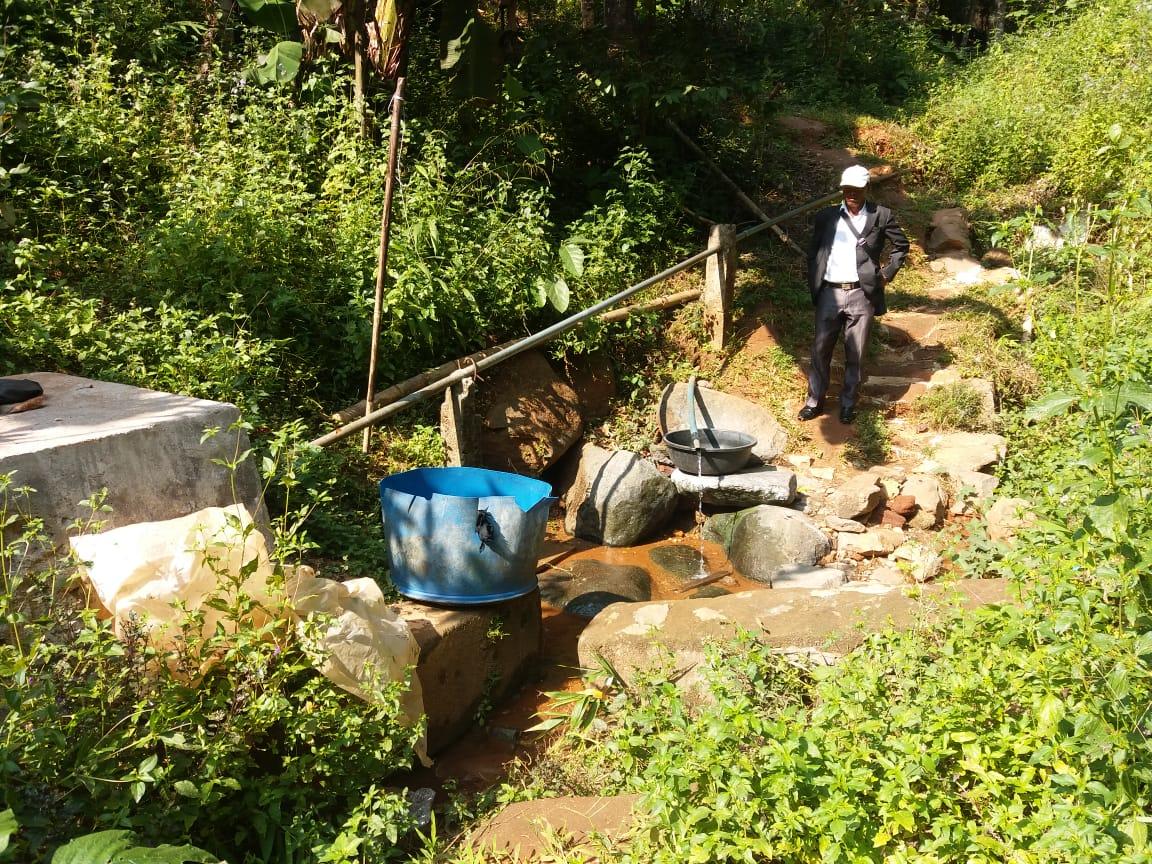
Figure : Ground-truthing at Quinine Nongladew Village.
Case Findings:
1. There are a total of 147 HH out of which 80HH fall under the BPL category.
2. Actively performing VEC
3. They have two main sources of water supply. (1 is from PHE and the other is from MGNREGA)
4. They have five rivers and seven springs
5. Around 5 acre of land is available for afforestation
6. They cultivate ginger and paddy and they also have tea plantations.
The Village has been selected under the Community Led Landscape Management Project.
2. Sensitization Programme Dated: 08.08.2019
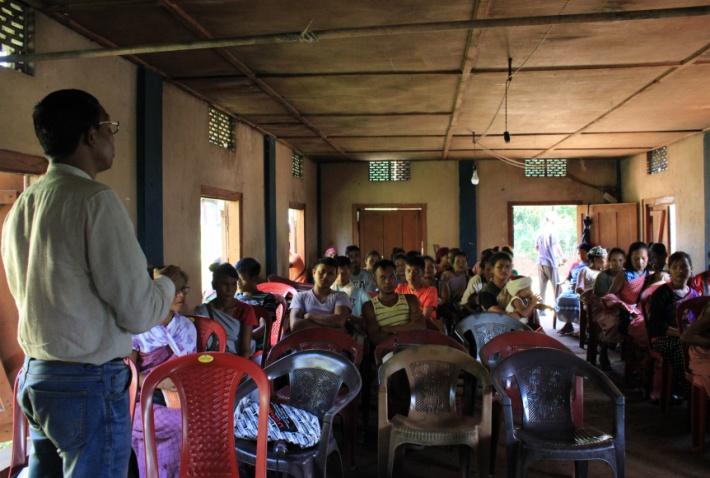
The District Project Manager and the Assistant Managers held a village Level sensitization Programme on the Community Led Landscape Management project on the 8th of August 2019.The villagers actively participated in the program, voicing out their concerns and questions regarding the project making it a huge success.
The CLLMP officials gave a brief introduction on Meghalaya Basin Management Agency (MBMA) and elucidated about the various programmes and projects that MBMA is working on, they then gave a detailed introduction on the Community led Landscape Management Project(CLLMP)and the different aspects and procedures that the villagers and the CLLMP team should carry out during the course of the project and the importance of the involvement of the community for the CLLM-Project to be a success. They gave due importance to the environmental aspects of the project and enlightened them on the various benefits that the villagers could obtain from the project.
Figure: Sensitization program at Quinine Nongladew Village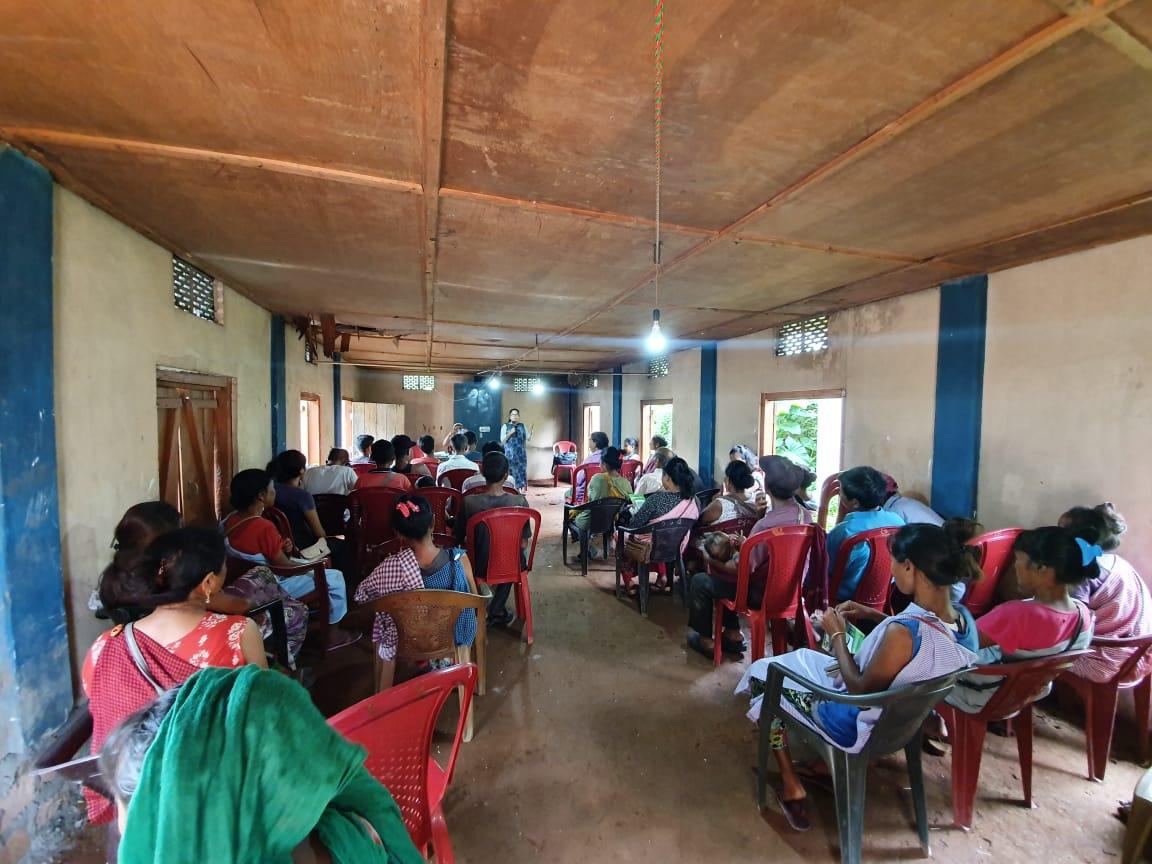
The Program was followed by an interactive session to answer the doubts and questions of the villagers.
2.2 Signing of Documents:After the
interactive session, the village signed the Expression of Interest
(EOI), the Village Grant Agreement(VGA) and the Citizen’s Green
charter on the same day.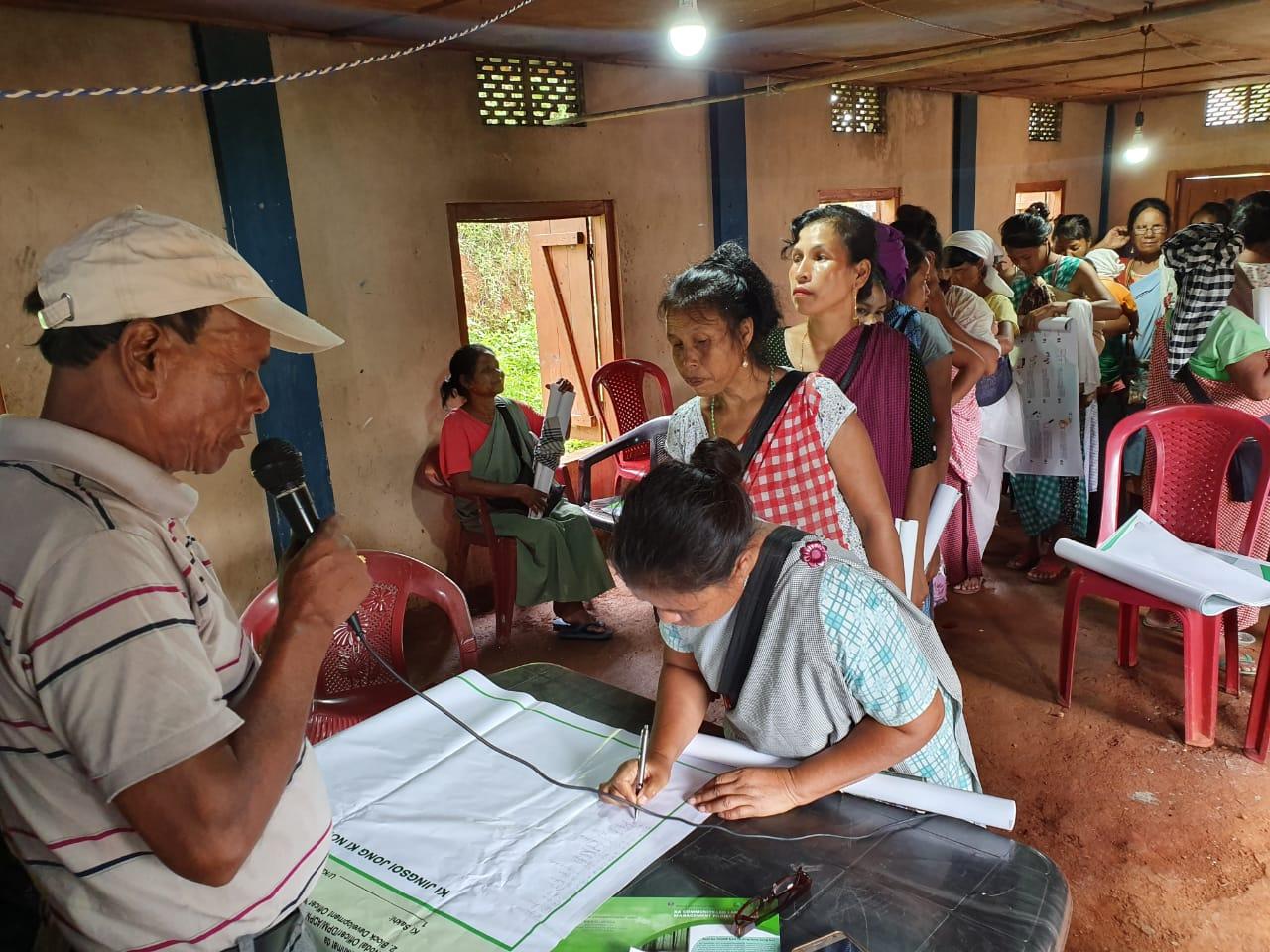
2.3 Formation of the VNRMC
The Formation of the Village Natural Resource Management Committee was done in a public meeting in the presence of the entire village and the CLLMP staffs. The community itself chose the President, the Secretary and the other executive members of the Committee.
Listed below are the members of the VNRMC:
|
|||||||||
|---|---|---|---|---|---|---|---|---|---|
|
Name in Full | Designation | Gender M/F | Age (Yrs) | Education | Occupation | Community | Religion and Denomination | Contact No and email address |
|
Bhastar Lyngdoh | Chairman | M | 60 | IX | Business | Khasi | Christian | 8837447757 |
|
Pretty Mary Syiemlieh | Secretary | F | 47 | BA | Teacher | Khasi | Christian | 9383332321 |
|
Julita Matlang | Bookkeeper | F | 30 | XII | M/R in Forest Dept | Khasi | Christian | 9615976947 |
|
Balingson Pyngrope | Member | M | 30 | VIII | Farmer | Khasi | Christian | 8131913276 |
|
Markus Nongrum | Member | M | 47 | V | Farmer | Khasi | Christian | 8974563317 |
|
Spor Sawkmie | Member | M | 45 | V | Farmer | Khasi | Christian | 9612108364 |
|
Peter Marwein | Member | M | 40 | V | Farmer | Khasi | Christian | 8132000657 |
|
Beatrice Nongsiej | Member | F | 50 | VIII | M/R in PHE | Khasi | Christian | 8974583639 |
|
Shinda Matlang | Member | F | 54 | II | Farmer | Khasi | Christian | 8132889997 |
| Village Community Facilitators | ||||||
|---|---|---|---|---|---|---|
| Sl.No. | Name | Gender | Age | Education | Contact Number | Role |
| 1 | Olivia Hynniewta | Female | 20 | BA | 9366272414 | Social Management & KM |
| 2 | Sylvanus Nongsiej | Male | 20 | X |
9863018406 |
Project Management M&E |
| 3 | Nisha Lyngdoh | Female | 25 | XII | 8119005708 | Environmental Management & GIS |
| Purchase Committee | |||||
|---|---|---|---|---|---|
| Sl.No. | Name | Gender | Age | Education | Contact Number |
| 1 | Pdengsngi Mary Syiemlieh | F | 45 | III | NA |
| 2 | Peter Marwein | M | 40 | v | 8132000657 |
| 3 | Drensius Mukhim | M | 46 | IV | 8730856256 |
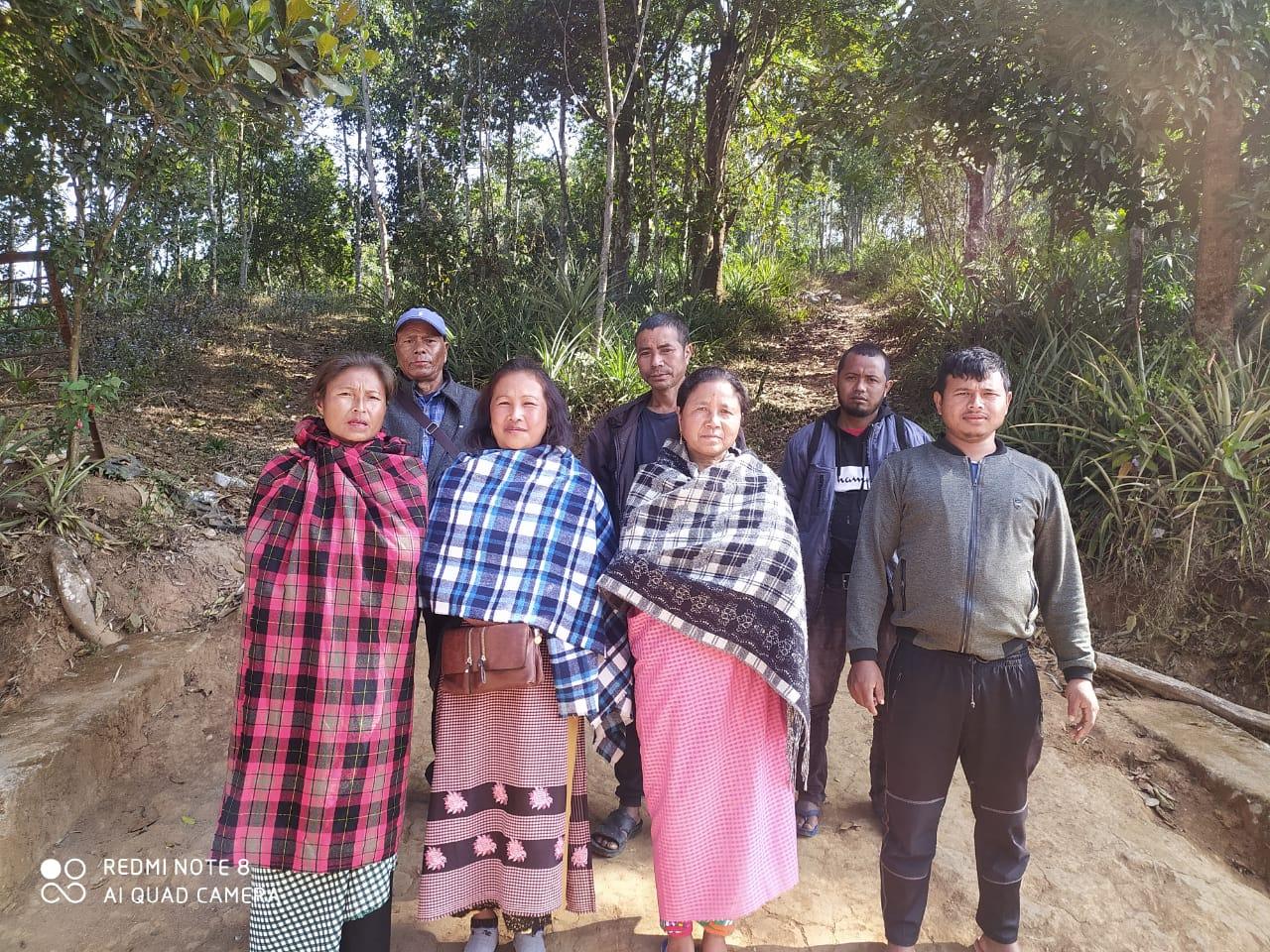
Figure: Members of the VNRMC Quinine Nongladew Village
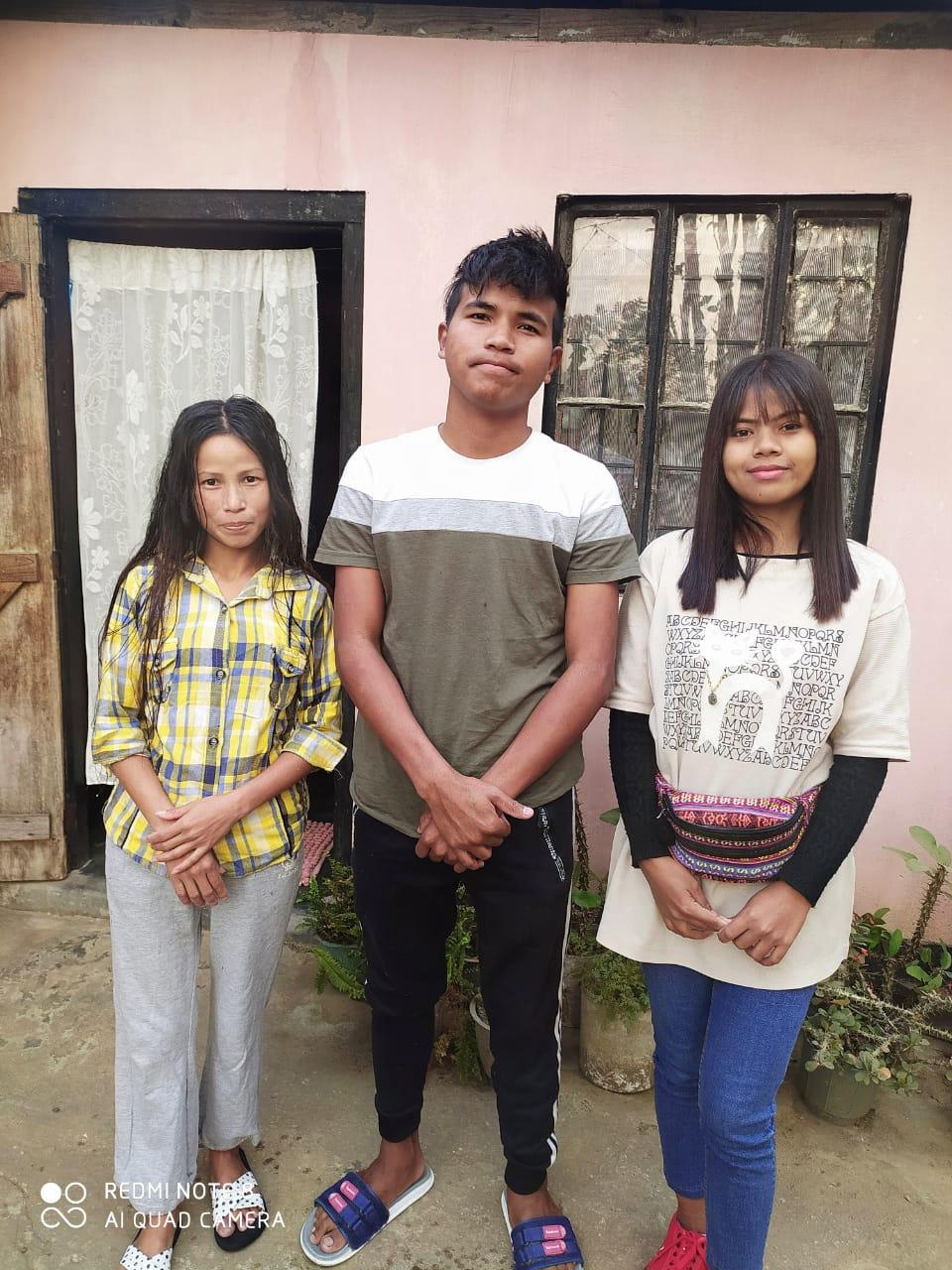
Figure: The Village Community Facilitators (VCF) of Quinine Nongladew Village
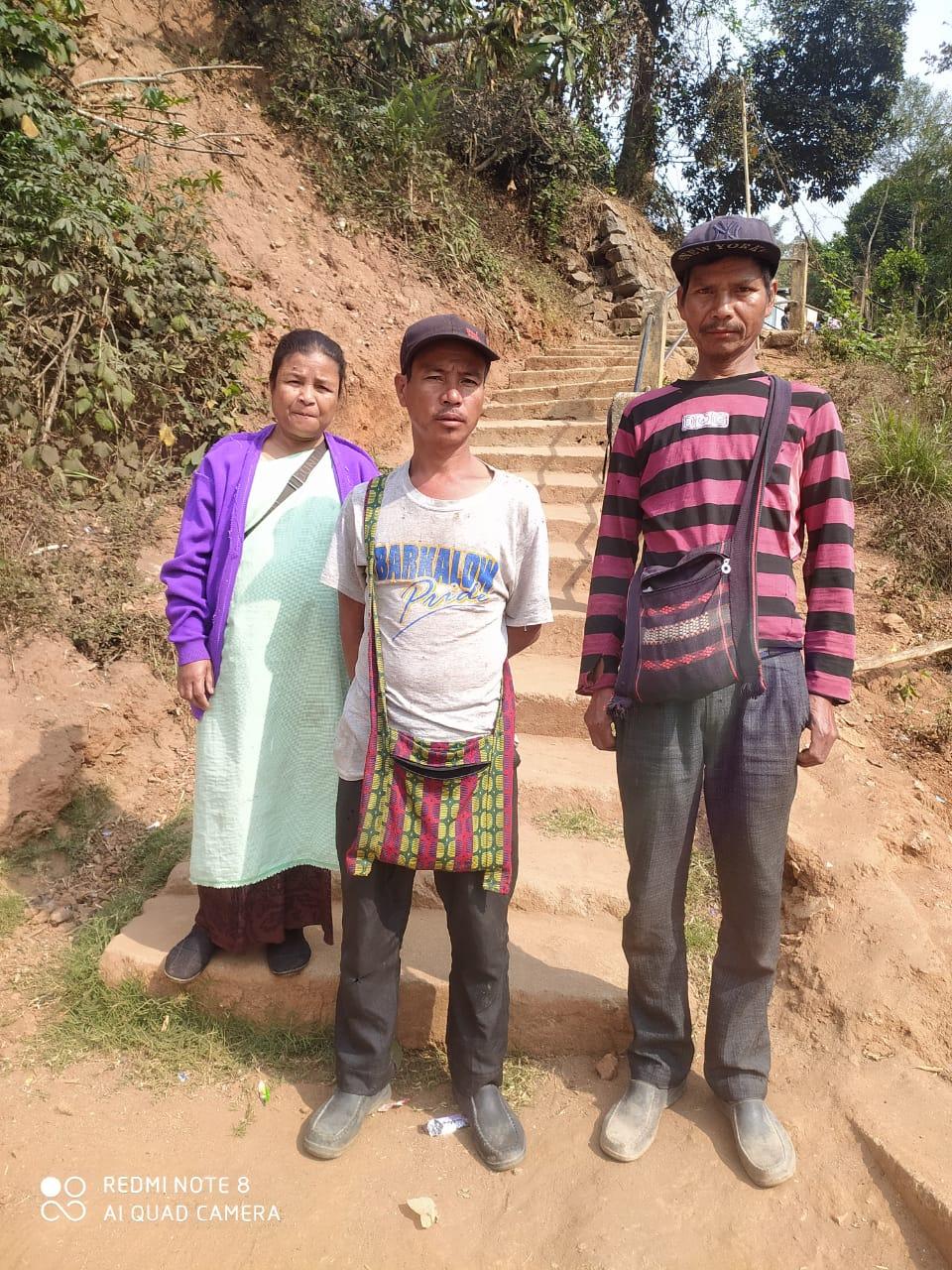
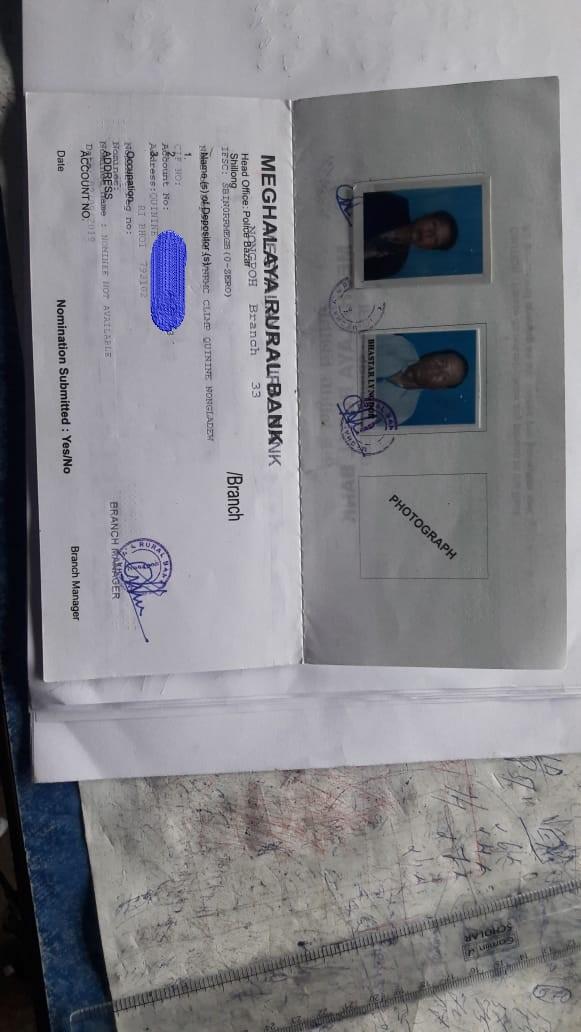
Figure: the Procurement committee of Quinine Nongladew Village
3. Opening of a Bank Account.
The opening of the bank account was initiated after the village signed the EOI (Expression of Interest), the VGA (Village Grant Agreement) and the Green Charter. The Accountant of the Ri Bhoi CLLMP team trained the Purchasing and Procurement Committee of Quinine Village on matters relating to Accounts and Bookkeeping on the 17th of December 2019. The VNRMC opened the bank account on the 2nd September, 2019.
.
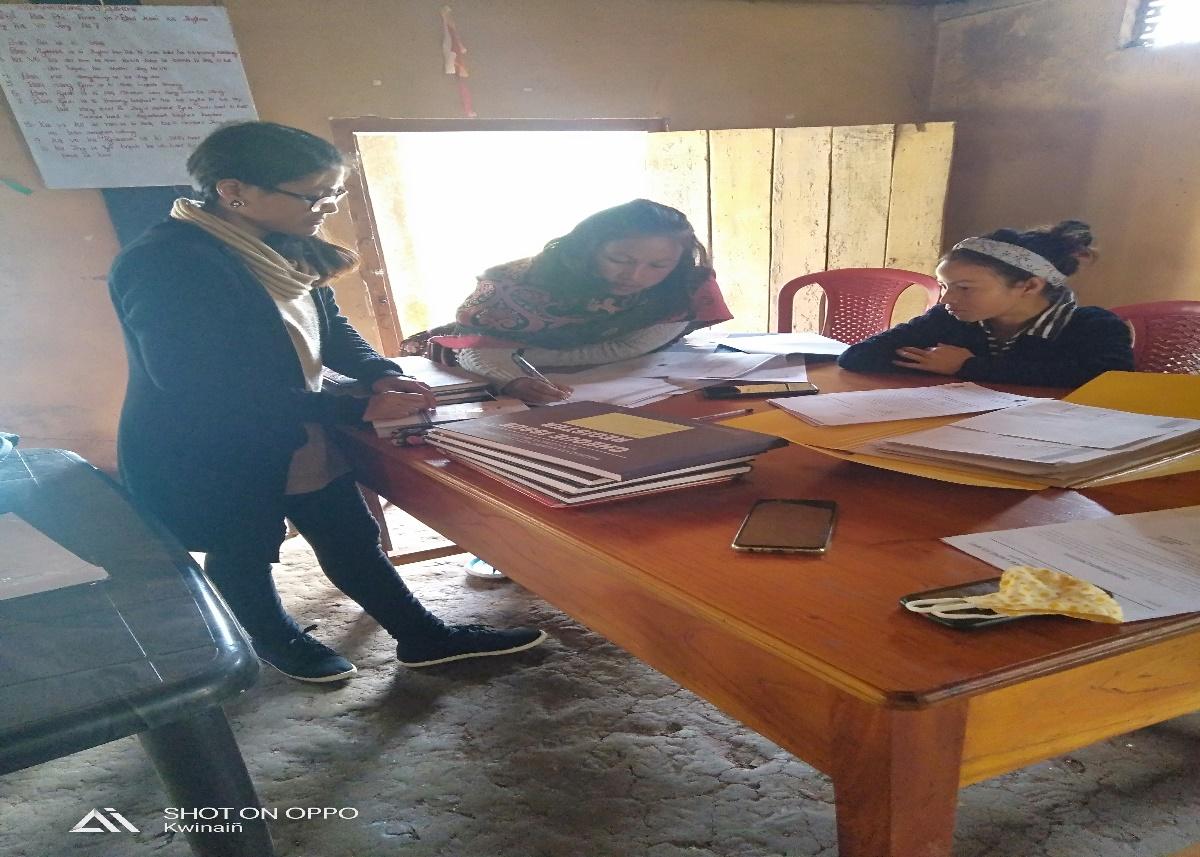
The EE Account of CLLMP Team Ri Bhoi District trained the Purchasing and Procurement Committee of Quinine Nongladew on the 12th December,2020
Figure 6 :Training provided to members of the purchasing committee
Topics Covered:
Principles of Community Procurement
Benefits of Community Procurement
Important aspects undertaken by Community Procurement.
Procurement Process/Steps
Function of Purchase Committee
Important Procurement records to be maintained
Financial limits and methods
Maintaining the books of accounts.
4. Participatory Rural Appraisal Exercise
19th September 2019
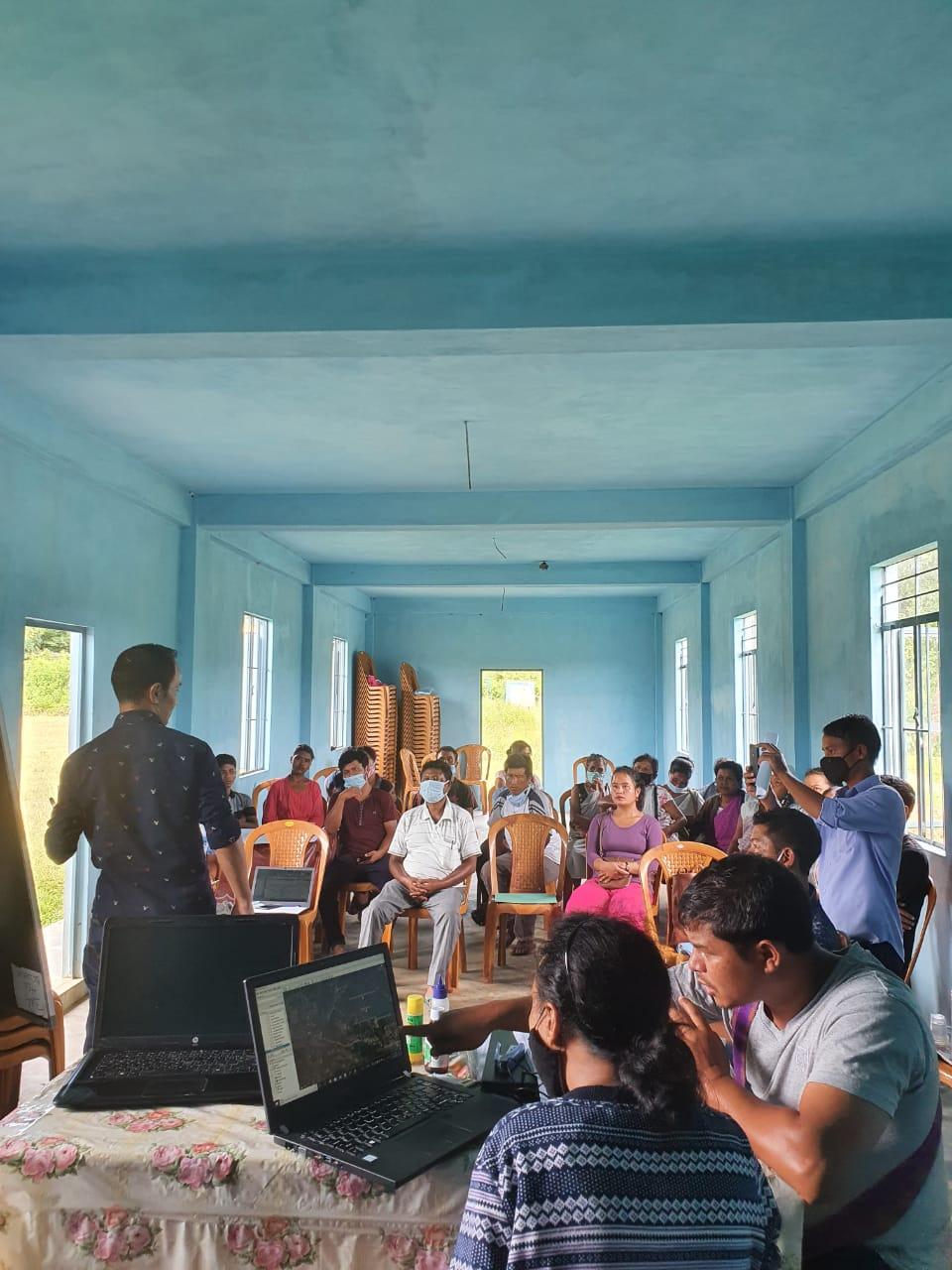
The PRA exercise aims to incorporate the knowledge and opinions of the community in the planning and management of development projects and programs. PRA exercise at Quinine Village took place on the 19th of September 2019. There were a total of 90 villagers who participated in this exercise
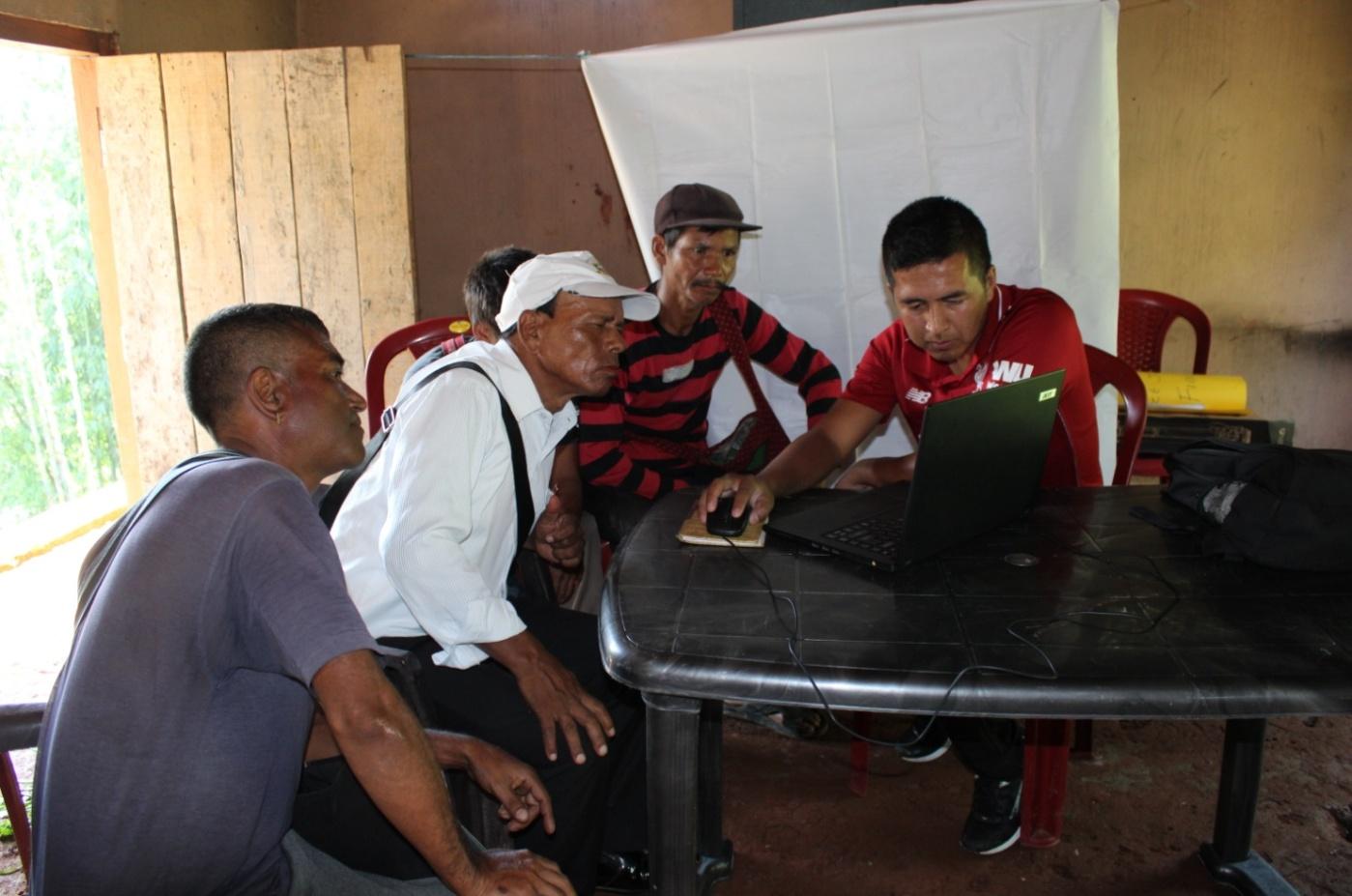
The initial stage of Participatory Rural Appraisal (PRA) exercise at Quinine Nongladew Village, commenced with a meeting cum orientation program on CLLMP. While conducting the meeting, the community members were made aware of the various PRA exercises to be conducted for the development of Community Natural Resource Management Plan (CNRMP) of the village, the community members contribution in the exercise and the objectives to be achieved. The key informants (the VNRMC and the VCFs) helped facilitate maximum participation. The dates and time for conducting the various Participatory Rural Appraisal (PRA) exercises were fixed in consultation with the community members and all were requested to participate in the exercise. The schedule and time was announced at the end of the meeting.
Participants on the 17.08.2020:
CLLMP officials: Shri. Jude Xalxo (DPD), Smt. Persara Thangkhiew(Manager-Social Management), Shri V. Buhphang (DPM) and the DPMU CLLMP Team
Community members: Shri. Bhastar Lyngdoh (Chairman), Smt. Pretty Mary Syiemlieh (Secretary) Smt. Julita Matlang (Book-Keeper)Shri.Balinson Pyngrope,Shri. Marcos Nongrum, Shri. Spor Sawkmie,Shri. Elvil Shabong, Smt. Beatrice Nongsiej, Smt. Shinda Matlang (VNRMC Members), Shri. Maitphang Sawkmie,Smt. Nisha Lyngdoh, Smt. Olivia Hynniewta (VCF) and other community members
Commencement of PRA.
Introduction: Participatory Rural Appraisal (PRA) is the process of involving local people in the analysis and interpretation of their own situation of a given rural area. The local people i.e. the participants take a leadership role in collecting, analyzing, interpreting and presenting information and in this process impart knowledge and development insight to the specialists and extension agents
For management of natural resources, participatory Rural Appraisal is conducted to establish rapport with the village community as well as to identify and define problems for prioritization in the village itself. It is a way of learning from and with community members to investigate their need assessment, analyze and evaluate constraints and opportunities and find out priorities in the area of agriculture, small scale rural enterprises and any other social and economic development programs addressed to village development. Based on the principle of listening and learning,
Objectives of PRA exercise at Quinine Nongladew Village:
The Participatory Rural Appraisal (PRA) exercise at Quinine Nongladew was conducted with following objectives:
To identify the natural, human and economic resources of a village.
To identify the village problems and prioritize them with the help of the community members.
To prepare the Community natural Resource Management Plan of the village.
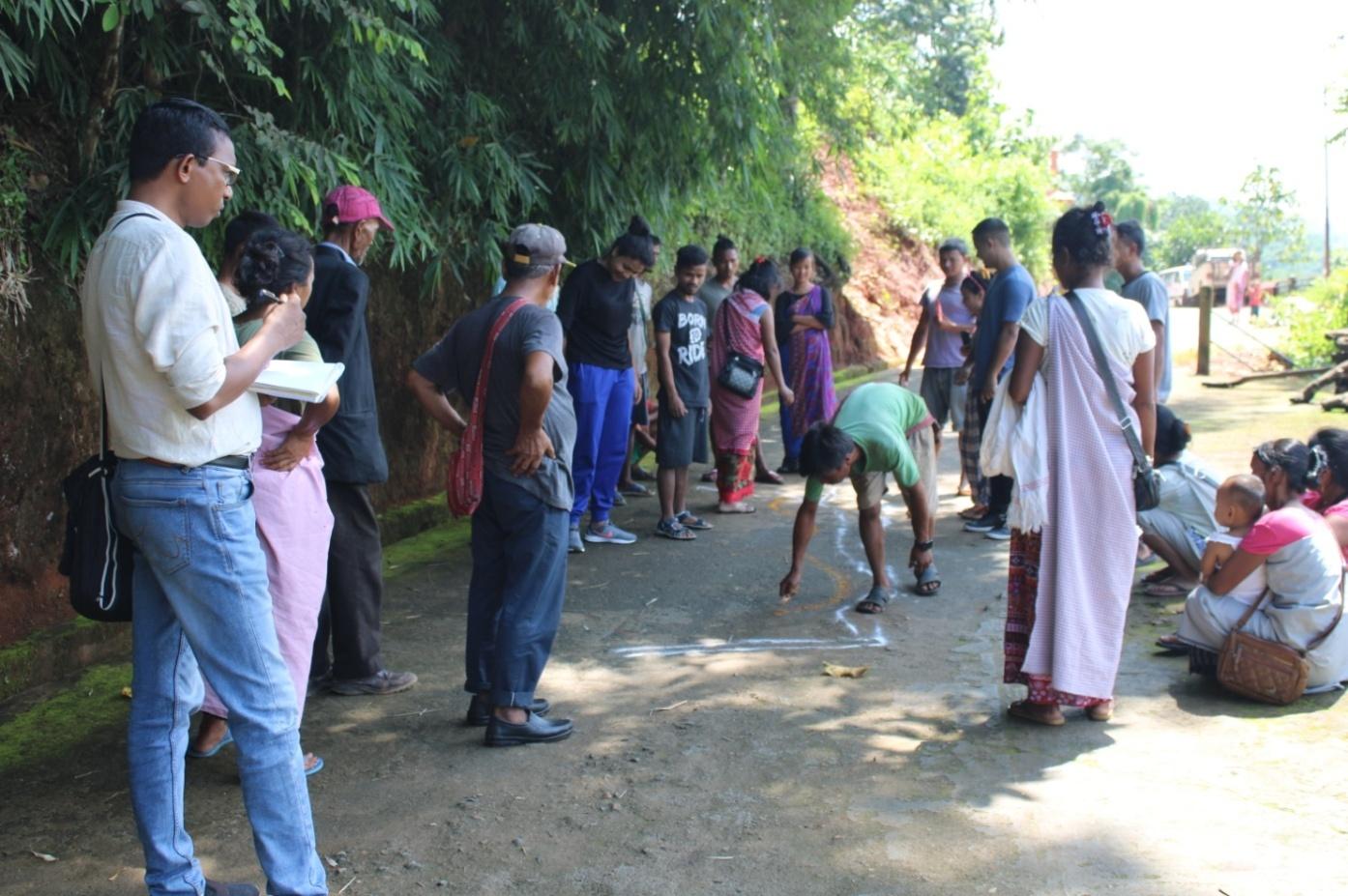
Activity 1: Village Boundary Mapping:
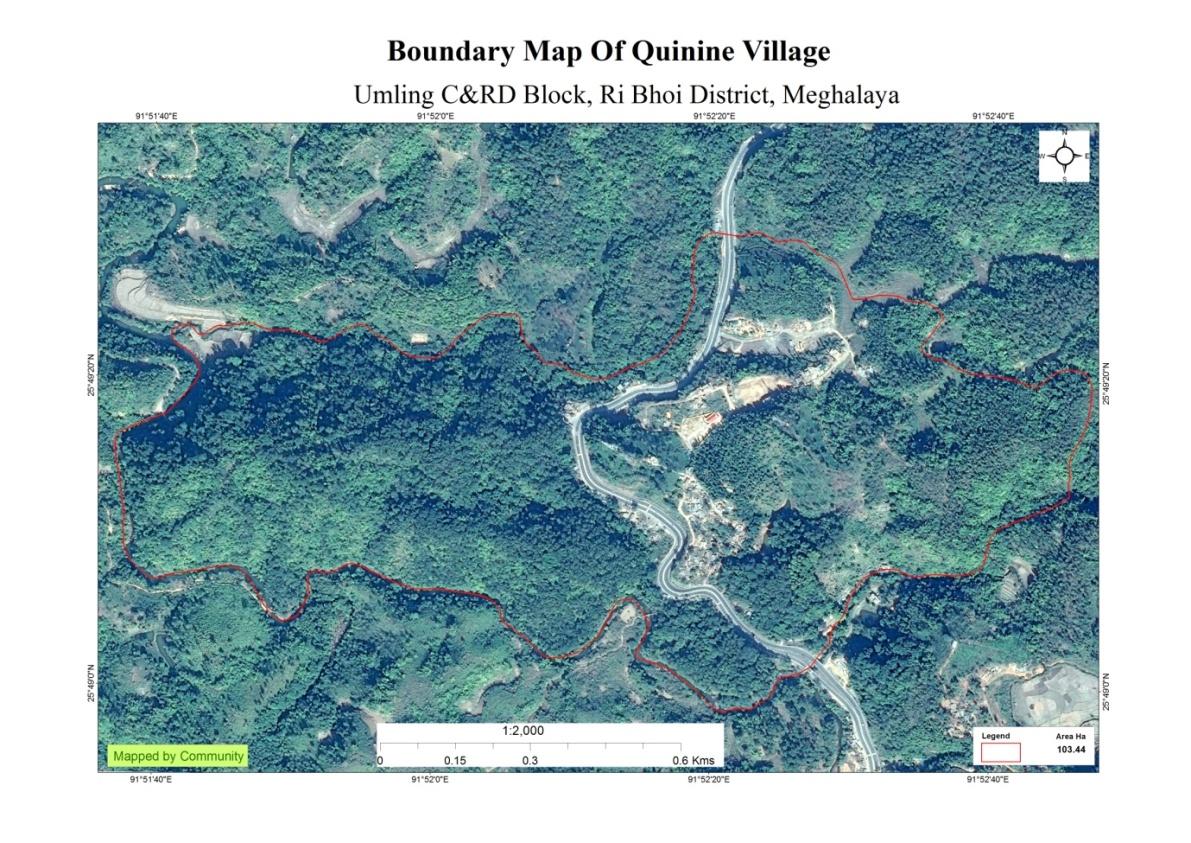
The GIS personnel along with, the headman of Quinine Village outlined the boundary of the Village on the 17th of August 2020.
Activity 2: Drawing the Resource Map
The second step is to involve the local community in preparation of a village resource map as perceived by the community members to solicit their participation. Infrastructure, services and other village resources such as agricultural lands, wells, wastelands, cattle population etc. were mapped. Local people prepared the Resource Map by drawing it on a chart paper without much interference from outsiders.
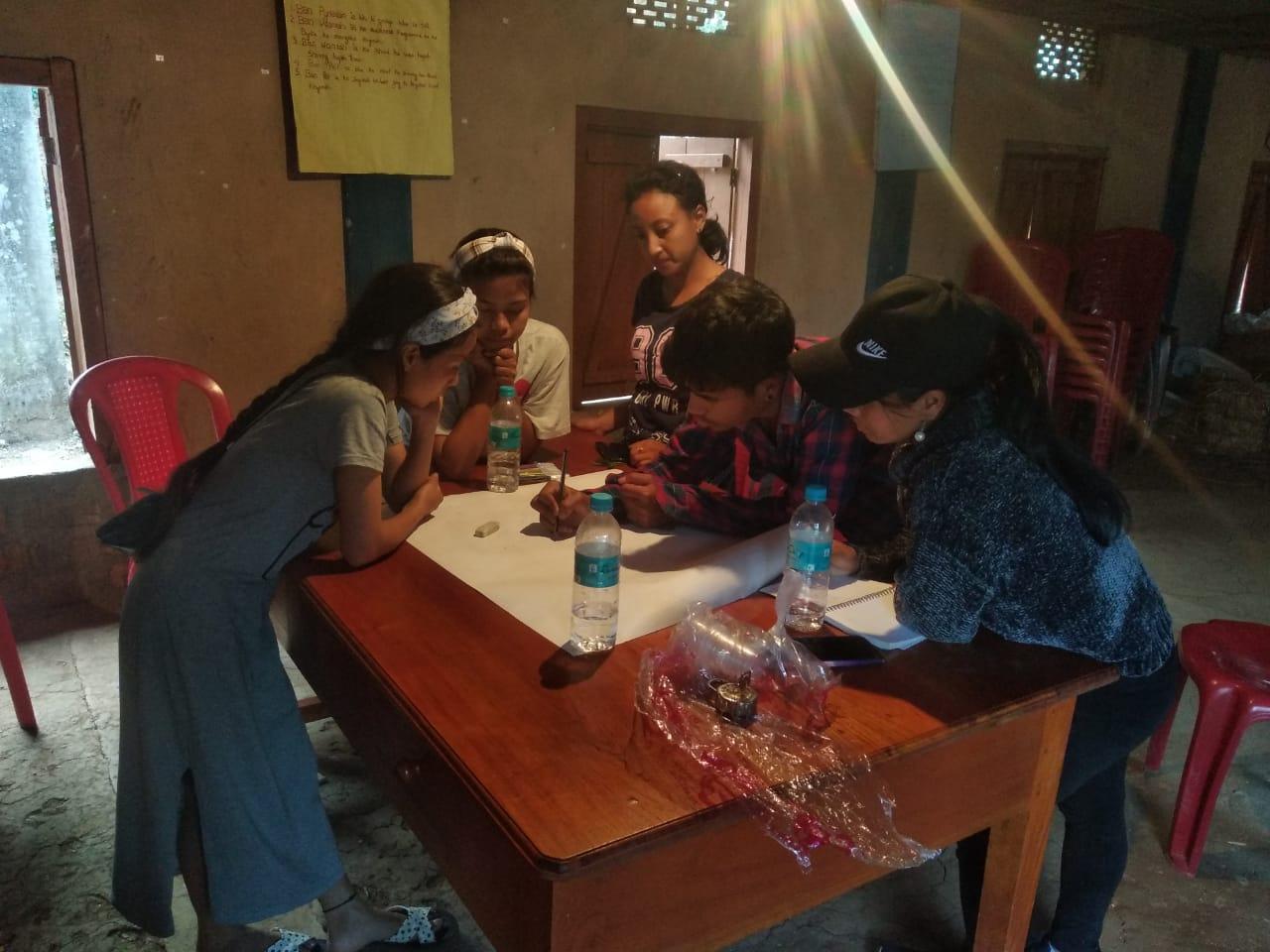
This activity achieved the following purposes:
Rapport building and winning the confidence of the villagers.
Analyzed the spatial information, particularly studied problems and opportunities of villagers.
Got an impression about the village setting, physical layout,
location of various houses and institutions.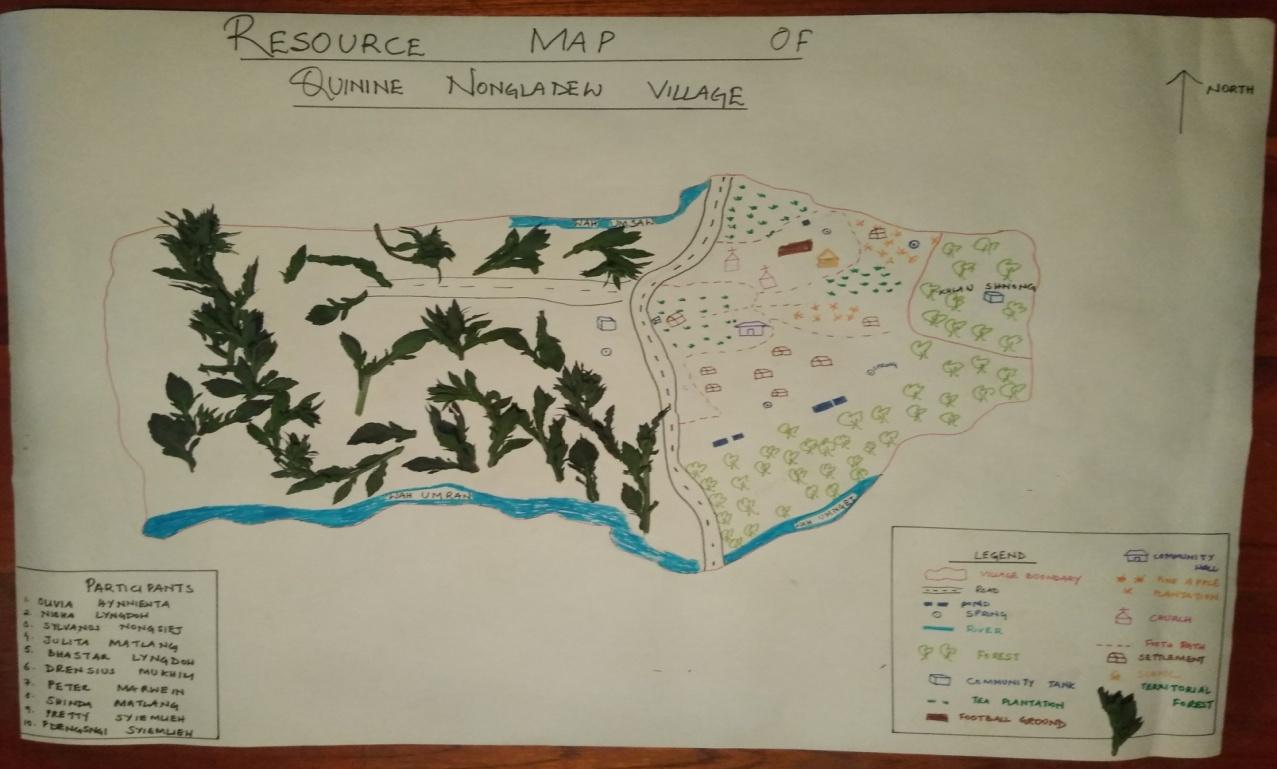
Fig: Resource Map of Quinine Nongladew Village
Findings Based on the Resource Map of Quinine Nongladew Village:
Main agriculture produce is Paddy, Ginger and Turmeric
There are 3 types of Forest ownership: Community, Private and Clan Owned.
1 community forest
5 private forest
1 clan forest
Three main rivers are present “Wah Umran, Wah Umnget and Wah Umsaw.
Three community tanks and five springs are available.
Three private dugout ponds for fisheries.
School: There is only one Upper and Lower primary school in the village.
Churches: There are two church in the village
Connectivity:Shillong to Guwahati national highway passing through the village.
They also have 3 private tea plantations and 2 pineapple plantations.
Present of 2 Government Forest “Territorial and Silviculture Forest.
Present of Culturable Wasteland.
Habitation is confined to the north-eastern part of the village.
Activity 3: Baseline Data Survey to fill the Environment and Social Template
Date:05.10.2020
During the PRA exercise, the EE of Social & Environmental Management and the community members were divided into groups to fill the Social and Environmental Templates. Discussions and consultations with social groups existing in the village were held to gather basic village information regarding households, demographic information, major crops and enterprises taken in the village, trends of production and productivity of major crops in the village and demographic distribution of village population.
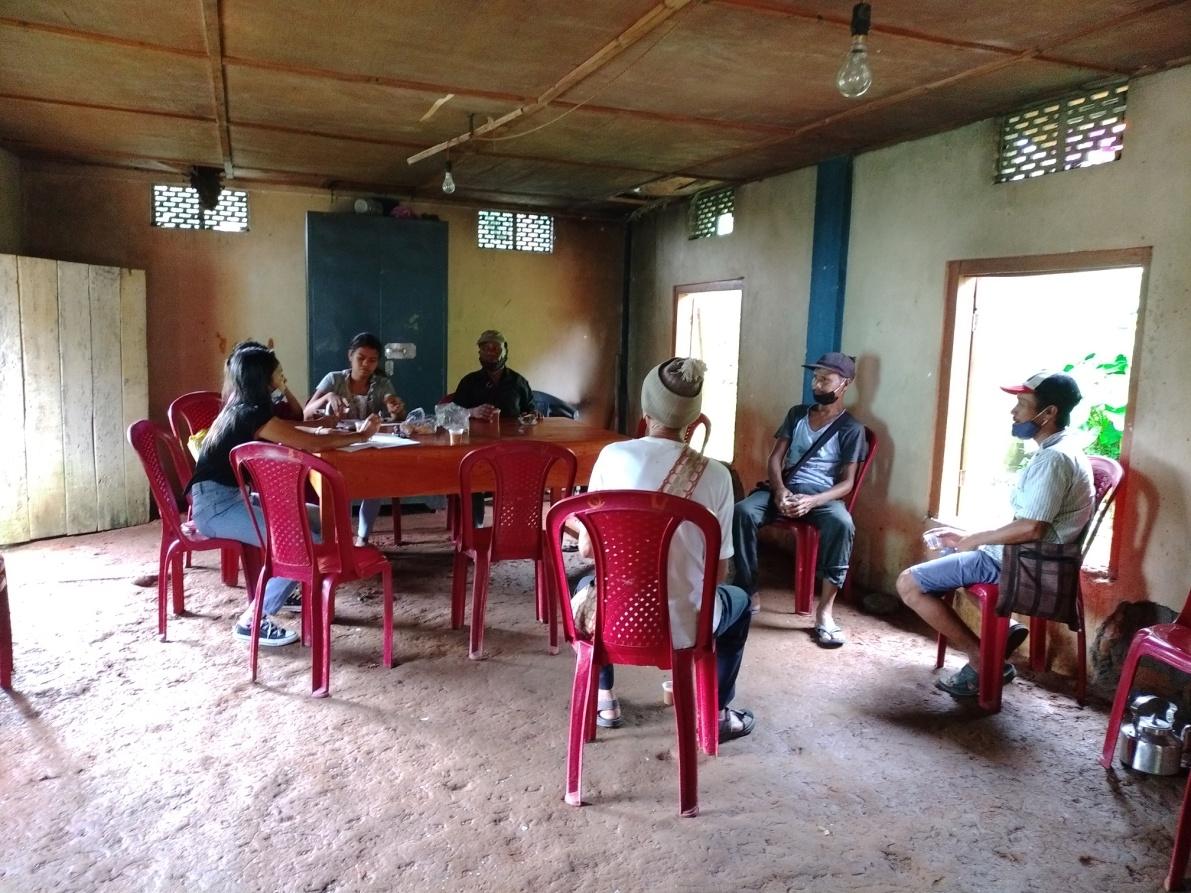
Continuation of PRA
Activity 5: PROBLEM ANALYSIS
Do people have sufficient access to supply of fodder, fuel wood, leaf litter?
Yes till dates they access sufficiently to fodder.
People in the village get fuel wood from community forest and from their own private lands/forest but fuel wood has been reduced as compared to years before.
Has access to timber improved or reduced over the years? How is access for household use and commercial use managed?
Access to Timber has reduced over the years. They have to purchase from outside when needed.
Are the water bodies facing any threats?
Yes, three springs (KongSilor Umpohliew, Bah Khring Umpohliew and Plai Umpohliew) due to Siltation, over extraction and Deforestation.
Yes, two Rivers (Umsaw and Umnget) due to domestic waste and one river (Umran) due to domestic waste and siltation.
Do all people in the village have access to drinking water? What are the challenges?
No, Insufficient availability of drinking water due to lack of water supply from the spring sources.
The Village is divided into 7 hamlets, Umnget, Lad Mawlong, Ir Moina, Mission, Lumjingshai, Wahshken and Lad Umtasor. Out of these 7 hamlets, 3 hamlets (Lad Mawlong, Ir Moina and Mission) are facing problems in access to dringking water due to insufficient water supply.
Are there degraded areas in the village (open/ degraded forests, mining affected, high soil erosion etc.?
Minor degradation in cultivated land due to Jhum Cultivation
What has caused this degradation? Are there practices causing threats to availability and access to natural resources?
Fertility of the soil declines over the year.
Yes, due to Jhum Cultivation
What have been the changes in agricultural practices?
Over the years the people in the village have decreased agricultural production.
Before they cultivate Paddy, Ginger, Turmeric, Fresh bean, Mustard, Radish. Now they only cultivate Paddy, Ginger and Turmeric.
Are there any challenges in farming?
The main challenge in farming has been the loss of soil fertility.
How would you consider the health situation in your village?
The nearest CHC is at the distance of 10Km which is easily accessible for the villagers
Five year ago, diseases such as Malaria and tuberculosis are common in the village. However, at present situation have improved wherein the previous diseases are less prevalent, besides mild fever or cold.
How is the situation of cleanliness, sanitation, access to toilets and waste management?
The Village Committee organise the cleaning drive in the village, twice a year and the Women SHG (Self Help Group) organise the cleaning drive once a month.
Sufficient toilets are available in every household but most of the qualities of constructions are still poor.
Who are the most vulnerable in the village? What can be done to improve their lives?
BPL Families. Inclusion of BPL family members during project implementation
What are the livelihood aspirations of the youth? Are there any avenues available?
None, except daily wages
Do any committees/ institutions/ rules exist to manage and monitor natural resources in the village?
Yes. VNRMC under the CLLMP and Village Durbar Committee.
What are some of the major issues of conflict in the village?
No. There is no dispute or conflict in the village, the people they are living in a peaceful environment.
Have any of the above issues been discussed in village meetings?
Yes. Whenever there are any conflicts or issues, the village Dorbar will discussed and are doing their best to address these problems.
How do people resolve disagreements and conflicts?
Any issues or conflicts in the village are addressed by the traditional institution of village’s governance called the Village Dorbar.
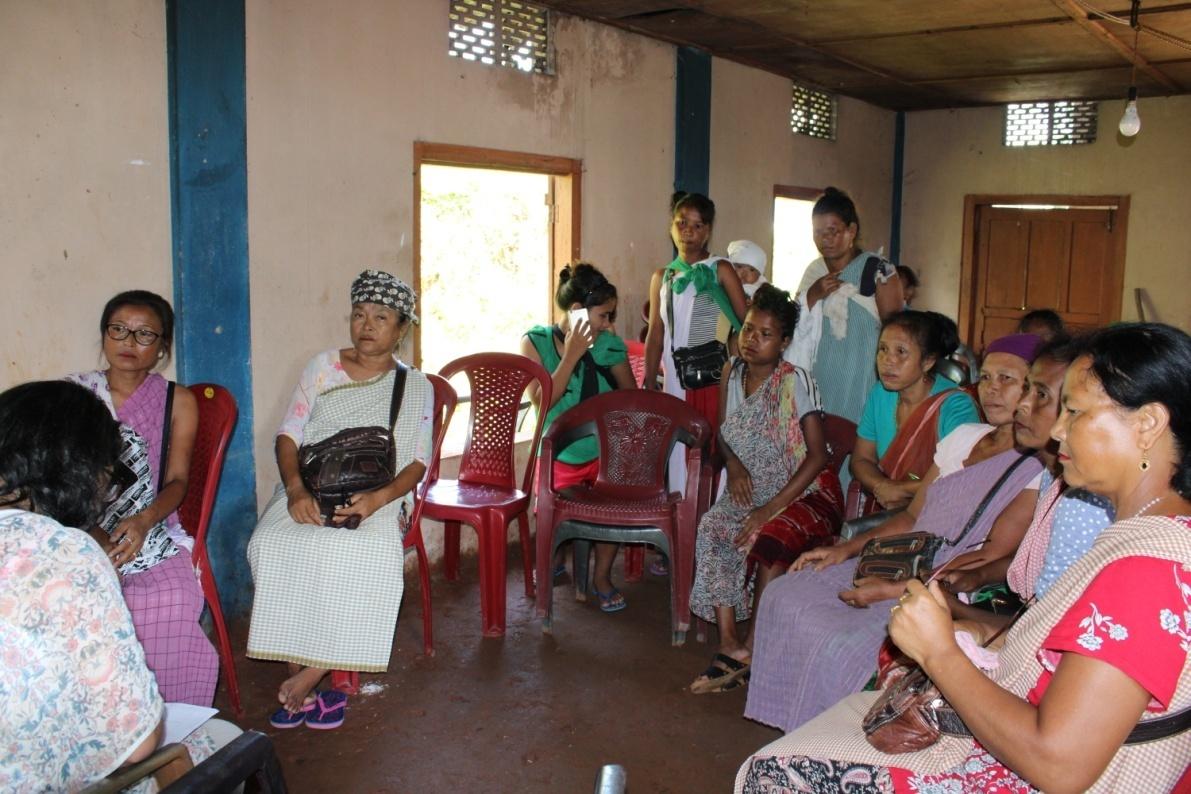
Figure: Group Discussions on conflicts and challenges
05.10.2020 (Continuation of PRA)
Activity 6: Seasonality Calendar
The CLLMP team also mapped the seasonal calendar of Quinine Nongladew Village to help identify heavy workload periods, periods of relative ease, credit crunch, diseases, food security, wage availability etc. This will prove helpful in project planning and project timeline framing.
Figure: Preparation of Seasonality calendar
Participants:
Shri. Bhastar Lyngdoh – President of VNRMC
Smt. Olivia Hynniewta - Village Community Facilitator
Shri. Drensuis Mukhim- VNRMC Member
Smt. Pretymary Syiemlieh – VNRMC Members
Shri. Peter Marwein – VNRMC Members
Shri. Haribert Chatri - Community Member
Smt. Julita matlang - Community Member
Smt. Mislanda Lyngdoh - Community Member
| SEASONALITY CALENDAR | ||||||||||||||
|---|---|---|---|---|---|---|---|---|---|---|---|---|---|---|
| Sl No. | CRITERIA | JAN | FEB | MAR | APRL | MAY | JUNE | JULY | AUG | SEP | OCT | NOV | DEC | |
| 1 | Water Scarcity | 3 | 1 | 1 | 2 | 3 | ||||||||
| 2 | Prone to sickness | 3 | 2 | 1 | 1 | 2 | ||||||||
| 3 | Seeking job outside | 1 | 3 | 2 | ||||||||||
| 4 | Rain Fall | 2 | 1 | 1 | 1 | 2 | 3 | |||||||
| 5 | Free – Less work | 1 | 3 | 2 | ||||||||||
| 6 | Paddy Cultivation | 1 | 2 | |||||||||||
| 7 | Paddy harvesting | 1 | 2 | |||||||||||
| 8 | Ginger Cultivation | 2 | 1 | 2 | 3 | 3 | ||||||||
| 9 | Ginger Harvesting | 1 | 1 | 2 | 3 | |||||||||
| 10 | Tree Plantation | 1 | 1 | 2 | 3 | 3 | ||||||||
| 11 | Vegetable (crop cultivation) | 2 | 1 | 1 | 2 | 2 | 3 | 3 | 3 | |||||
| 12 | Vegetable (crop harvesting) | 3 | 2 | 1 | 1 | 2 | 2 | |||||||
| 13 | Festive Season | 1 | 1 | 3 | 2 | |||||||||
| 14 | Forest fire | 1 | 1 | 2 | ||||||||||
| 15 | Collection of Fuel wood | 1 | 1 | 3 | 2 | |||||||||
| MAXIMUM | 1 |
|---|---|
| MODERATE | 2 |
| LESS | 3 |
The Finalized Community Natural Resource Management Plan of QUININE Village.
| Area of Intervention | Intervention 1 | Intervention 2 |
|
Intervention 4 | Intervention 5 | Remark on any traditional knowledge/ best practice within the village |
|---|---|---|---|---|---|---|
|
|
|
|
|
||
| Soil And Water Conservation | Contour Bunds |
|
|
|
|
|
| Land Productivity Enhancement | Vermi Compost (Lad Umtasor Block-B) |
|||||
| Spring Shed Management | Contour Trenches 1. Ioris 2. Kyntiewlang (Hajan Lumdiengsal) |
|
Fencing (Them Khlaw Siej And Them Ir Moina) |
|
||
| Afforestation/ Community Forestry Activities | Community Nursery (Lad Umtasor Block-B) |
|
||||
| Forest Area Under Management Plans | Fire Control Line (Lawsyiem And Lum Diengsal) | |||||
| Enhancement Of Agro-Forestry Activities |
|
|||||
| Culturable Waste Land Brought Under Horticulture | Fruit Tree Plantation On Bench Terracing Hajan Lum Dieng Sal | |||||
| Activities To Treat Mining Affected Area |
GIS Activities – Quinine
| Sl.No | Parameters | Village Information |
|---|---|---|
| 1. | GPS Coordinates | |
| i | Latitude | 25.820417N |
| ii | Longitude | 91.871694E |
| iii | Elevation Reading (MSL) | 621m |
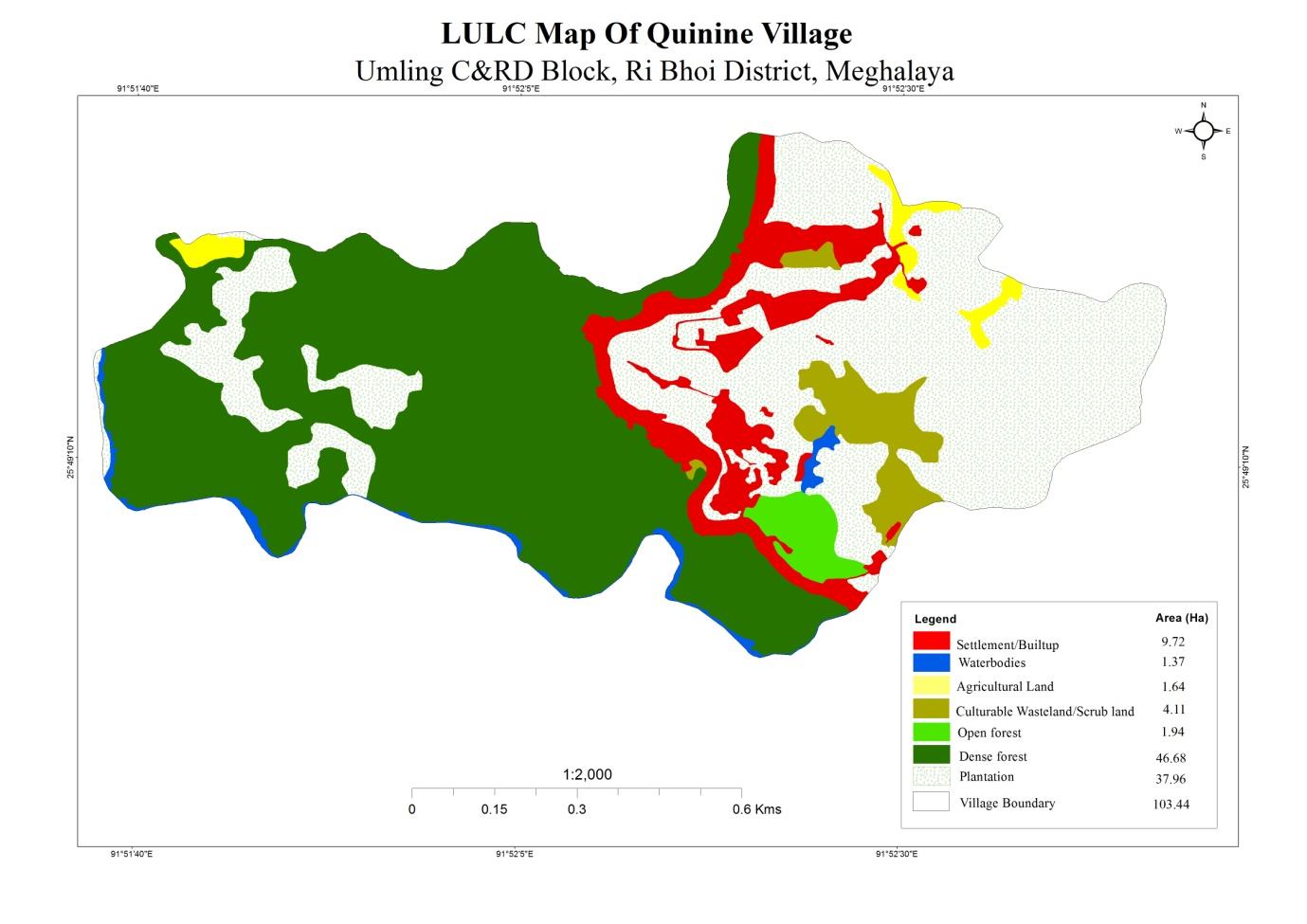
| 2. | Village Geographical Area(Ha) | 103.44Ha |
| i | Total Forest Area ( including community, Clan, Pvt Forest) | 48.62Ha |
| ii | Total Area of Water Bodies | 1.37Ha |
| iii | Total Area under Agri- Horticulture | 39.60 Ha |
| iv | Total Degraded land area (Ha) | 4.11 Ha |
| 3 | Average Annual Rainfall | 1000-1500 |
| 4 | Soil Type | Loamy soil |
PROJECT IMPLEMENTATION
| Intervention Name | Site Name | Total Amount | Work Status |
|---|---|---|---|
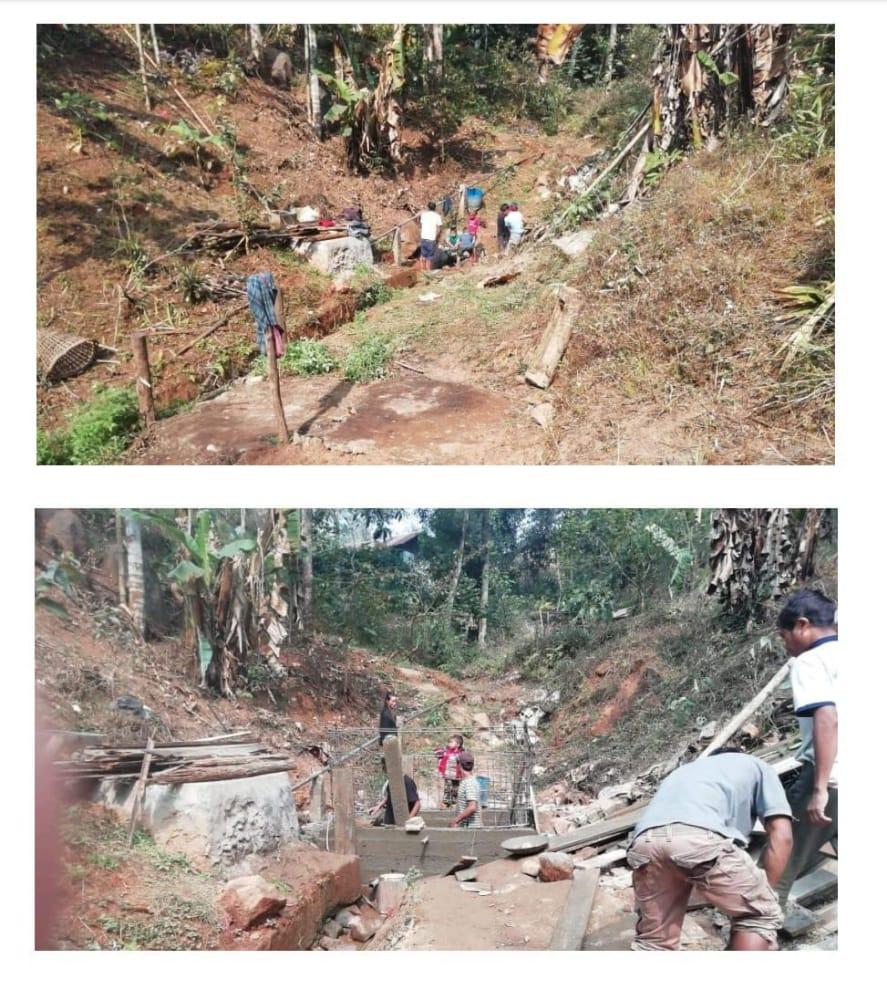
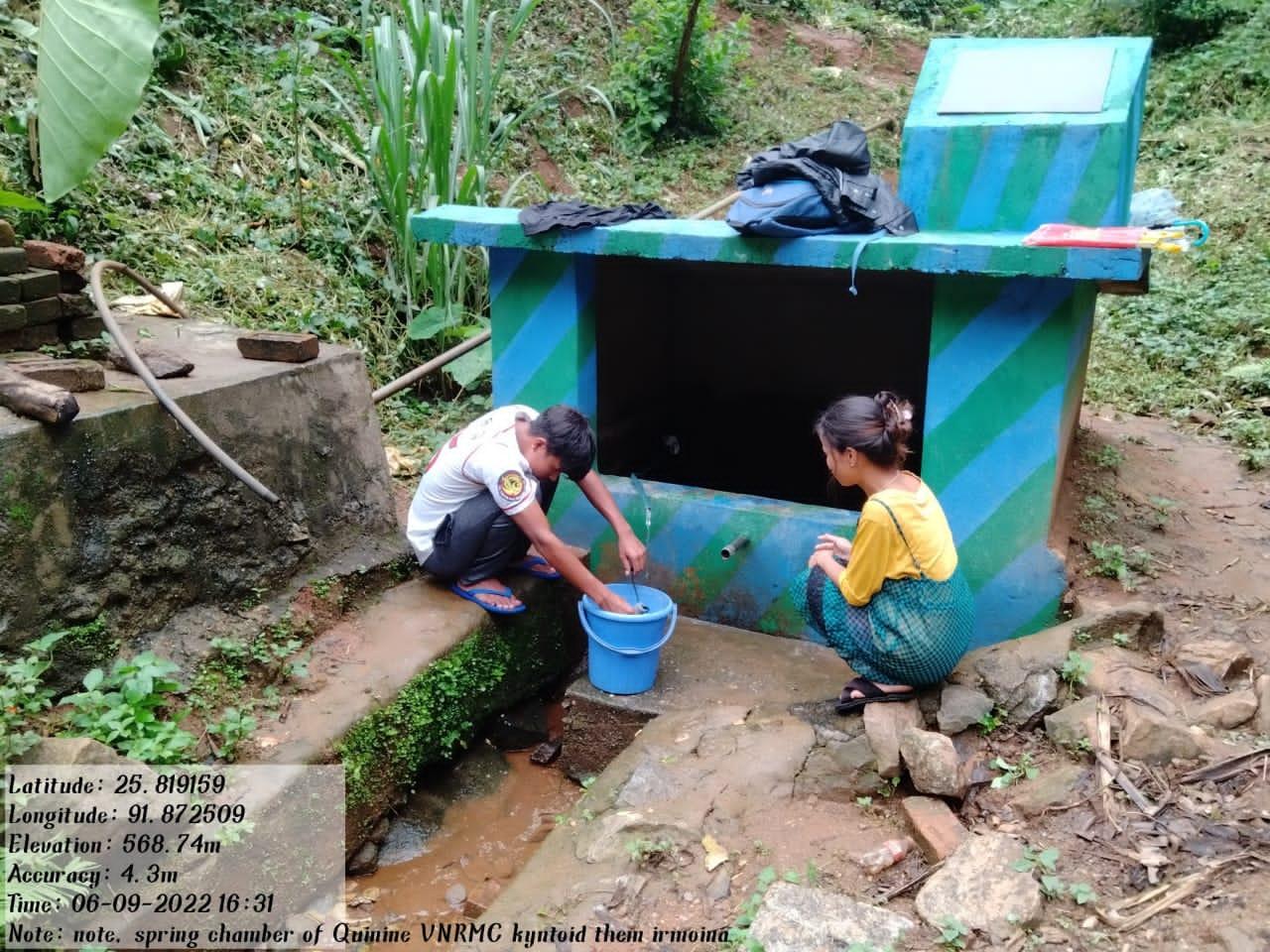
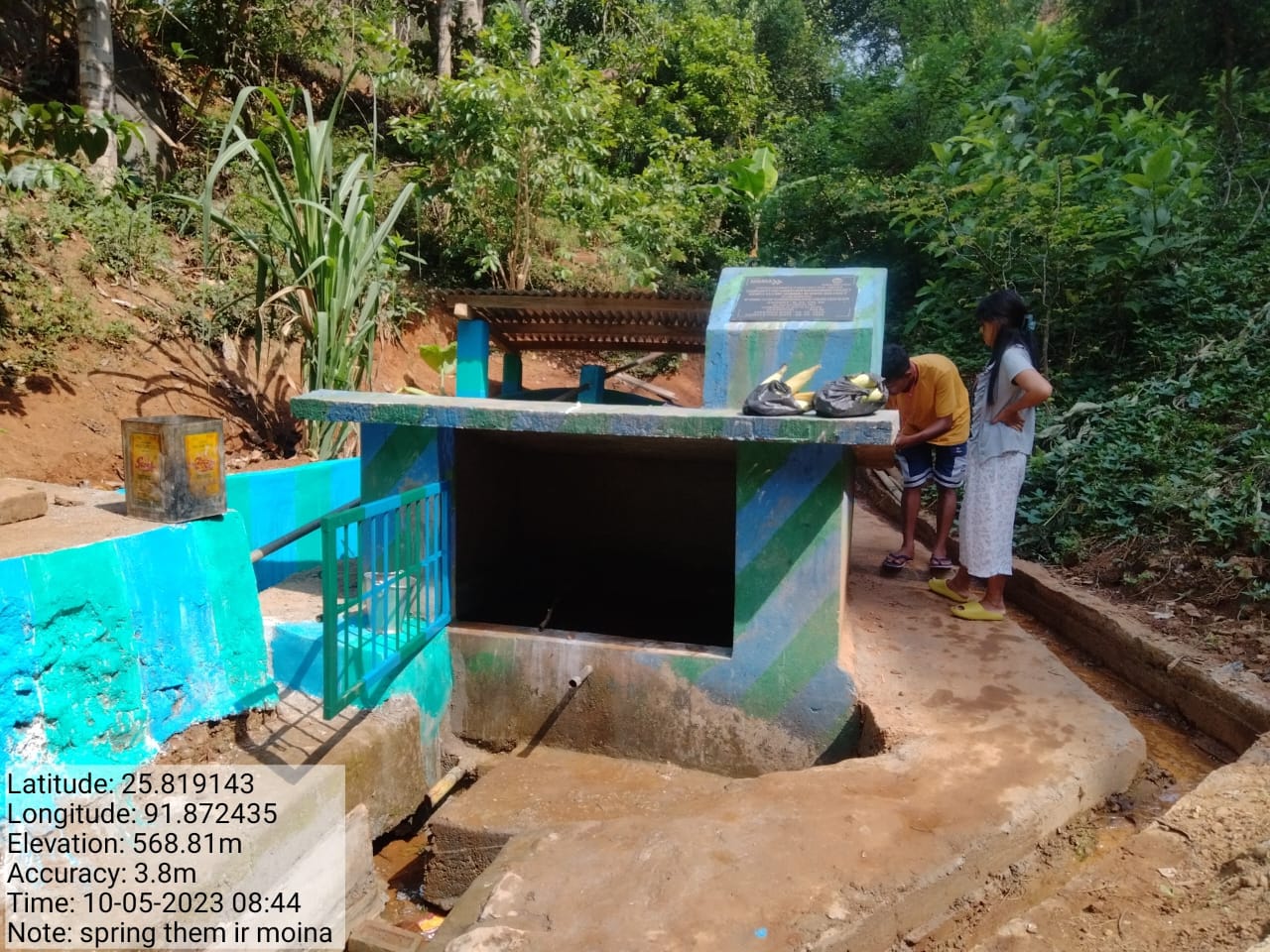
| Spring Chamber | Them Ir Moina | 65,500 | Completed |
| Intervention Name | Site Name | Total Amount | Work Status |
|---|---|---|---|
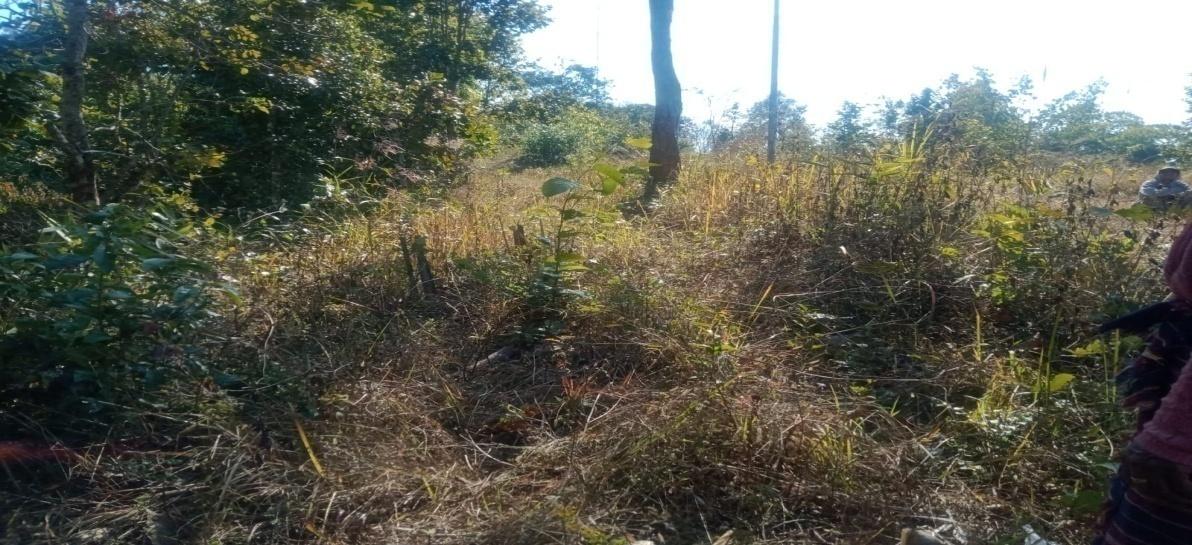
| Fire Control Line | Lum Ningthemmai | 33,150 | Completed |
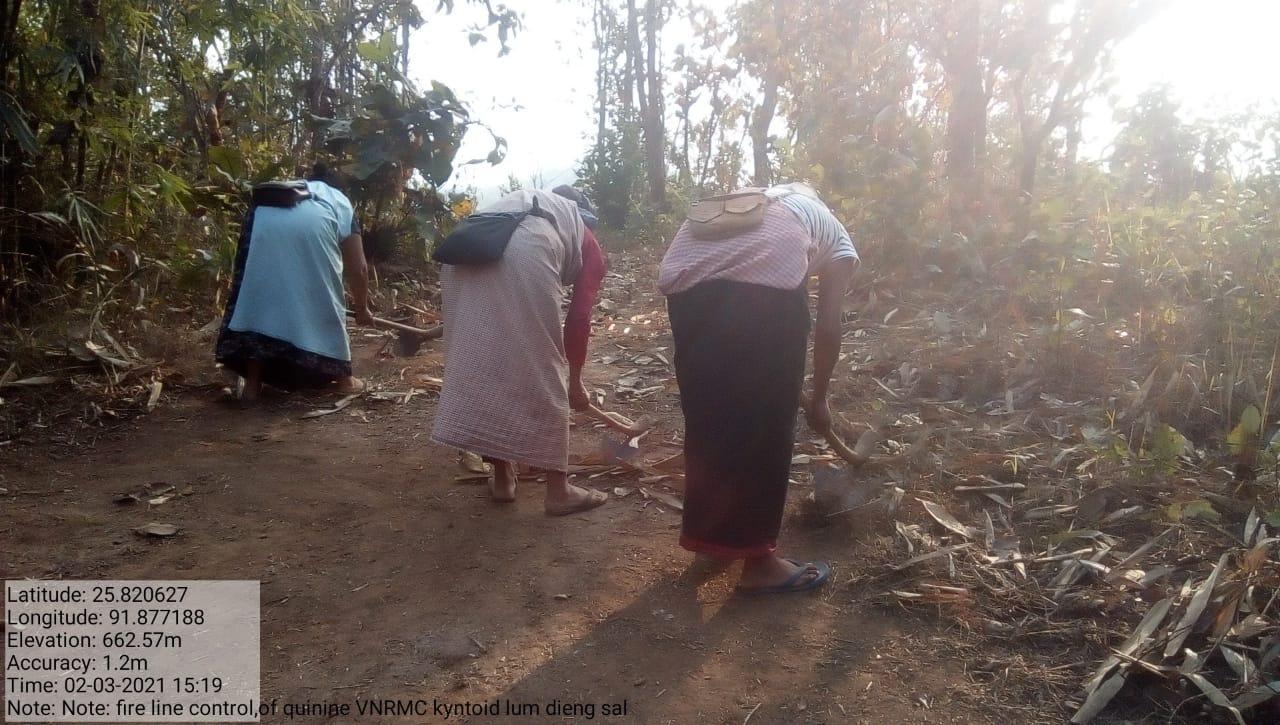
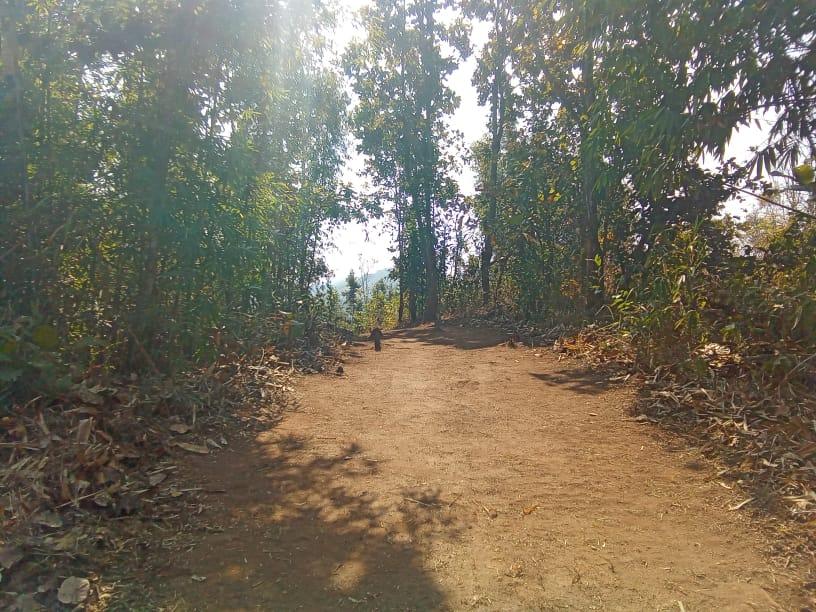
| Intervention Name | Site Name | Total Amount | Work Status |
|---|---|---|---|
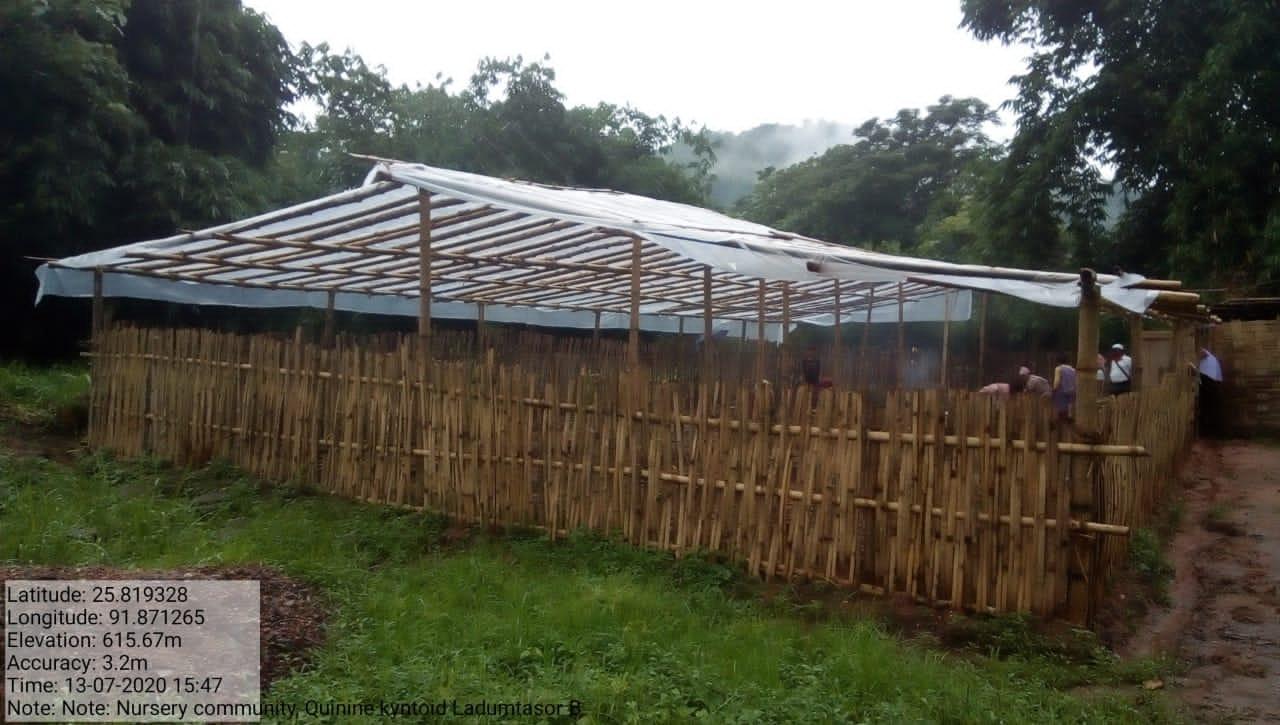
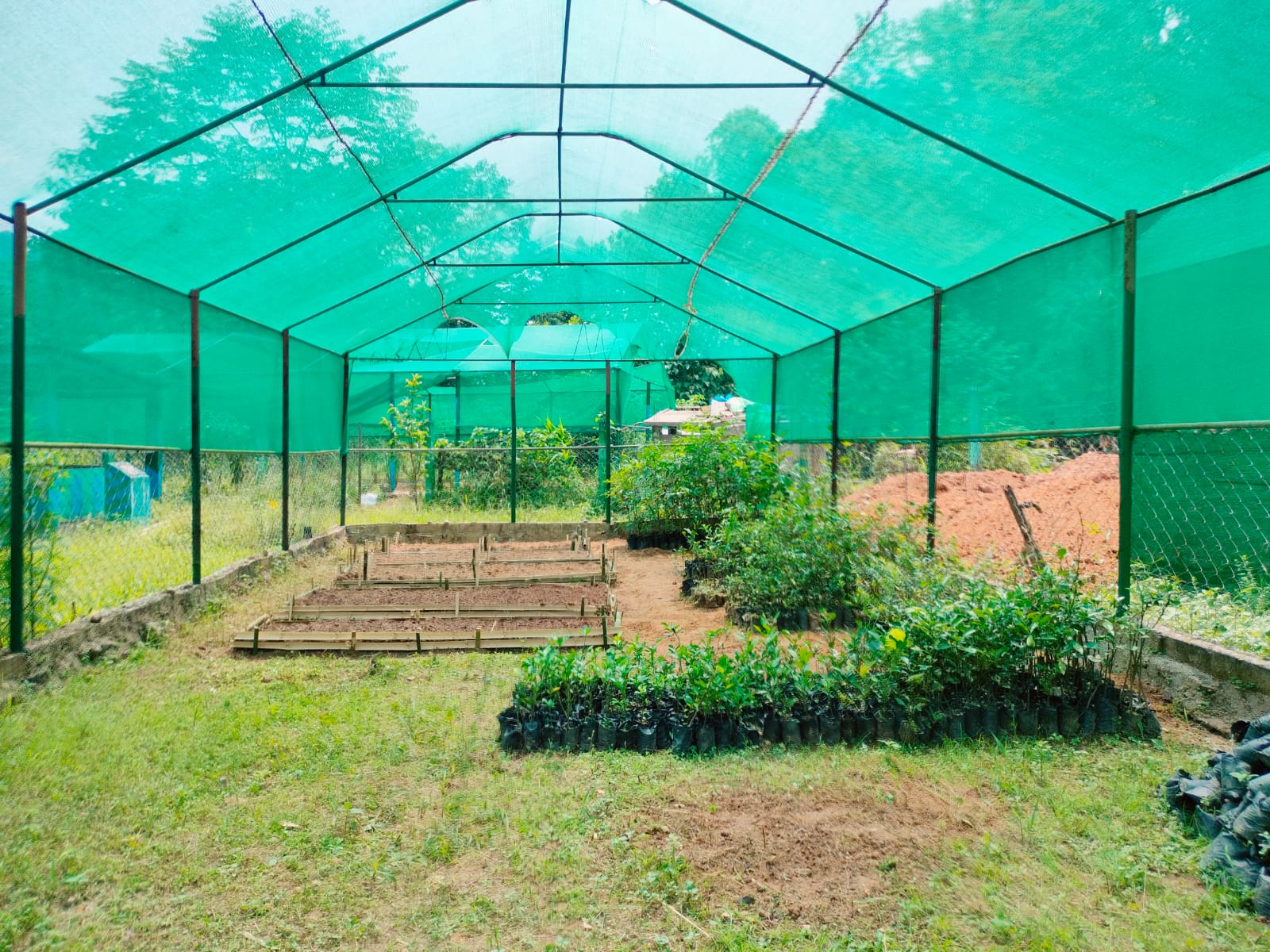
| Nursery | Lad Umtasor B | 1,19,300 | Completed |
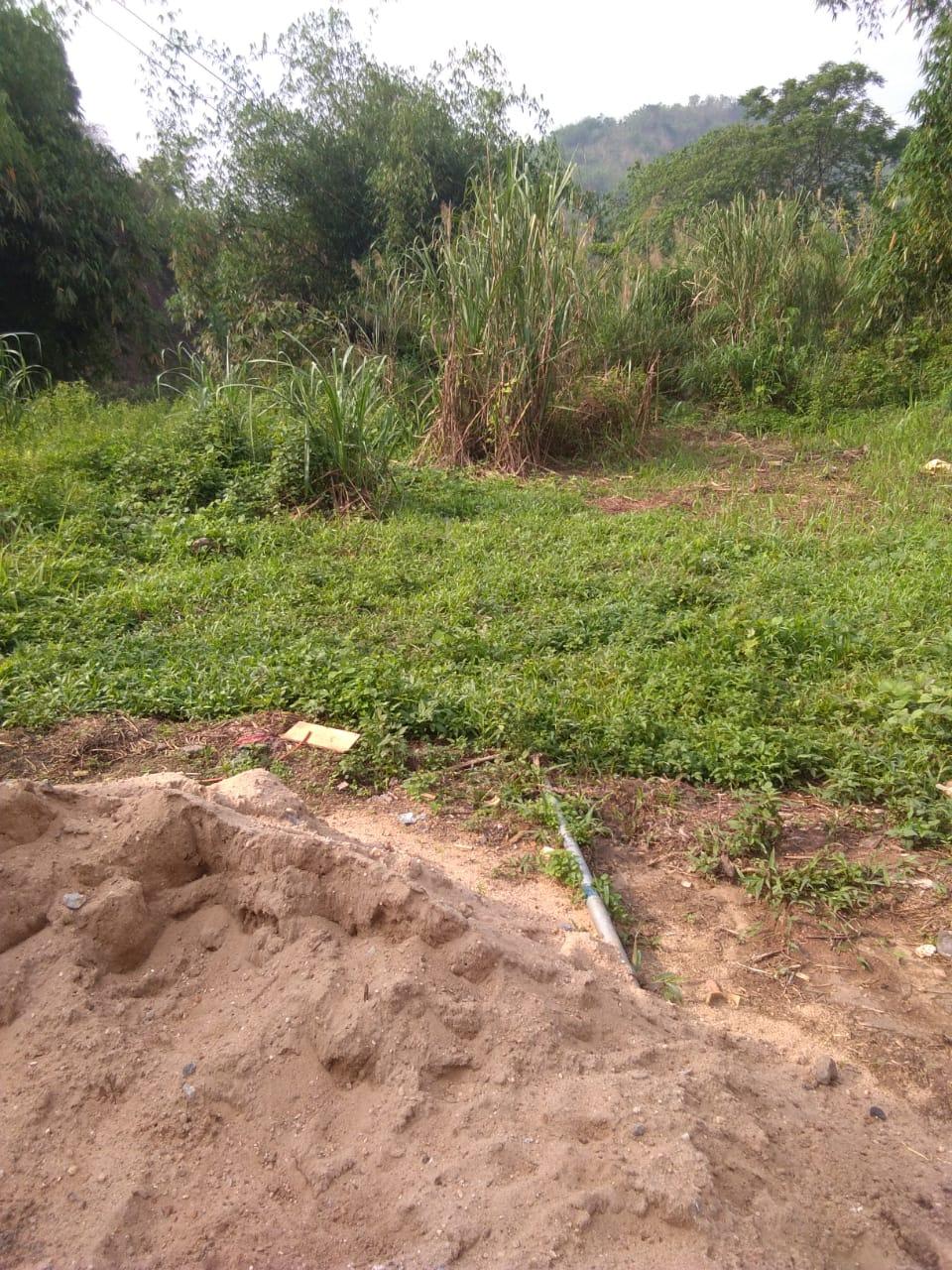
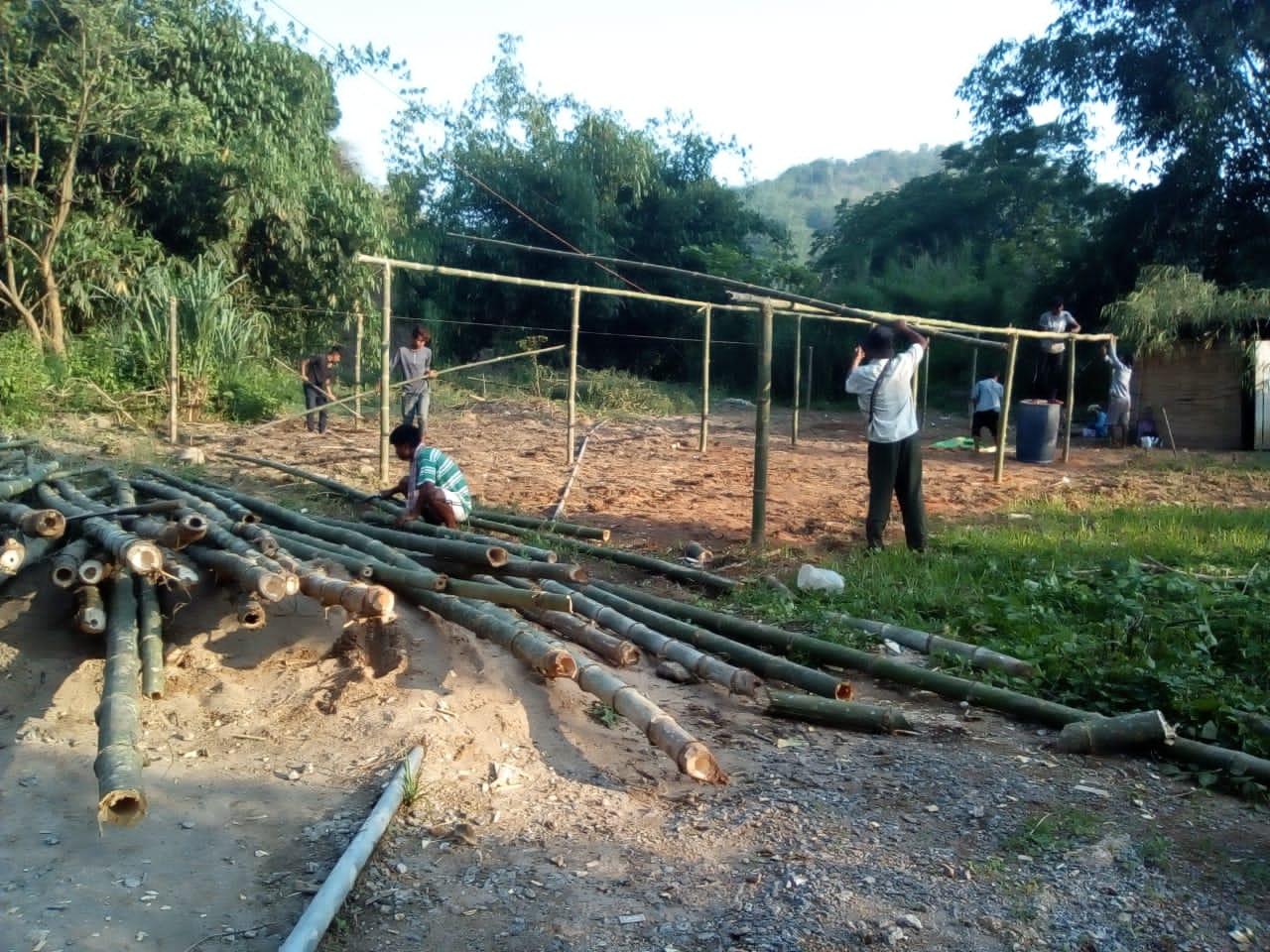
| Intervention Name | Site Name | Total Amount | Work Status |
|---|---|---|---|
Afforestation (along with Maintenance) |
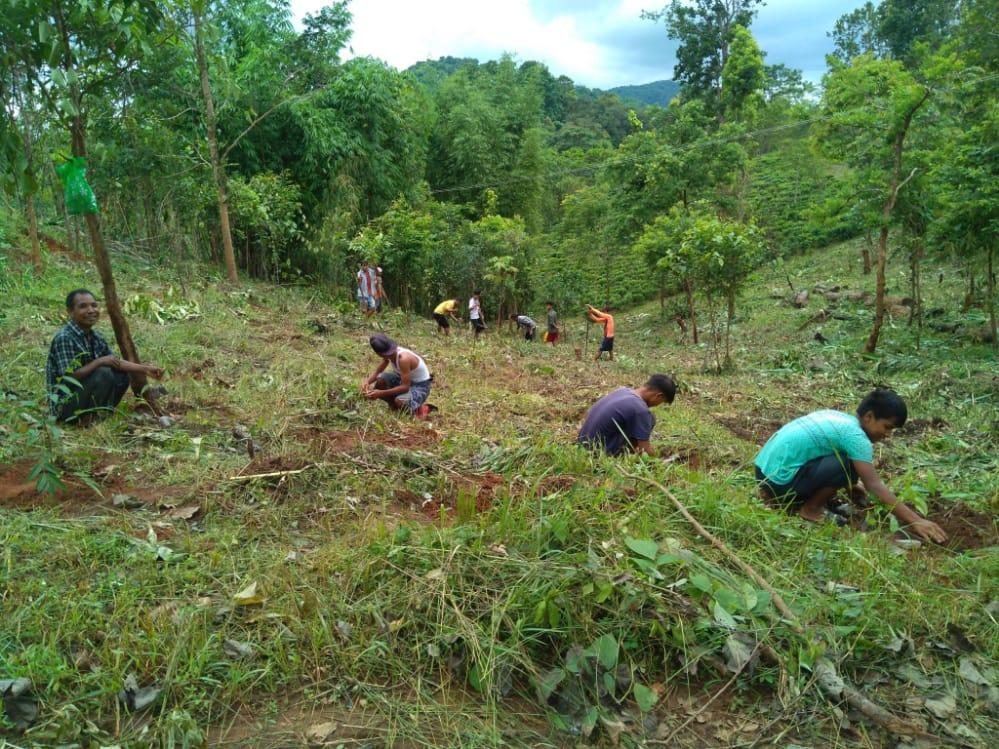
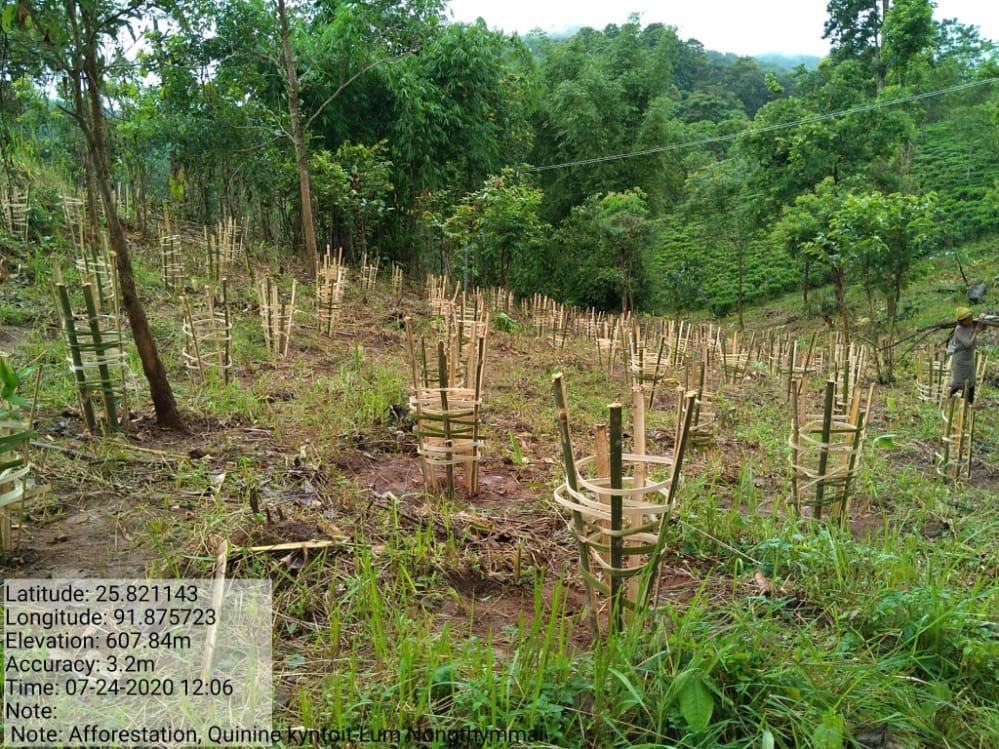
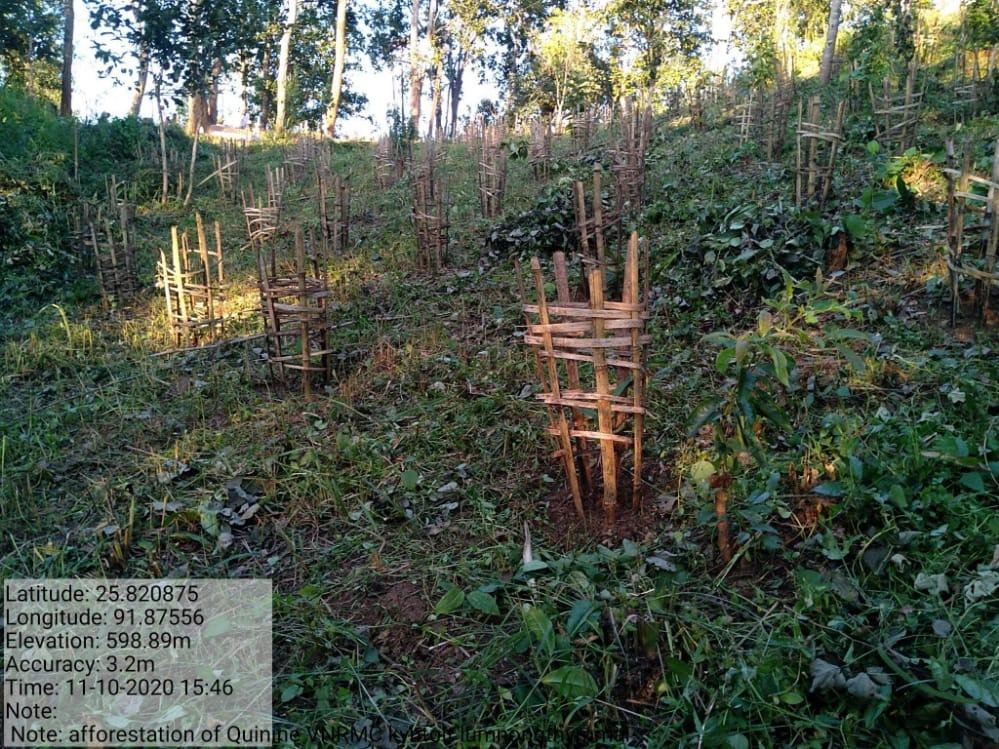
Lum Nongthymmai | 1,42,430 & 9660(For Mainteanance) | Completed |
| Intervention Name | Site Name | Total Amount | Work Status |
|---|---|---|---|
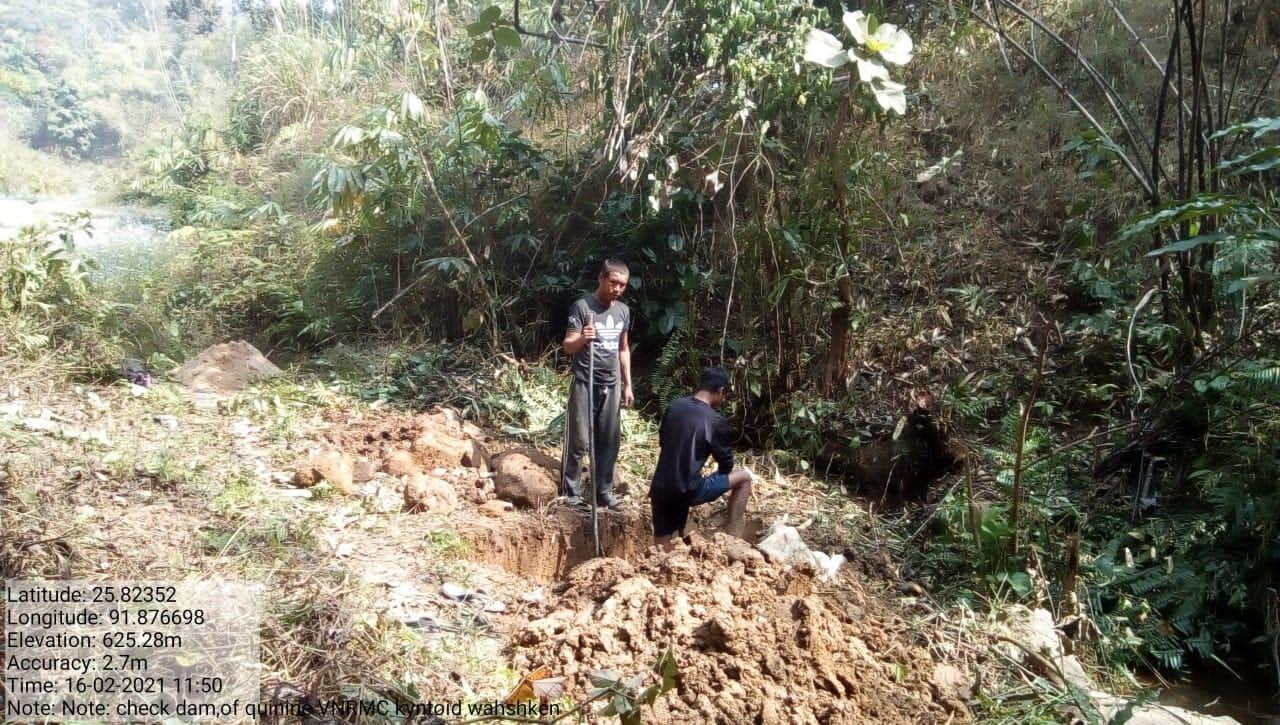
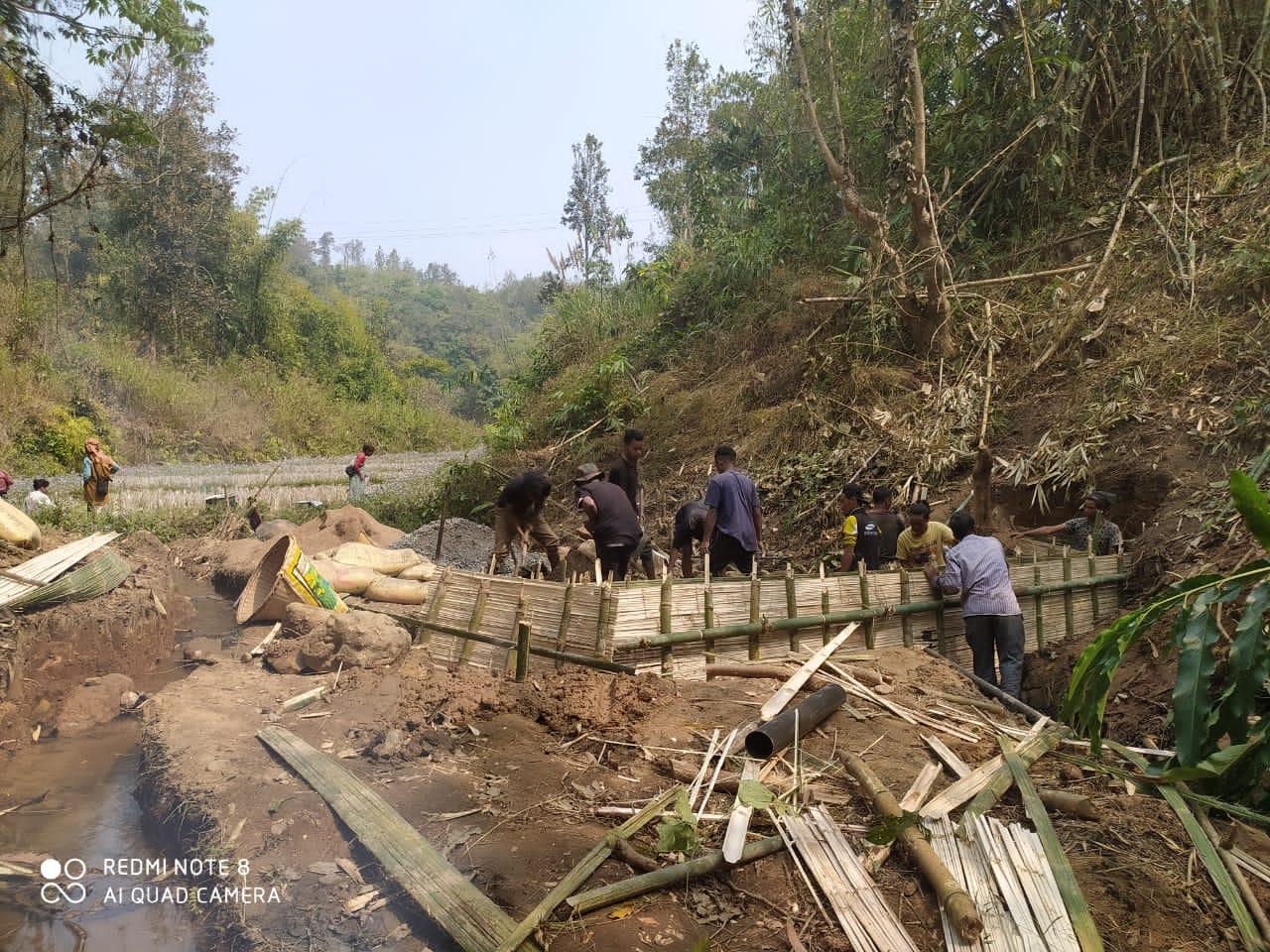
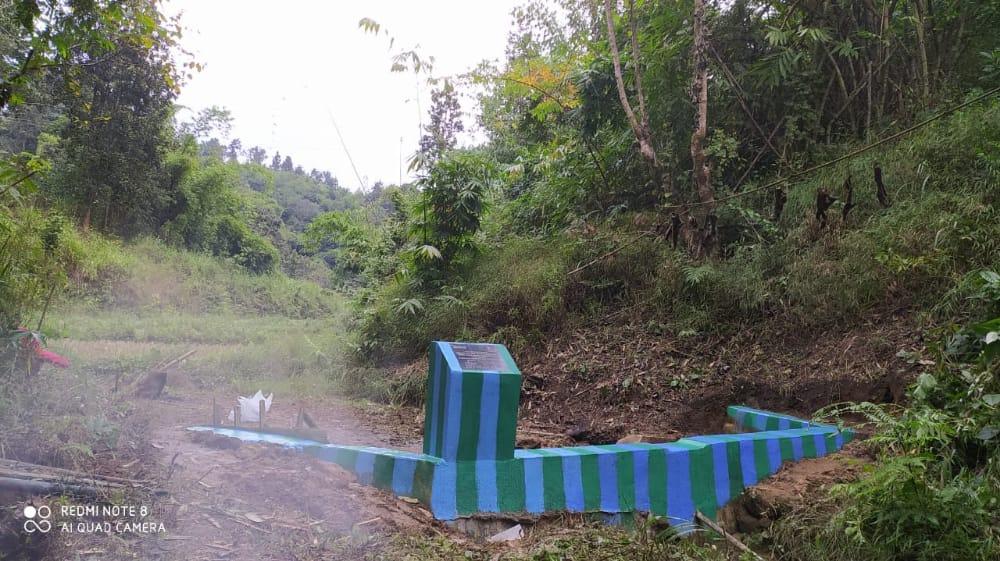
| Check dam | Wah Shken | 2,00,000 | Completed |
| Intervention Name | Site Name | Total Amount | Work Status |
|---|---|---|---|
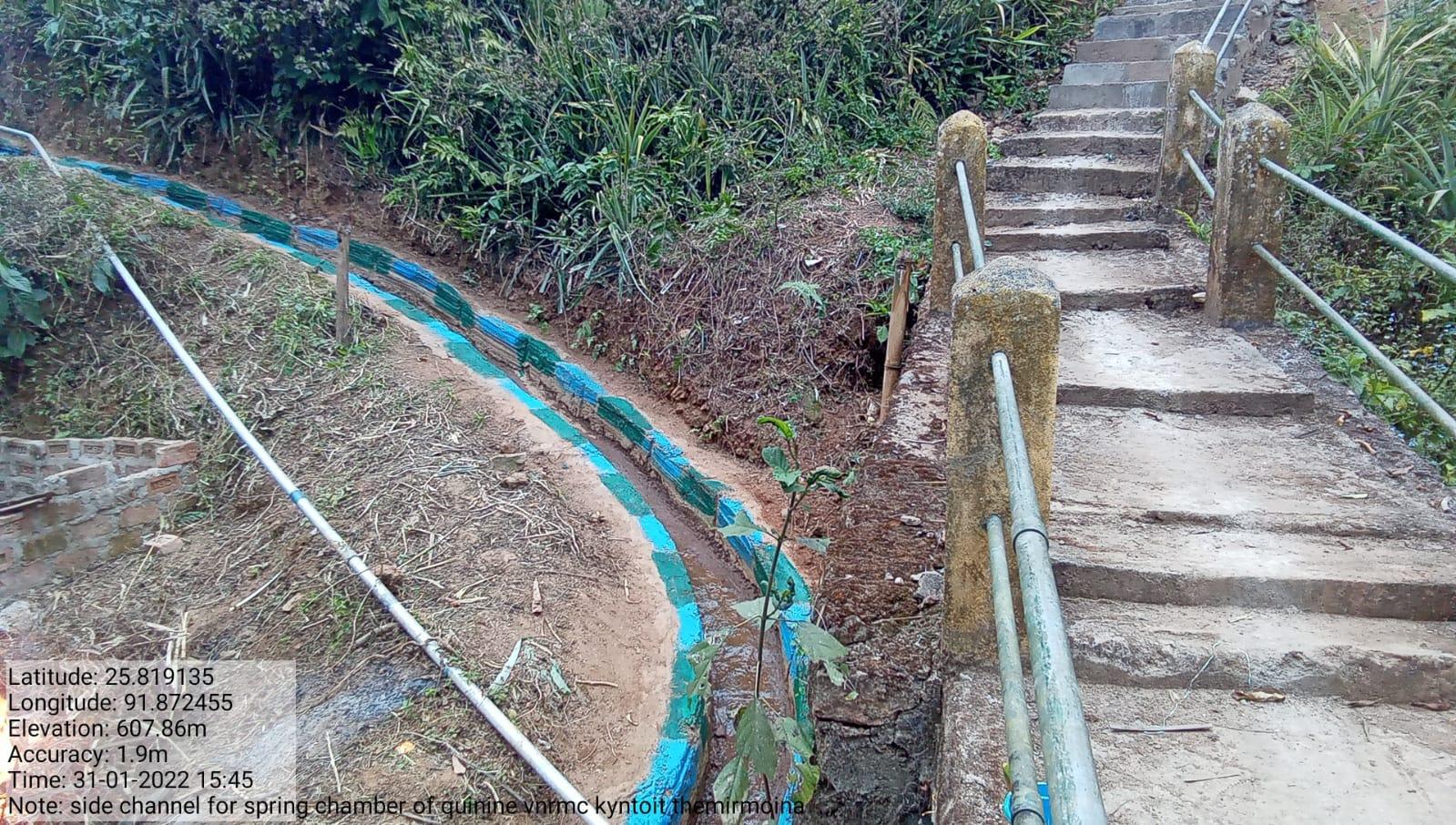
| Side Channel of Spring Chamber | Them Irmoina | 65,300 | Completed |
| Intervention Name | Site Name | Total Amount | Work Status |
|---|---|---|---|
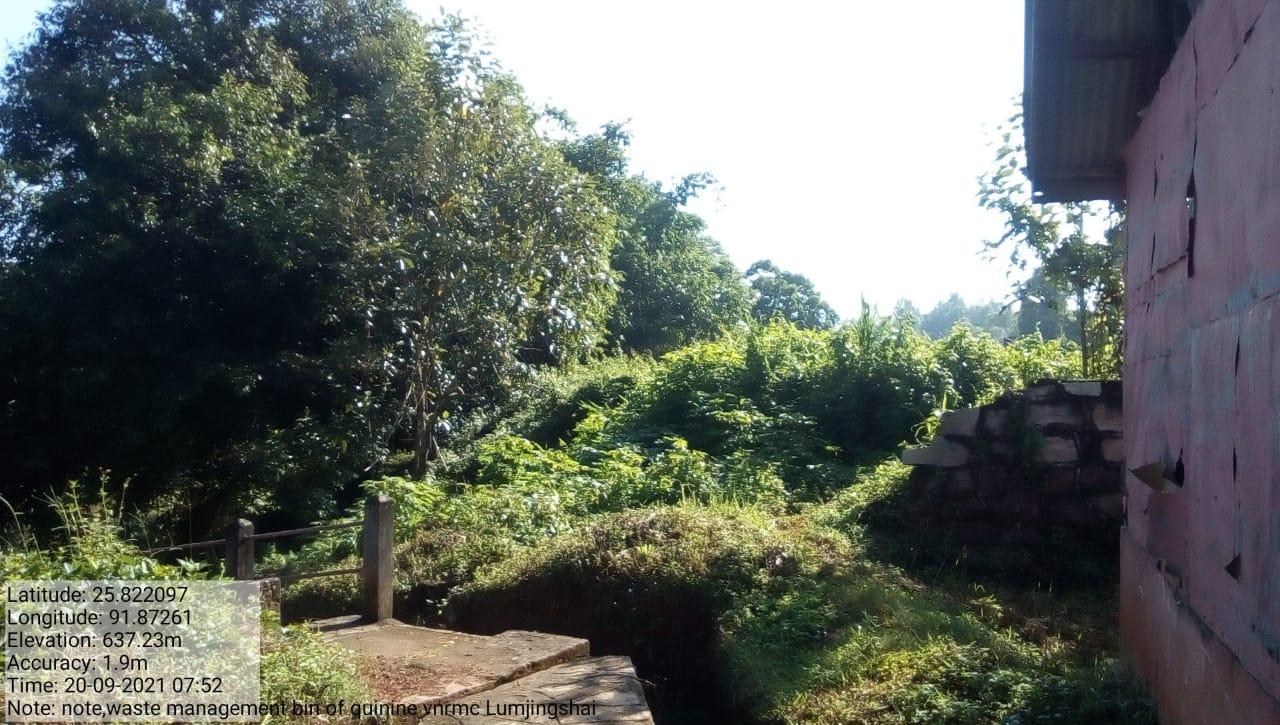
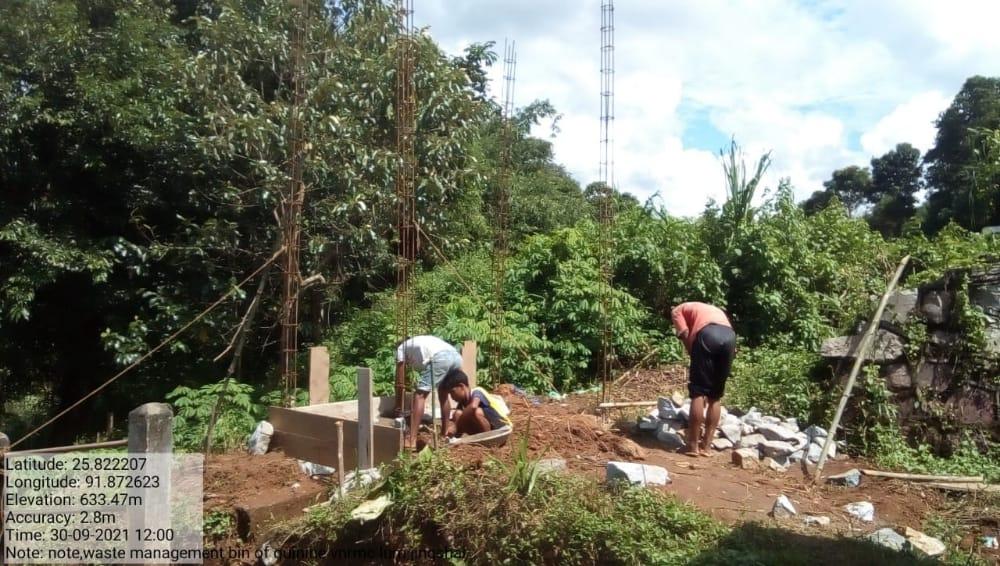
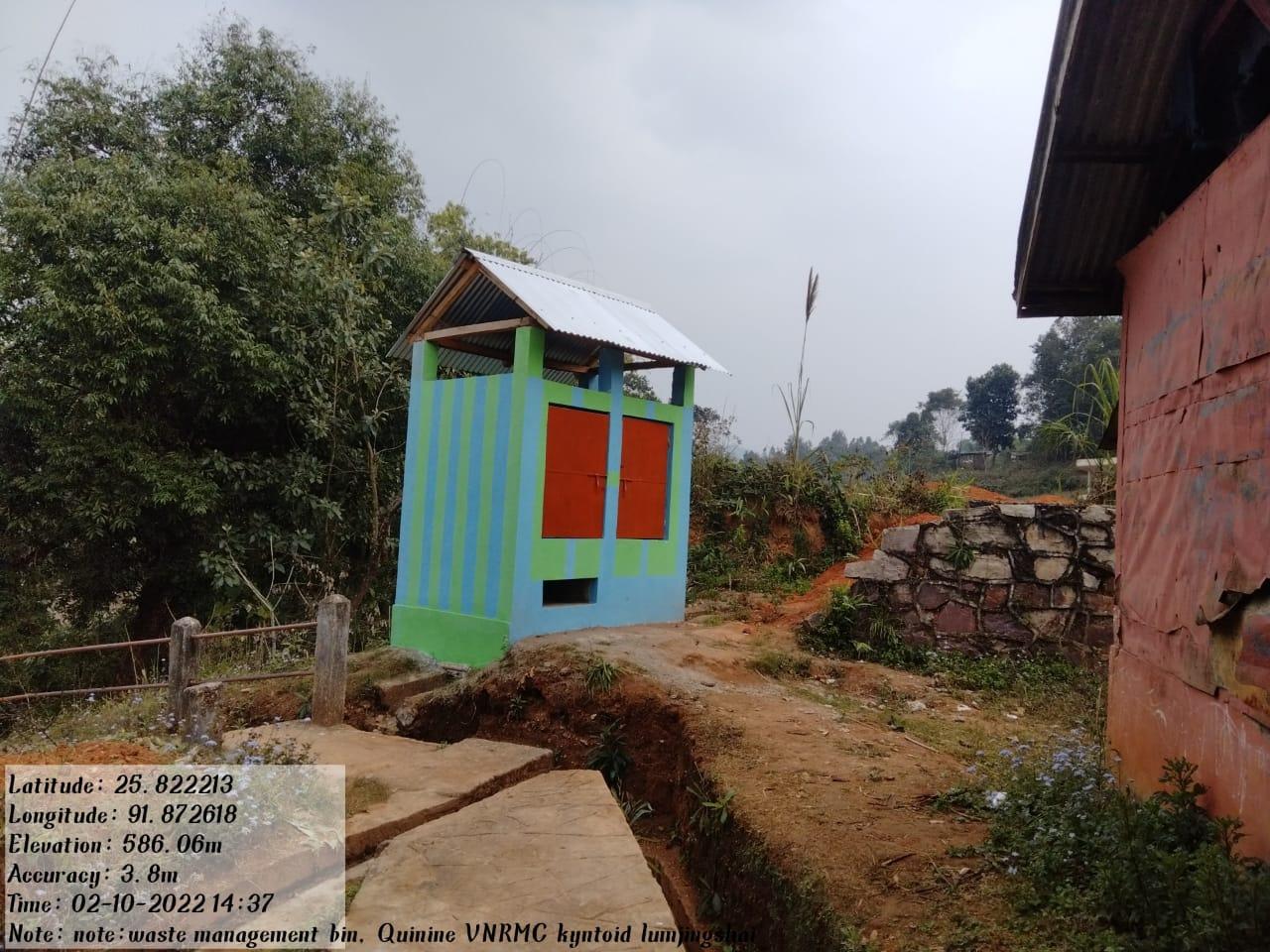
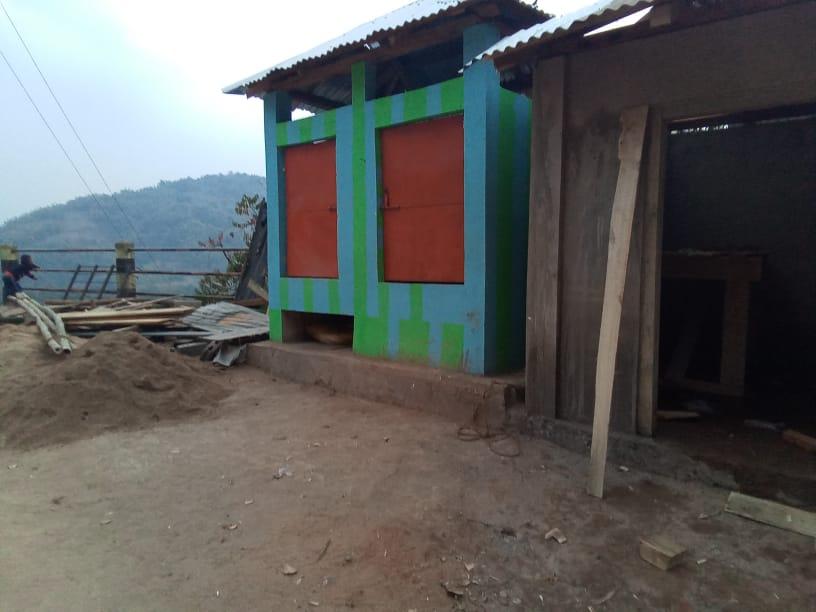
| Waste Management Bin 1 | Lum Jingshai | 72,000 | Completed |
| Intervention Name | Site Name | Total Amount | Work Status |
|---|---|---|---|
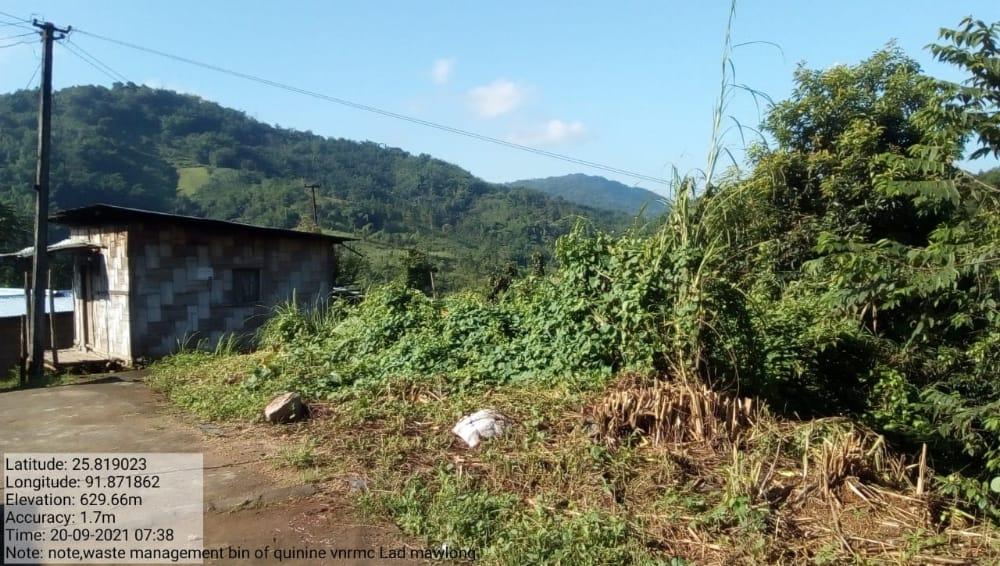
| Waste Management Bin-2 | Lad Mawlong | 72,000 | Completed |
| Intervention Name | Site Name | Total Amount | Work Status |
|---|---|---|---|
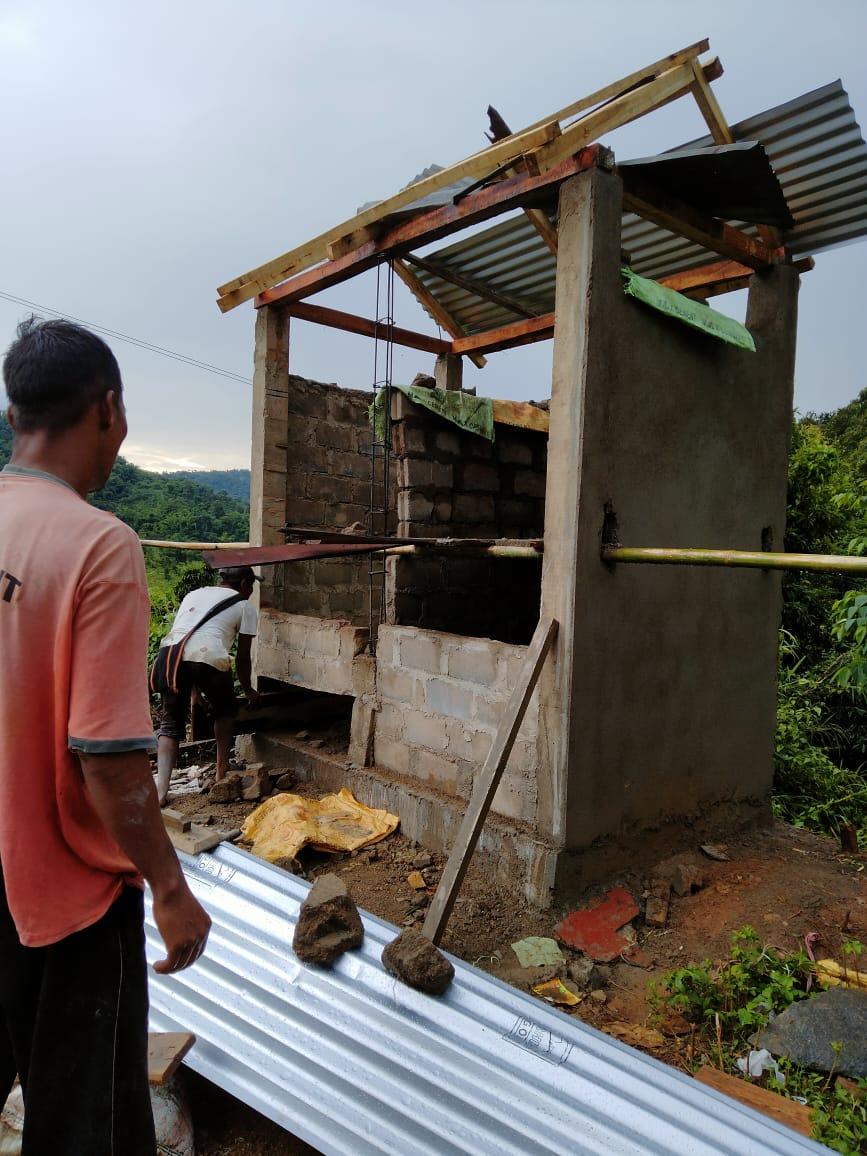
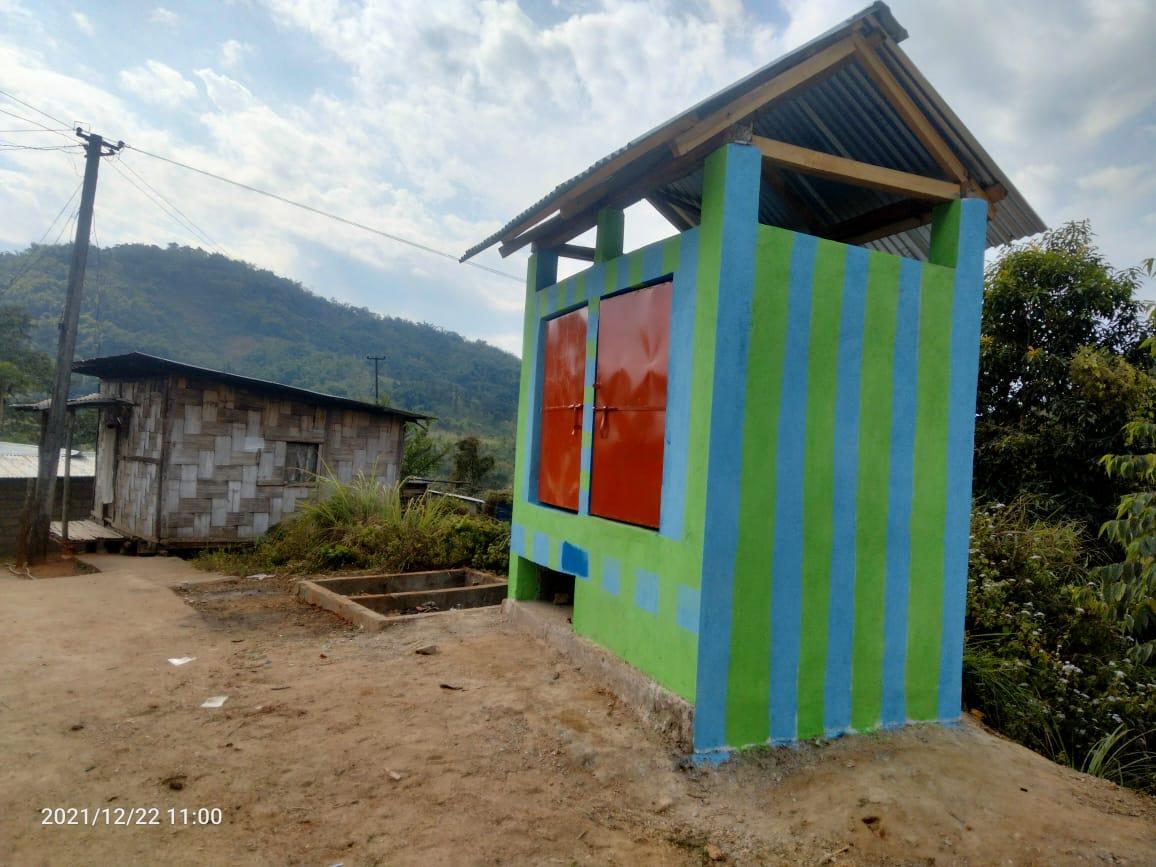
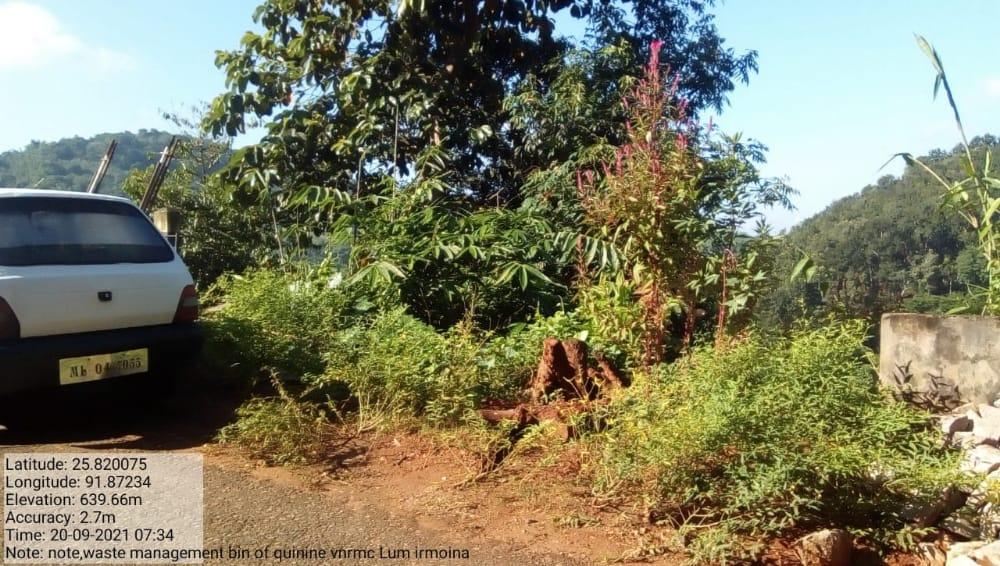
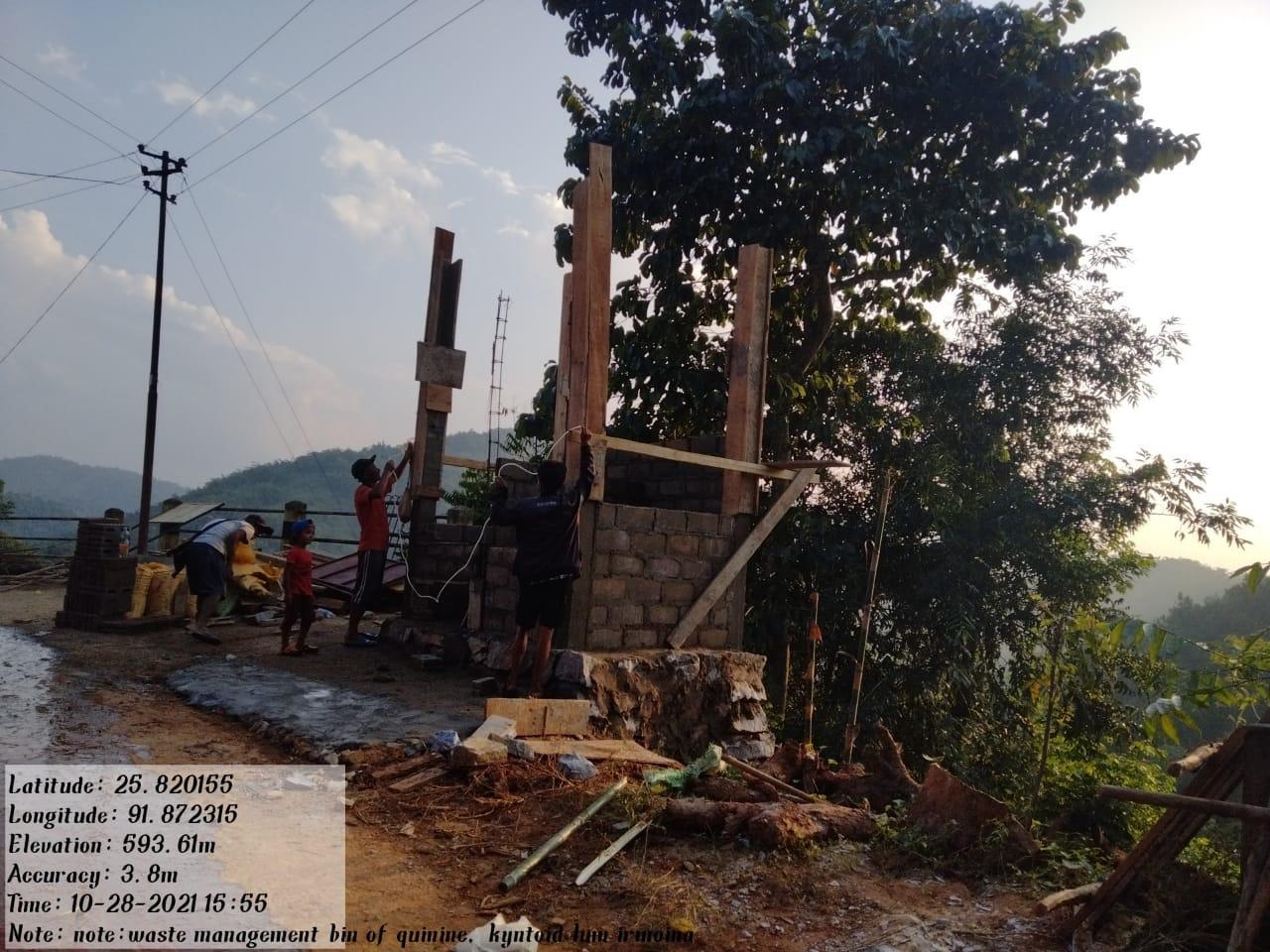
| Waste Management Bin-3 | Lum Irmoina | 72,000 | Completed |
| Intervention Name | Site Name | Total Amount | Work Status |
|---|---|---|---|
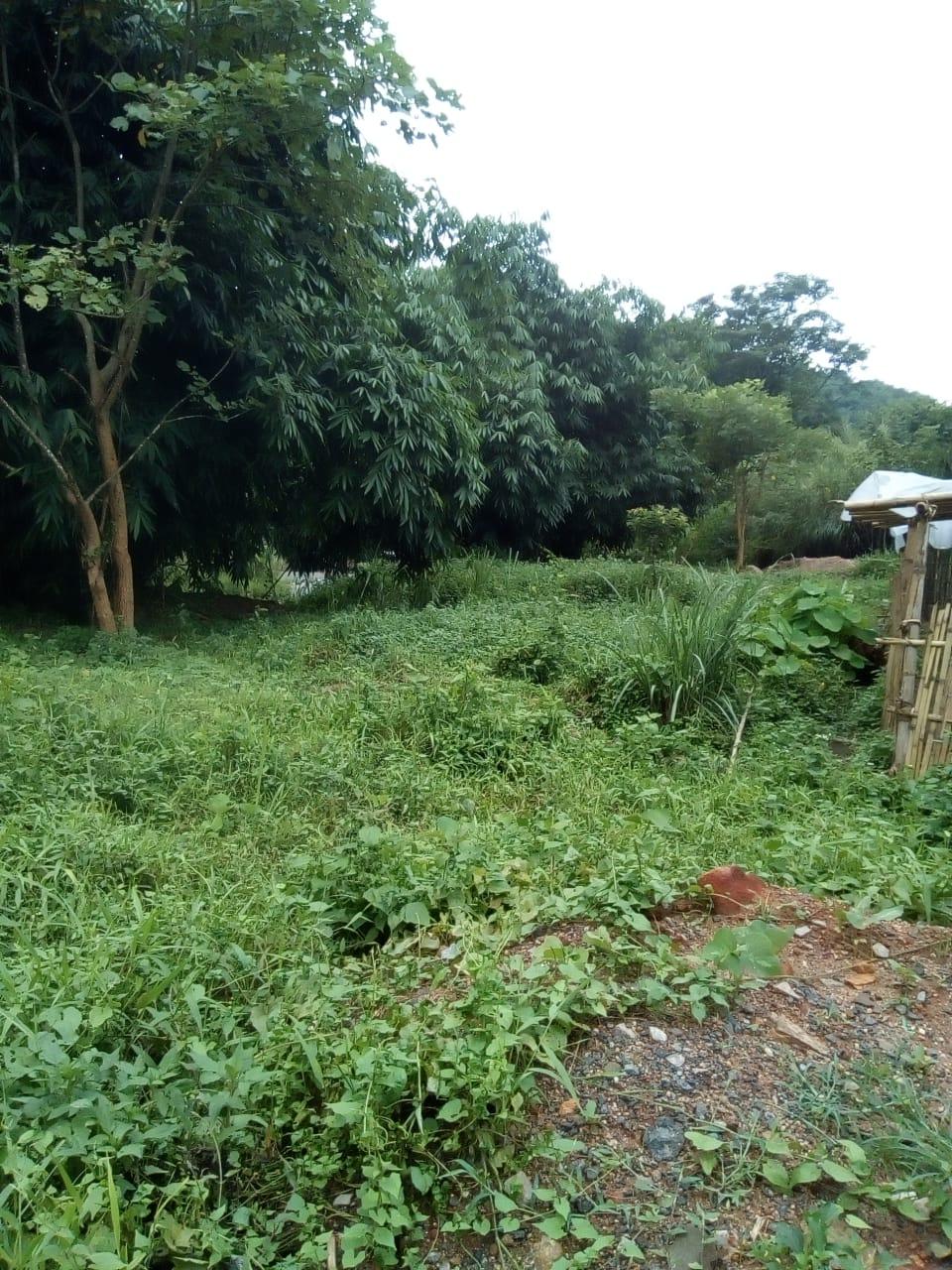
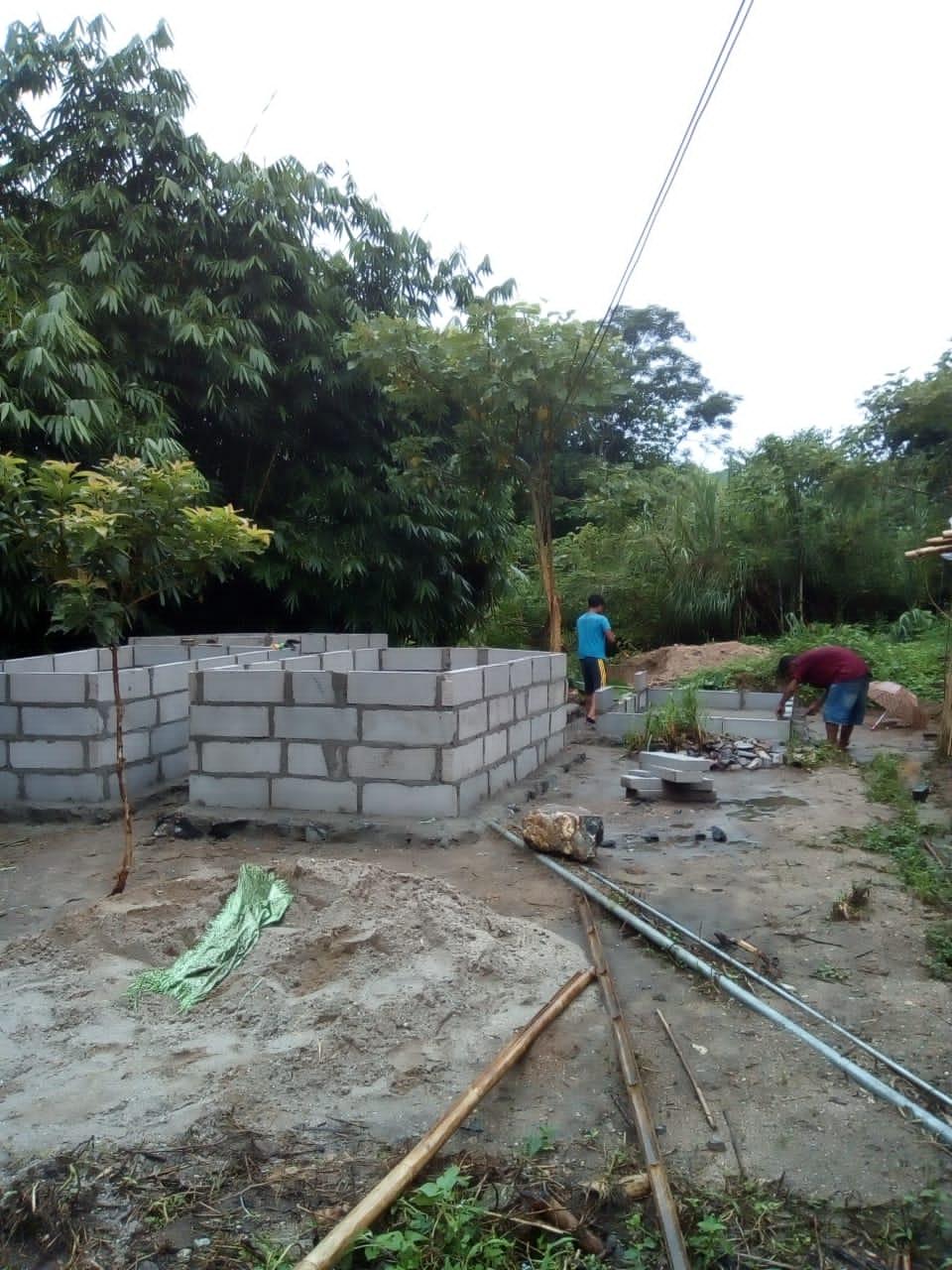
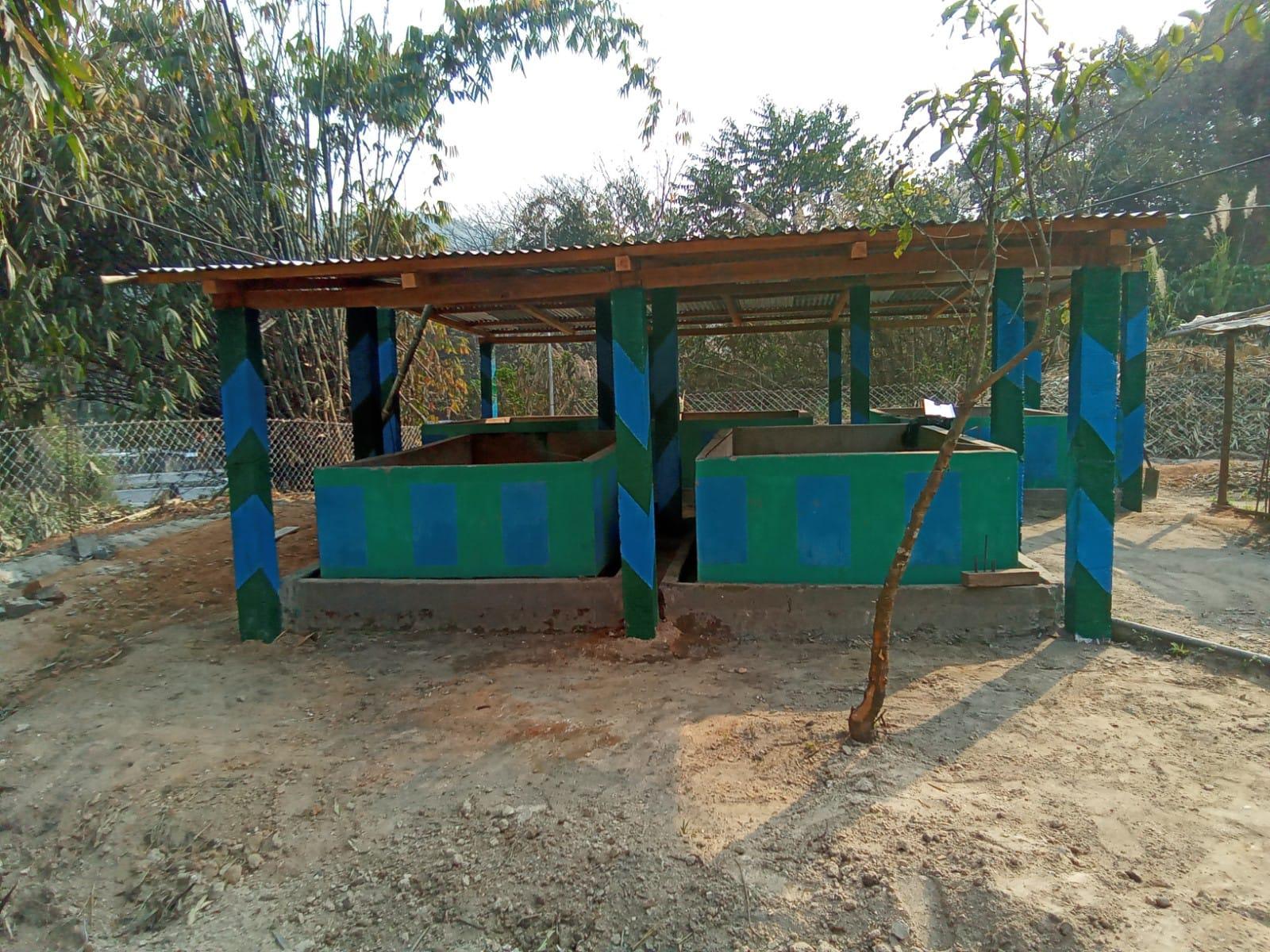
| Vermi compost unit | Lad Umtasor B | 1,48,250 | Completed |
| Intervention Name | Site Name | Total Amount | Work Status |
|---|---|---|---|
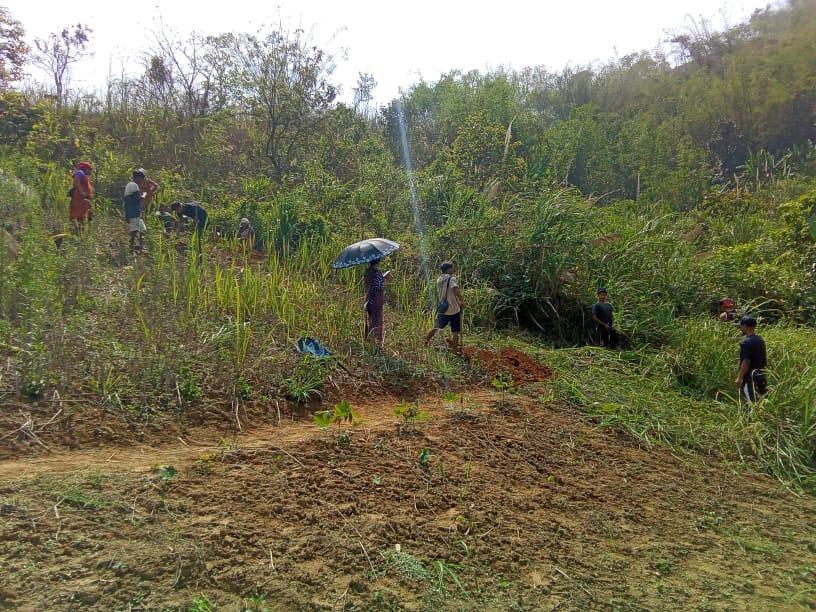
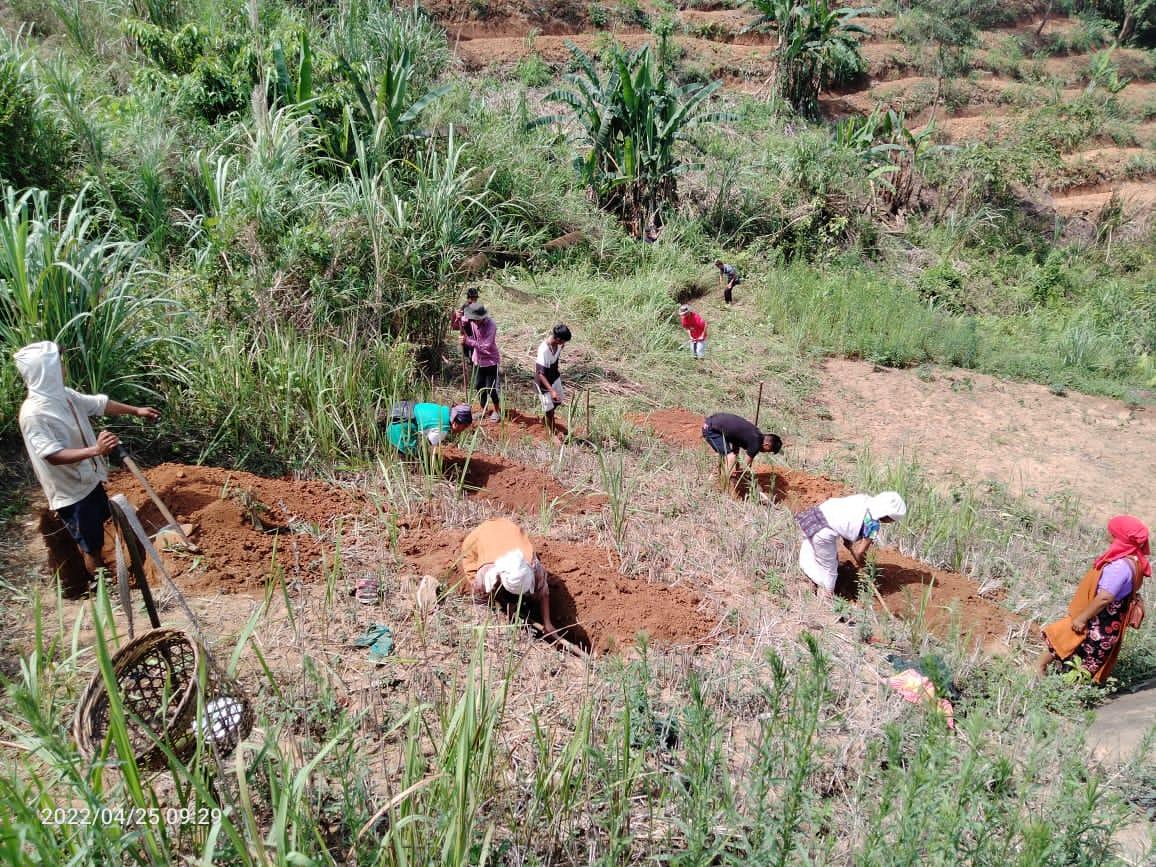
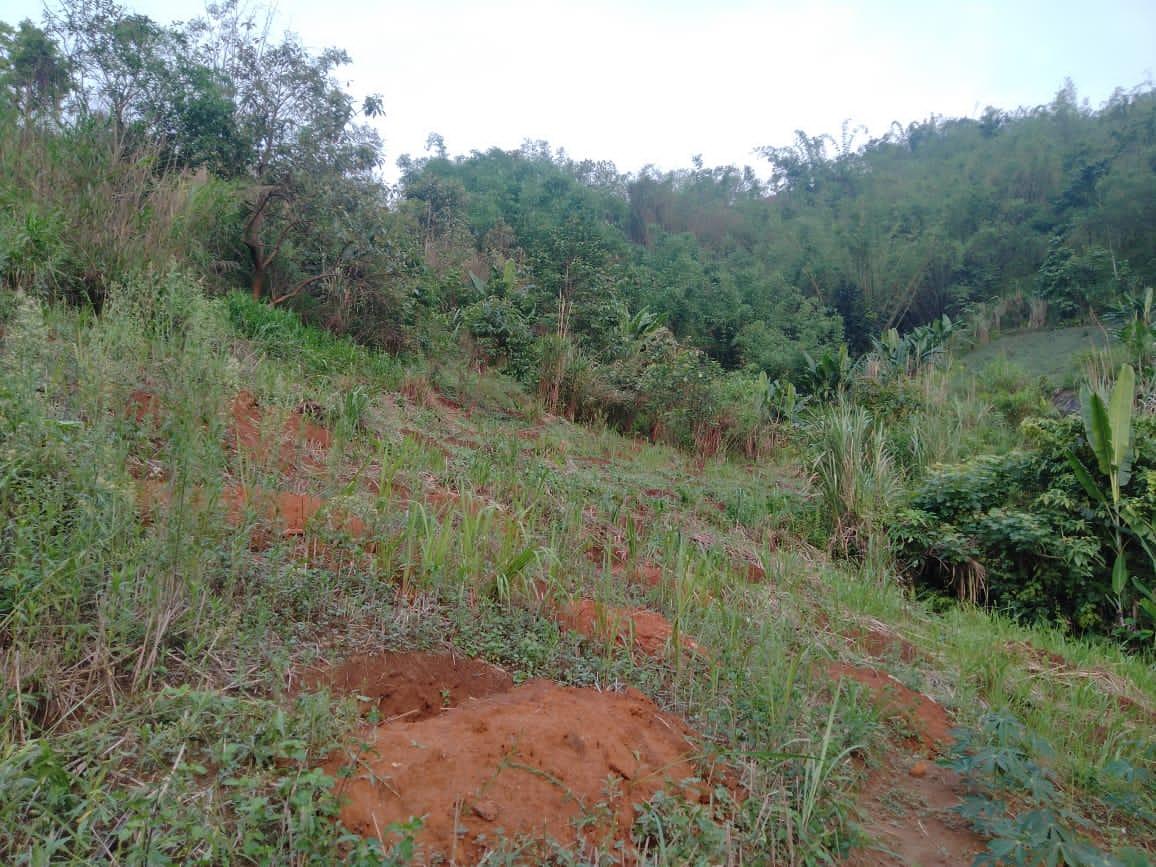
| Bench- terracing | Twahsiej | 4,19,857 | Completed |
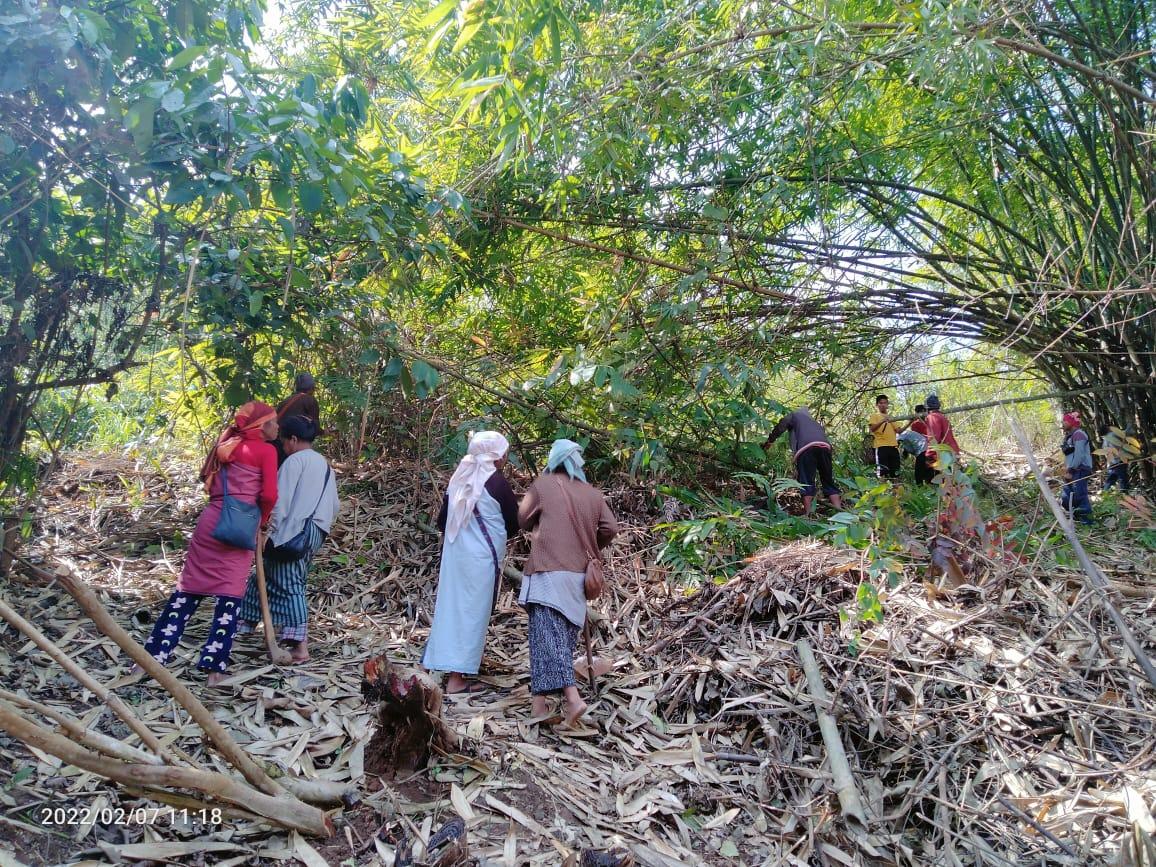
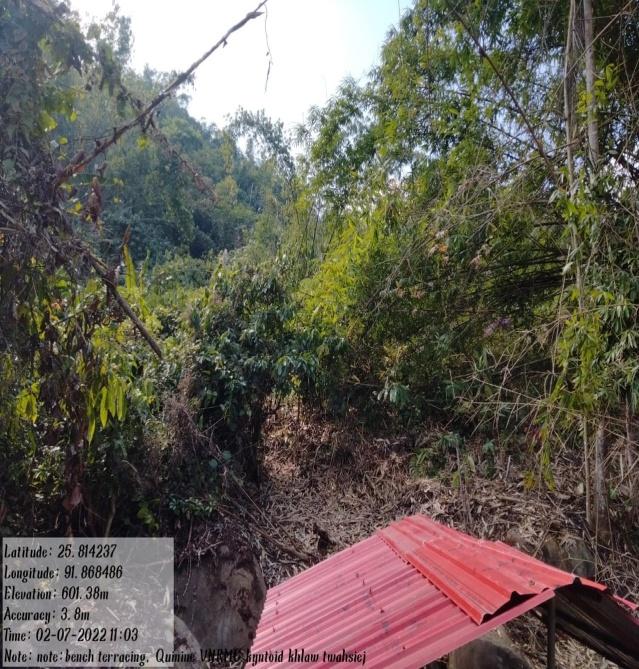
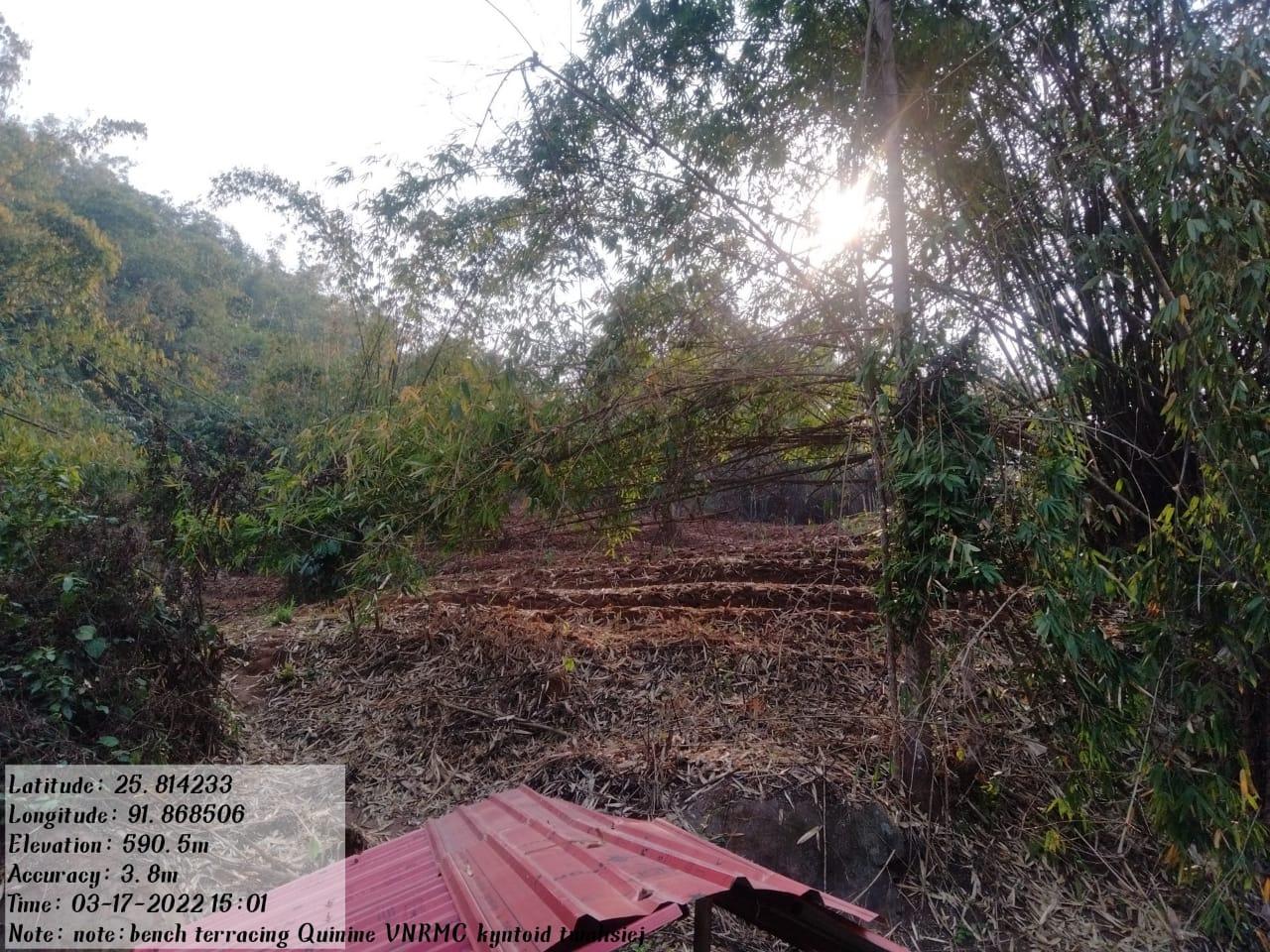
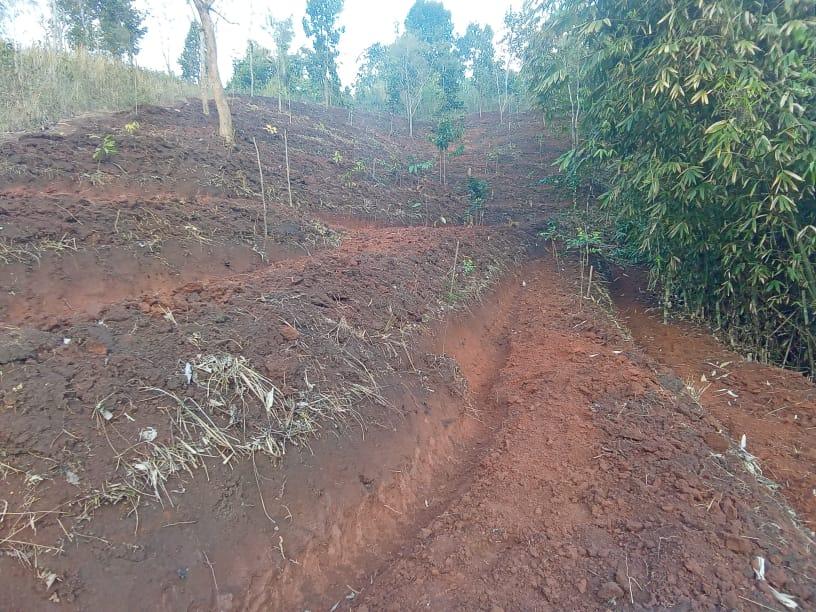
| Intervention Name | Site Name | Total Amount | Work Status |
|---|---|---|---|
| Contour trenches | Twahsiej | 69,960 | Completed |
| Intervention Name | Site Name | Total Amount | Work Status |
|---|---|---|---|
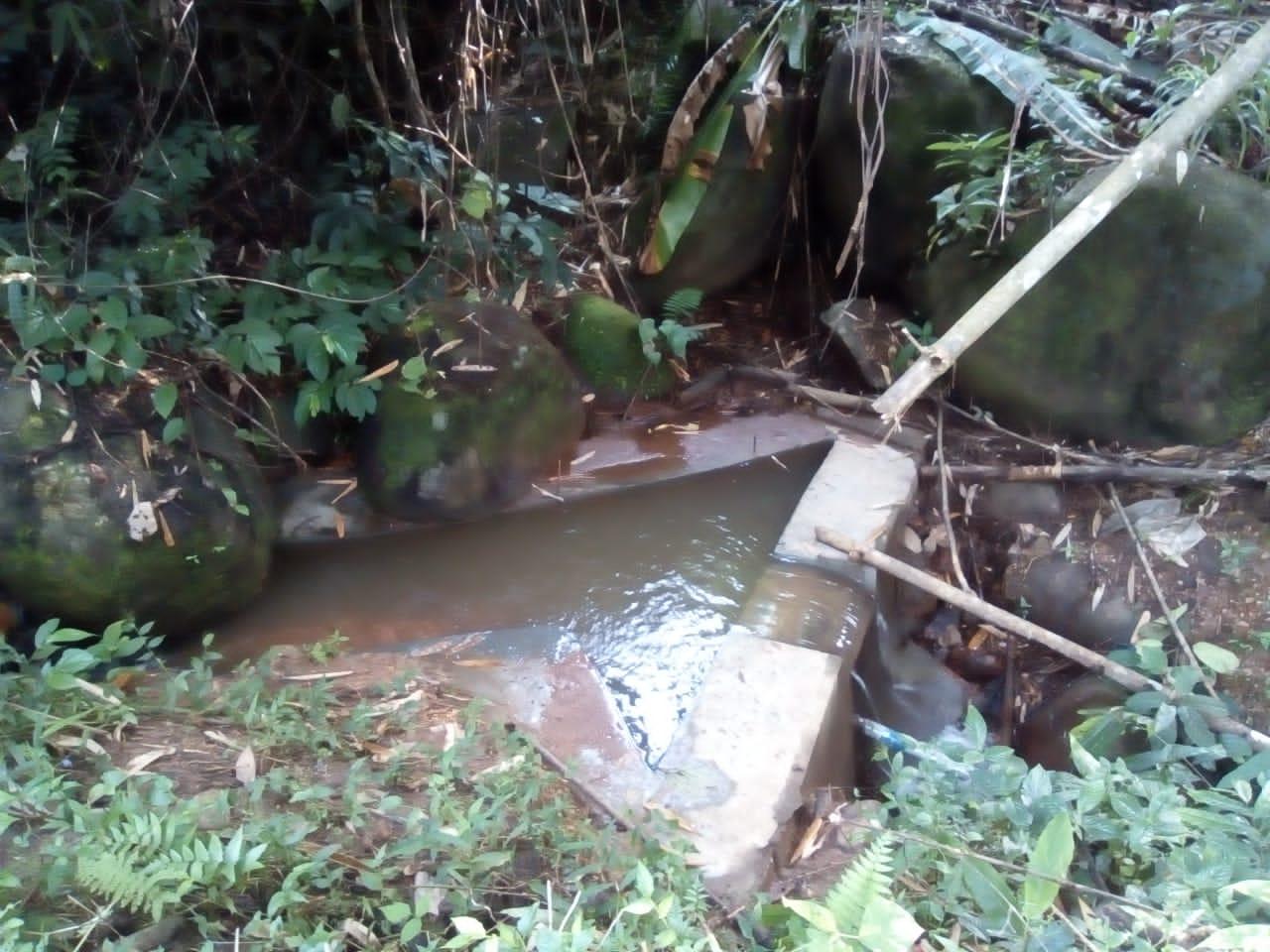
| Headwork Fencing | Them Khlaw Siej | 2,12,400 | Completed |
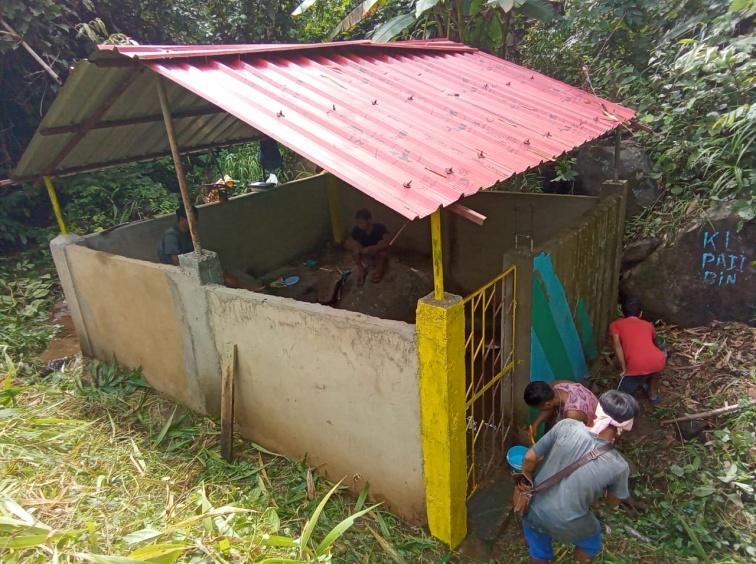
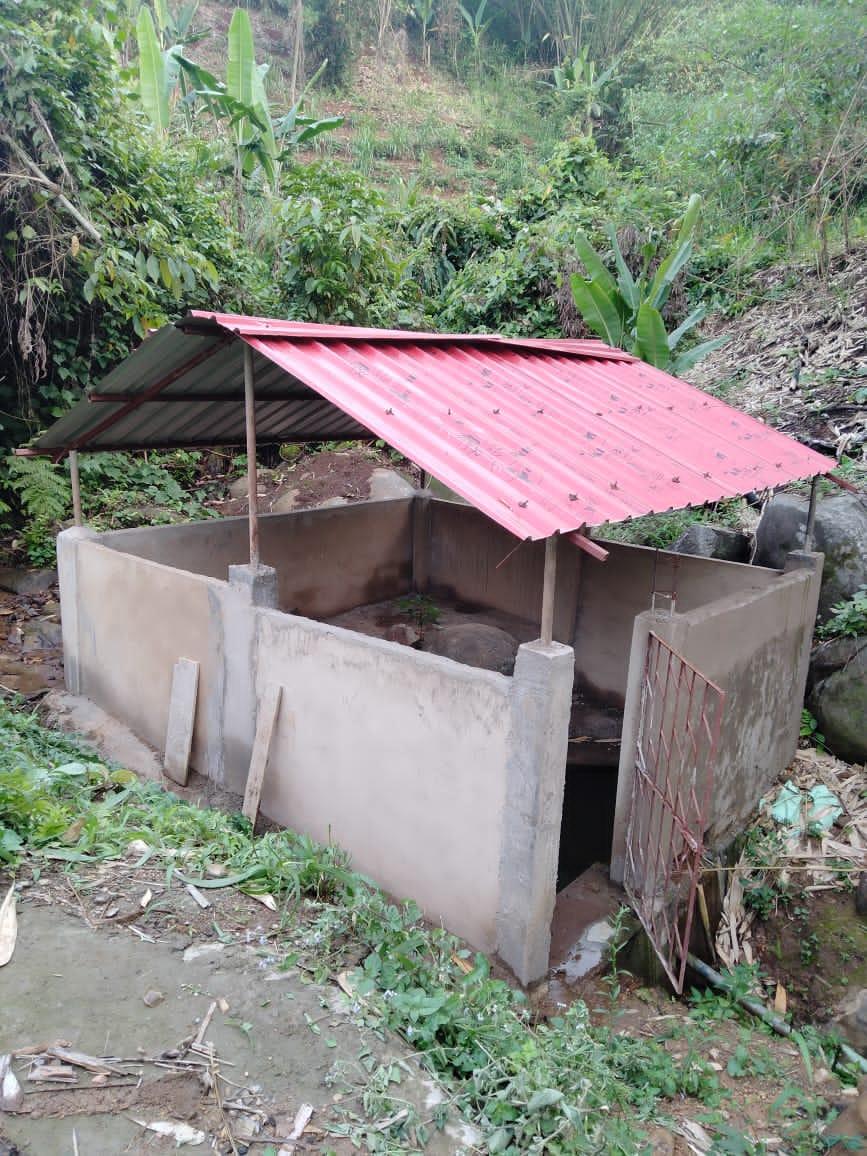
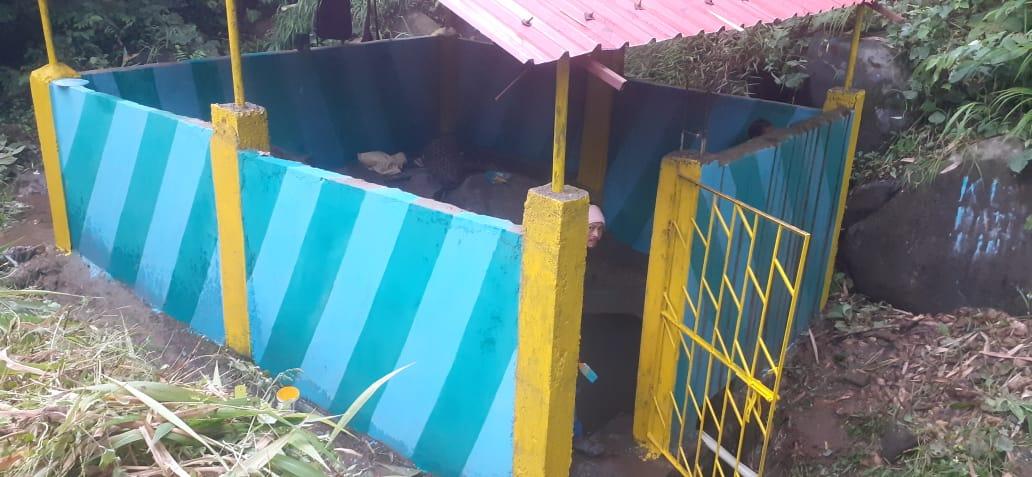
| Intervention | Site Name | Total Amount | Work Status |
|---|---|---|---|
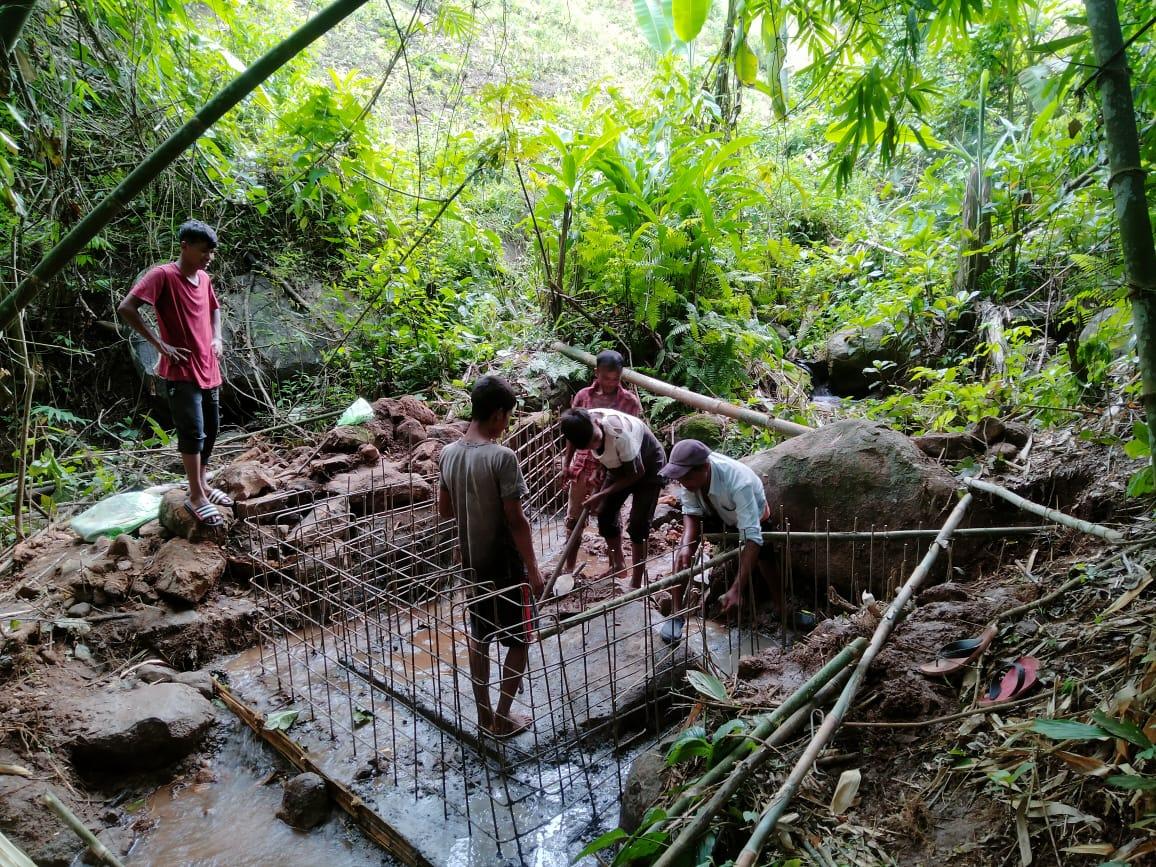
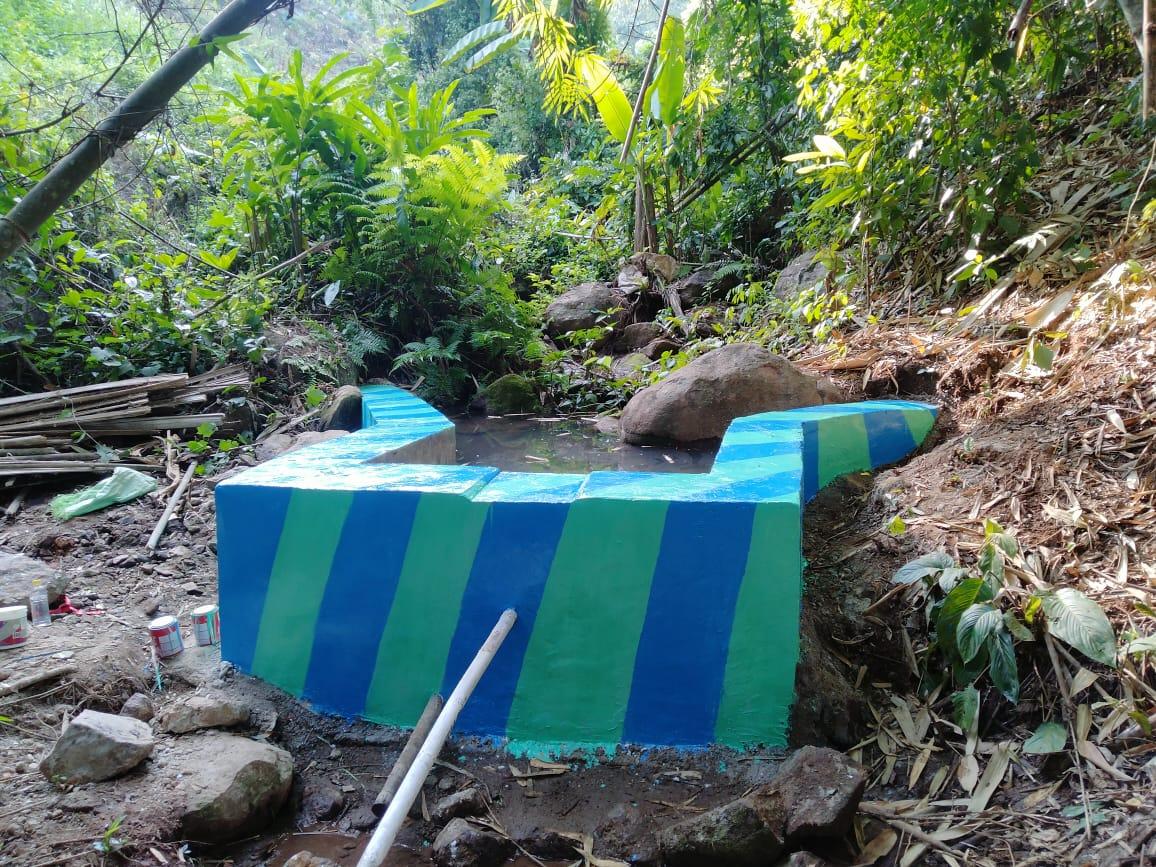
| Headwork | Law Syiem | 3,00,000 | Completed |
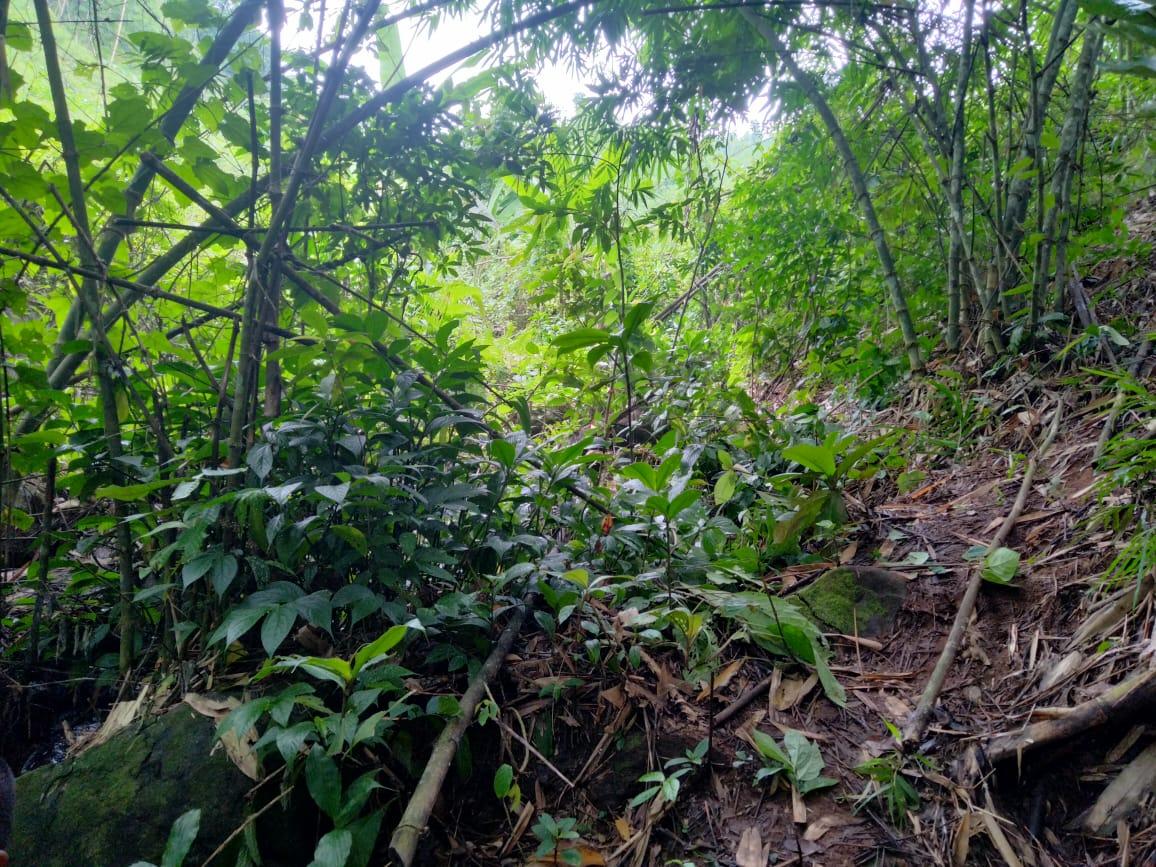
| Intervention | Site Name | Total Amount | Work Status |
|---|---|---|---|
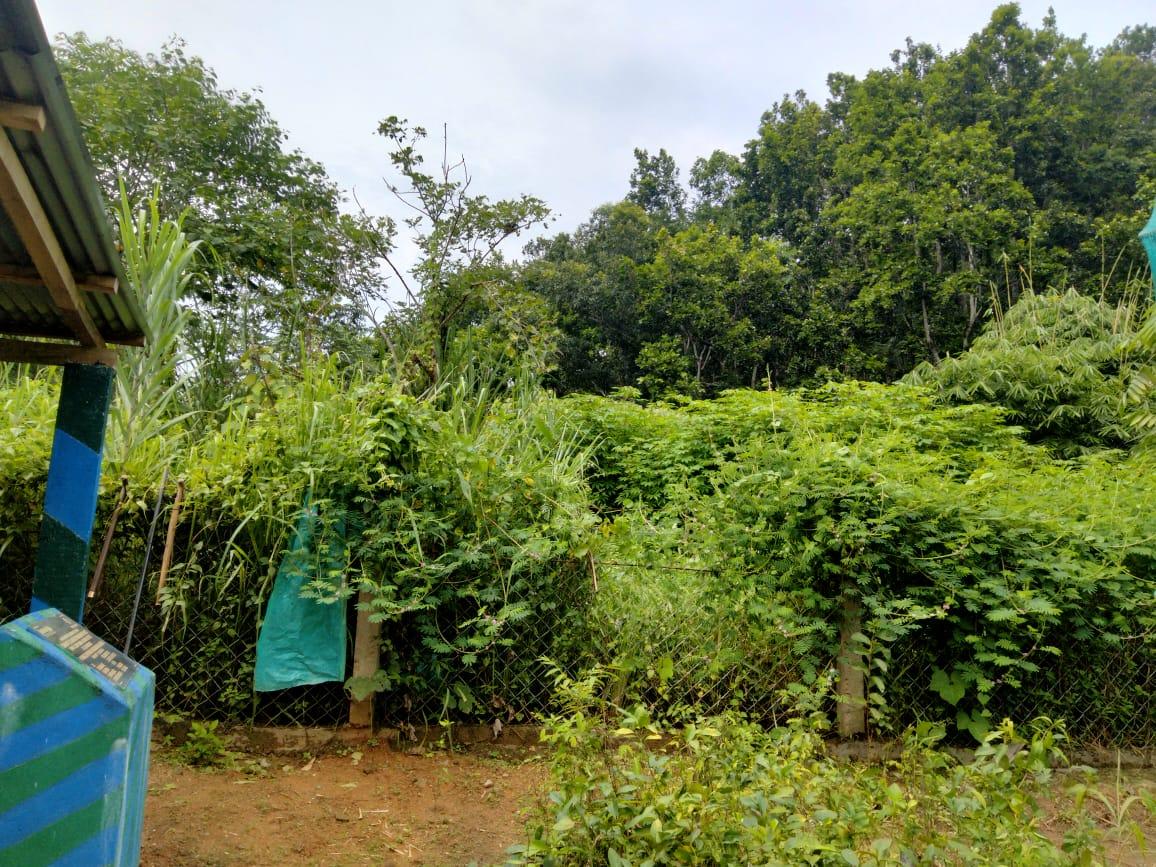
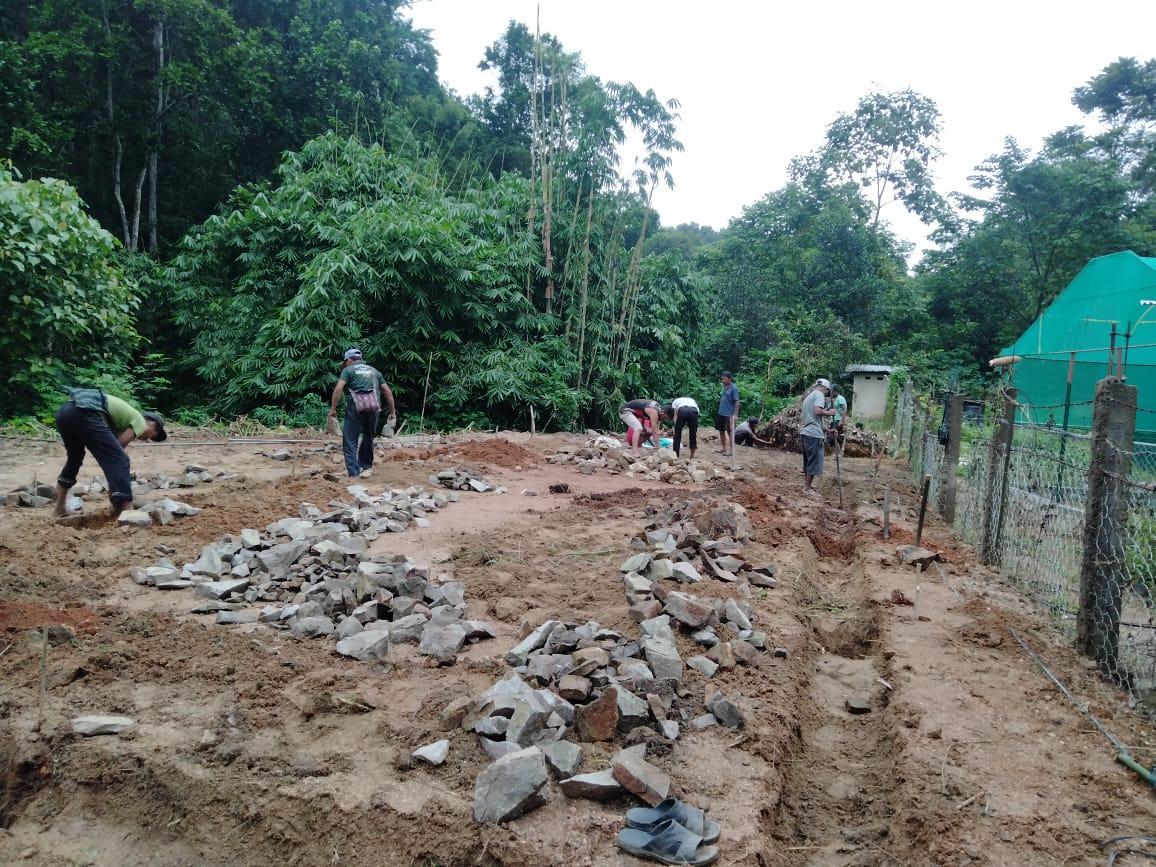
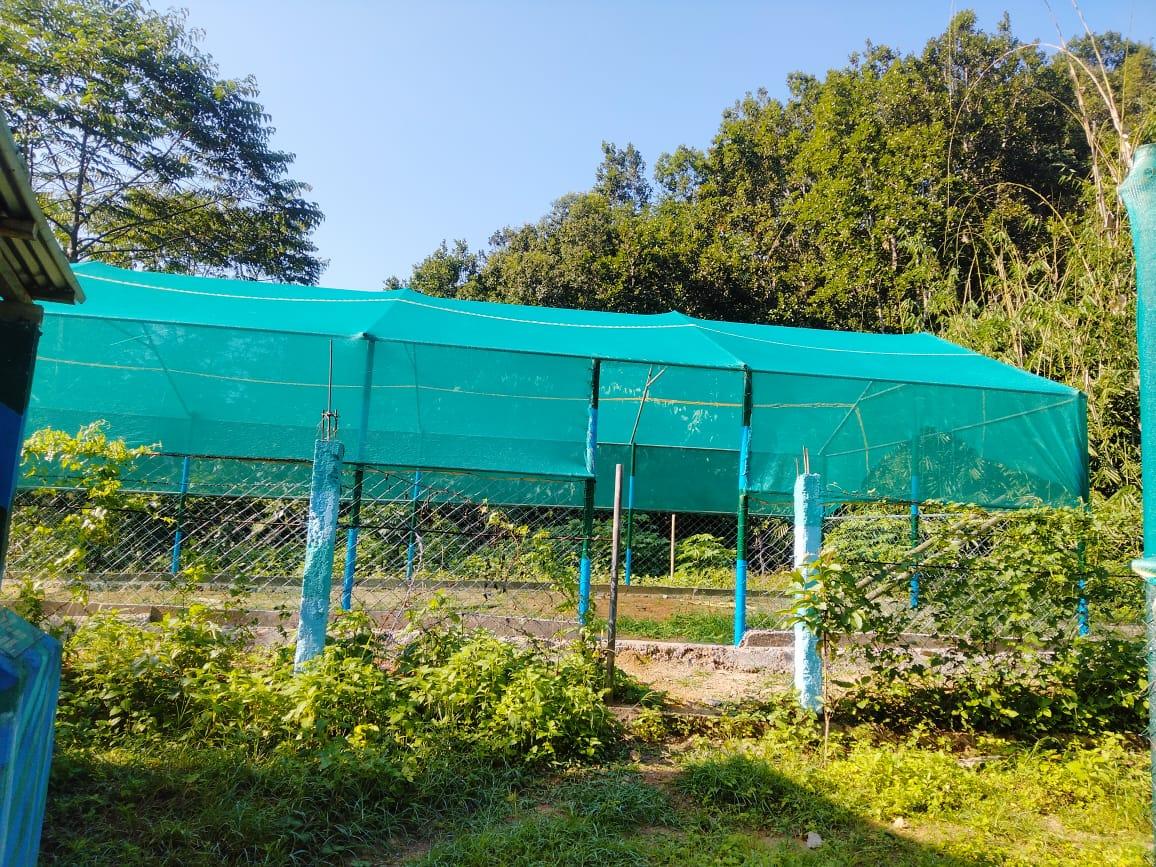
| Polyhouse for Medicinal Plants | Lad Umtasor B | 2,00,000 | Completed |
| Intervention | Site Name | Total Amount | Work Status |
|---|---|---|---|
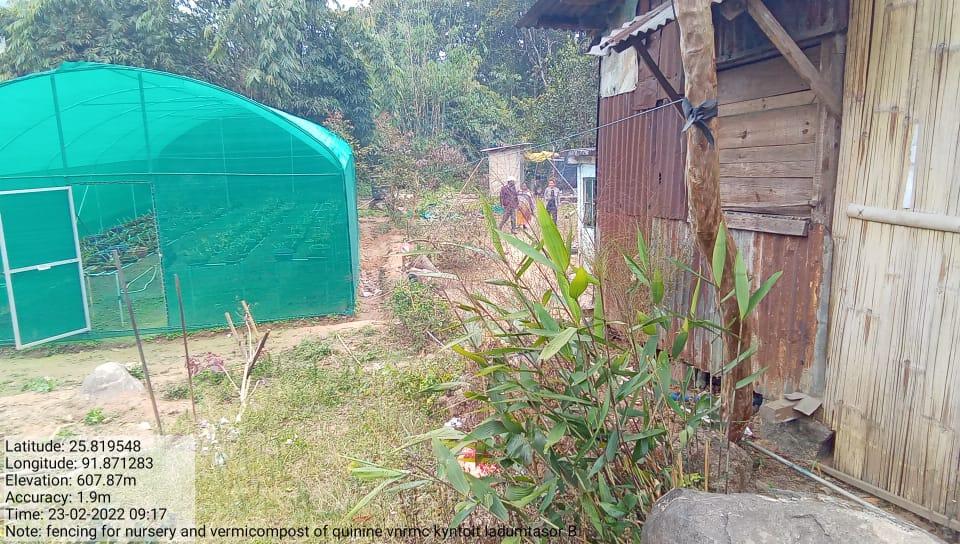
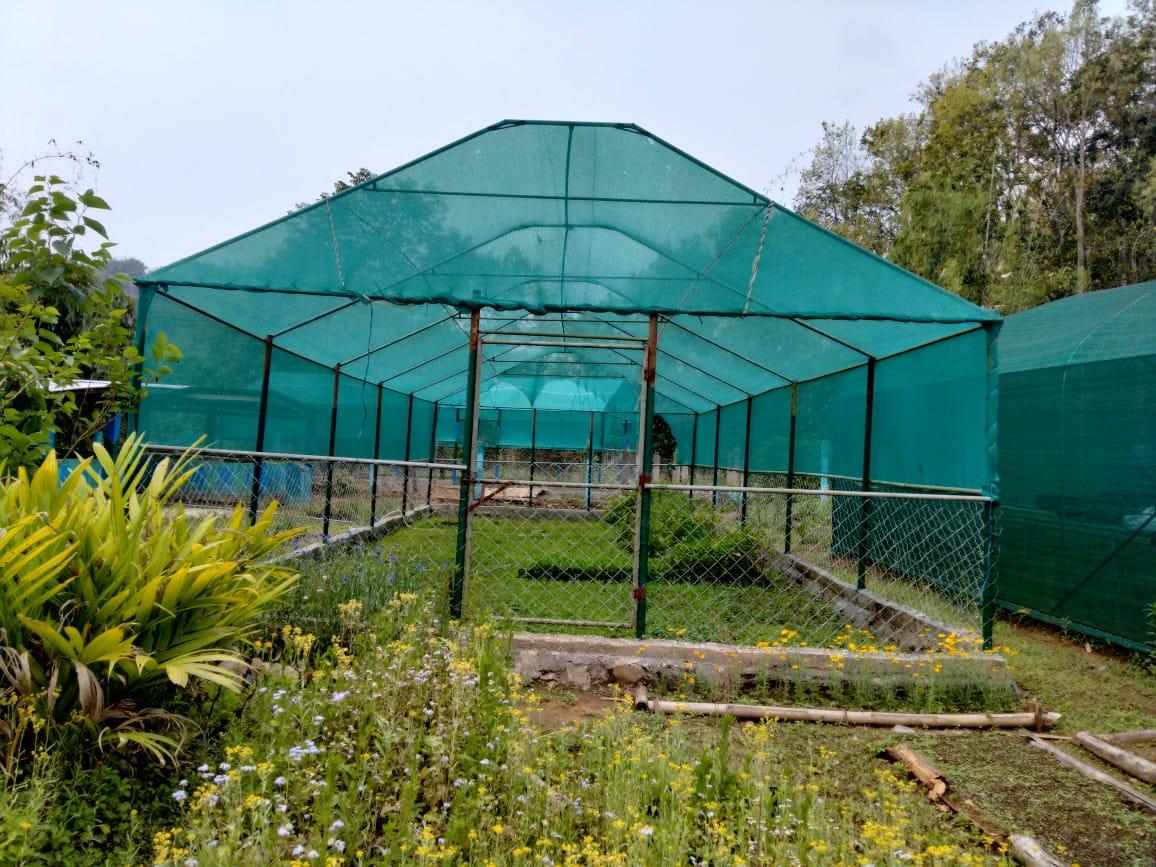
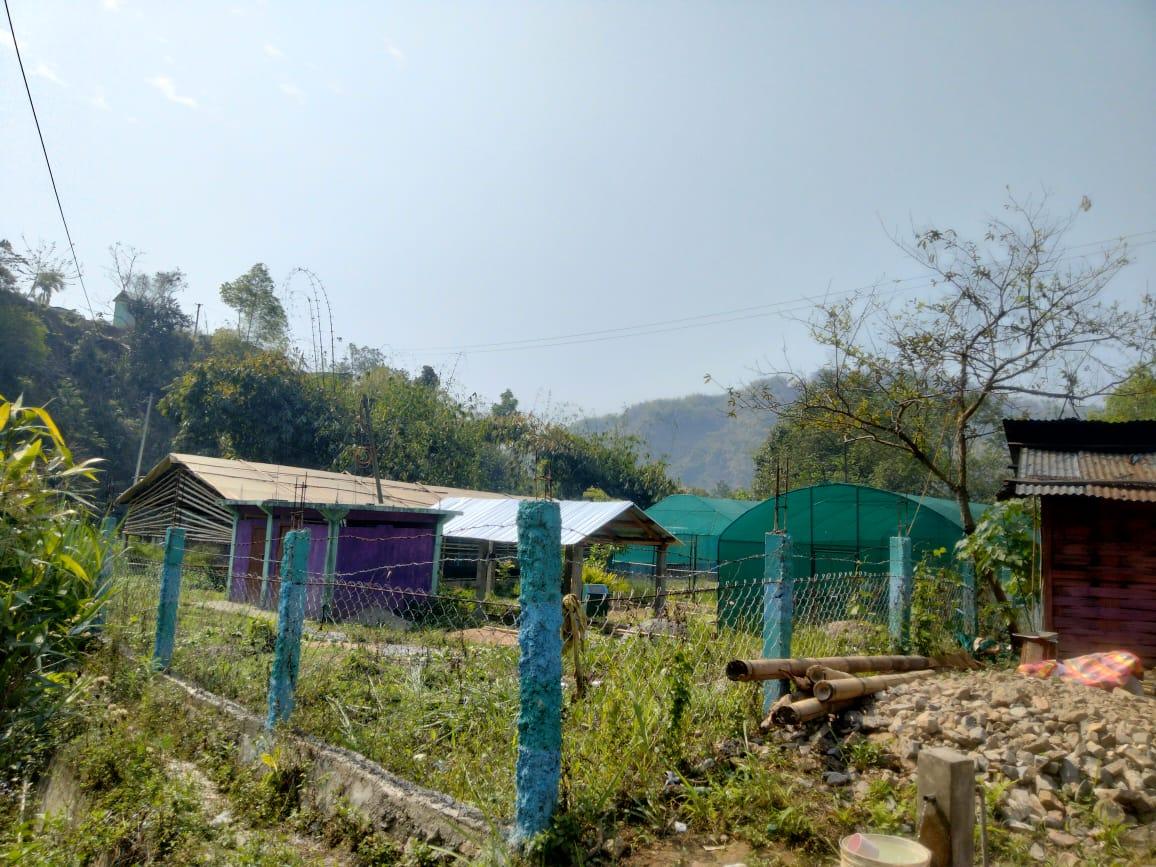
| Upgradation of community Nursery cum Fencing | Lad umtasor B | 4,62,723 | Completed |
| Intervention | Site Name | Total Amount | Work Status |
|---|---|---|---|
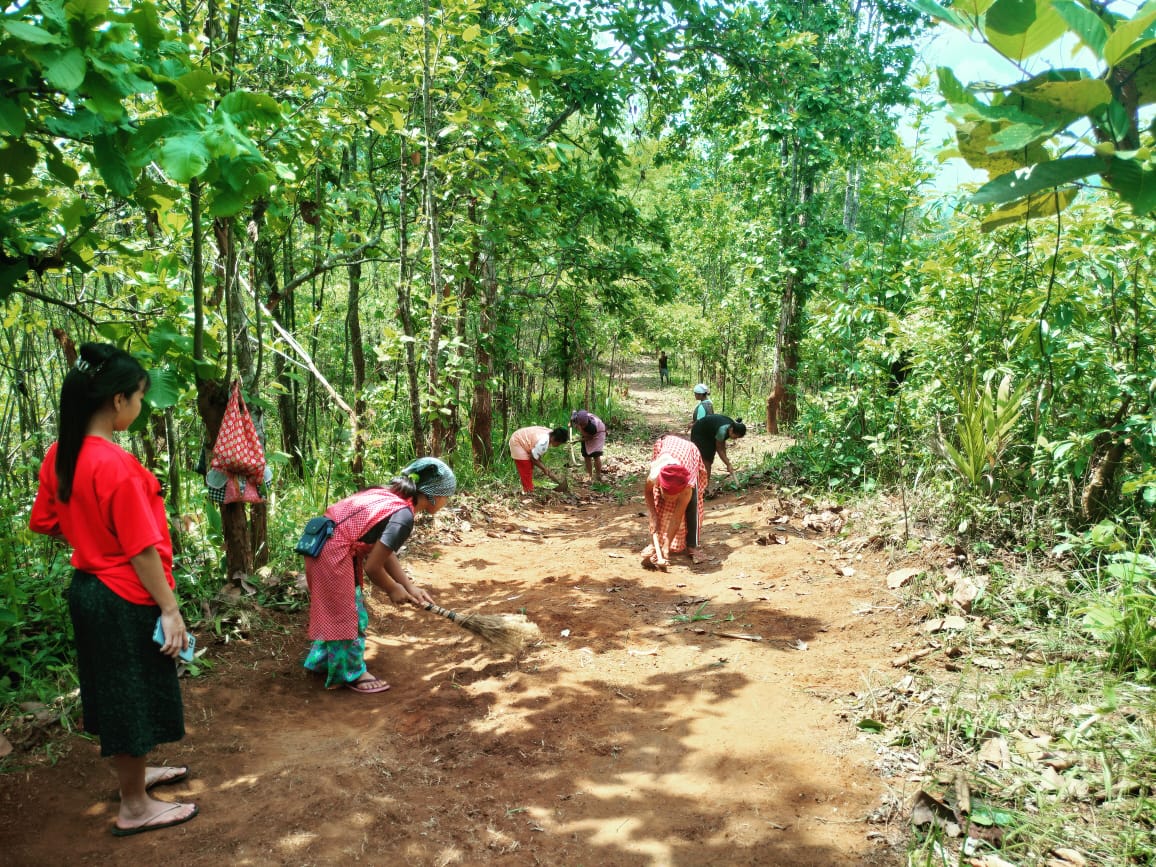
FMP Activities 1.Fire Control Line 2.Community Forest Boundary Survey 3. In-situ & Ex-situ conservation of rare and Endangered plants 4. Nursery for Food Forestry (Providing Seed Sapling for Existing Nursery) |
All under Community land | 12,155 2,000 3,823 11,000 |
Completed |
| Intervention | Site Name | Amount | Work Status |
|---|---|---|---|
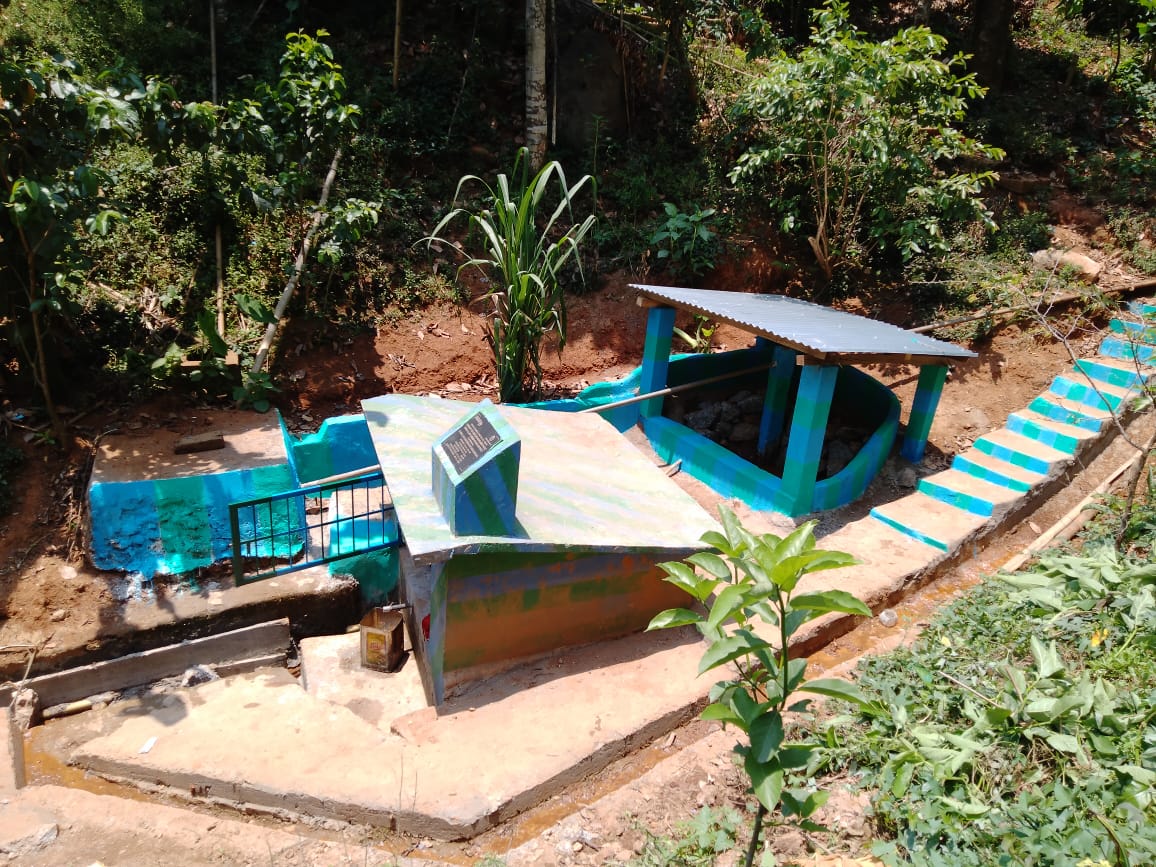
Excess fund activities Upgradation of Spring Chamber and Side Drain Gates for Spring Chamber Water TESTER Solar light |
community land | 1,00,444 | Completed |
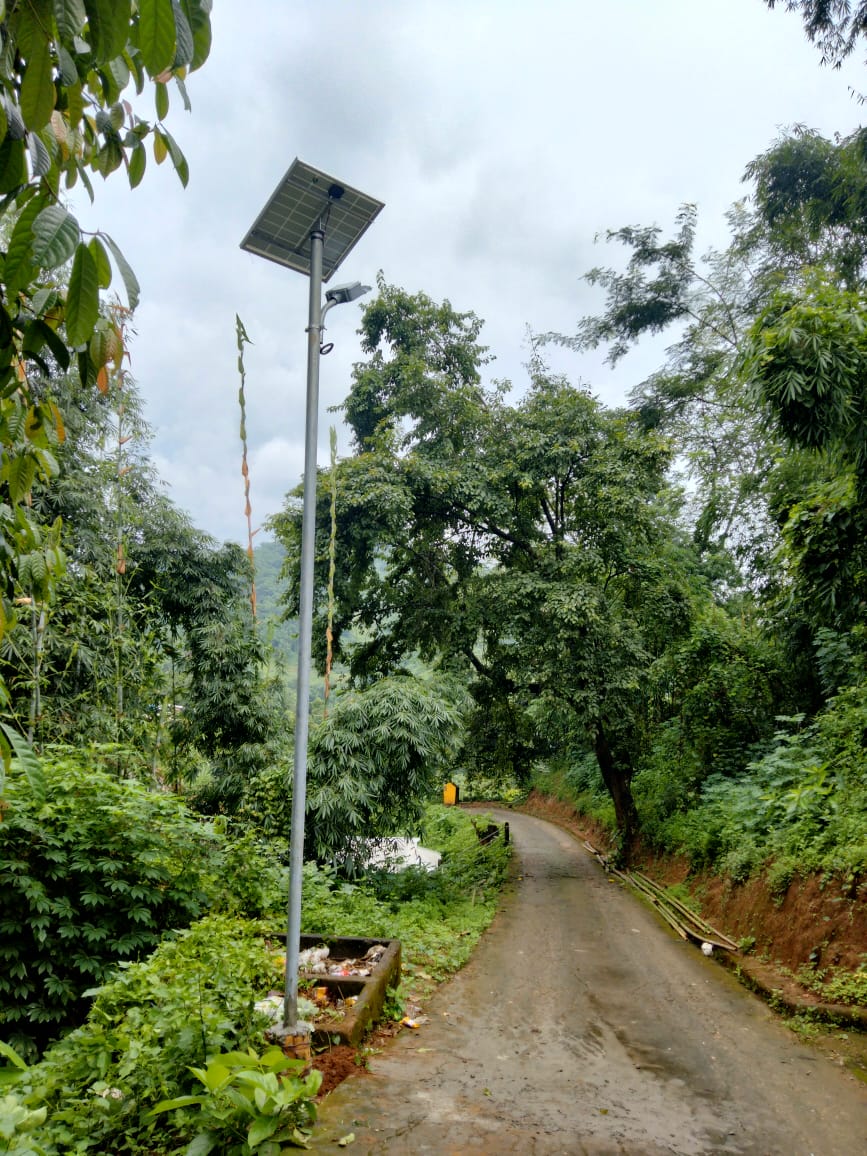
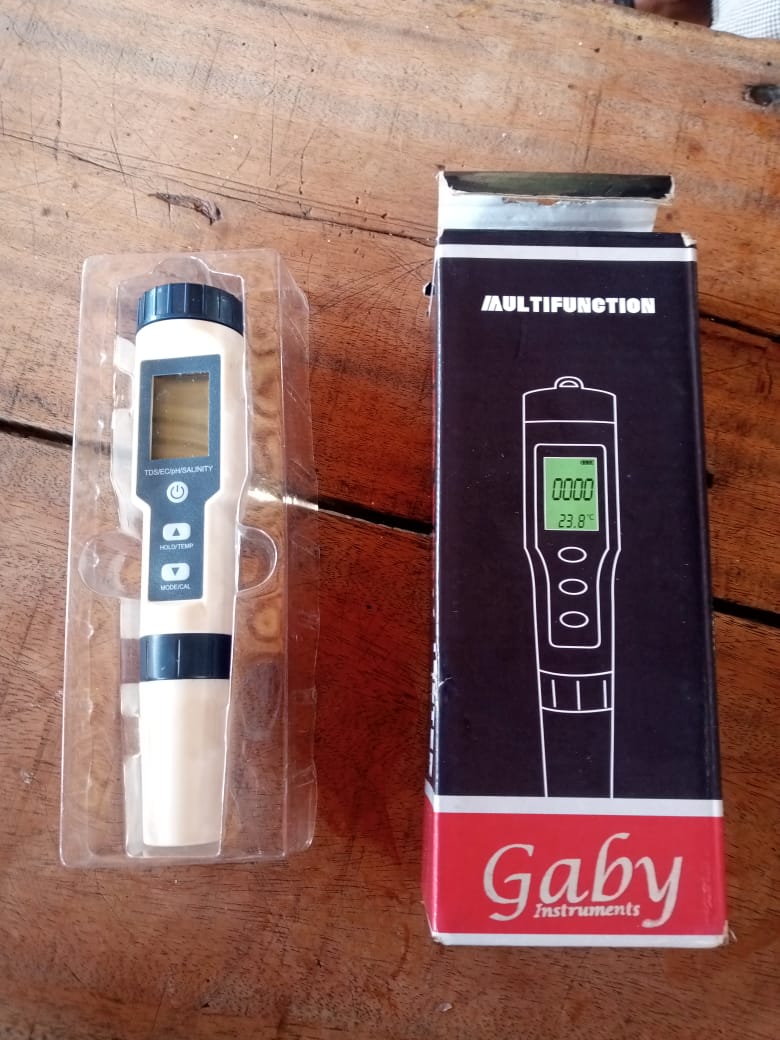
TESTIMONIALS
Secretary- Pretty Mary Syiemlieh 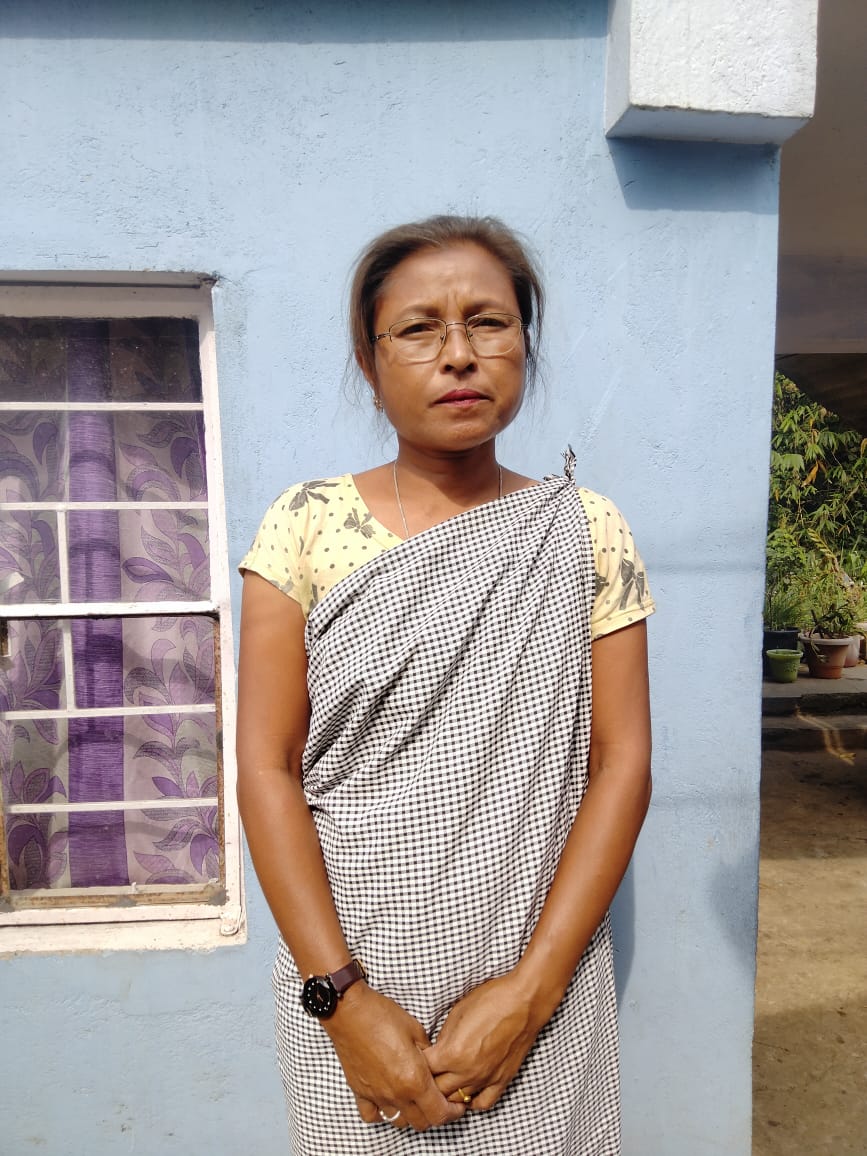
It’s wonderful to hear that the project in our village has brought numerous benefits and opportunities to the community. Projects that promote a positive impact on the environment and provide job opportunities can truly transform lives and create a sustainable future and CLLMP has really done that. From attending various trainings as a part of the project serves as an excellent way to enhance my skills and knowledge. Learning new things can open doors to even more opportunities and help me contribute further to the betterment of your village and the environment.
It's heart-warming to see that the project has also instilled in me and others a sense of love and respect for Mother Nature. Caring for the environment is essential to ensure its preservation for future generations. I hope to keep embracing the opportunities that come my way and continue to be an advocate for positive change and environmental stewardship. Together, we can make a difference and create a brighter future for everyone.
President- Bhastar Lyngdoh 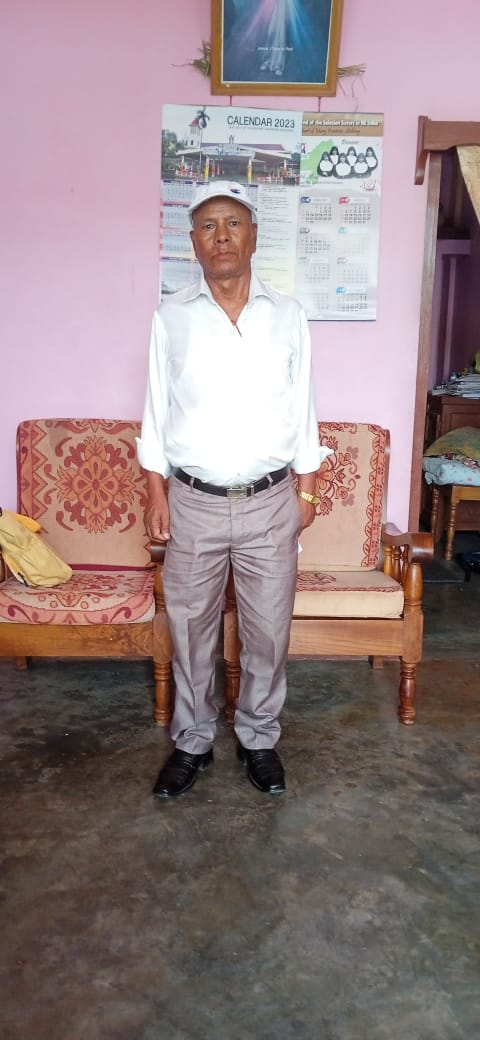
With the coming of this project in our village we can see various changes that are in it like the overall cleanliness in our village, various steps taken to preserve the environment, how to make fertilizers and plant various saplings using the vermicompost that was produced by the VNRMC. Earlier we used to face problems with regards to water availability to meet the daily requirements of the villagers however things have changed with the implementation of the check dam as it has been able to solve the water scarcity in our village. Through the nursery that was set up we now get to plant more tree saplings and which later can be shifted to the community forest once they are of bigger size and in all this we get to use the organic manure that our VNRMC has produced. I would like to mention that all of the activities that were undertaken under the project have really served the interest and cater to the utmost needs of the villagers.
VCF SM/KM - Olivia Hynniewta 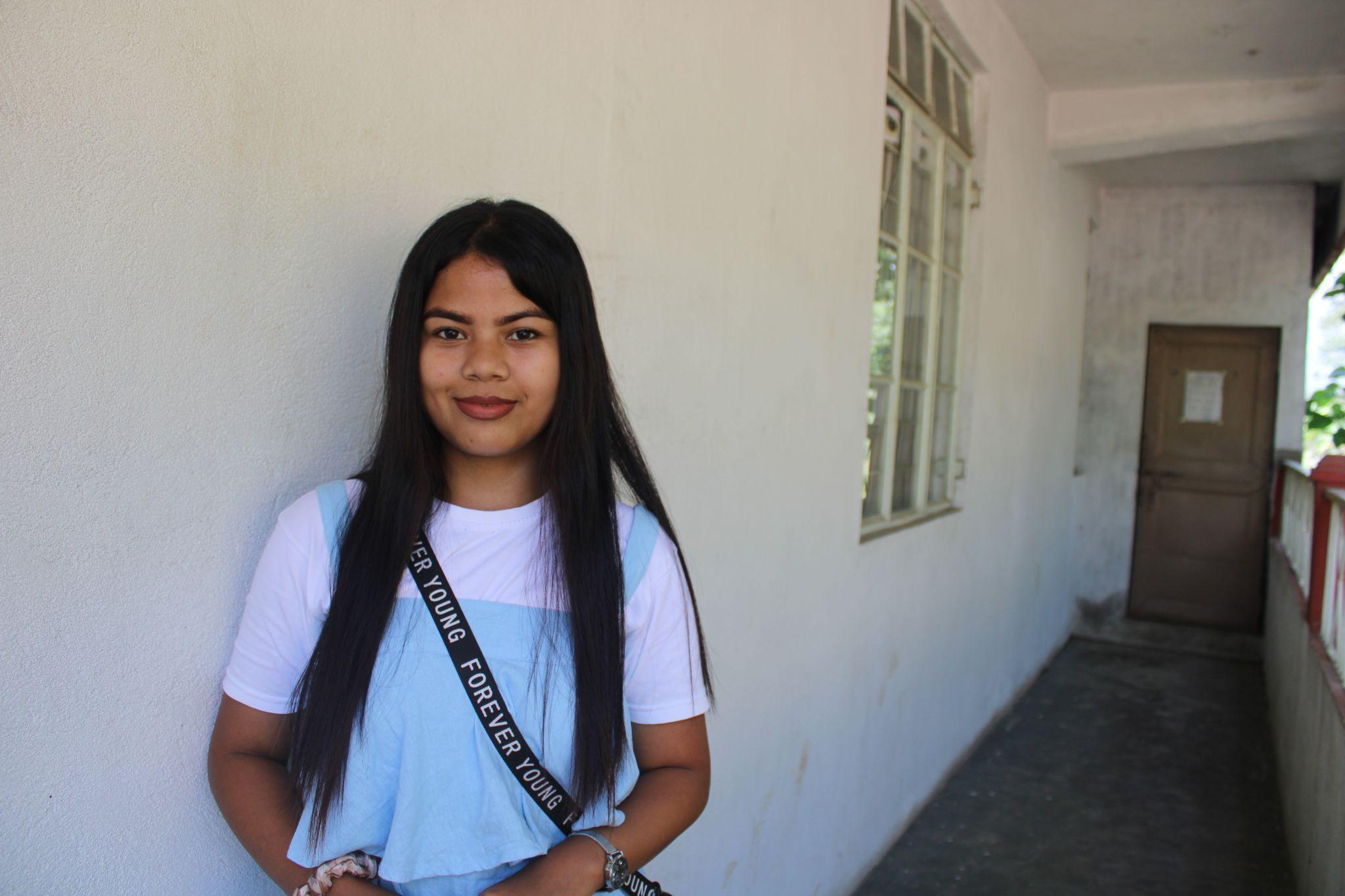
It's truly commendable when one takes the initiative to become a member of the Village Conservation Forum (VCF) and actively work towards the development of the village. My dedication to guiding and educating the villagers about preserving the environment, water sources, and maintaining cleanliness depicts my strong commitment to making a positive impact on my community and the surrounding area.
It's wonderful to hear and witness that the project has provided us with valuable opportunities, including a job that allows us to support our family and while also contributing to the betterment of the community. Being able to attend various training sessions has further equipped me with knowledge and skills, making me more effective in my efforts to promote environmental conservation.
The success and benefits your village has gained from the project would not have been possible without the collective efforts of the VCF members, the District Project Management Unit (DPMU), and all those involved. It's important to acknowledge and appreciate the teamwork and dedication that have led to these positive outcomes.
I hope my enthusiasm and commitment to the betterment of the
community seems inspiring enough to others. As I continue this
journey with the VCF and the project, I want to bring about even
more positive changes and continue to create a cleaner, greener, and
more prosperous environment for everyone in the village and will
strive towards making your village a better place for all its
inhabitants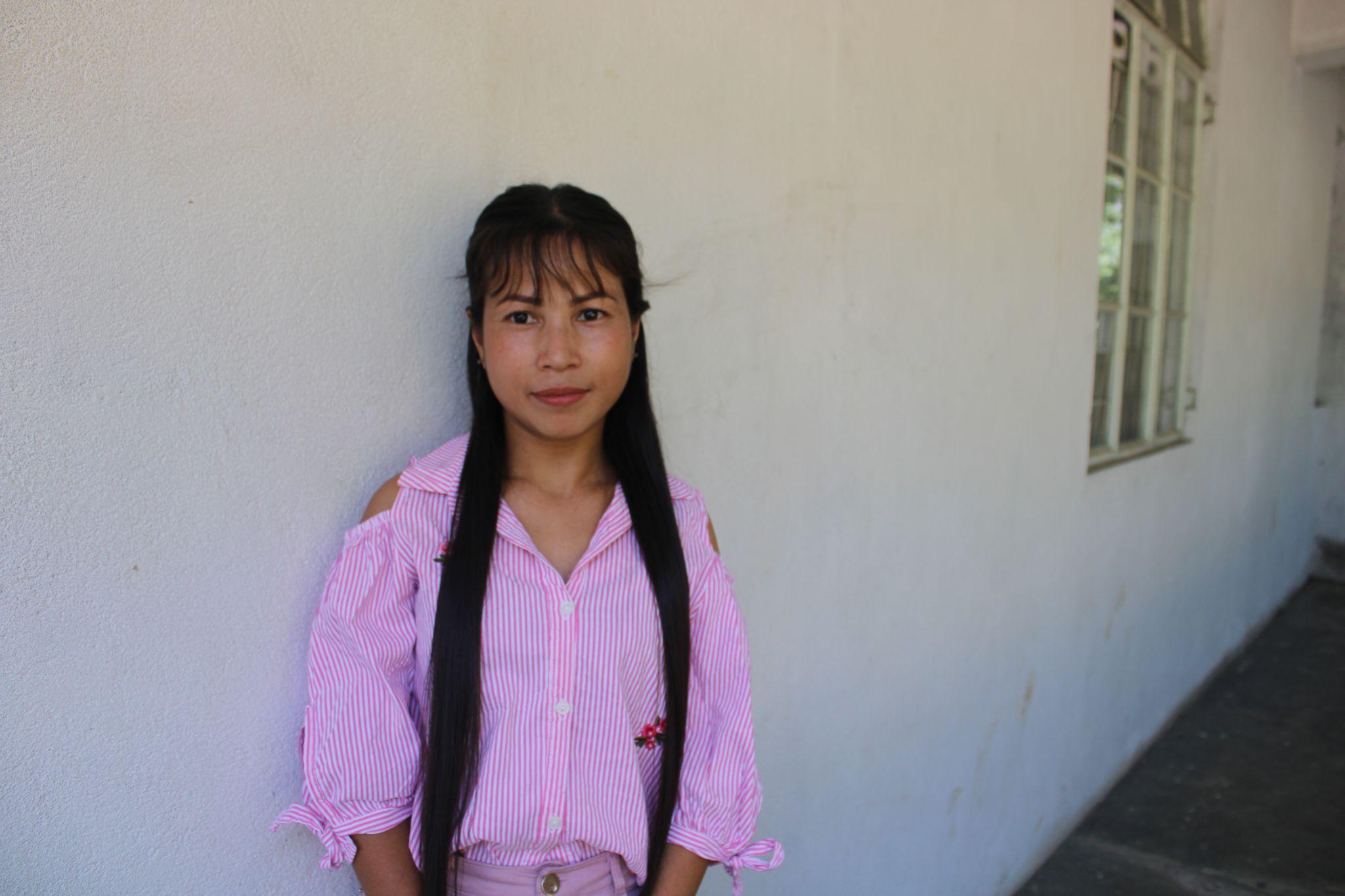
VCF Environment - Nisha Lyngdoh
As a VCF member, the commitment to educating the people of my village about the importance of Mother Nature and promoting environmental preservation is truly a need of the hour. Raising awareness about the significance of the natural environment is crucial in fostering a sense of responsibility and stewardship towards the planet we call home.
By explaining to the villagers how to preserve the environment and prevent activities like burning forests, we are playing a vital role in mitigating the adverse effects of climate change, such as water scarcity and deforestation. These efforts will not only safeguard the village from droughts in water sources but also contribute to the restoration and conservation of the forest's greenery, which is essential for maintaining biodiversity and ecological balance.
The positive impacts of the project on the village, particularly in terms of improved water availability and providing employment opportunities, are excellent examples of how community-driven initiatives can lead to sustainable development. The project's ability to offer daily wages to the villagers indicates how it is directly benefiting the local economy while also promoting a harmonious relationship between human activities and the environment.
Our dedication to the VCF's mission and the project's success is
truly making a difference in the village. By encouraging others to
appreciate and care for Mother Nature, we are nurturing a mindset
that prioritizes the long-term well-being of the community and the
planet as a whole. We hope to continue with this good work, and may
our efforts continue to inspire positive change and lead to a
brighter and greener future for our village.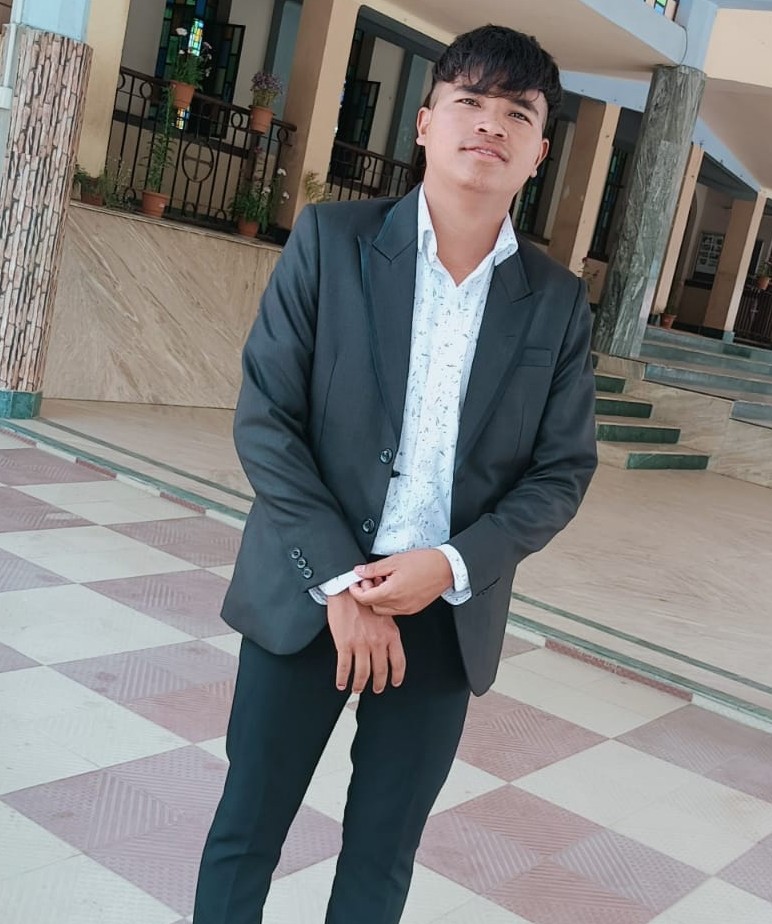
VCF M&E- Silvarius Nongsiej
It's remarkable to look back and hear about my journey as a VCF member and how I’ve embraced the responsibility with enthusiasm and dedication, even though it was not initially planned. Sometimes, unexpected opportunities lead us to make a significant impact, and it seems like I have fully embraced this role.
The support and encouragement from other VCF members and the staff at the District Project Management Unit (DPMU) played a crucial role in helping me understand my responsibilities and effectively contribute to the project's goals. It's heartening to see that the project provided training opportunities, which not only helped me personally but also empowered me to educate the community on the importance of environmental preservation.
The benefits that the village as a whole has gained through the project, such as improved cleanliness and access to clean water, are undoubtedly essential for the well-being and prosperity of everyone living there. By instilling a sense of responsibility and understanding of the importance of preserving the environment, you are fostering a culture of sustainability that will have lasting positive effects.
As I continue this work as a VCF member, I hope to not only be an advocate for preserving the environment but also an example of how individuals can positively impact their communities through their actions in relation to our planet.
The willingness to learn and experience new things demonstrates the commitment to personal growth and that of our village's betterment. Being the children of nature, it is our duty to protect and nurture it, and our efforts as a VCF member are a testament to that belief. Our passion for maintaining cleanliness in the environment and preserving natural resources will undoubtedly inspire others to follow suit.
I hope that our constant efforts lead to a more sustainable and vibrant village, setting an example for others to cherish and protect the environment for generations to come.