A VILLAGE REPORT ON SOHKYRBAM RIM UNDER JIRANG BLOCK RI-BHOI DISTRICT RI-BHOI DPMU MBMA-CLLMP |
|---|
Community Led Landscape Management Project (CLLMP)
The Government of Meghalaya with financial help from the World Bank is implementing the Meghalaya Community Led Landscape Management Project (MCLLMP). The project will cover the entire state of Meghalaya and implementation of community led plans will be rolled out in phase manner throughout the state. The Meghalaya Basin Management Agency (MBMA) will facilitate community-led planning by providing support, technical inputs and funding.
The project is intended to strengthen community-led natural resources management in selected landscapes within the 7 districts of the state. This would be achieved through a variety of planning, capacity building, and on-the-ground interventions to promote the conservation, sustainable use of natural resources, social inclusion and community mobilisation; building traditional knowledge and learning, mapping of natural resources management; strengthening the community institutions and creating linkage with financial institutions and community organizations.
The project interventions include preparation of community led natural resource management plans. The CLLMP has the following three components:
Strengthening Knowledge and Capacity of Communities for Natural Resources Management
Community-Led Landscape Planning and Implementation
Project Management and Governance
The project objective is “to manage and conserve the natural resources, especially forests, soil and water sources, in a manner that supports the financial and physical well-being of communities in the State”
Introduction
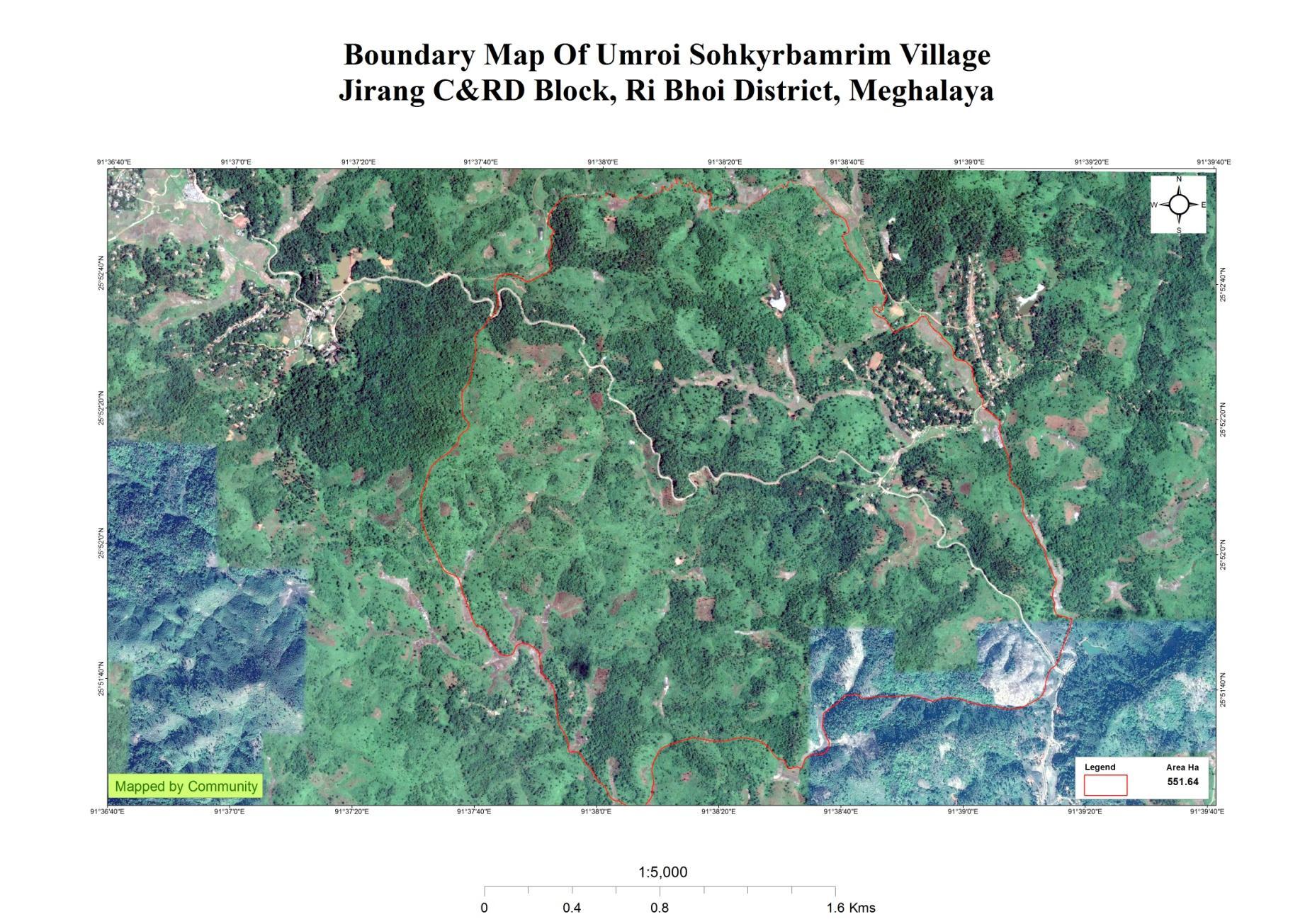
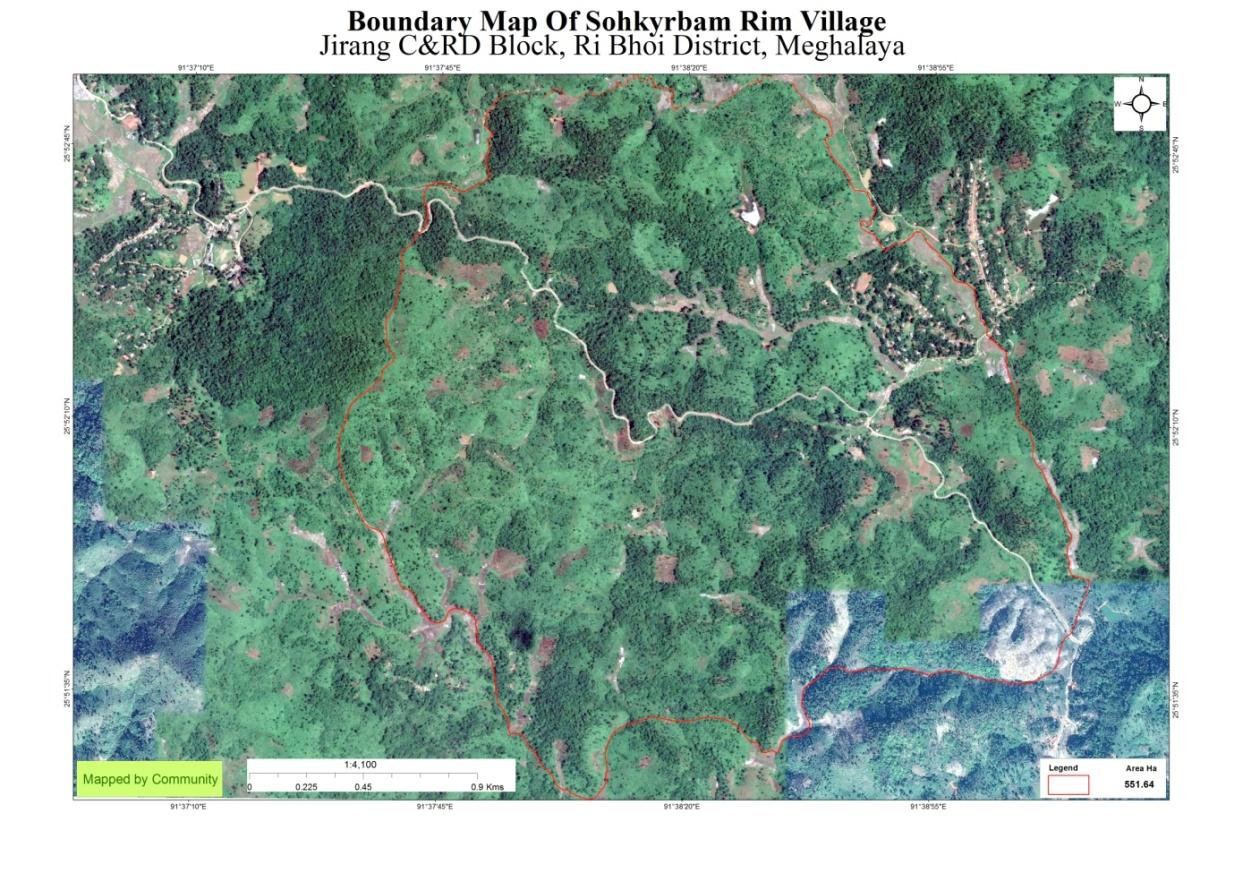
Sohkyrbam Rim Village falls under Jirang C&RD block of Ri-Bhoi district in the state of Meghalaya. The village is at a distance of 50 Kms from Nongpoh, the district headquarters of Ri Bhoi District and is at a total distance of 154 Kms from the state capital, Shillong. It falls under Hima Nongkhlaw with a total geographical area of 551.64 ha and a total population of 619 villagers.
Short History of Sohkyrbam Rim Village
Sohkyrbam Rim village is one of the older villages in the western region of Ri-Bhoi district. The exact foundation date or year of the village is not known. The first inhabitants of this region were of the Rabha tribe who came from the Nongpoh, Mikir region under the leadership of Dunia. Even though it was an area with dense forest yet they still settled here as they wanted a place to settle down permanently. There were just four households when they started to settle down in an area that is known as Umsaw but as the area was quite narrow for making paddy fields so they shifted to a place which is plainer and which is now known as Khar Umsaw.
When these Rabhas shifted from this area there started to emerge a few households on top of a hill which is to the west of a spring called Umryngkew Khla. And this area was known as Nongrim Umryngkew Khla. Nongrim Umryngkew Khla grew in the number of households and population and prospered as time passed. But it seems that this village wasn’t meant to last as a plague fell on this village and affected almost each and every household. And almost everyone in the village perished from the village except for 10 people. In this time of great sadness and peril a man known as Sorbilan (he was a man who provides traditional medicines) came to the village and advised the remaining villagers that if they kill a black dog and each of them consume a piece of its meat then they would be able to avoid the plague and live. The villagers took his advice and after they ate the meat they were unaffected by the plague. They then proceeded to perform sacrifices and perform rituals and found out that this hill they were living on is unfit to live in anymore so they decided to look for a new place to settle down in and leave this place. They then came to settle down in this area which is now known as Sohkyrbam Rim. This place is known as Sohkyrbam as there are a lot of Elephant Apple (Dillenia indica) locally known as Sohkyrbam in its vicinity.
Christianity first came to this village in the form of Protestantism and there were many Protestants in the village. But then Catholicism came to the village and most of the villagers started to convert to Catholicism which created a rift between the two religious sects of the village. As time passed this rift kept on growing until the Protestants decided to leave the village and form a new village called as Sohkyrbam Domphlang. But the owner of these areas decided to sell most of Sohkyrbam and as the villagers couldn’t afford to buy the village so they decided to request the Father Army of Nongpoh to help them to retain this village, the Father agreed to it and bought the areas on the 27th December 1982 with a writing that says “I Father Army buy this place Sohkyrbam for my fellow Christian Catholics so that they can reside as long as they see fit.” As the followers of Catholicism now feel that they are really real residents and owners of this village so they decided to rename the village from Sohkyrbam to Sohkyrbam Rim, and that is how the name came about.
Social Profile
The total number of households is 114 and has a population of 646 people. Most of the people are engaged in Agriculture allied activities , Masons, Local vendors and where some few others are also enrolled in government servants .
Village Accessibility: In order to reach Sohkyrbam Rim village, one must venture through the Umling P.W.D. road lying 11 km from the Block Headquarter and lying 54 KM far away from District Headquarter one who wants to venture through Sohkyrbam Rim village it’s very easy to find Sohkyrbam Rim village since it is located near the Road side and theirs are footpath but they are of kutcha type that are made from MGNREGA Scheme that can lead and take you inside the village.
Literacy: As per the 2011 census, the village literacy rate has touched to the tune of 78.05 % in which it is higher compared to Meghalaya literacy rate 74.43% as of 2011 Census the Male literacy rate of Sohkyrbam Rim village stands at 79.70% while female literacy rate was 76.16% .
Population
Sohkyrbam Rim population is 646. Out of this, are males while the females count is . This village has 74 children in the age group of 0-4 years. Among them 47 are boys and 27 are girls.
| Age Group | Male | Female | Total |
|---|---|---|---|
| 0-4 | 47 | 27 | 74 |
| 5-14 | 108 | 89 | 197 |
| 15-30 | 89 | 87 | 176 |
| 30-60 | 88 | 83 | 171 |
| Above 60 | 18 | 10 | 28 |
BPL/APL Household:
The village has a total number of 114 Ration cardholders in which 111 belong to BPL and 03 belong to APL. The major occupation of the people is farming while some are Teachers, Mason and Govt. servants.
| Total HH | 181 |
|---|---|
| BPL | 111 |
| APL | 03 |
Card Holding Household:
| Particulars | No. of HH |
|---|---|
| Total HH | 114 |
| Ration Card HH | 114 |
| Health Card HH | NIL |
Fuel Type:
| Fuel Type | Total HH | ||
|---|---|---|---|
| Charcoal | NIL | ||
| Biomass | NIL | ||
| Wood | 114 | ||
| LPG | 60 | ||
| Electric Heater | NIL | ||
| Kerosene | NIL | ||
OCCUPATION: The people of the village rely on agriculture and forest ,small business, Teachers , Govt servant and Mason for their everyday livelihood.
Drinking Water: The villagers facing a big challenges when it’s
come to drinking water because there are very less water sources in
the village and also the PHE water are irregular and not enough
pipelines to each Hamlets in the village so the people of this
particular hamlets are facing a lot of problems to get access to
drinking water.
Jhum cultivation: mainly take up traditional approaches of cultivation

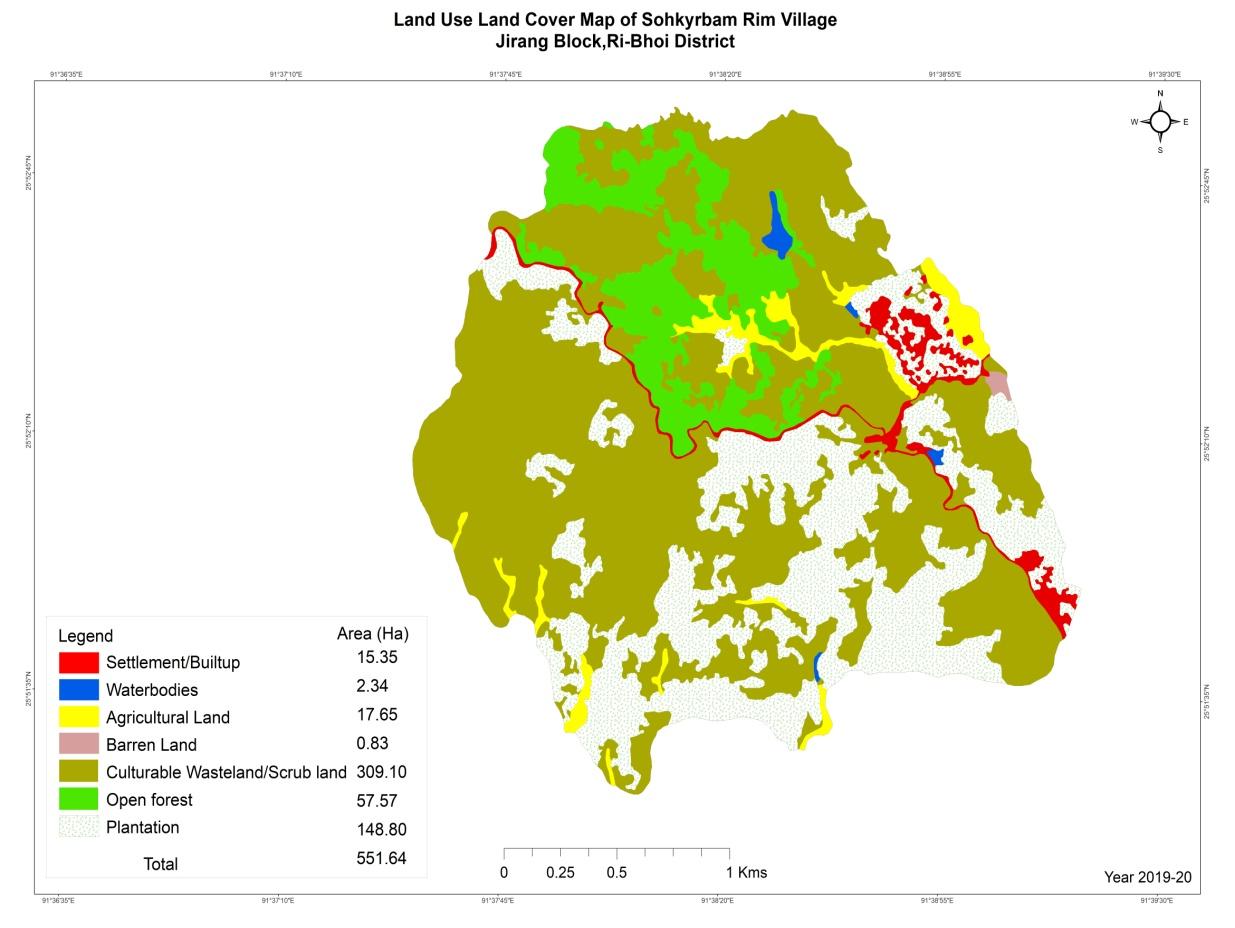
WATER BODIES LAND
Spring – 6 FOREST AREA- 57.56 Ha
Stream – 5 CULTIVABLE LAND -166.46 Ha
Pond – 39
Ground Truthing
Dated: 27th of August 2019
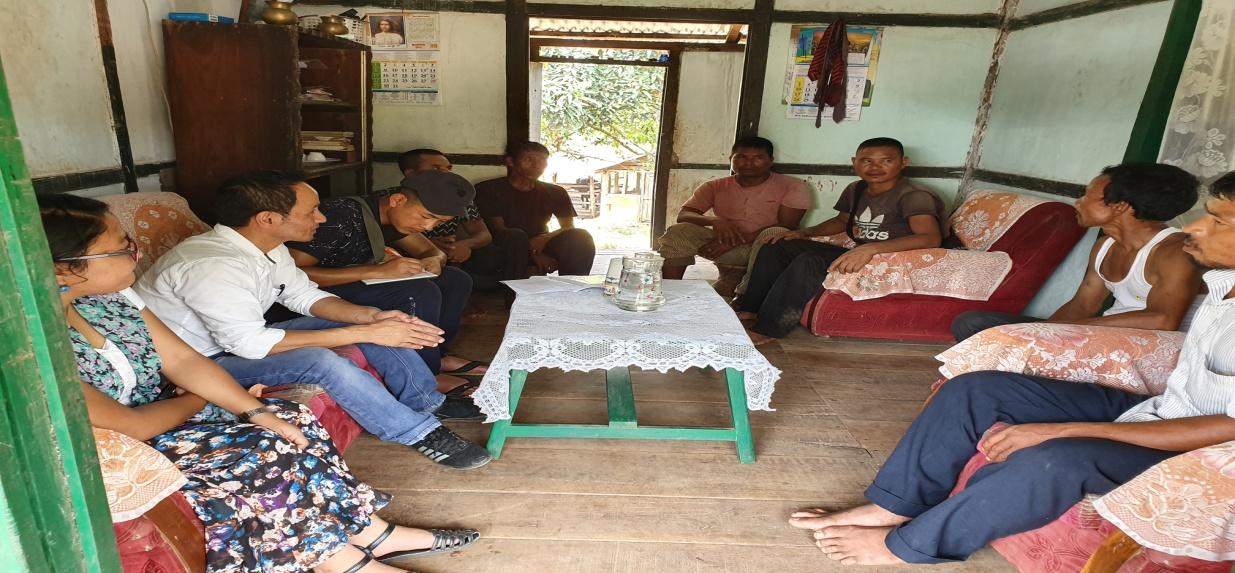
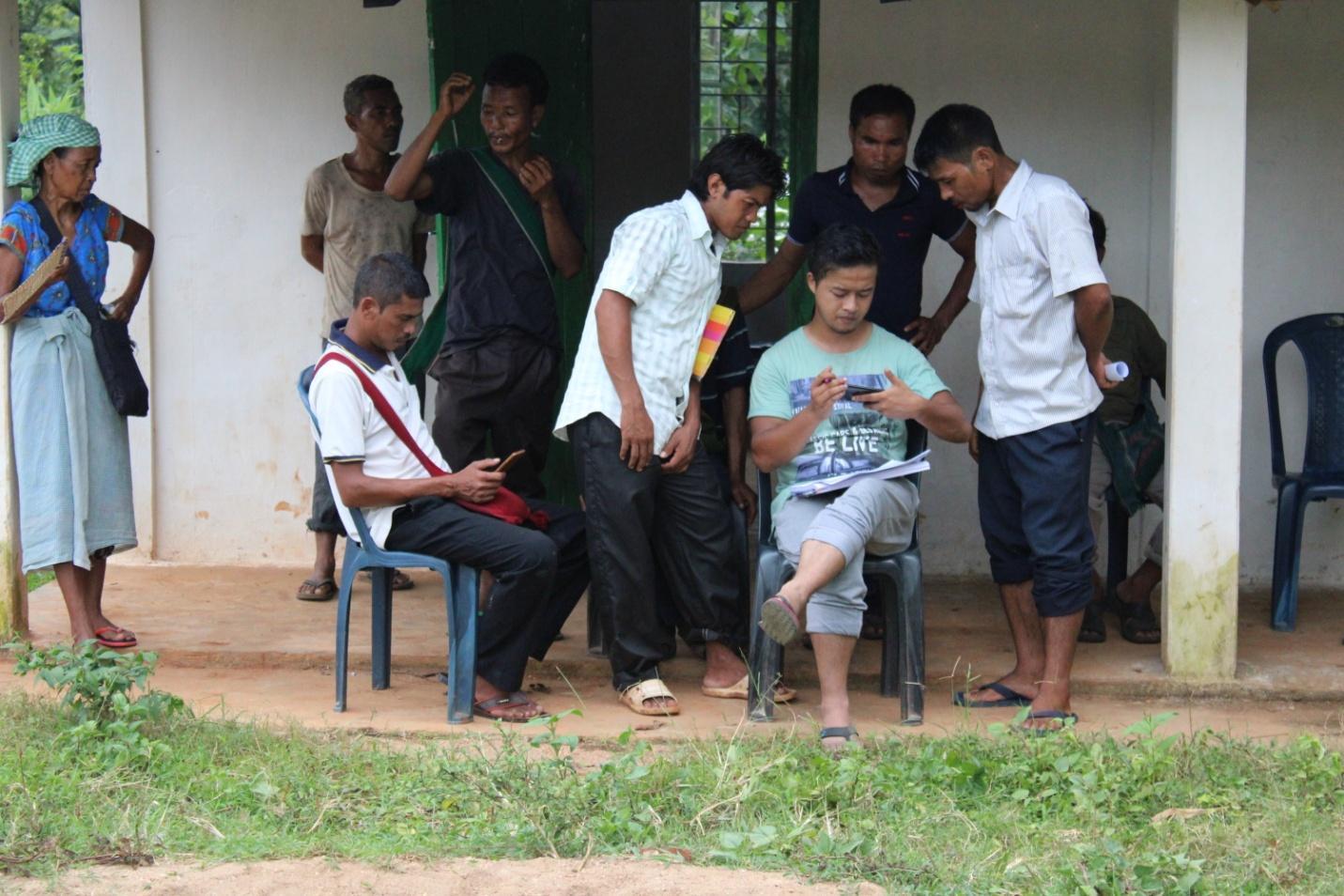
The CLLMP team met with Mr. Ship Tron, headman and Mr. Stephan Syngkli, Secreatary of Sohkyrbam Rim village on the 27th of August 2019. They provided the team with important information regarding the current scenario of the landscape and the Natural Resource management under their leadership.
Case Findings:
There are a total of 114 Households out of which 111 HH falls under the BPL category
Actively performing VEC
Mostly private lands however the owners are willing to give the land for the betterment of the village. They have a community land which is around 2 acres which can be used for growing plants or afforestation.
Sensitization Programme
Dated: 16th of August 2019
The District Project Manager and the Assistant Managers held a village Level sensitization Programme on the Community Led Landscape Management project on the 16th of August 2019.The villagers actively participated in the program, voicing out their concerns and questions regarding the project making it a huge success.
The CLLMP officials gave a brief introduction on Meghalaya Basin Management Agency (MBMA) and elucidated about the various programmes and projects that MBMA is working on, they then gave a detailed introduction on the Community led Landscape Management Project (CLLMP) and the different aspects and procedures that the villagers and the CLLMP team should carry out during the course of the project and the importance of the involvement of the community for the CLLM-Project to be a success. They gave due importance to the environmental aspects of the project and enlightened them on the various benefits that the villagers could obtain from the project.
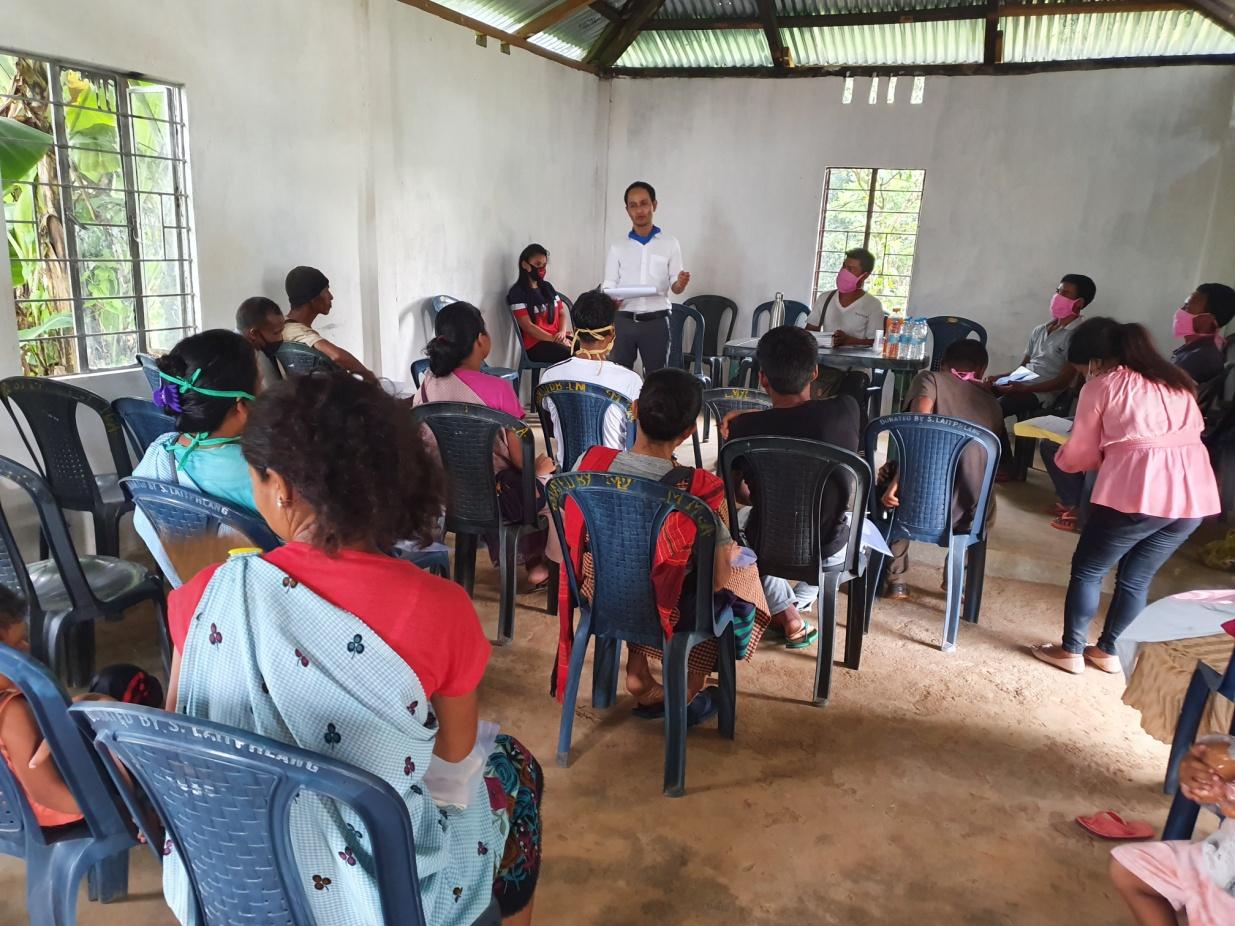
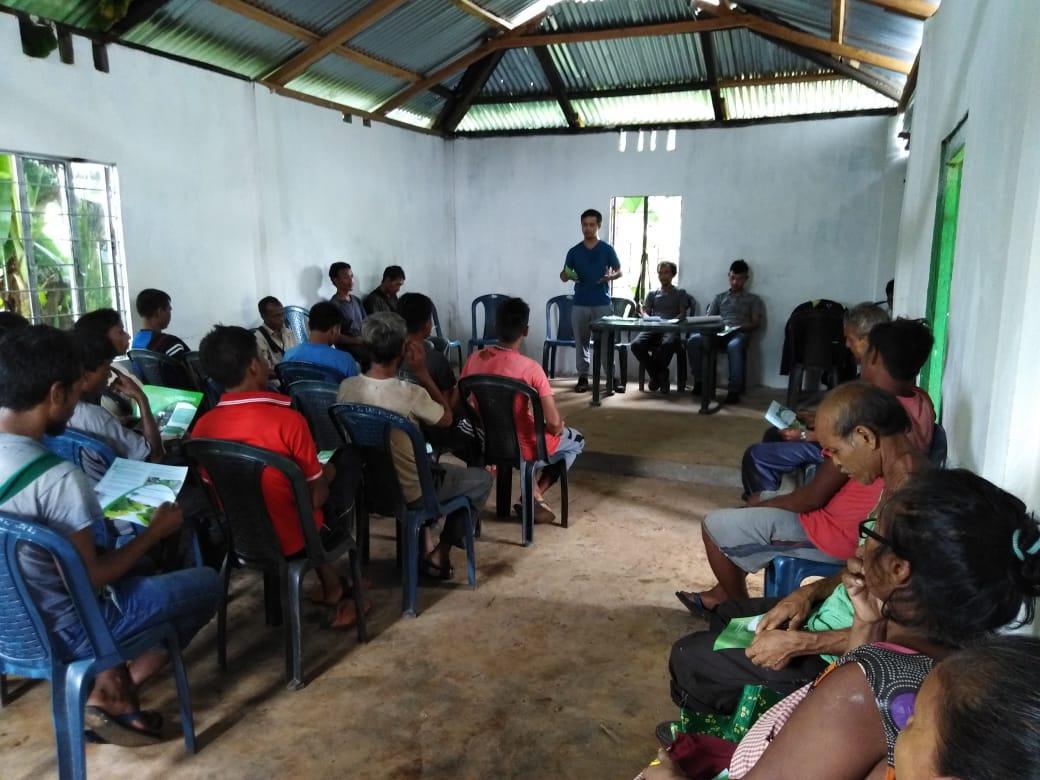
The Program was followed by an interactive session to answer the doubts and questions of the villagers.
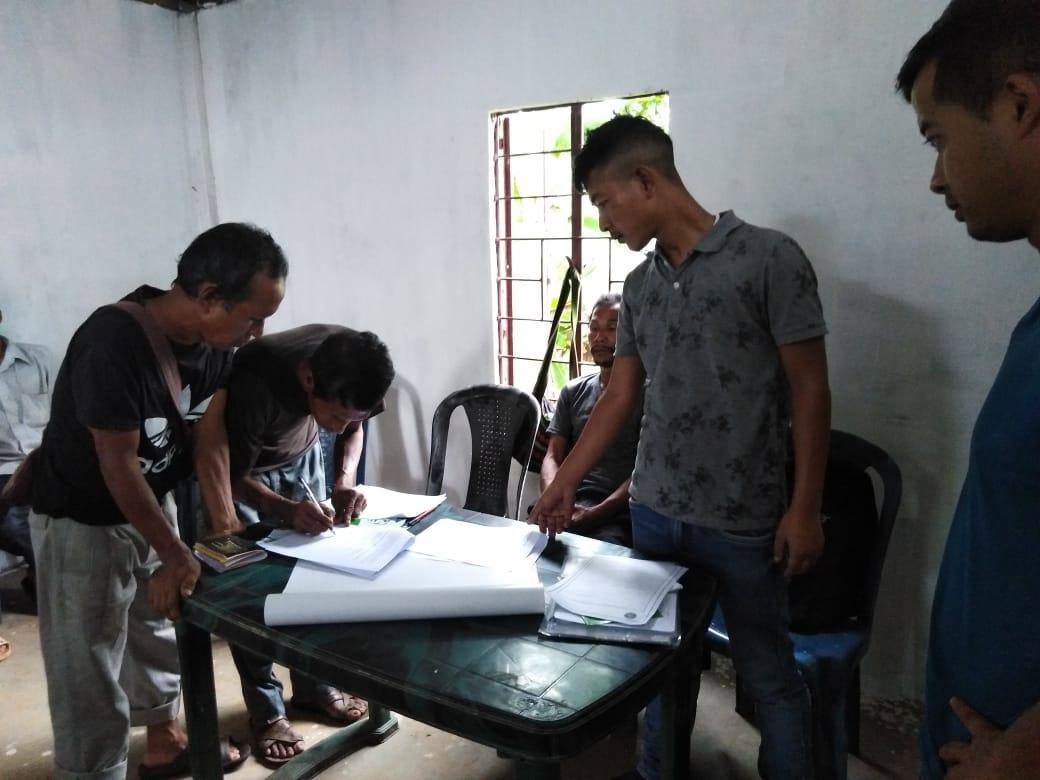
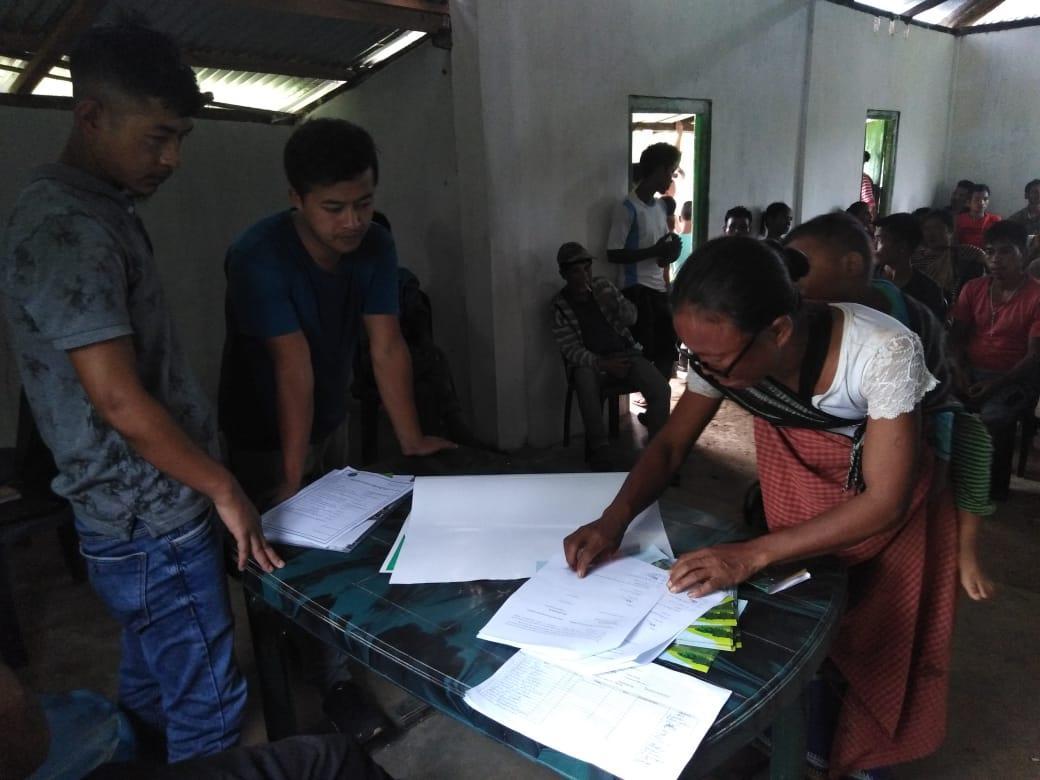
2.2 Signing of Documents:
After the interactive session, the village signed the Expression of Interest (EOI), the Village Grant Agreement (VGA) and the Citizen’s Green charter on the same day.
2.3 Formation of the VNRMC
The Formation of the Village Natural Resource Management Committee was done in a public meeting in the presence of the entire village and the CLLMP staffs. The community itself chose the President, the Secretary and the other executive members of the Committee.
Listed below are the members of the VNRMC:
|
|||||||||
|---|---|---|---|---|---|---|---|---|---|
|
Name in Full | Designation | Gender M/F | Age (Yrs) | Education | Occupation | Community | Religion and Denomination | Contact No and email address |
|
Sebirin Doloi | Chairman | M | 50 | V | Farmer | Khasi | Christian | 6009957089 |
|
Stelarshan Dyia | Secretary | M | 38 | XII | Farmer | Khasi | Christian | 9864873526 |
|
Wandashisha Thangkiew | Book keeper | F | 25 | X | Farmer | Khasi | Christian | 9366995455 |
|
Tirot Makhroh | Member | M | 60 | V | Farmer | Khasi | Christian | 7005938234 |
|
Diory Sohkhwai | Member | F | 51 | III | Farmer | Khasi | Christian | 6009937963 |
|
Siron Sohkhwai | Member | M | 50 | III | Farmer | Khasi | Christian | 6009889685 |
|
Tiantina Sohkhwai | Member | F | 45 | IX | Farmer | Khasi | Christian | NA |
| Monika Sohkhwai | Member | F | 36 | V | Farmer | Khasi | Christian | 6009717773 | |
| Mathias Sohkhwai | Member | M | 40 | V | Farmer | Khasi | Christian | 9864515744 | |
| Village Community Facilitators | |||||
|---|---|---|---|---|---|
| Name | Gender | Age | Education | Contact Number | Role |
| Rolan Thangkiew | M | 60 | VIII | 6008159328 | NRM |
| Barister Syngkli | M | 25 | XII | 7005391699 | Knowledge Management |
| Krisinsia Syngkli | F | 30 | X | 6009724574 | Social Management |
Purchase Committee |
|||
|---|---|---|---|
| Sl.No. | Name | Gender | Contact Number |
| 1 | Robert Lyngdoh | M | 6009872207 |
| 2 | Kristina Sohkhwai | F | 6009578845 |
| 3 | Gloria Sohkhwai | F | NA |
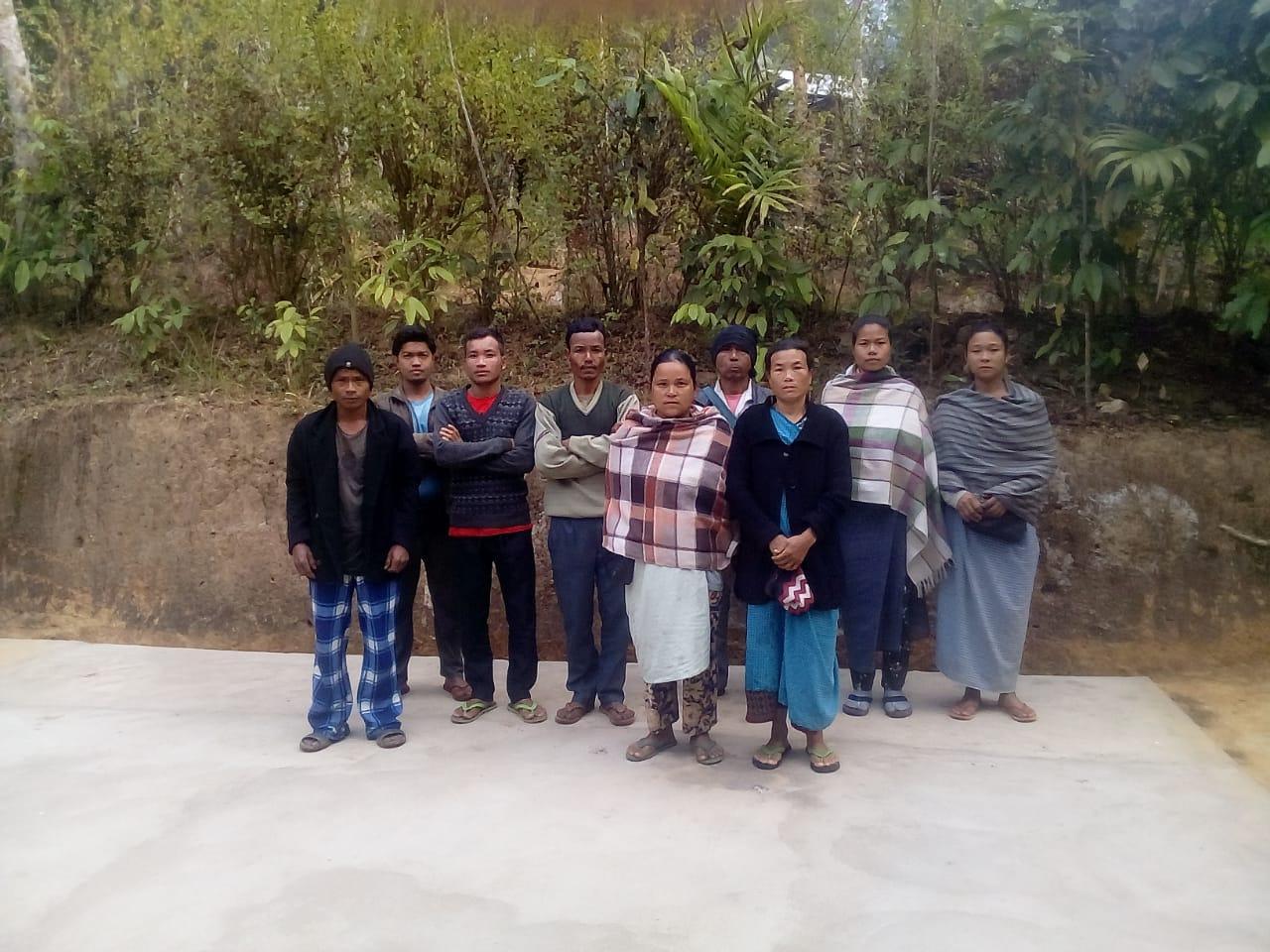
Figure- The Village Natural Resource Management Committee
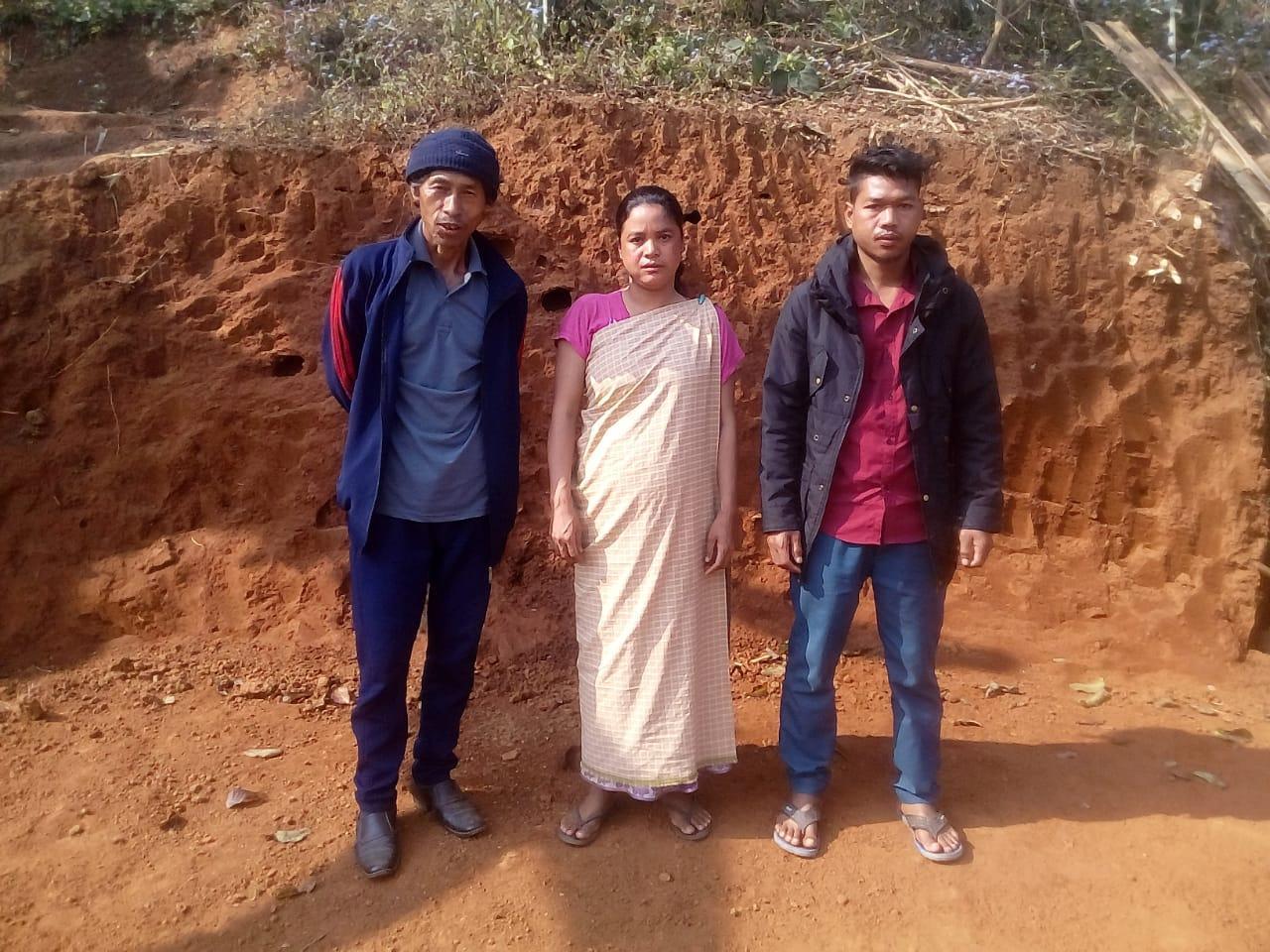
Figure- The Village Community Facilitator
3. Opening of a Bank Account.
The opening of the bank account was initiated after the village signed the EOI (Expression of Interest), the VGA (Village Grant Agreement) and the Green Charter. The Accountant of the Ri Bhoi CLLMP team trained the Purchasing and Procurement Committee of Jirang Block including members from Sohkyrbam Rim Village on matters relating to Accounts and Bookkeeping on the 16th of September 2019.
Training on Accounts and Book-Keeping
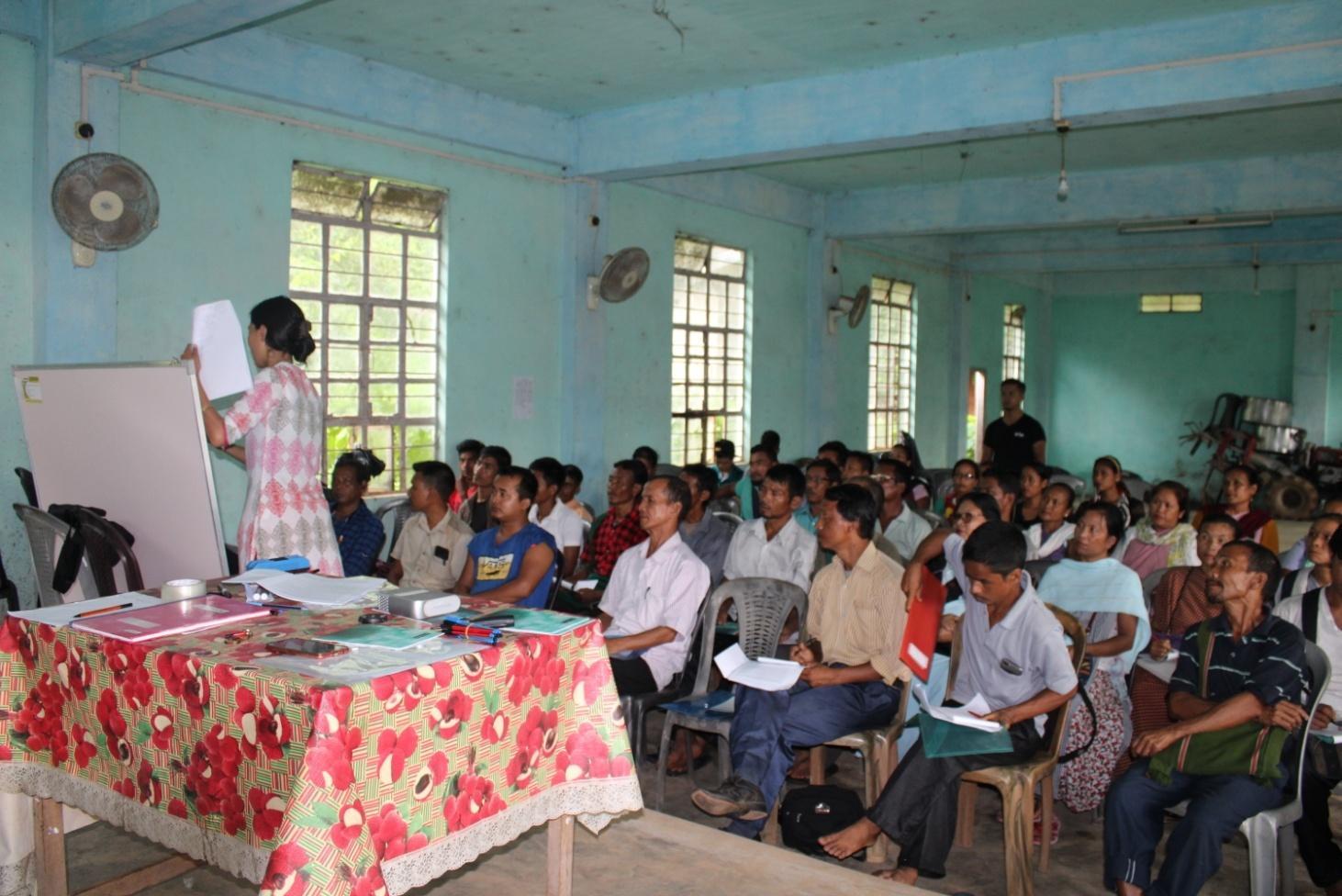
PRA Exercise
The PRA exercise aims to incorporate the knowledge and opinions
of the community in the planning and management of development
projects and programmes.PRA exercise at Sohkyrbam Rim Village took
place on the 5th of September 2019. There were a total of
70 villagers who participated in this exercise.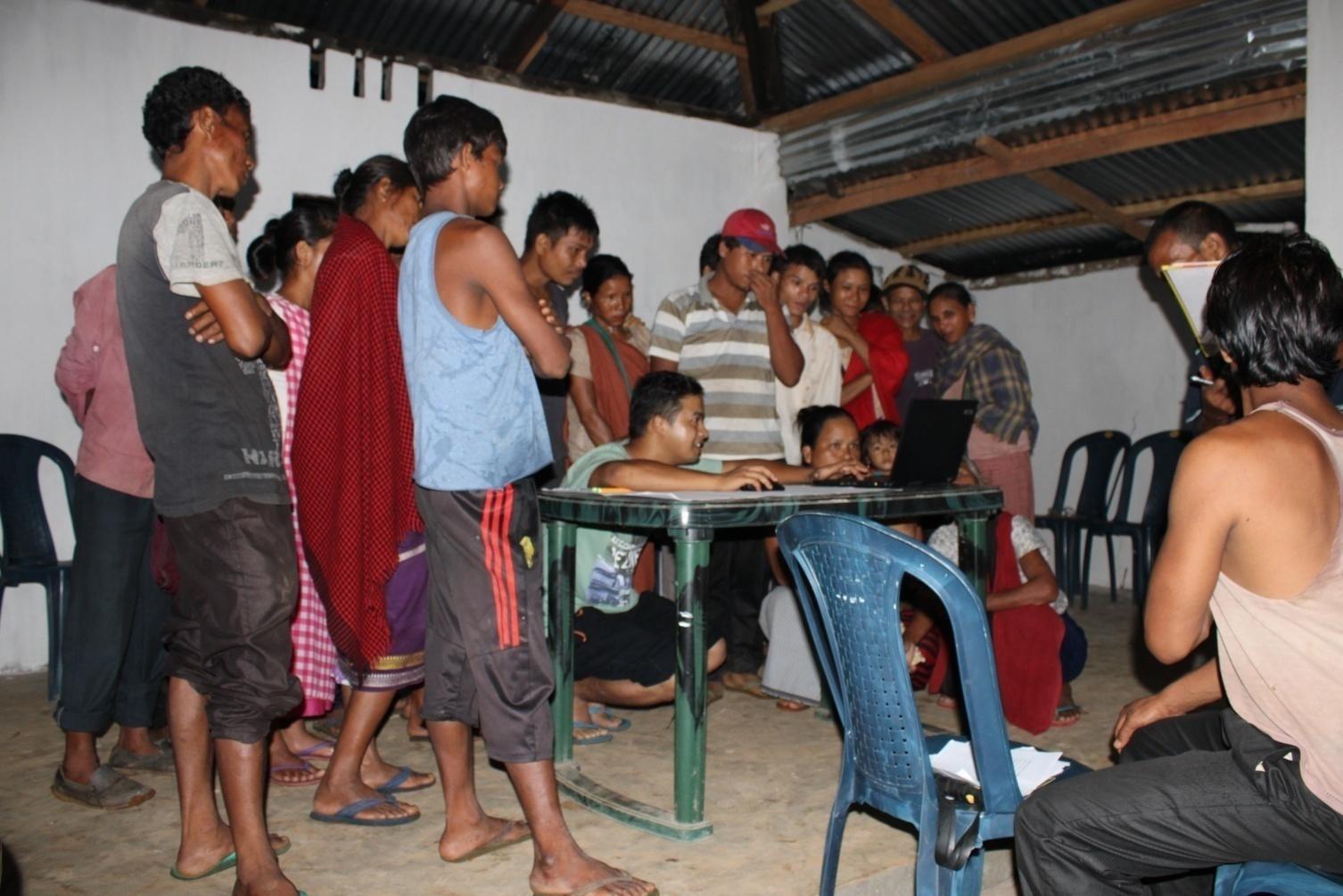
Activity 1:- Drawing of Resource Map
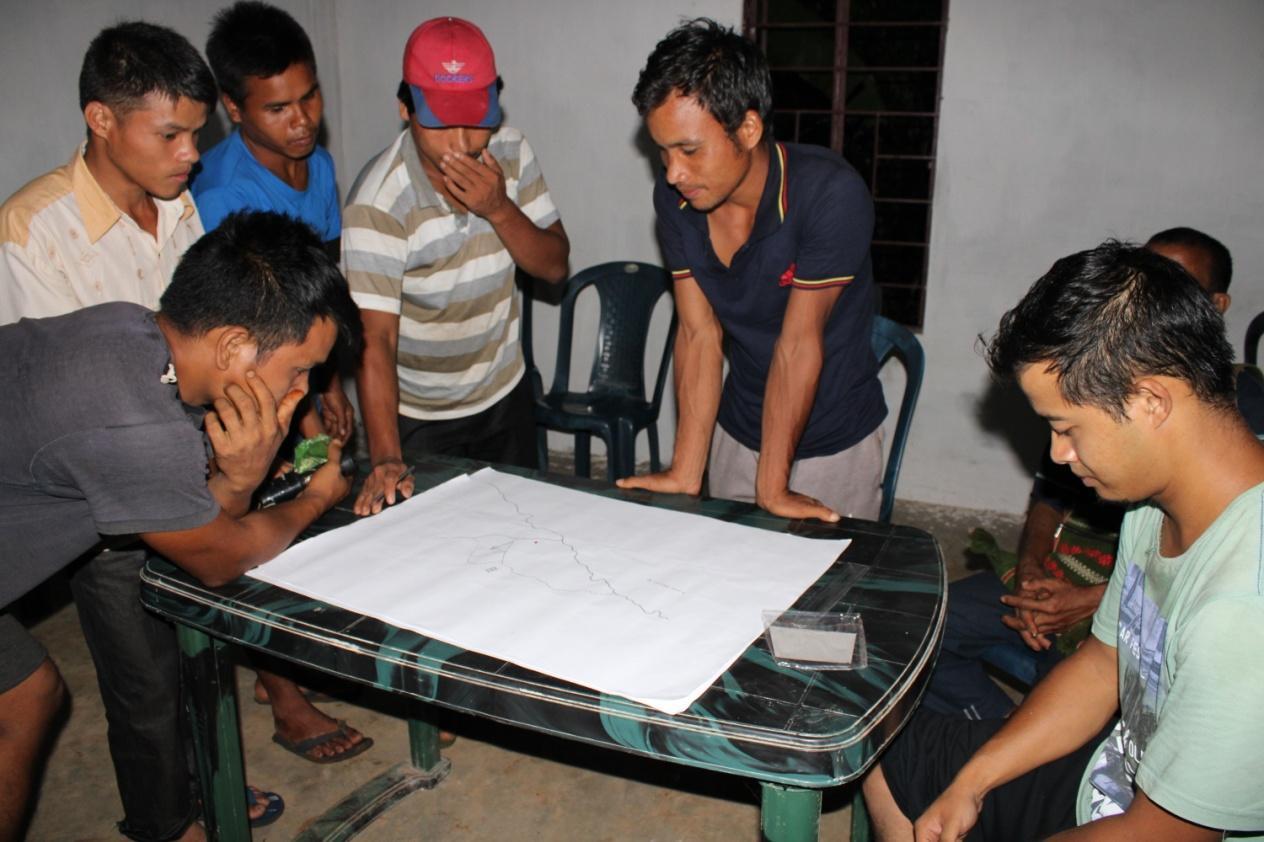
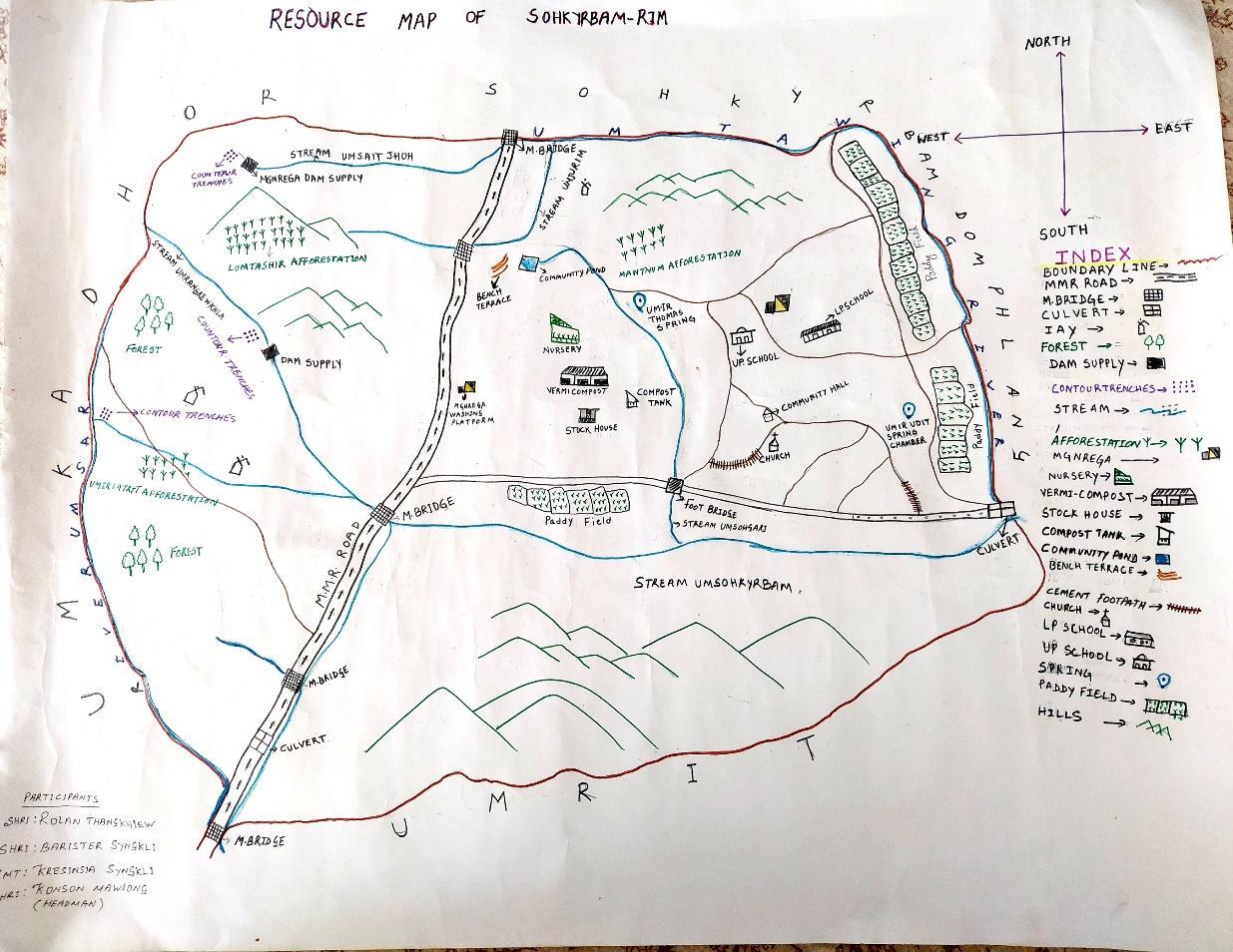
Findings Based on the Resource Map of Sohkyrbam Village:
Jhum cultivation was practiced by all households of the village.
Around 30 % of Households practice Wetland cultivation.
Paddy and Betel nut are main agricultural crops.
Spring : 6 no. Umirmimi, Umirushai,Umirudid, Umirsohgari, Umirthomas, Umirlatrit
Stream : 5 no. Umrangkowkhla, Umsarkari, Umsohkyrbam, Umirushai, Umlaram
Fishery Pond : 39 nos
Well : 3 no
Presence of one Anganwadi Centre
School: One L.P and U.P School
One catholic church
No proper road connectivity within the village areas.
Habitat is confined to only one area and is very crowded but has started to spread to other areas of the village.
Activity 3:- Baseline Data Survey to fill the Social Template .
During the PRA Exercise the EE SM and with the community sit together to have a brief discussion on the problems and challenges face by the women in the village and also Discussions and consultations with social groups existing in the village was held to gather basic village information regarding no. of households, demographic information, major crops and enterprises taken in the village, trends of production and productivity of major crops in the village and demographic distribution of village population and also group discussion on problems and challenges faced by the community in the village.
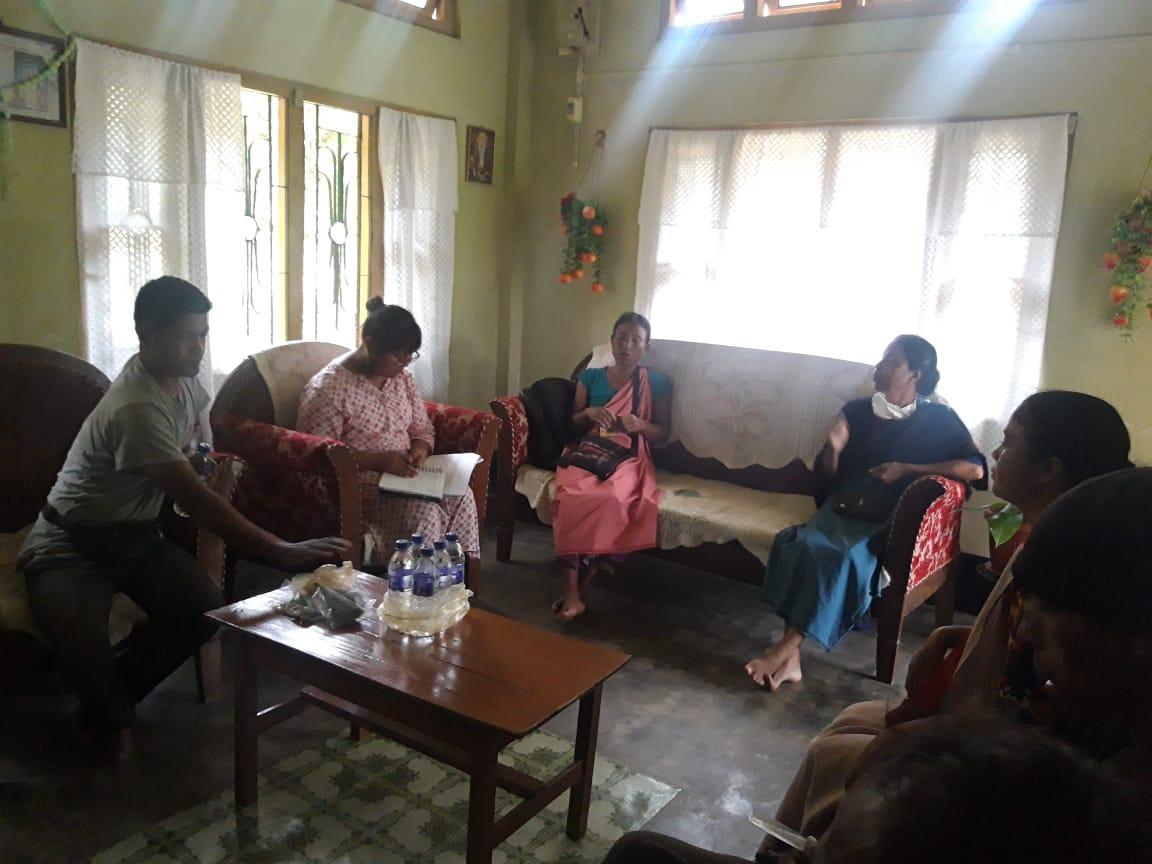
Figure-: EE SM Collect information from the community Members
Activity 4-: Problem Analysis.
A. Do people have sufficient access to supply of fodder ,fuel wood, leaf litter?
Yes they access sufficiently to fodder and leaf litter but when its come to wood they started facing difficulty in collection of fuel wood because it has been reduced and also most of the forest in the village are of private forest so the villagers are facing challenges in collecting of fuel wood from far places
B. Has access to timber improved or reduced over the years? How is access for household use and commercial use managed?
It’s been reduced over the years and it’s a very highly demanding Timber because people in rural areas can afford to build their house with Timber. It's been a challenging matter because of the high rate increase in population.
C. Are the Water bodies facing any threats?
No threats, but during rainy season the water becomes red and difficult to access for drinking and cleaning
D. Do all the people in the village have access to drinking water? What are the challenges?
Sohkyrbam Rim village Faces a lots of challenges when it comes to Drinking water because the PHE water also does not provide enough water pipeline and the village has very less water sources that’s why the village facing a difficulty in access to drinking water and some of the household they have their own well but they cannot help the whole year to their nearby neighbours so the whole village face a lot of challenges in Drinking Water.
E. Are there degraded areas in the village (open/degraded forests , mining affected ,high soil erosion etc)?
The villagers said there are some land that’s become degraded and not fertile anymore for cultivation and also becomes affected by Broom Cultivation
F. What has caused this degradation ? Are there practices causing threats to availability and access to natural resources ?
Broom cultivation has caused a lot of challenges in the village. It has reduced the water level and also causes the land to be unproductive and less fertile.
What have been the changes in agricultural practices?
They are still practicing Jhum Cultivation and now they have started engaging in cash crops like Ginger, Betel nut, Broom, they are not only cultivating paddy .
Are there any challenges in farming?
Yes they face a lot of challenges especially wild animals they come and destroy all their paddy fields and also
They face problems in irrigation because there is no proper Water canal and environmental challenges.
How would you consider the health situation in your village?
The situation in the village has been improved and also there are no more cases of TB and Malaria.
The Asha plays a very vital role in managing the health situation in the village they also take care of the pregnant women and also looking after the infants and provide them healthy supplements
They also conduct awareness programmes in the village.
How is the situation of cleanliness, sanitation access to toilets and waste management ?
The cleanliness in the village has improved over the years since the Swachh Bharat mission came into force the villagers have access to toilets but only 42 houses have access Toilets from Swachh Bharat Mission the rest it is a temporary toilet . But as compared to the years before there's a lot of improvement in the village.
Waste management and cleanliness in the village are taken care of by the women federation, VWAC and VHSC.
Who is the most vulnerable group in the village? What can be done to improve their lives?
BPL Families. Inclusion of BPL Families during project implementation.
What are the livelihood aspirations of the youth ? Are there any avenues available?
The majority of the people in the village turn to farming and job cards under MGNREGA for employment and also they engage in some business and self-employment to earn and to improve their livelihood.
Do any committees /institutes/rules exist to manage and monitor natural resources in the village?
The Landowner and the VNRMC under the CLLMP manage the Natural resources in the village . prior to the CLLMP the village received permission from the forest management committee to look after and preserve the forest.
What are some of the major issues or conflicts in the village?
The major issues and conflict in the village are caused by Drunkard.
Have any of the above issues been discussed in village meetings?
Yes, first the matter they will discuss in the meetings of women federation if they cannot solve they take it to the village Durbar and lastly if the Durbar could not solve they will take it to the police.
How do people resolve disagreements and conflicts?
All disagreements and conflicts are addressed by the traditional institution of village’s governance called the village Durbar.
Activity 5:- Seasonality Calendar
The EE Social Management also mapped the seasonal calendar of Sohkyrbam RimVillage to help identify heavy workload periods, periods of relative ease, credit crunch, diseases, food security, wage availability , festive season etc. This will prove helpful in project planning and project timeline framing.
Participants:-
Shri Stelarshan Dyia- VNRMC Member, Shri Rolan Thangkiew- Village Community Facilitator, Shri Robert Lyngdoh- VNRMC Member, Smt Kresinsia Syngkli- Village Community Facilitator, Smt Gloria Sohkhwai-VNRMC Member, Smt Thesidia Nongrum- VNRMC Member, Smt Diory Sohkhwai-VNRMC Member, Smt Wandashisha Thangkiew-VNRMC Member
Activity 6:- Seasonality Calendar
| SEASONAL CALENDAR | |||||||||||||
|---|---|---|---|---|---|---|---|---|---|---|---|---|---|
| Sl No. | CRITERIA | JAN | FEB | MAR | APRL | MAY | JUNE | JULY | AUG | SEP | OCT | NOV | DEC |
| 1 | Water Scarcity | 1 | 1 | 1 | |||||||||
| 2 | Prone to sickness | 1 | 1 | 1 | 1 | ||||||||
| 3 | Seeking job outside | 1 | 1 | 1 | 1 | ||||||||
| 4 | Rain Fall | 2 | 1 | 1 | 2 | ||||||||
| 5 | Free – Less work | 1 | 1 | ||||||||||
| 6 | Paddy Cultivation | 1 | 1 | ||||||||||
| 7 | Paddy harvesting | 1 | 1 | ||||||||||
| 8 | Ginger cultivation | 1 | 1 | ||||||||||
| 9 | Ginger harvesting | 1 | 1 | ||||||||||
| 10 | Broom Cultivation | 1 | 1 | ||||||||||
| 11 | Broom Harvesting | 1 | 1 | 2 | |||||||||
| 12 | Betelnut cultivation | 1 | 1 | ||||||||||
| 13 | Betelnut Harvesting | 1 | 1 | ||||||||||
| 14 | Tree Plantation | 1 | 1 | ||||||||||
| 15 | Vegetable (crop cultivation) | 1 | 1 | ||||||||||
| 16 | Vegetable (crop harvesting) | 1 | 1 | ||||||||||
| 17 | Festive Season | 1 | |||||||||||
| 18 | Forest fire | 1 | 1 | ||||||||||
| 19 | Collection of Fuel wood | 1 | 1 | 1 | 1 | ||||||||
| MAXIMUM | 1 |
|---|---|
| MODERATE | 2 |
| LESS | 3 |
Activity 7: Baseline Data Survey to fill the environment template.
During the PRA exercise External Expert of Environment Management discussed information related to land use categories such as forest, cultivable land, water bodies ,etc. with a group consisting of village community members who are quite aware of the village boundary and the presence of natural resources in the village. Problems and challenges related to NRM were discussed. Scarcity of water and how to develop and take care of the springs and streams are discussed. The CNRMP template is filled and various activities related to NRM are discussed. Two Spring chambers within the village are given priority intervention to provide drinking water in the village.
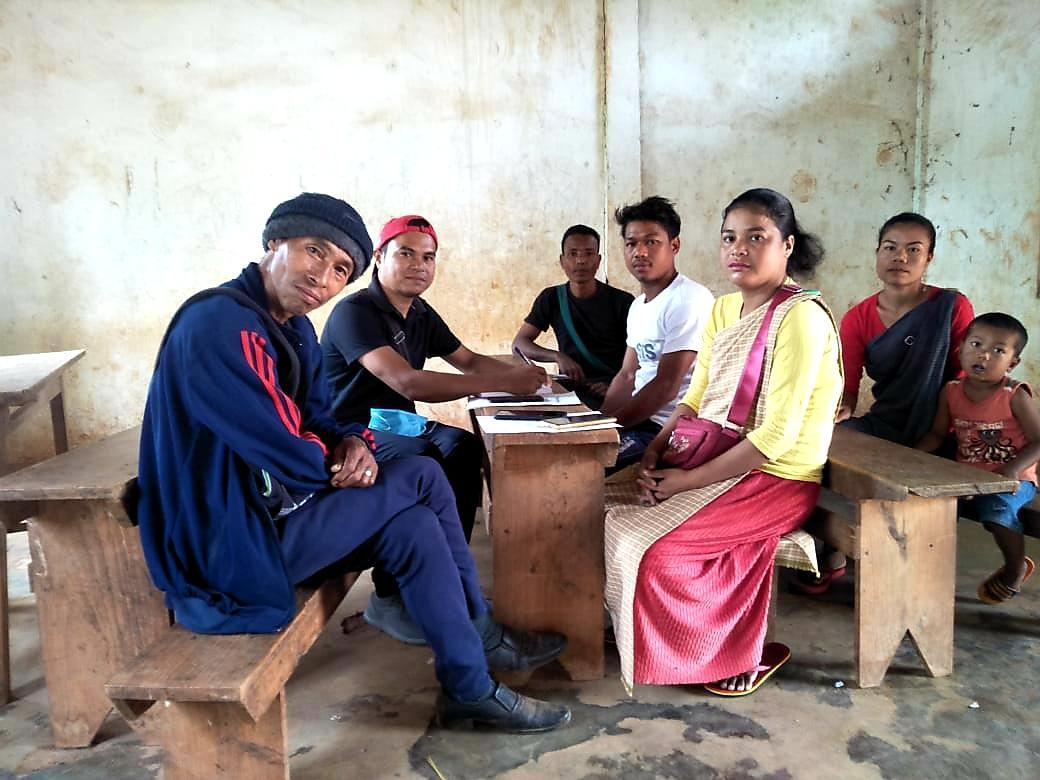
Fig: EE Environment with VNRMC of Sohkyrbamrim and community members.
Participants
Chairman: Seberin Doloi
Secretary: Stelarshon Diya
VCF M&E: Baristar Syngkli
VCF SM&KM: Kresenia Syngkli
VCF EM&GIS: Rolan Thangkhiew
Bookeeper: Wandashisha Thangkhiew
Community Member: Konson Mawiong
Community Member: Robert lyngdoh
Community Member: Gloria Sohkhwai
Community Member: Mithelda Sohkhwai
Community Member: Sirus Sohkhwai
Activity 8: Submission of the List of NRM activities proposed by the VNRMC.
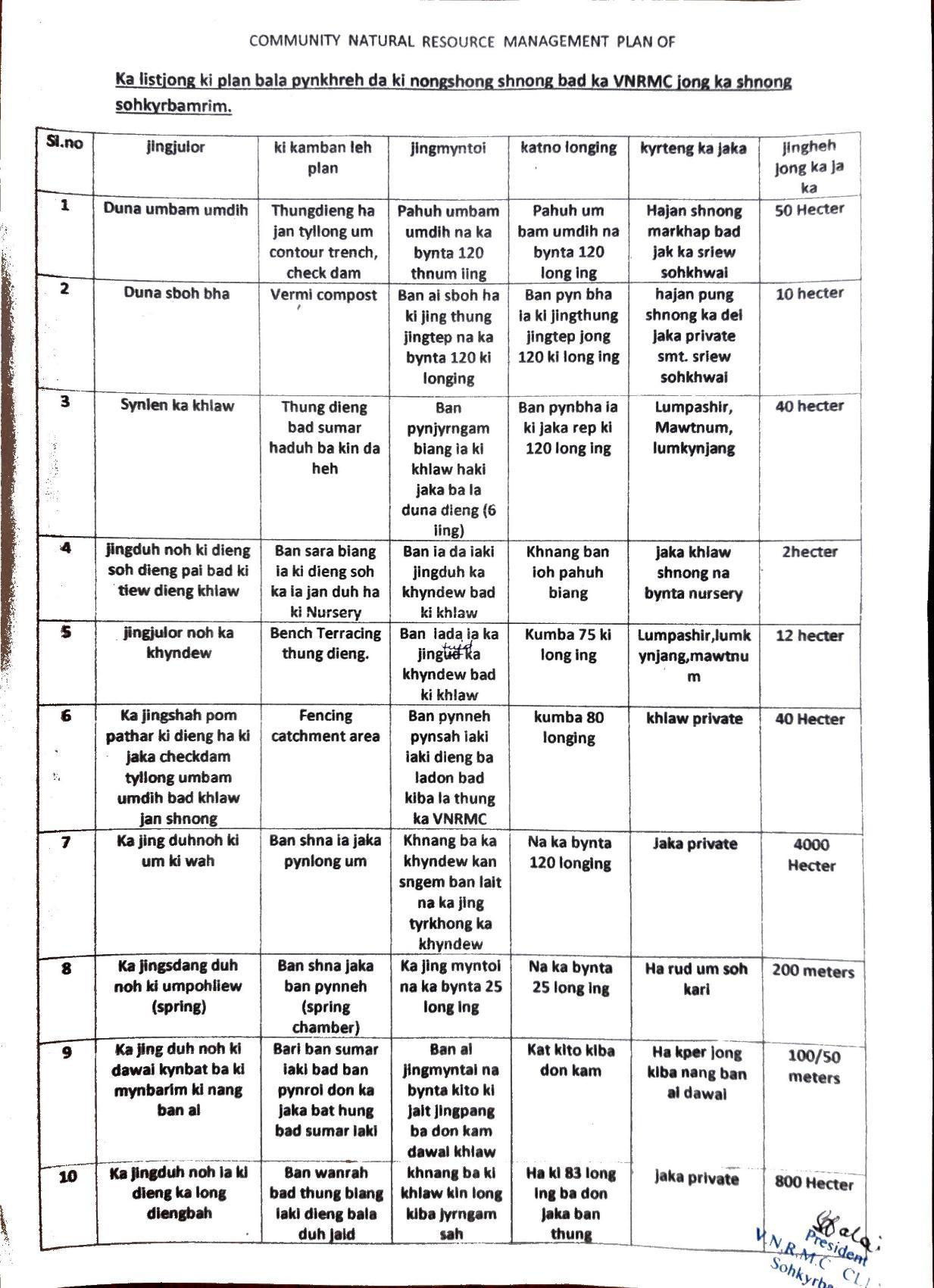
5. Training on the Development of the Community Natural Resource Management Plan (CNRMP)
With the completion of the Participatory Rural Appraisal (PRA) Exercise, a joint training to help the VNRMCs of Jirang Block develop their Community Natural Resource Management Plan or CNRMP was organized on the 13th of September 2019 at the Community Hall of Patharkhmah Village.
Members of the VNRMC from Sohkyrbam Rim Village were also present for the training.
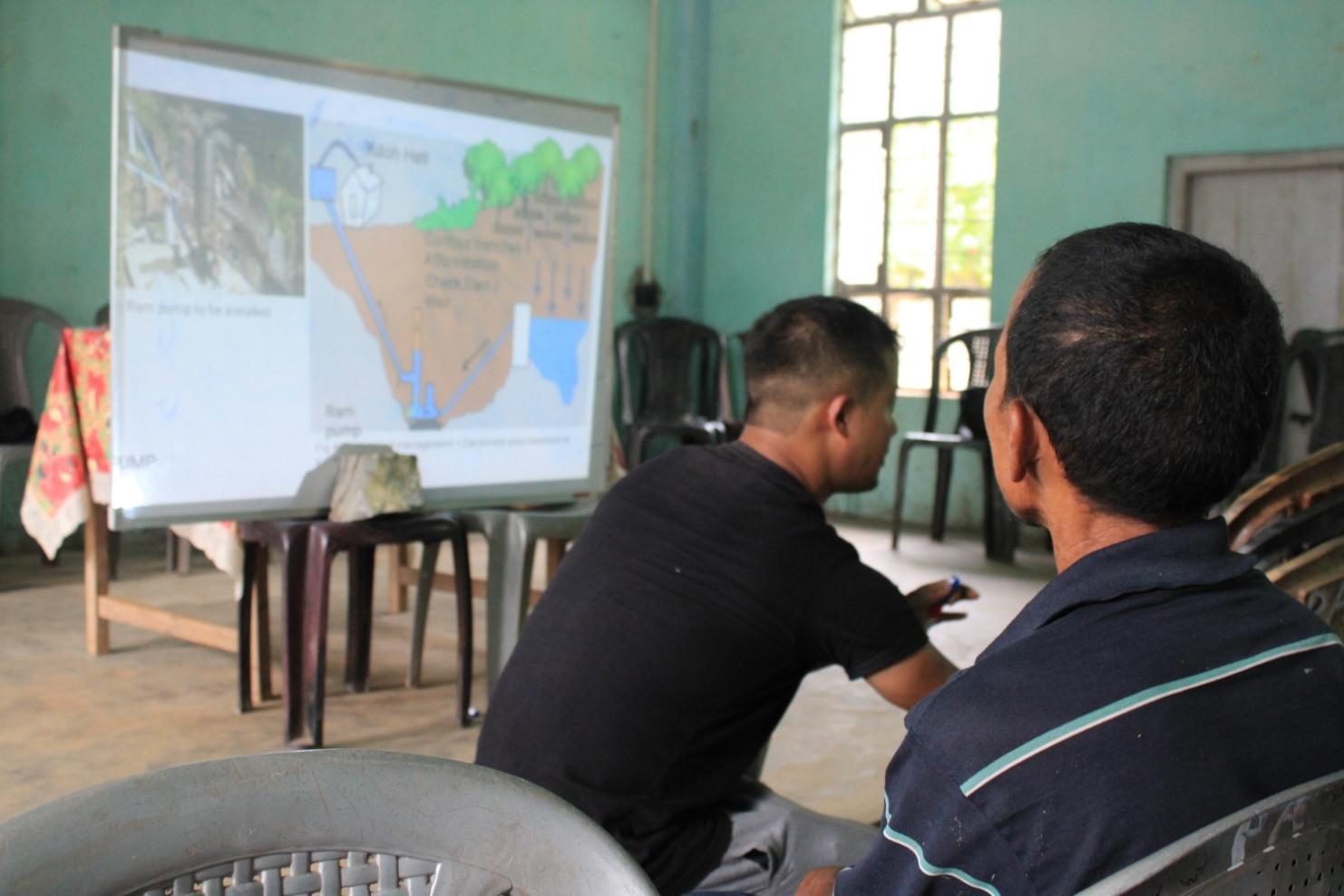
Mr. Reuben Shabong, Assistant Manager (Environment Management) giving a presentation on CNRMP
Mr. Reuben Shabong , Assistant Manager for Environment Management discussed the different types of plans that can be adopted by the villages and stressed on the need for more holistic and sustainable plans which will benefit the community as a whole.
Final List of Plan
|
|
|
|
|
||
|---|---|---|---|---|---|---|
|
|
|
||||
|
|
|
|
|
|
|
|
|
|
|
|
|
|
|
|
|
|
|
|
|
|
|
|
|
|
|
|
|
|
|
|
|
|
|
|
|
|
|
|
|
|
|
|
|
|
|
|
|
|
|
|
|
|
|
|
|
|
|
|
|
|
|
|
|
|
|
|
|
|
|
|
|
|
|
|
|
|
|
|
|
|
|
|
|
|
|
|
|
|
|
|
|
|
|
|
|
|
GIS ACTIVITIES
| Sl.No | Parameters | Village Information |
|---|---|---|
| 1. | GPS Coordinates | |
| i | Latitude | 25.872642°N |
| ii | Longitude | 91.647770°E |
| iii | Elevation Reading (MSL) | 397M |
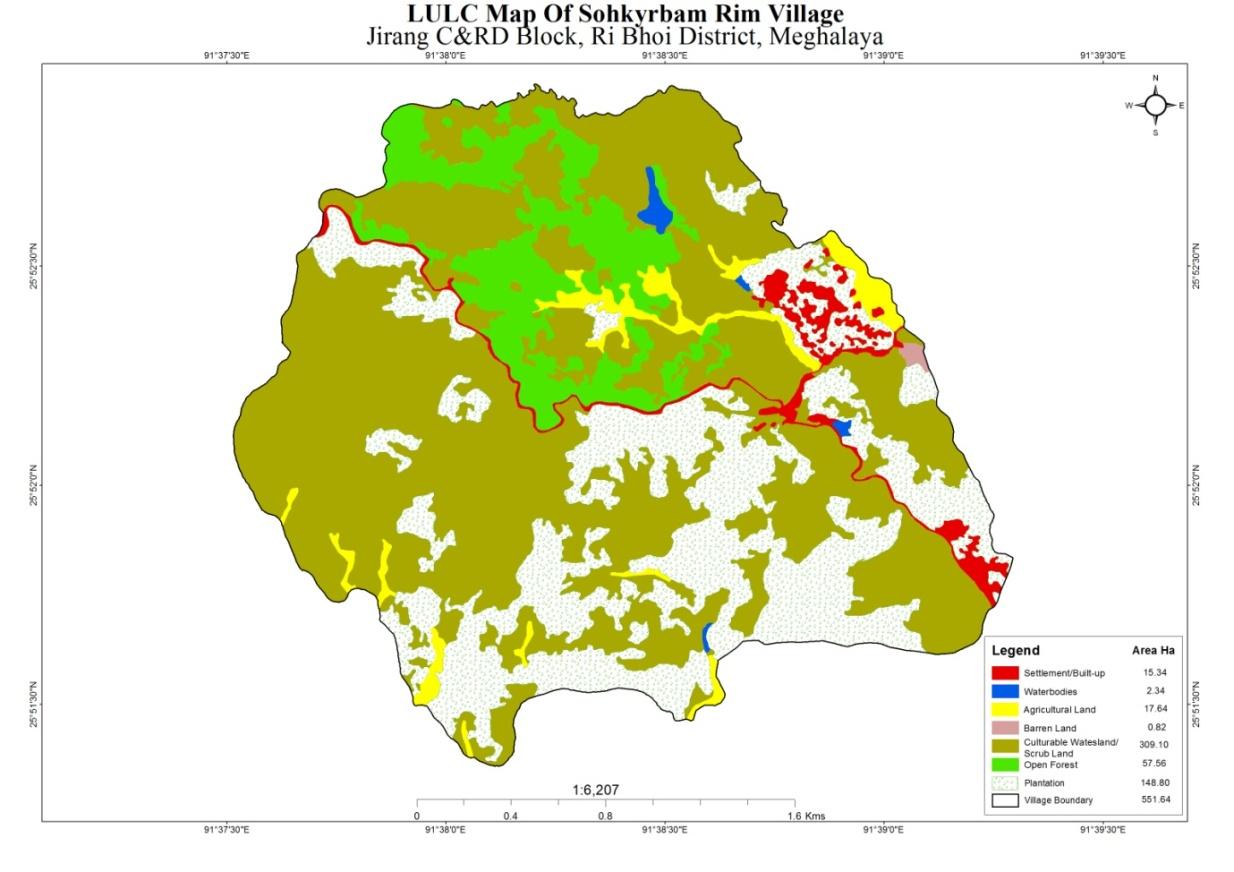
| 2. | Village Geographical Area(Ha) | 551.64Ha |
| i | Total Forest Area ( including community, Clan, Pvt Forest) | 57.56 Ha |
| ii | Total Area of Water Bodies | 2.34 Ha |
| iii | Total Area under Agri- Horticulture | 166.46 Ha |
| iv | Total Degraded land area (Ha) | 309.10 Ha |
| 3 | Average Annual Rainfall | 1000-1200 |
| 4 | Soil Type | Loamy soil |
Project Implementation
| Type Of Intervention | Site Name | Amount Sanctioned | Work Status |
|---|---|---|---|
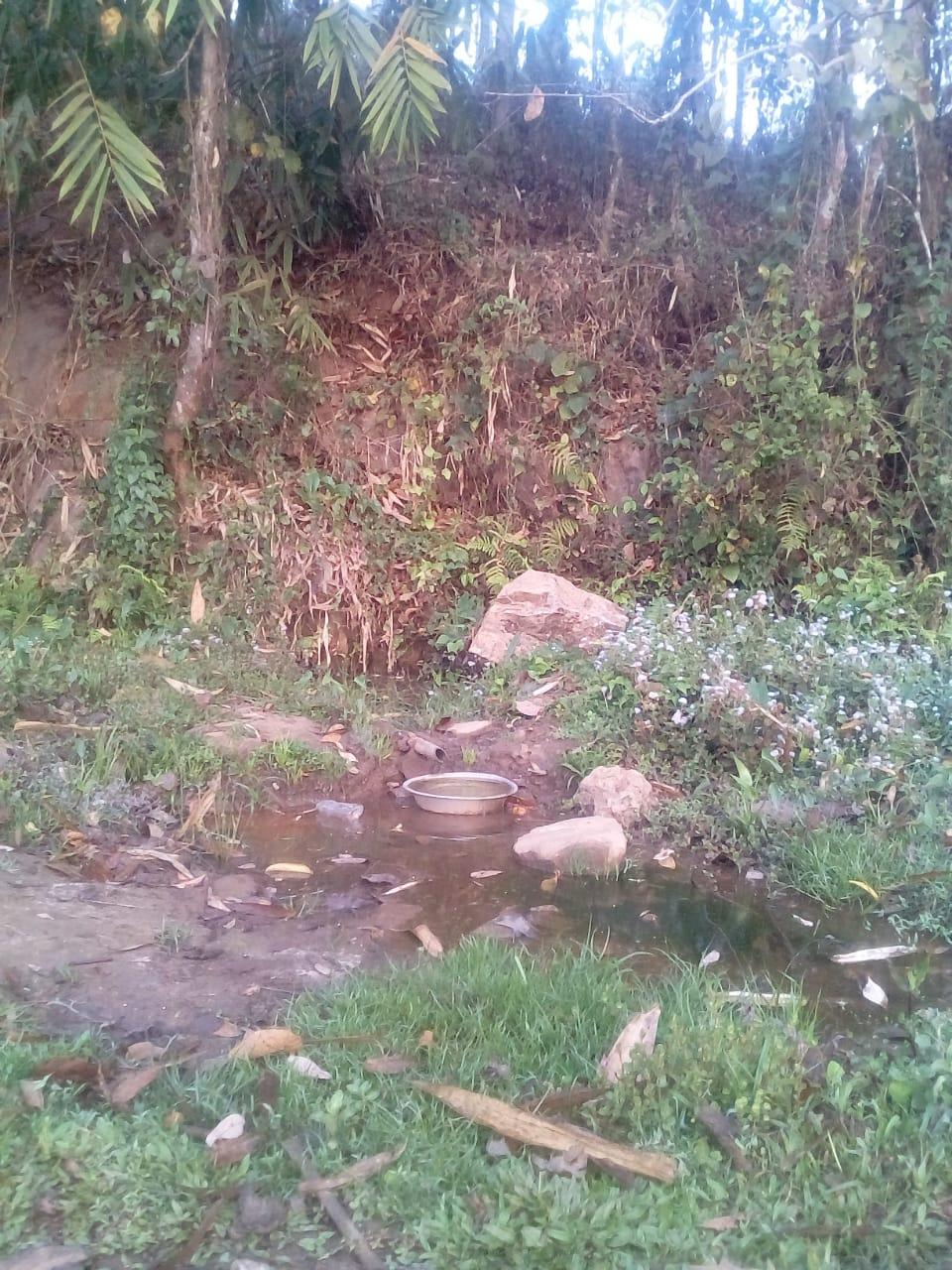
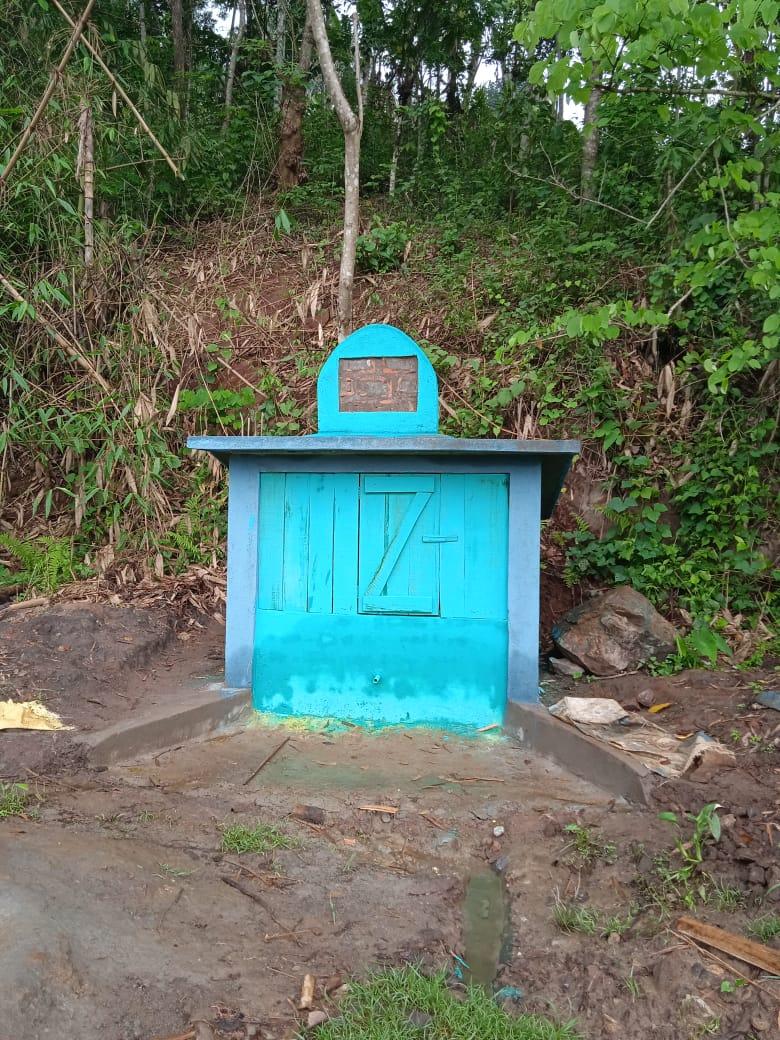
| Spring Chamber | Umrit Thomas | ₹ 65,930.00 | Completed |
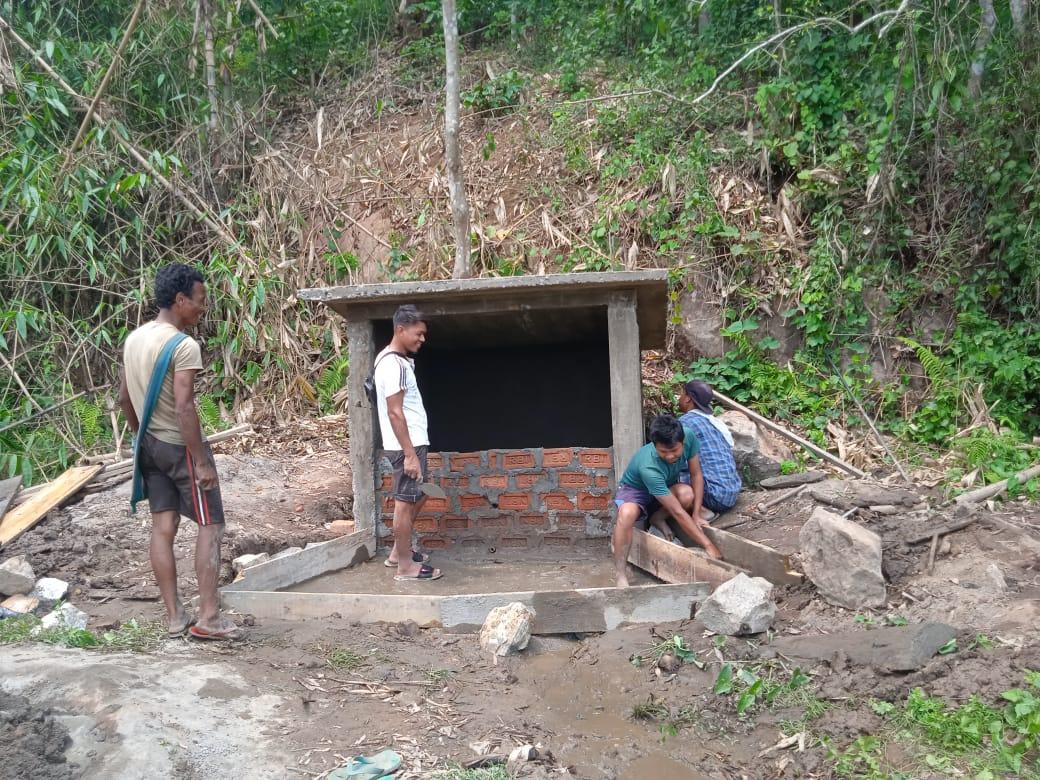
| Type Of Intervention | Site Name | Amount Sanctioned | Work Status |
|---|---|---|---|
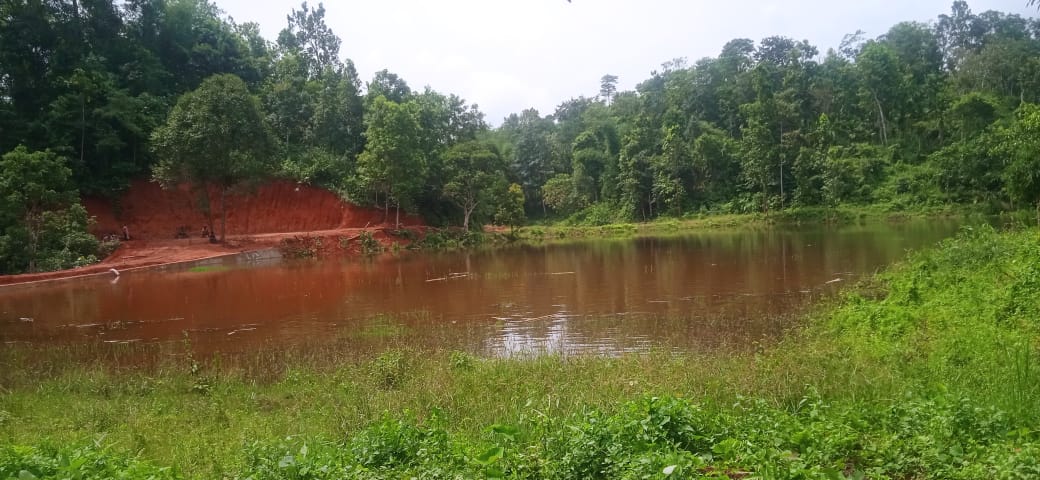
| Community Pond | Umsohgari | ₹ 3,00,273.00 | Completed |
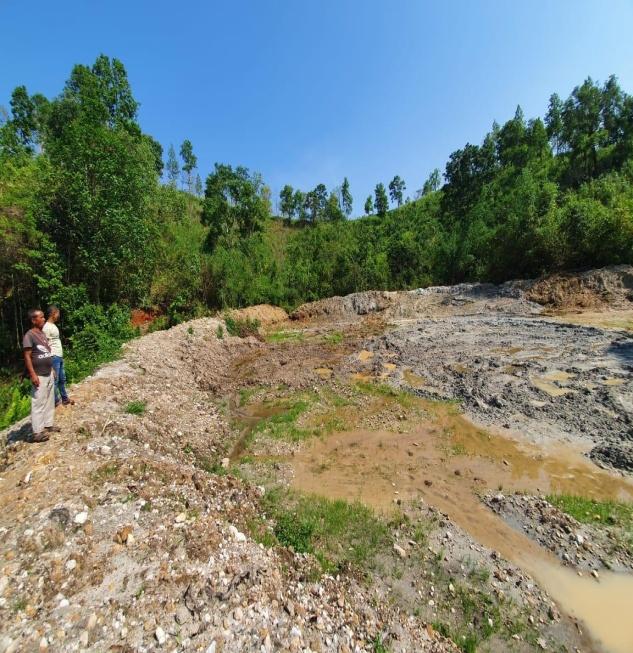
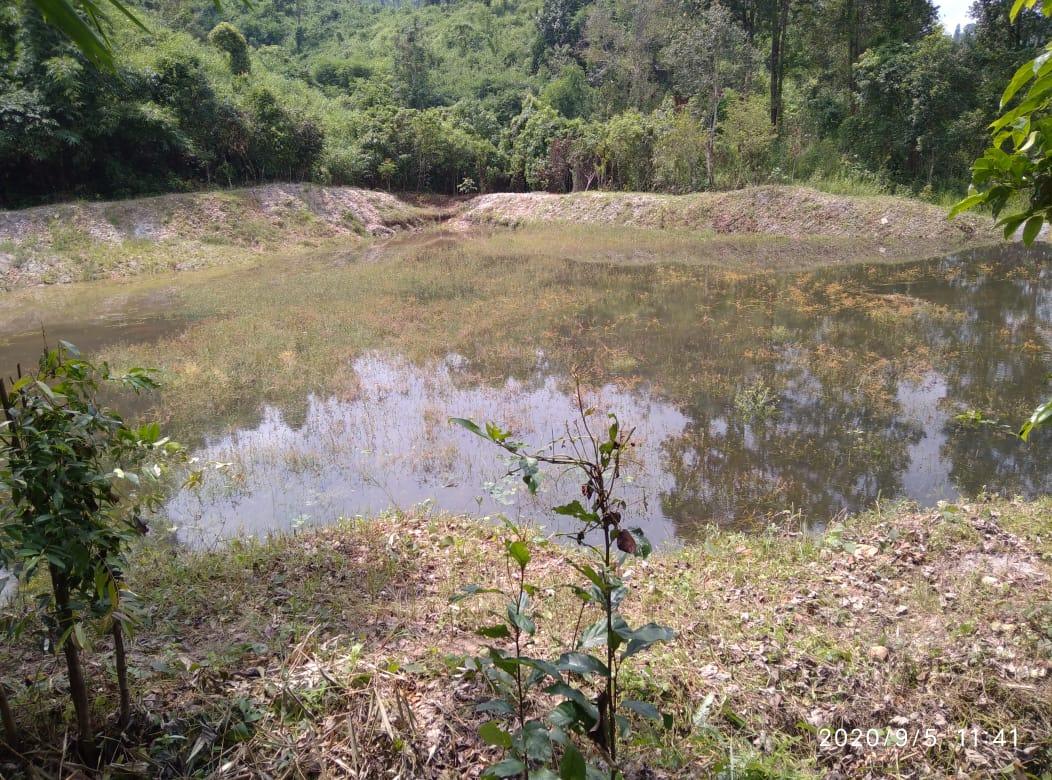
| Type Of Intervention | Site Name | Amount Sanctioned | Work Status |
|---|---|---|---|
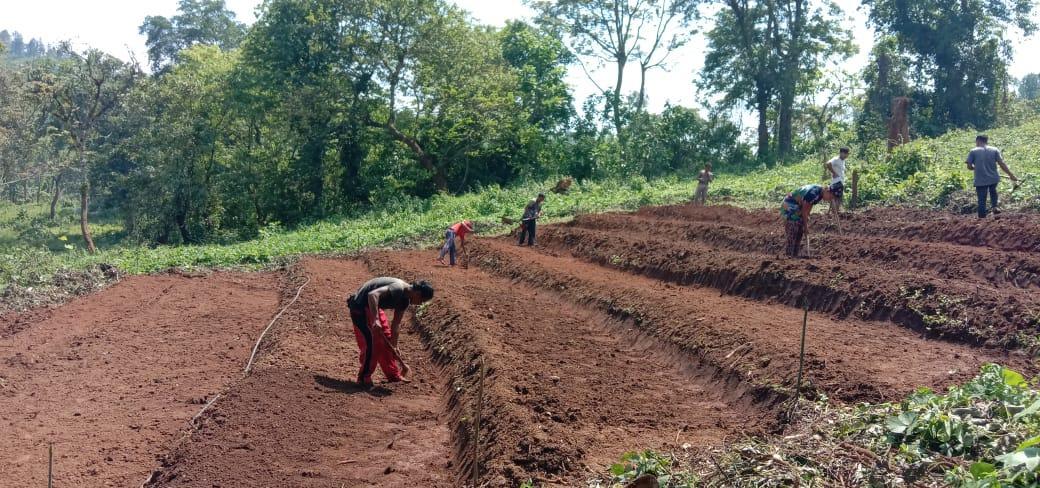
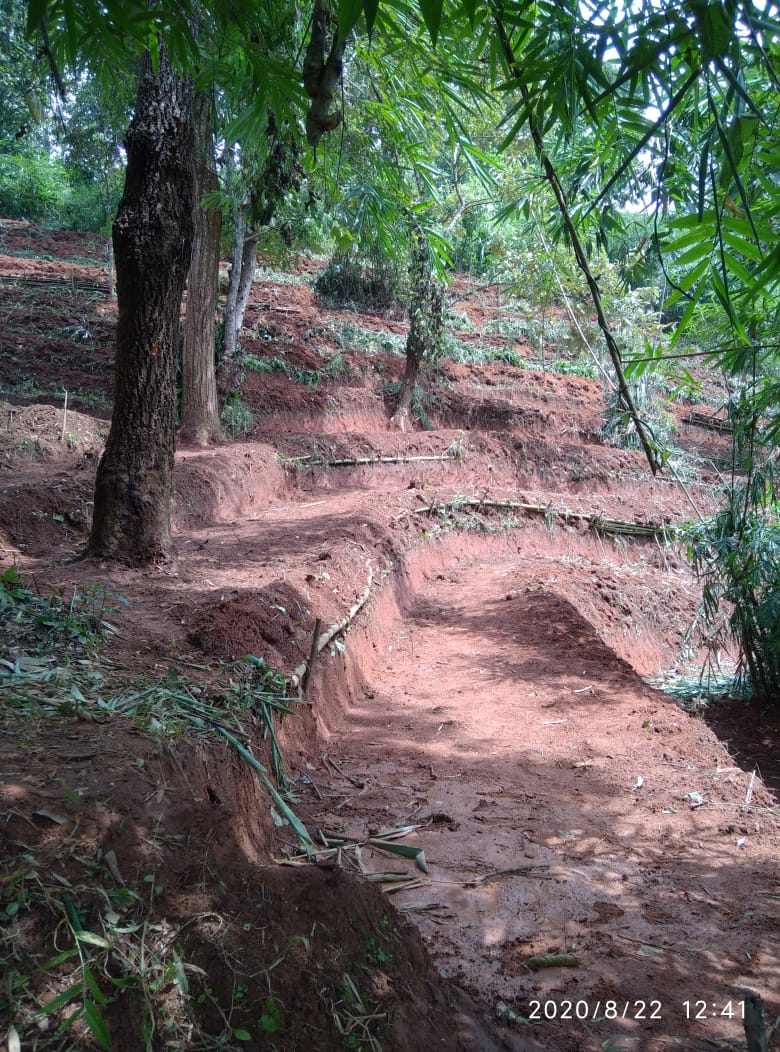
| Bench Terracing | Ranap Puhshnong & Umsohgari | ₹ 2,69,860.00 | Completed |
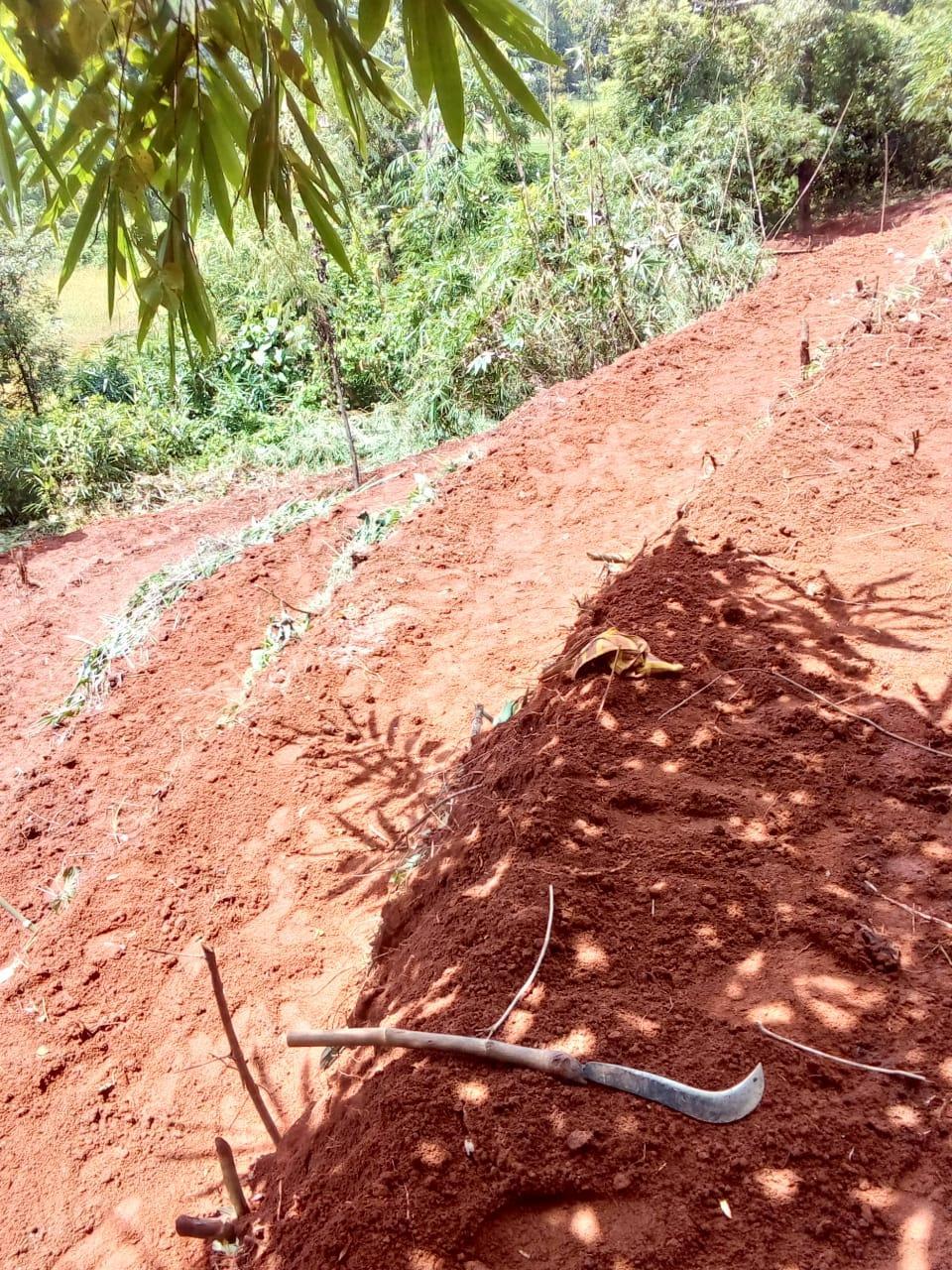
| Intervention | Site | Total Amount | Work Status |
|---|---|---|---|
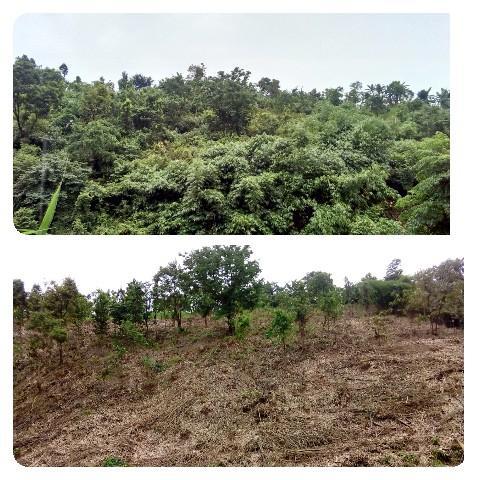
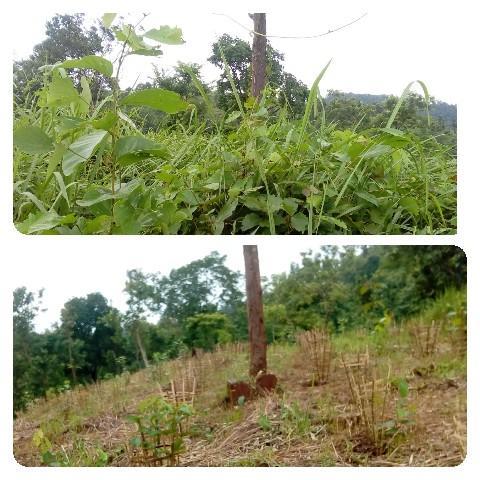
| Afforestation | Lumtashir & Mawtnum | 5,64,660 | Completed |
| Intervention | Site Name | Total Amount | Status |
|---|---|---|---|
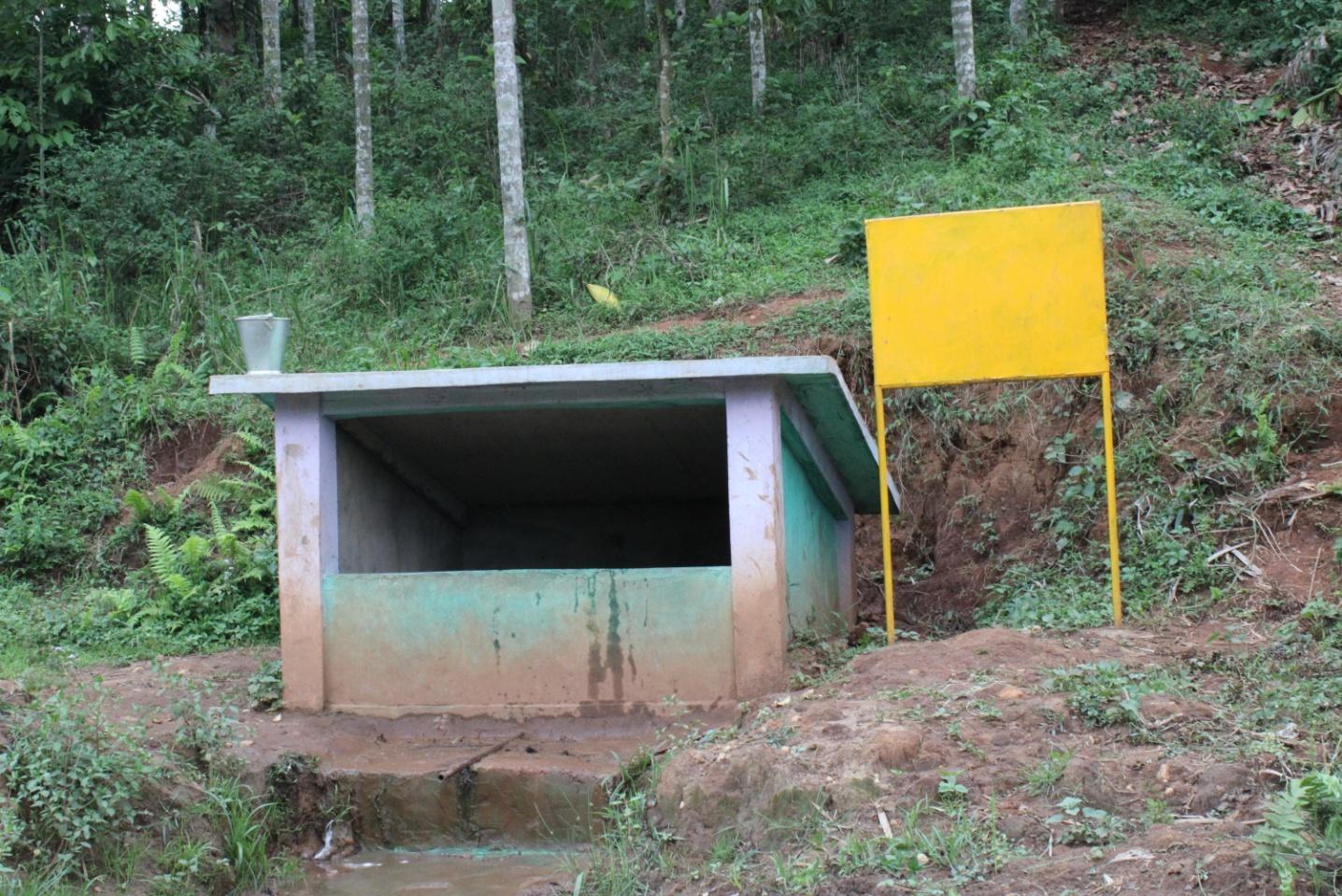
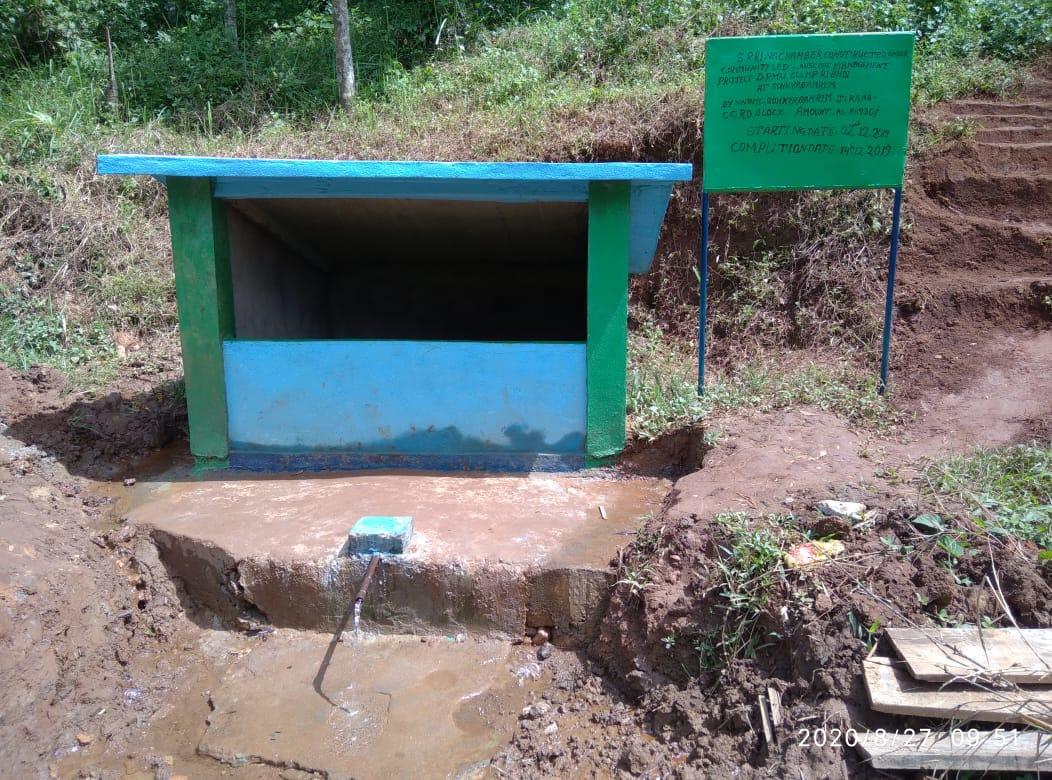
| Spring Chamber 2 | Um Ir u Dit | 80,330 | Completed |
| Intervention | Site Name | Total Amount | Status |
|---|---|---|---|
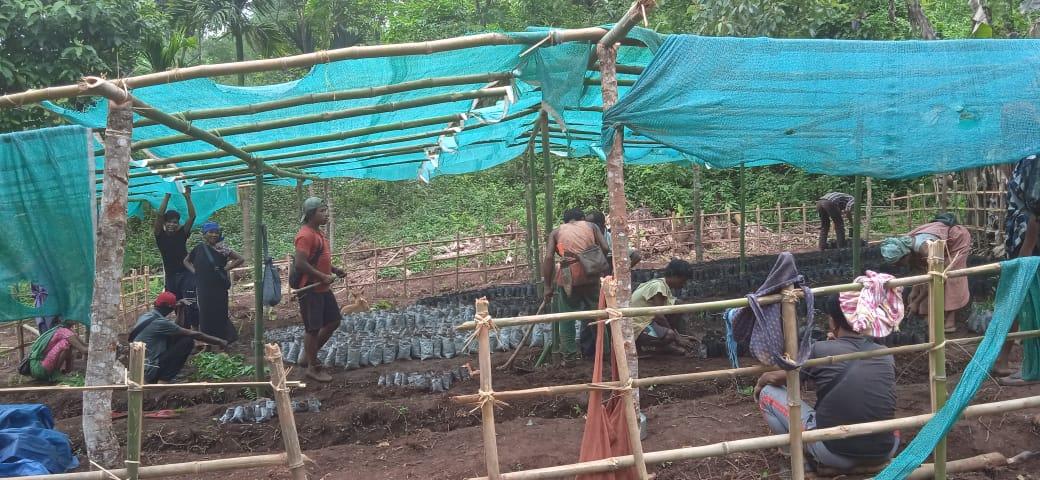
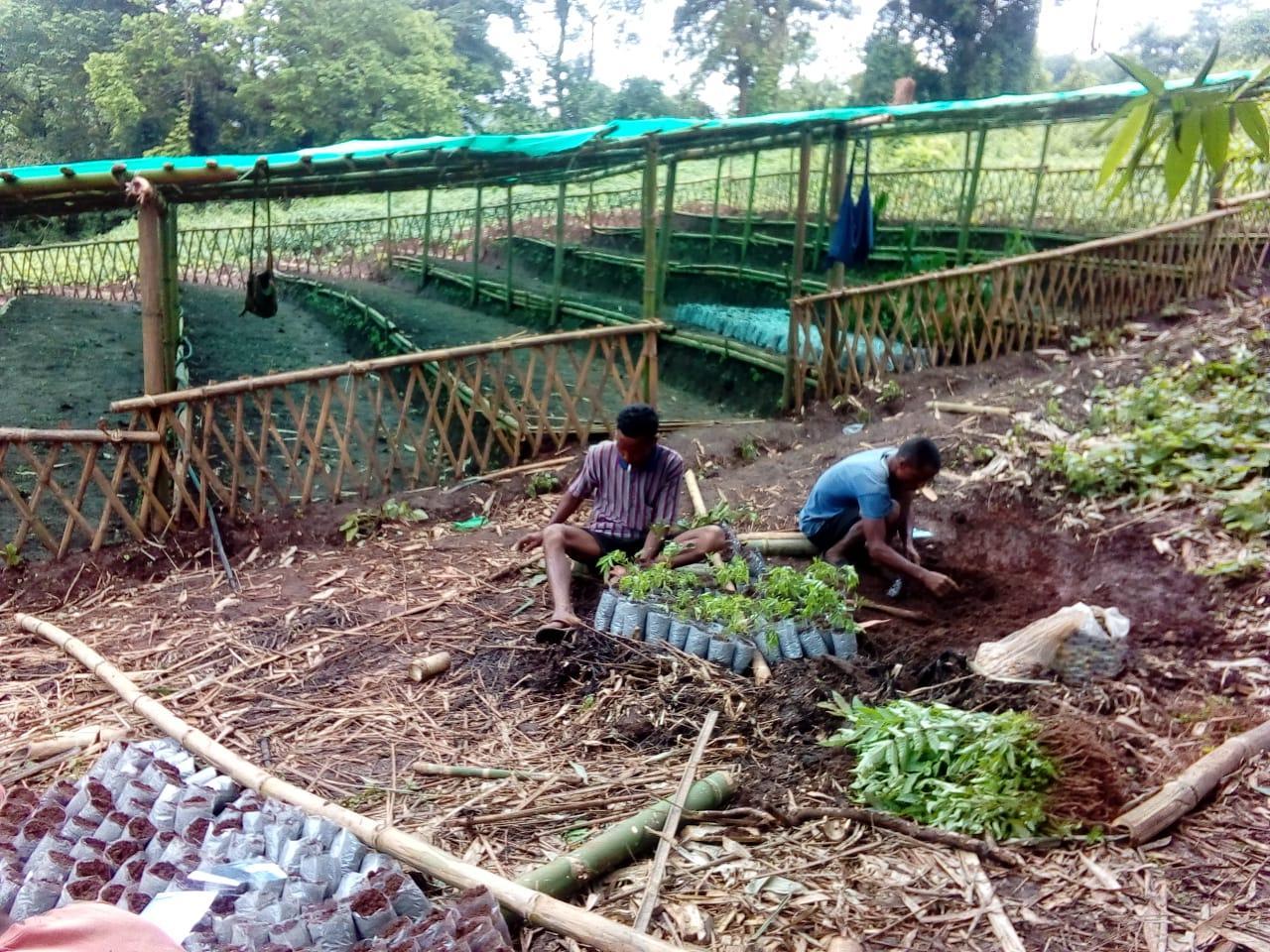
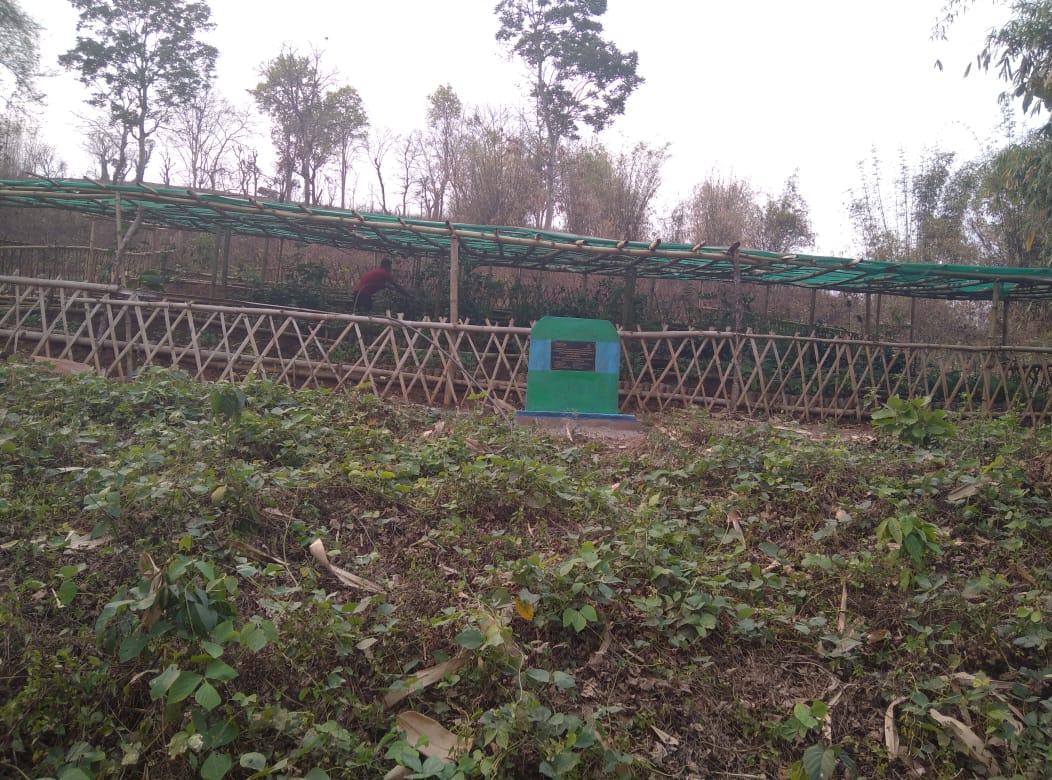
| Nursery | Kjat Lumtashir | 1,19,300 | Completed |
| Intervention | Site Name | Total Amount | Status |
|---|---|---|---|
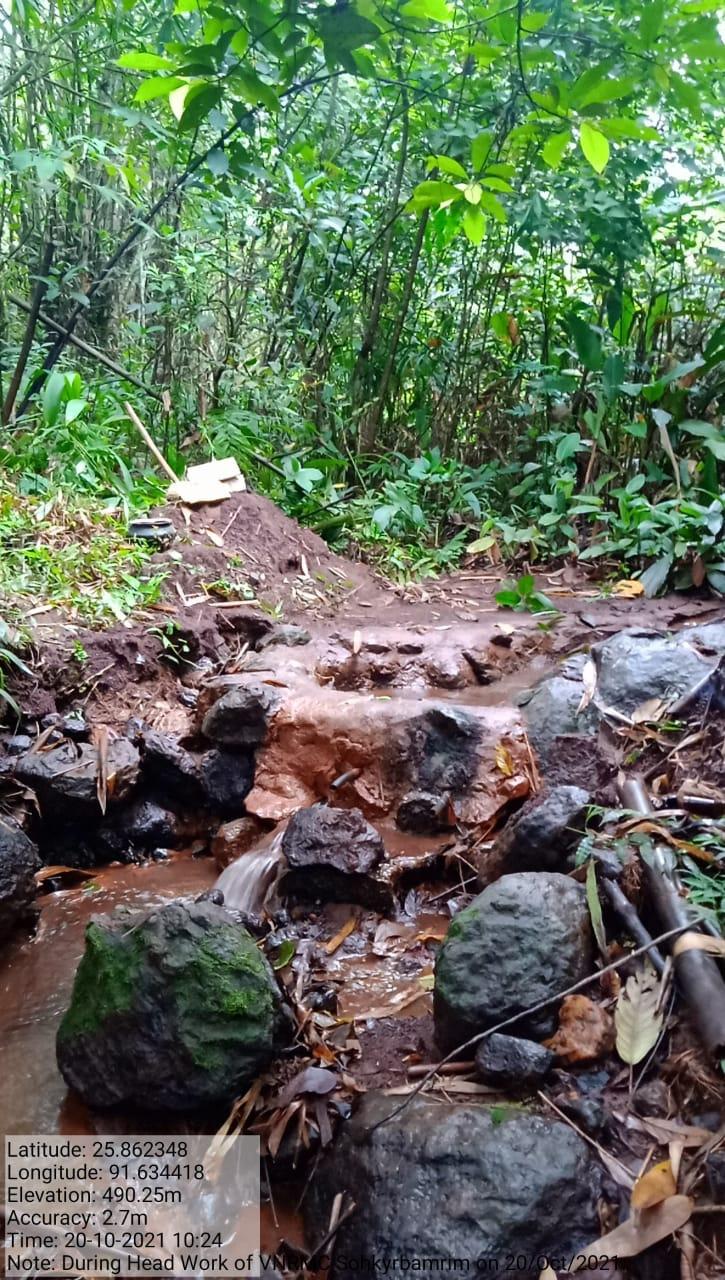
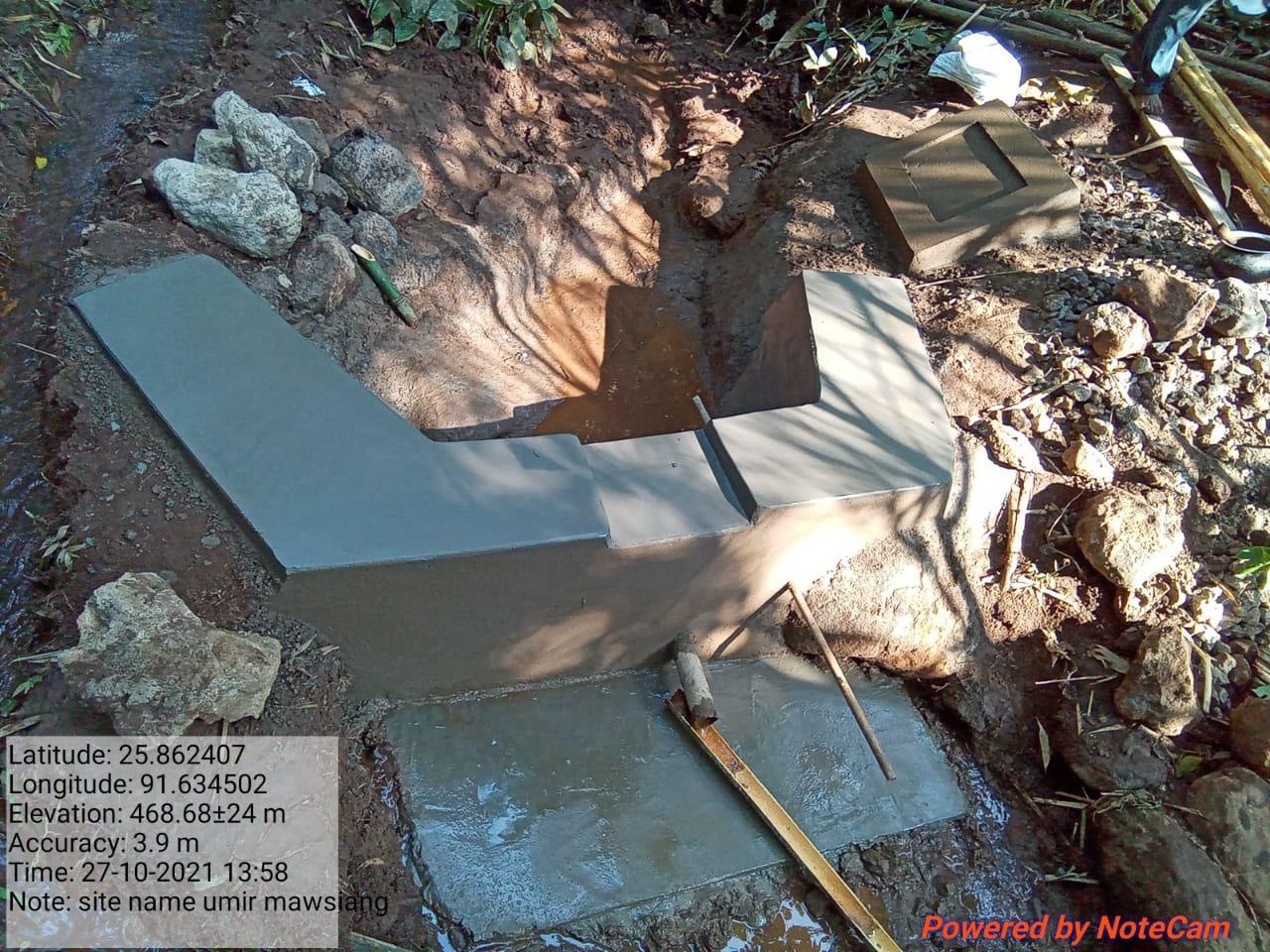
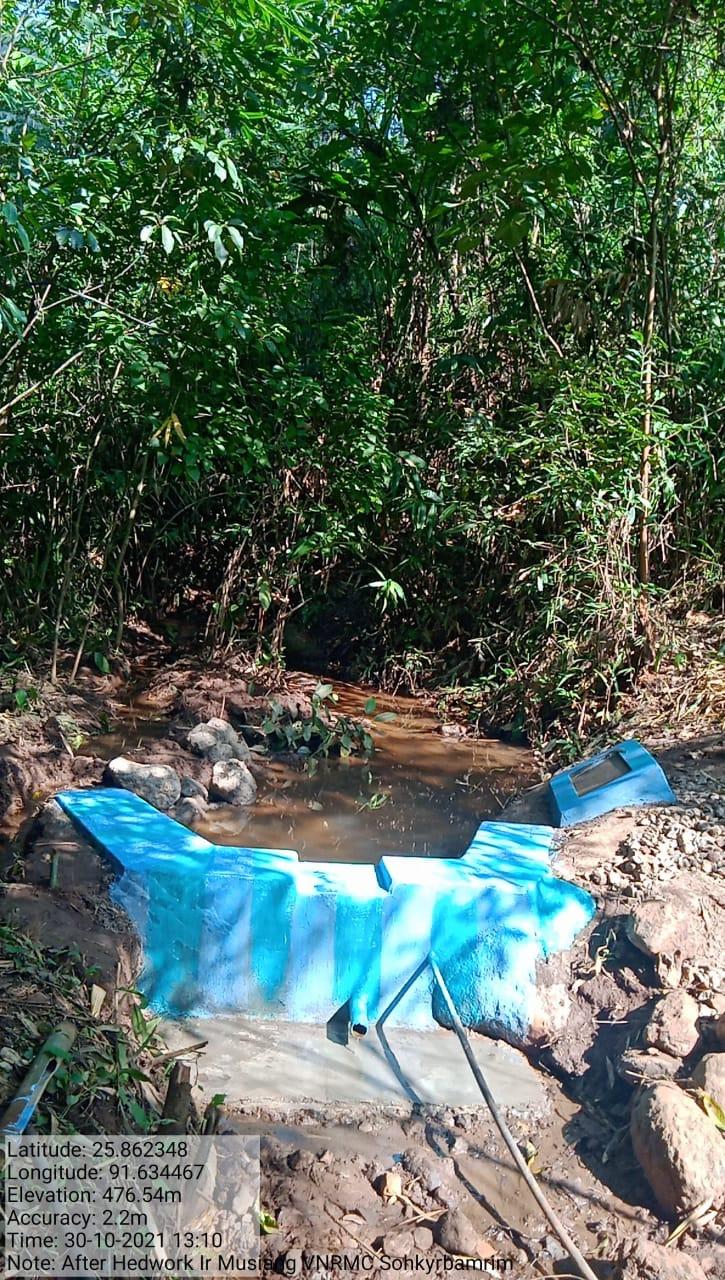
| Headwork | Umir Mawsiang | 90,015 | Completed |
| Intervention | Site Name | Total Amount | Status |
|---|---|---|---|
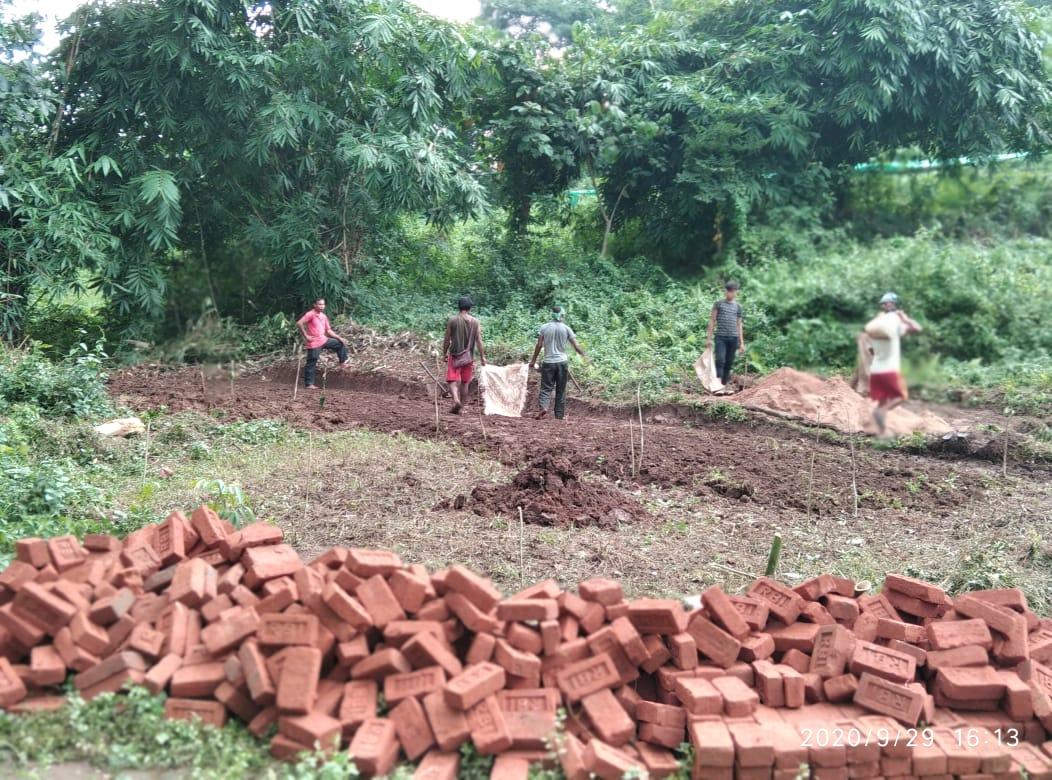
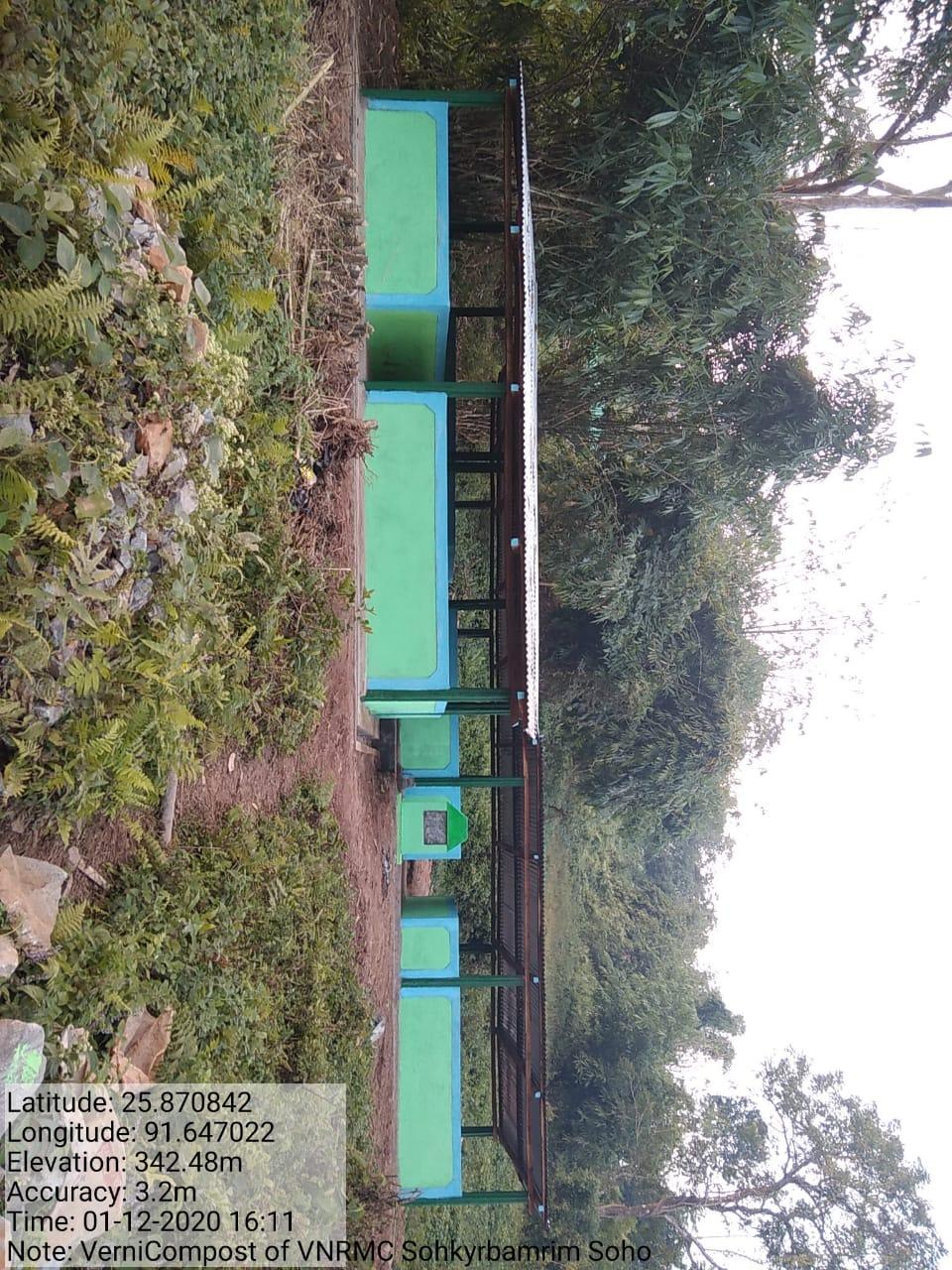
| Vermi Compost | Kjat Lumtashir | 3,32,460 | Completed |
| Intervention | Site Name | Total Amount | Status |
|---|---|---|---|
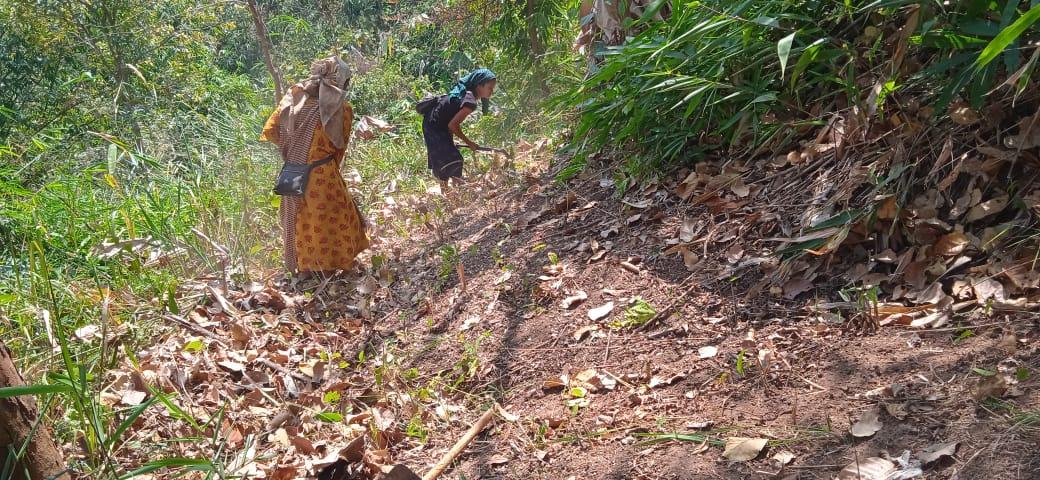
| Forest Fire Control Line | Lumtashir, Mawtnum, Umirlatri | 89,929 | Completed |
| Intervention | Site Name | Total Amount | Status |
|---|---|---|---|
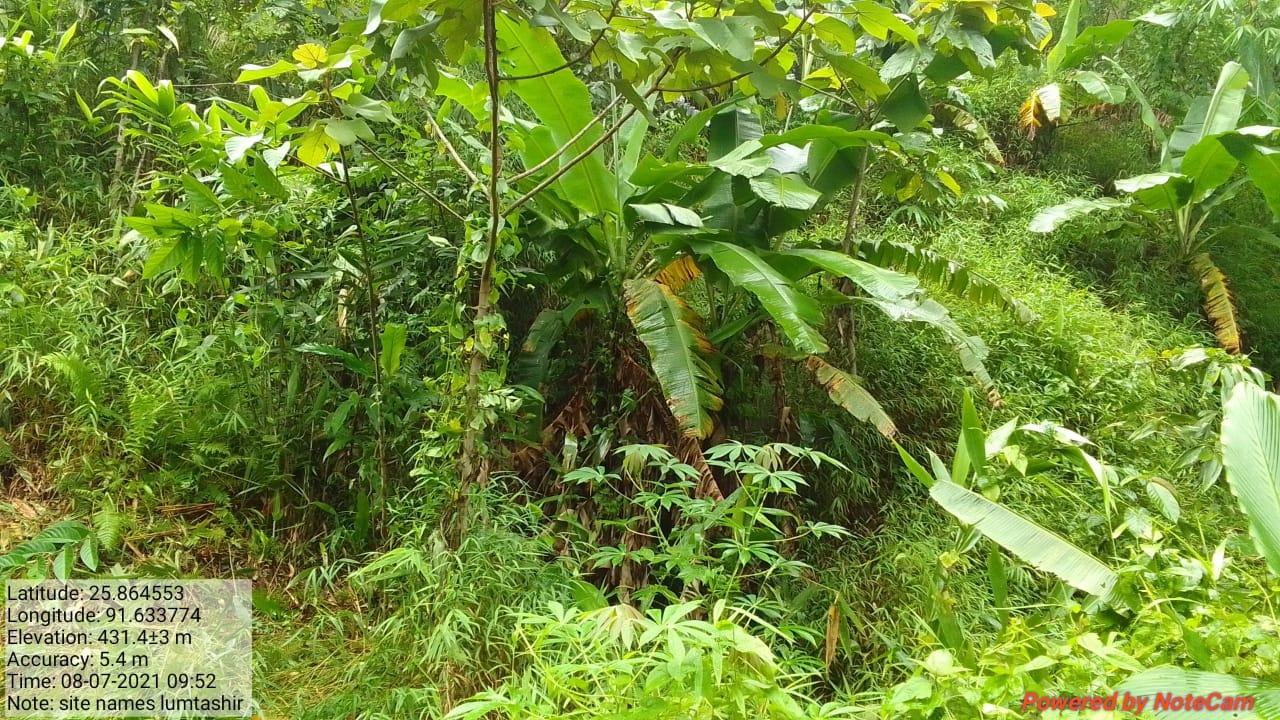
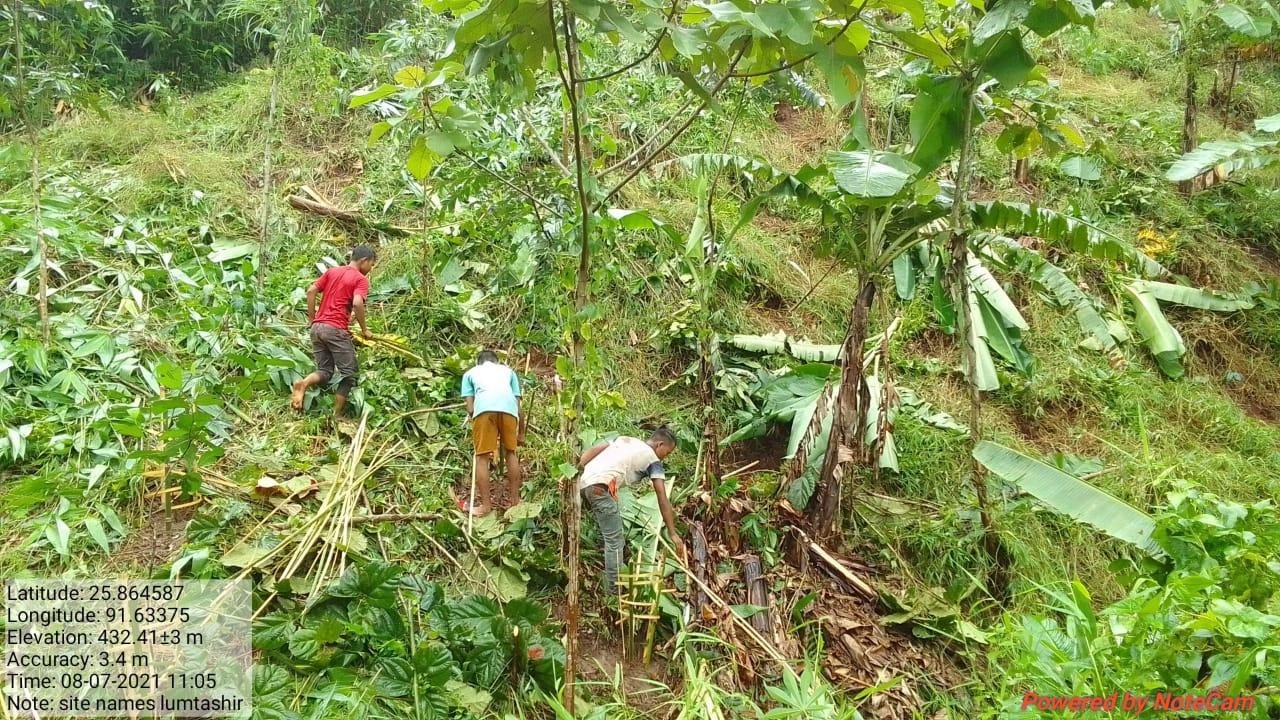
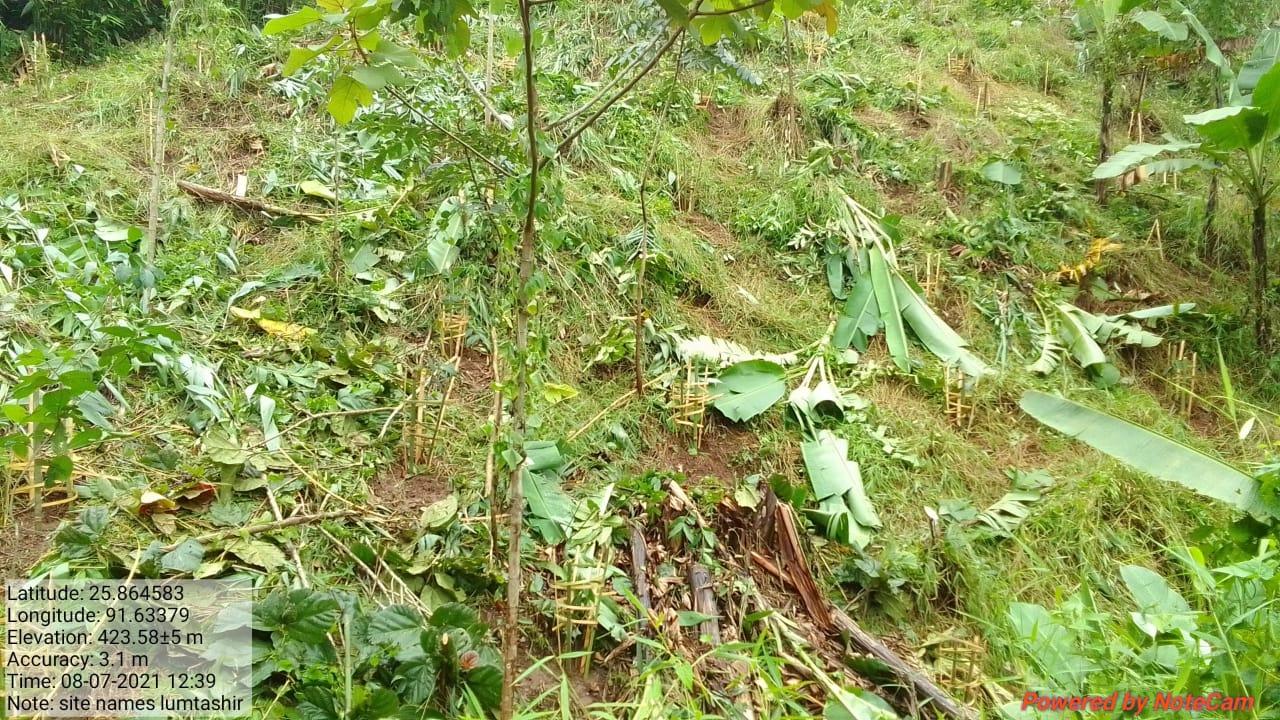
| Horticulture | Lumtashir, | 1,57,656 | Completed |
| Intervention | Site Name | Total Amount | Status |
|---|---|---|---|
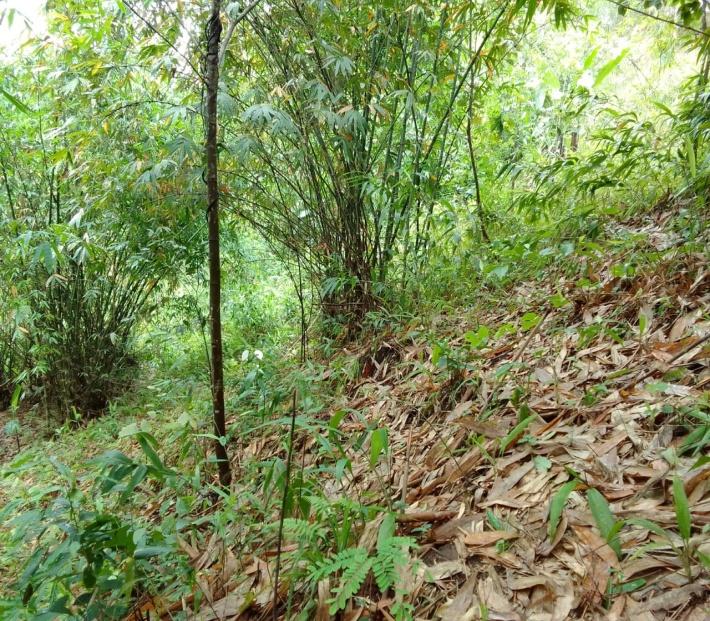
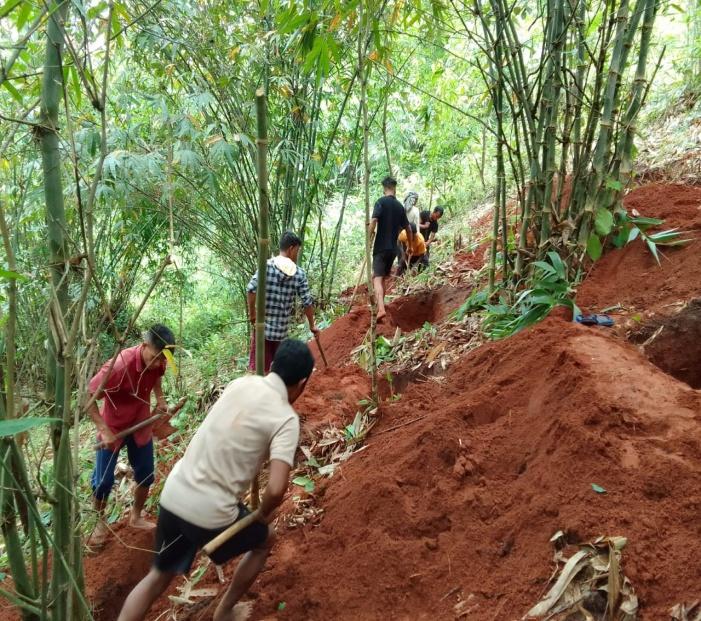
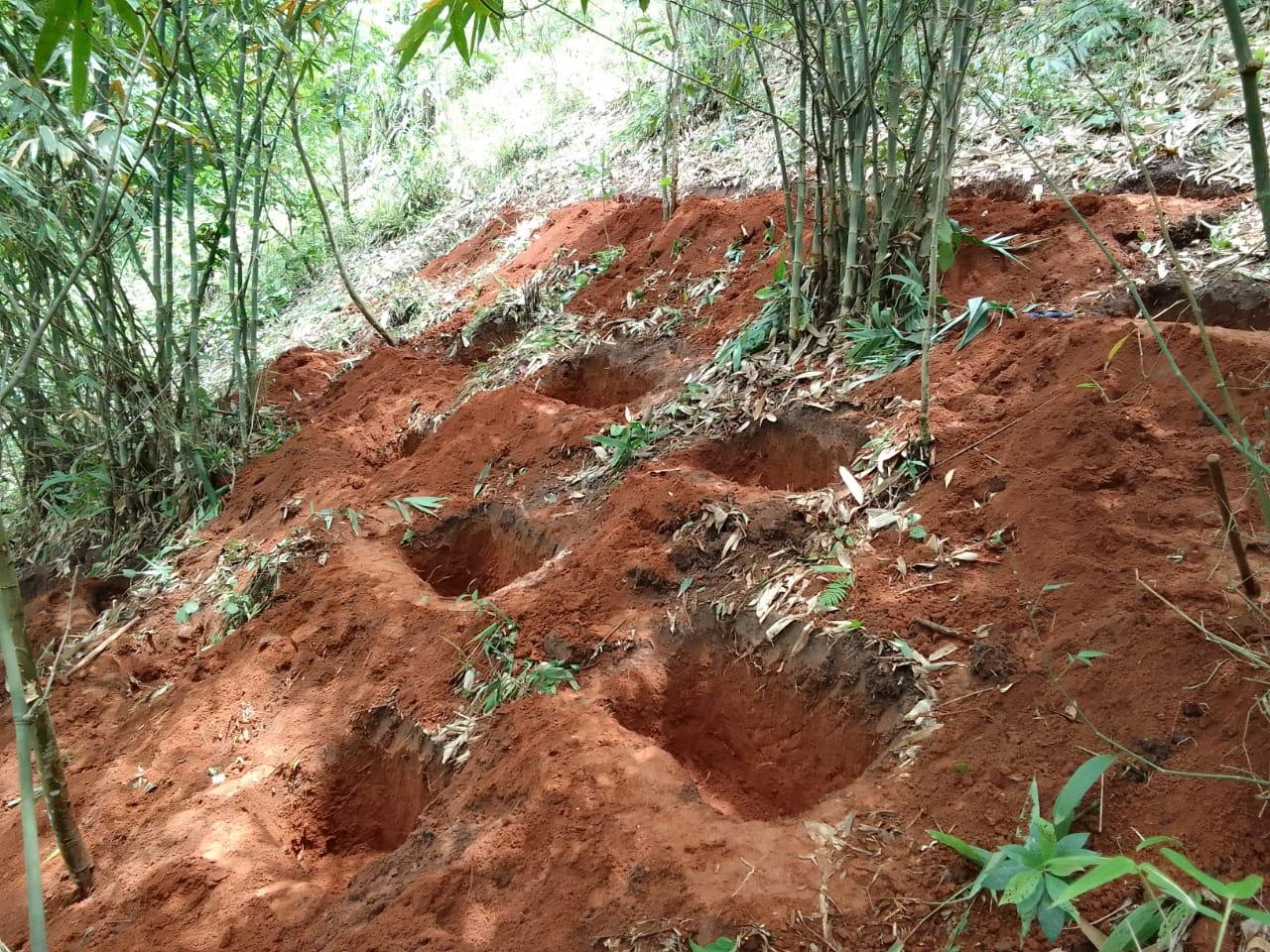
| Contour Trenches | Umirlatrit, Lumtashir & Umryngkowkhla | 84,500 | Completed |
| Intervention | Site Name | Total Amount | Status |
|---|---|---|---|
| Bench Terracing | Mawtnum | 3,50,100 | Completed |
| Intervention | Site Name | Total Amount | Status |
|---|---|---|---|
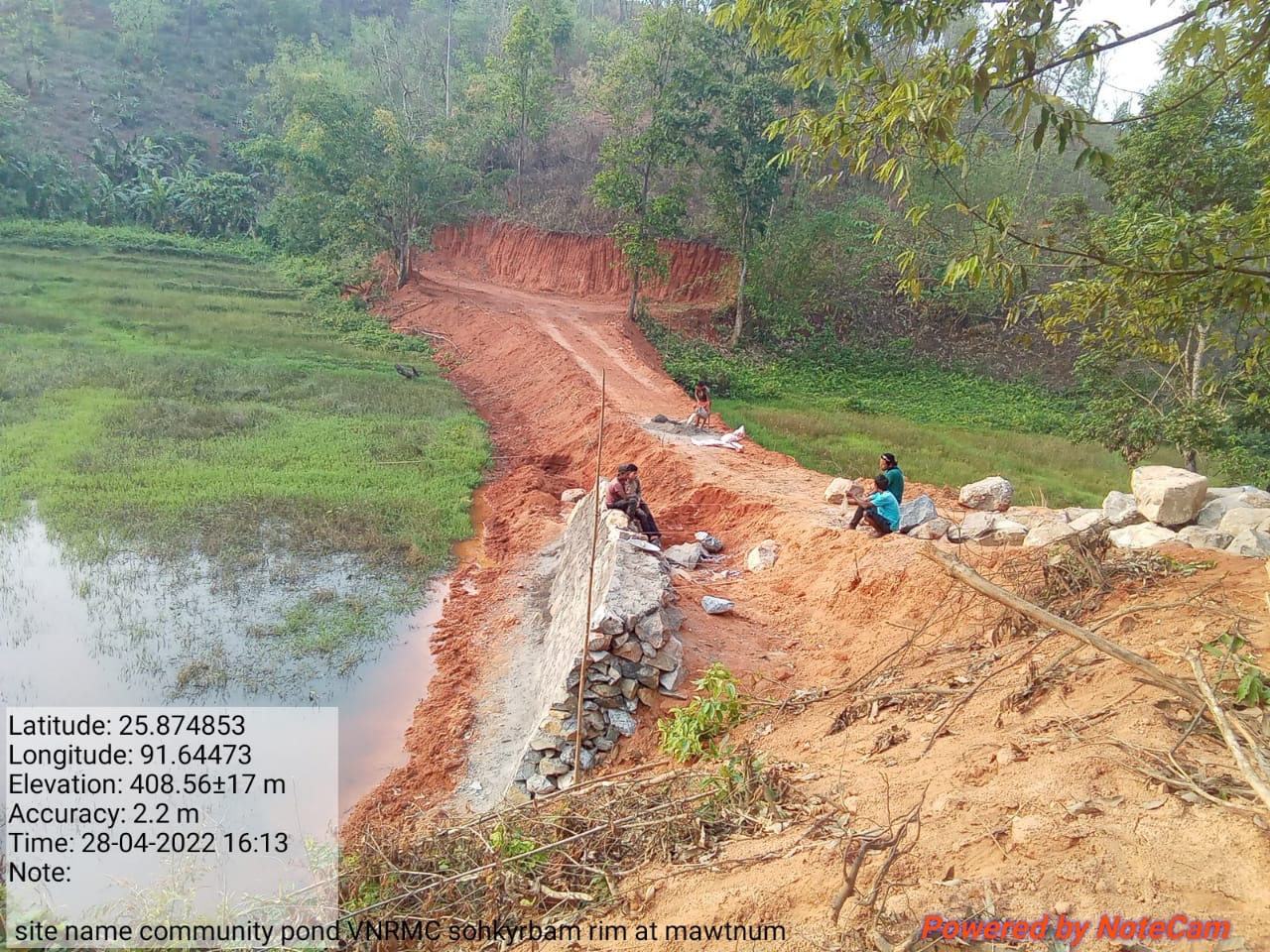
| Community embankment | Mawtnum | 5,00,000 | Completed |
| Intervention | Site Name | Total Amount | Status |
|---|---|---|---|
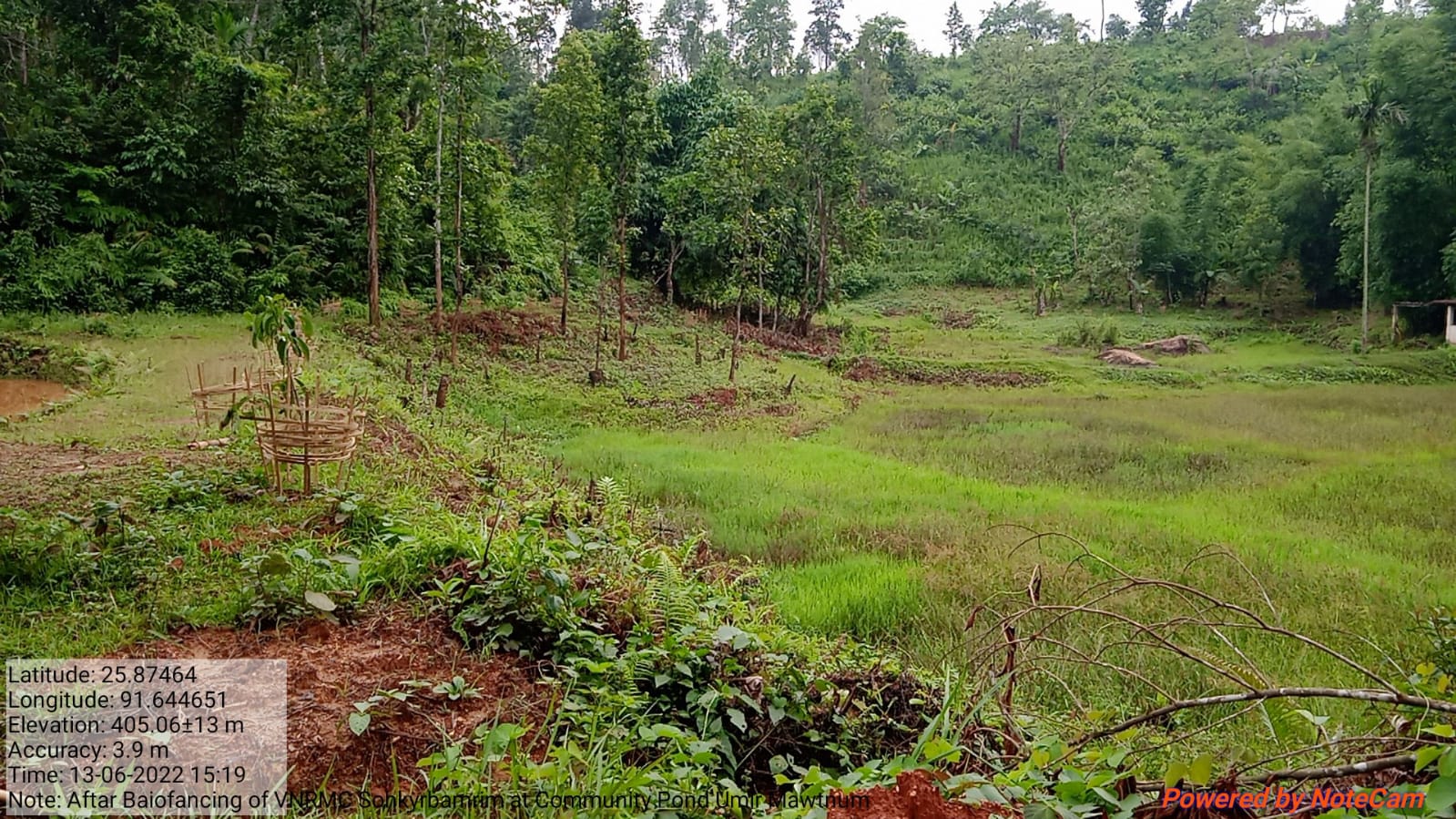
| Bio Fencing | Pung shnong | 1,49,900 | Completed |
| Intervention | Site Name | Total Amount | Status |
|---|---|---|---|
FMP Activities Fire control line Community forest boundary survey Assisted natural regeneration in open forest(contour bund) Enrichment planting in forest blanks(afforestation) In-situ and ex –situ conservation of rare and endangered plants Nursery for food forestry (sampling for the available nursery) |
All Community land | 14390 3000 23024 81127 4000 11000 |
Completed |
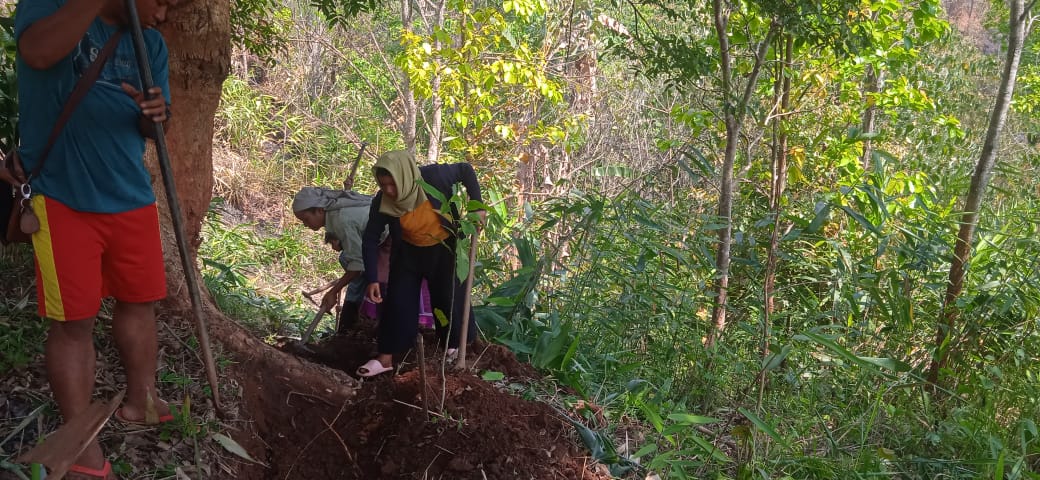
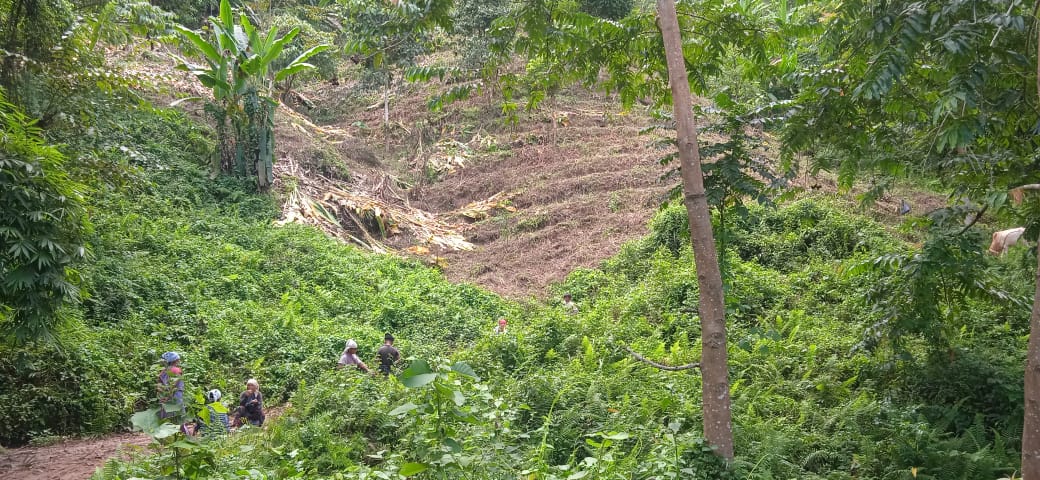
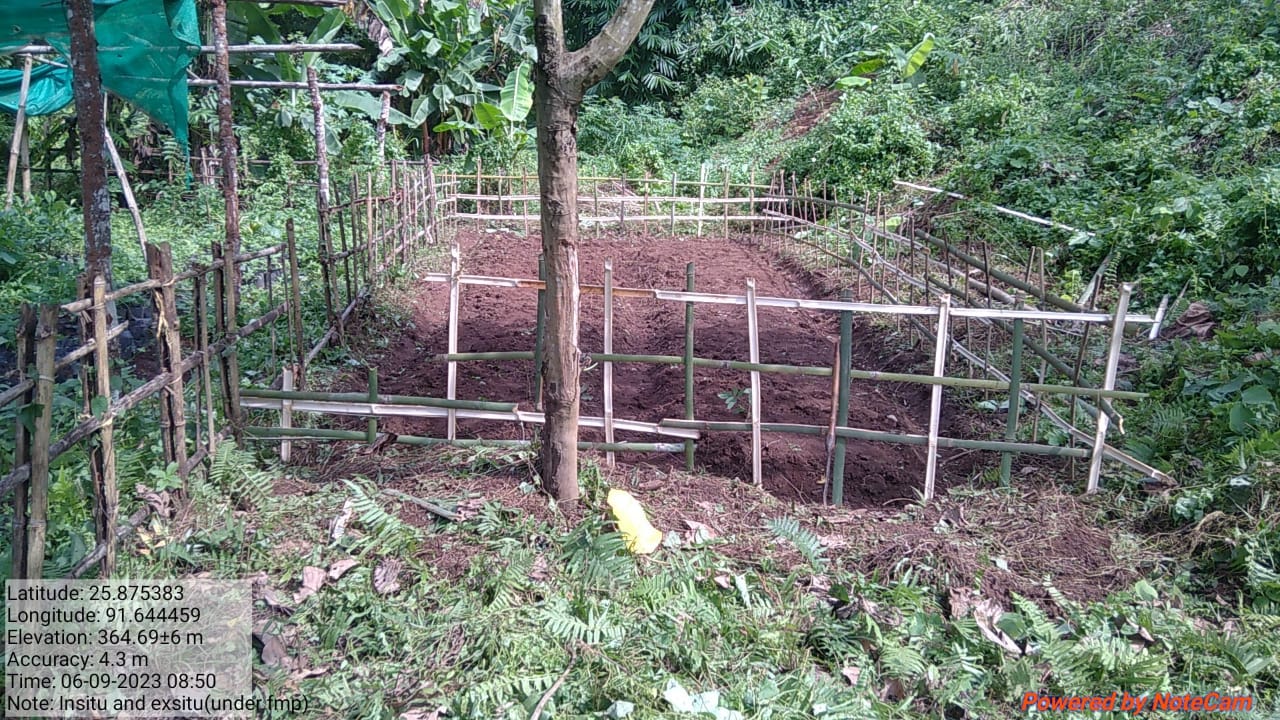
| Intervention | Site Name | Total Amount | Status |
|---|---|---|---|
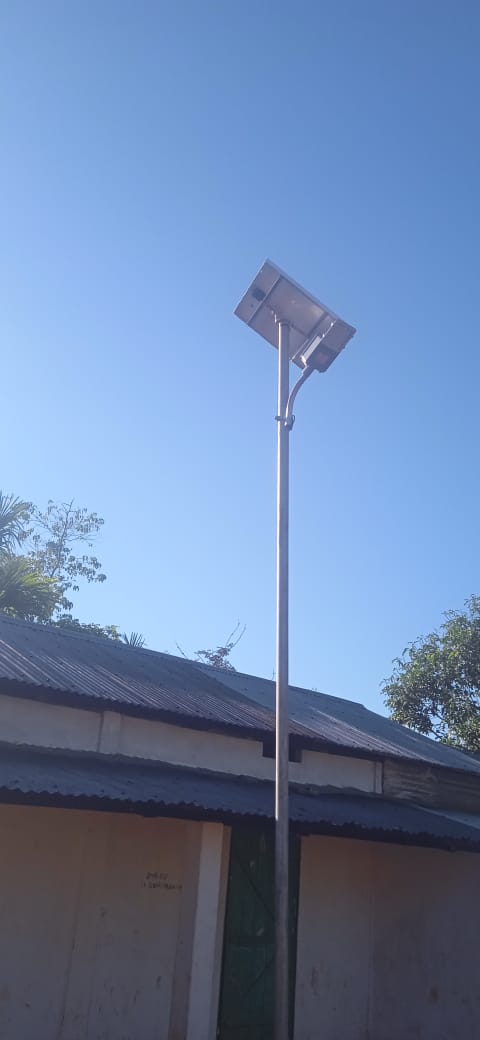
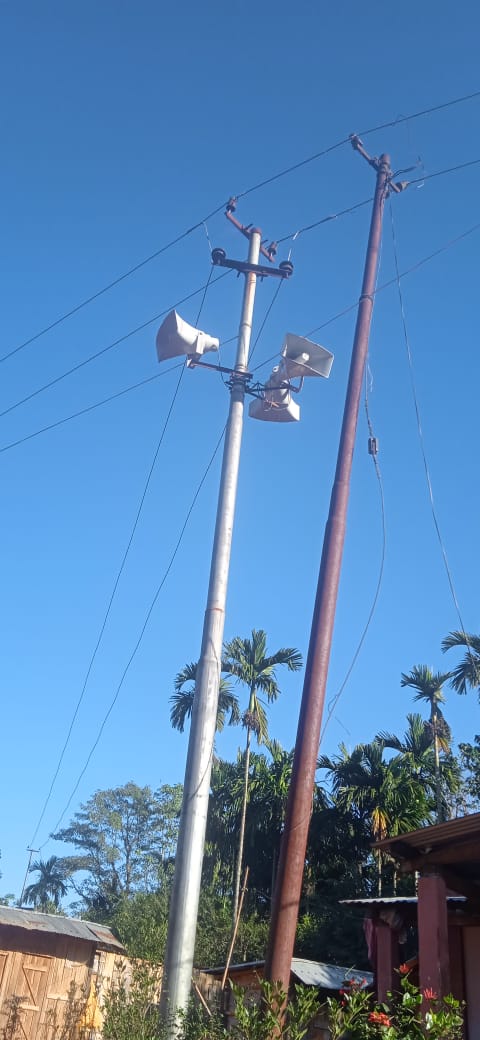
Excess fund activities PA System Water Tester Solar Light (2 Nos) Dustbin |
Community land | 1,45,900 | Completed |
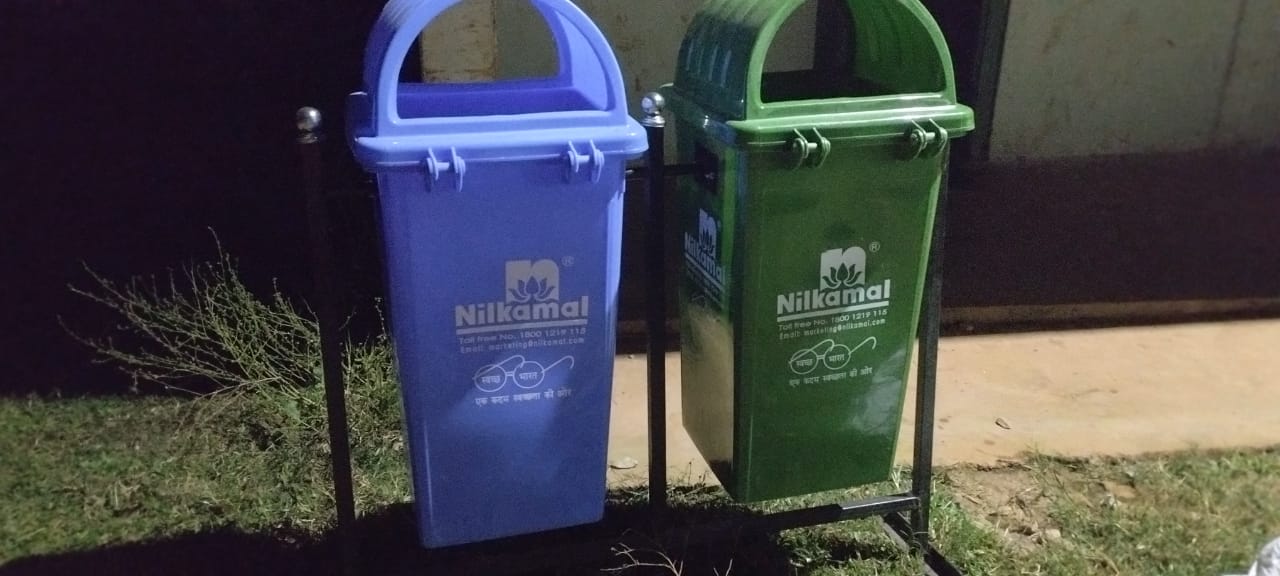
TESTIMONIALS 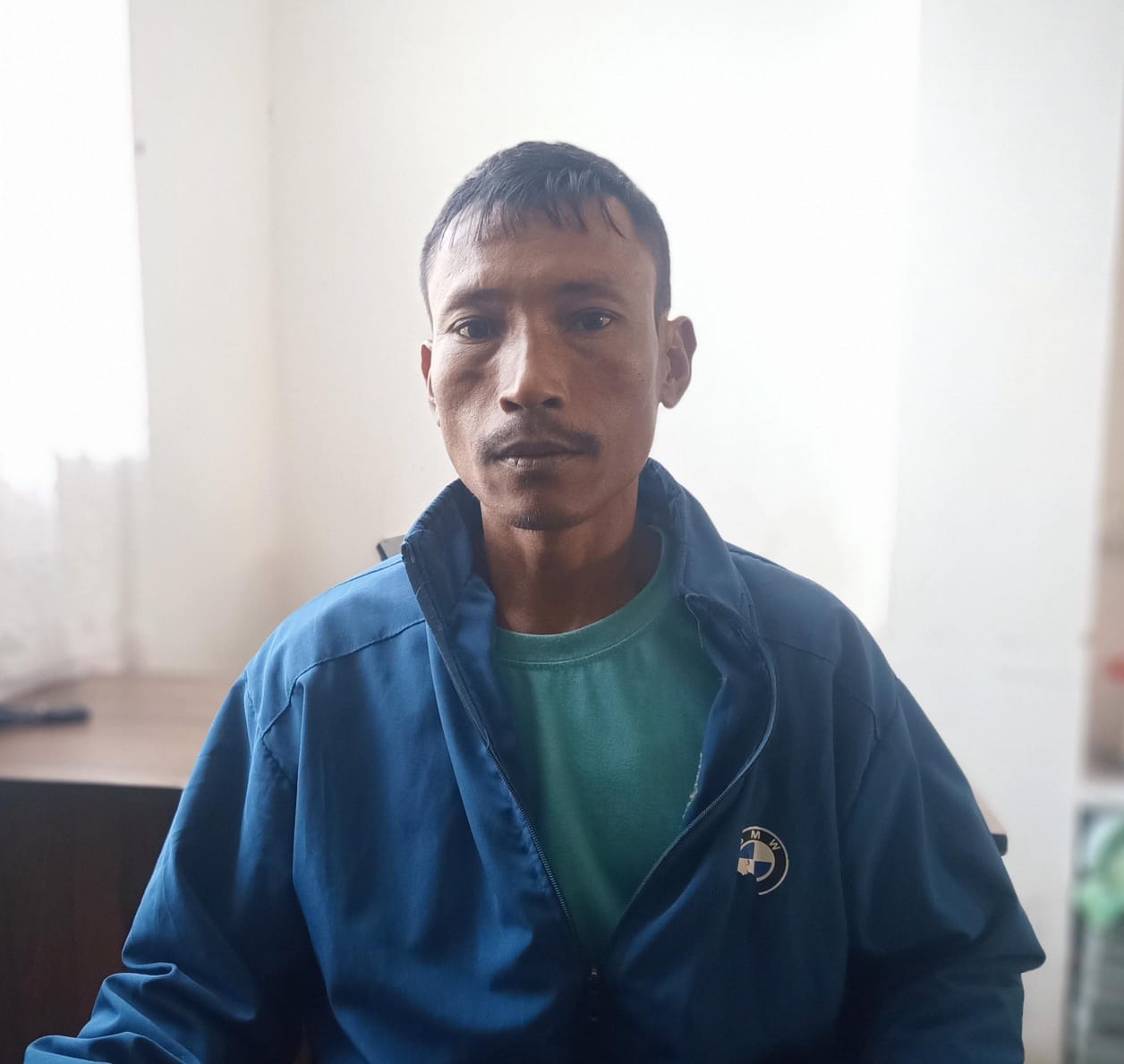
President of VNRMC- Lukas Nongrum
It's great to see the tremendous changes and transformation that the project has brought in our village leaving behind a positive impact. It’s like a comprehensive initiative that has brought numerous benefits to the community and to summarize the key benefits of the project, I would like to highlight some of it:
Spring Chamber for Water: The project provided a spring chamber, which allows the villagers to access water for various purposes such as washing utensils, clothes, and cleaning the surroundings. This has likely made daily chores more convenient.
Terraces for Tree and Fruit Planting: The creation of terraces allows for the cultivation of trees and fruit crops, which not only improves the environment but will also offer economic benefits through the sale of fruits.
Nursery for Tree Seeds: The establishment of a nursery enables the villagers to grow tree seeds and saplings, promoting afforestation and environmental conservation.
Vermicompost units: The setup of a house to make fertilizers from earthworms (vermicompost) is an eco-friendly way to improve soil fertility for farming.
Check dam: The check dam helps in controlling water flow and preventing soil erosion, contributing to water conservation efforts.
Employment Opportunities: The project has provided employment opportunities for the villagers as daily wage labourers, which positively impacts their livelihoods.
Economic Growth: The initiatives mentioned, such as selling fruits, vermicompost, and possibly fish, contribute to economic growth in the village.
Overall, the project appears to be well-rounded, with a focus on sustainable development and community empowerment. It has brought significant positive changes to the village, offering a brighter and more prosperous future for its residents.
Secretary- Pdianghun Syngkli 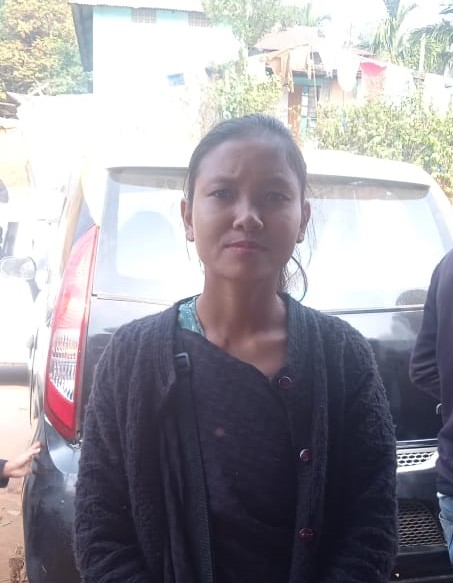
It's wonderful to write about the additional benefits and opportunities that the project has provided, especially from my perspective as the secretary. I would like to highlight the key benefits and opportunities that this project has:
Benefits of the Project:
Spring Chamber: The spring chamber provides access to water for various daily activities, making life more convenient for the villagers.
Nursery: The nursery allows for the cultivation of tree seeds and saplings, promoting afforestation and environmental conservation.
Community Pond: The community pond offers opportunities for fish farming, providing a new source of food and income for the community.
Vermicompost: The vermicompost facility enables the production of organic fertilizers, which helps improve soil fertility for farming in a sustainable way.
Bench Terrace: The construction of bench terraces allows for the cultivation of crops on sloping land, preventing soil erosion and increasing agricultural productivity.
Opportunities as the Secretary:
Community Involvement: As the secretary, I have the opportunity to actively work with the community, fostering a sense of togetherness and collaboration for the betterment of the village.
Contributing to Development: The role as the secretary allows me to actively contribute to the development and implementation of various projects that benefit the village.
Leadership and Decision-making: Being in a leadership position,I have the chance to make decisions that positively impact the community's well-being and future.
Problem-Solving: In my capacity as the secretary, I can engage in problem-solving and finding innovative solutions to challenges faced by the village.
Empowerment: Through the involvement in the project and community affairs, I can empower fellow villagers and encourage them to take part in the village's development.
My dedication and involvement as the secretary have likely played a crucial role in ensuring the successful implementation of the project and maximizing its positive impacts on the village. Such community-driven efforts can create a more sustainable and thriving future for everyone involved.
VCF Social- Kresinsia Syngkli 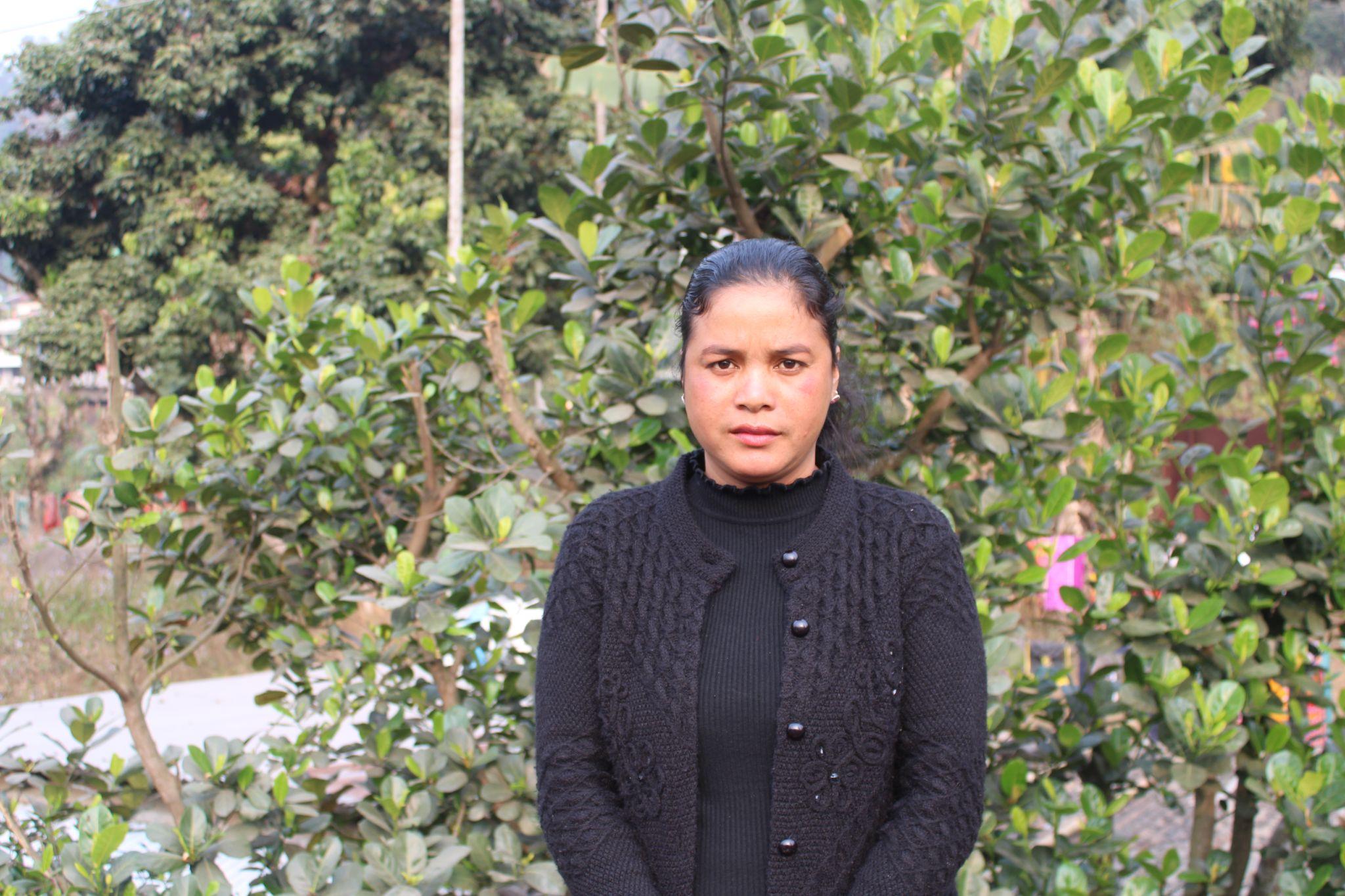
It's great to see that the project is in its final phase and my involvement as a Village Community Facilitator (VCF) in all these past 5 years in promoting cleanliness, environmental preservation, and sustainable practices in the- village has not gone in vain. The efforts to educate and raise awareness among the community members are crucial for achieving positive change and creating a healthier environment. I would like to highlight the key aspects of my role and the benefits I have gained from the project:
Role as VCF:
Cleanliness Awareness: As a VCF I am working to instill a sense of cleanliness and hygiene among the villagers, encouraging them not to litter or dispose of plastics indiscriminately.
Water Source Preservation: By promoting the clean-up and preservation of water sources, you are helping to ensure a sustainable supply of clean water for the community.
Environmental Conservation: Educating the villagers on environmental preservation and the importance of protecting wildlife helps maintain the ecological balance in the region.
Organic Farming Promotion: By teaching the use of organic manure for plantations, you are fostering sustainable agricultural practices that are environmentally friendly and beneficial for soil health.
Benefits as a VCF:
Training Opportunities: As a VCF, I have had the chance to attend various training sessions, which likely equipped you with valuable knowledge and skills to carry out your role effectively.
Exposure Visits: Exposure visits have allowed me to learn from other successful projects and gain insights into different approaches to community development and environmental conservation.
Personal Growth: Through my involvement in the project, I have likely experienced personal growth, gaining confidence, and improving my communication and leadership skills.
Empowerment: By being actively engaged in promoting positive changes in the village, I am empowering myself and becoming a driving force for community development.
Educator Role: Teaching and educating the community members not only benefit them but also reinforce my understanding of the subject matter, enhancing my expertise in the field of environmental conservation and sustainability.
My dedication and commitment to promoting sustainable practices and environmental awareness in the village are vital for building a more resilient and ecologically responsible community. By continuing to empower and educate the villagers, I am contributing to a brighter and more sustainable future for our village and beyond.
VCF ENV&GIS- Rolan Thangkhiew 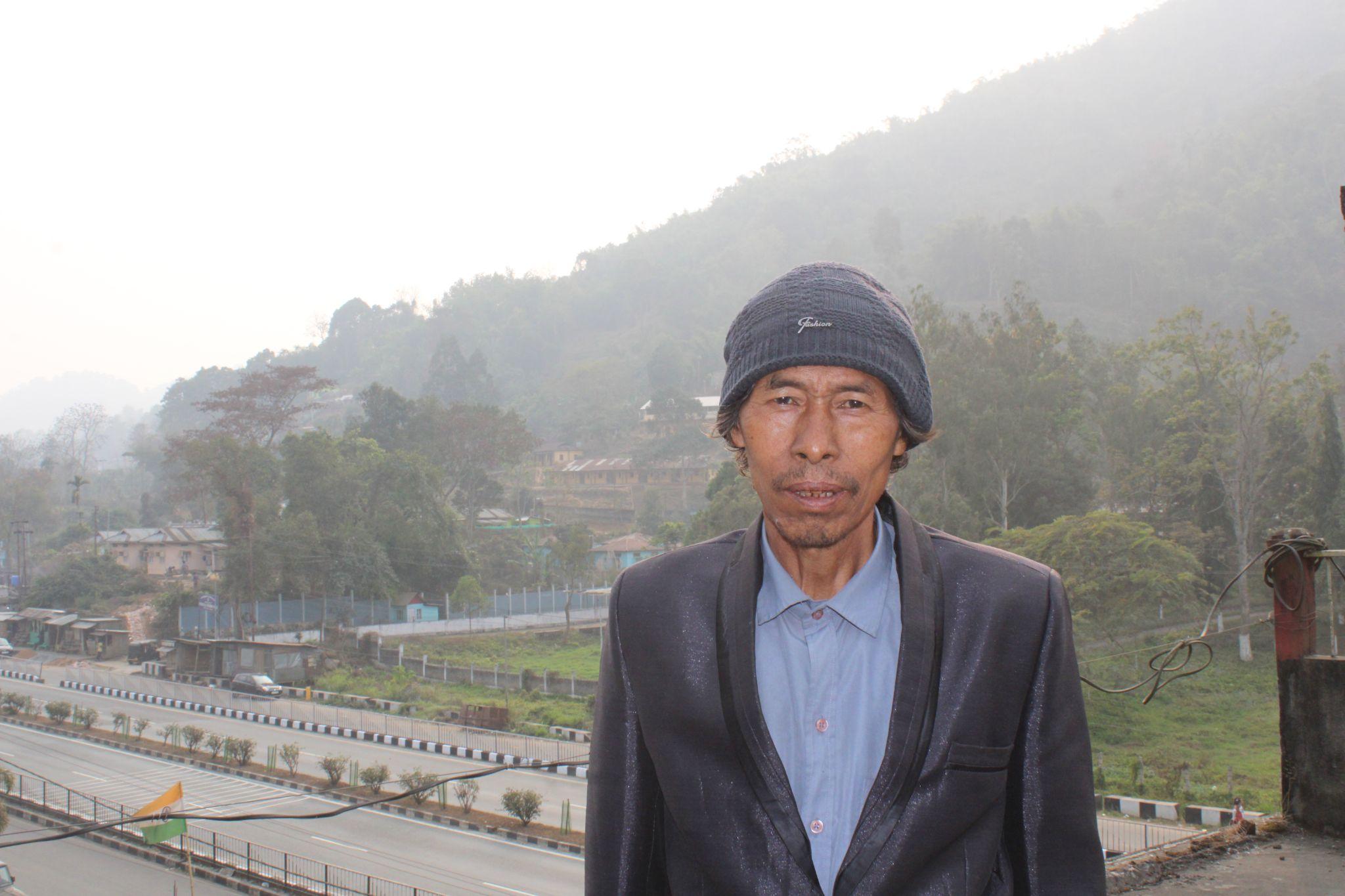
My work as a Village Community Facilitator (VCF) to promote cleanliness, environmental preservation, and respect for nature has made the project’s work at the grassroots level successful. My focus on preserving water sources, soil, forests, wildlife, and trees highlights the commitment to sustainability and ecological conservation that I have as a VCF. I wish to emphasize the key aspects of my role and the benefits I have gained from the project:
Role as VCF:
Cleanliness and Environment: As a VCF our efforts in maintaining cleanliness in the surroundings and promoting respect for nature are crucial for a healthier and more sustainable living environment.
Water Source and Soil Preservation: By preserving water sources and soil, I am able to contribute to the long-term availability of essential resources for the community.
Forest and Wildlife Conservation: Our dedication to preserving forests, birds, and animals helps maintain biodiversity and the natural ecosystem, ensuring a balanced and thriving environment.
Tree Preservation: By advocating against tree-cutting, we are actively contributing to combating deforestation and promoting sustainable practices in land use.
Benefits as a VCF:
Personal Growth and Skill Improvement: My involvement in various project activities has likely led to personal growth, including improved problem-solving, leadership, and communication skills.
Environmental Awareness: Through the project, I have gained valuable knowledge about environmental conservation and sustainable practices, enhancing my understanding of the importance of protecting the environment.
Empowerment as a Change Agent: By taking a proactive role in promoting sustainable practices, I am empowering yourself to be a catalyst for positive change in our village.
Improved Livelihood Opportunities:The project's emphasis on working on beneficial activities can help alleviate poverty and improve the livelihoods of the community members.
Lastly, my passion for creating a cleaner and more sustainable village, coupled along with dedication to preserving the environment, I believe will surely serve as an inspiration to others. As a VCF, I have played a crucial role in spreading awareness and fostering positive attitudes toward nature and community development. By continuing to lead by example, I can help build a more environmentally conscious and prosperous future for my village.