Report on:
umtung Village under Bhoirymbong C&RD BLock
District: Ri Bhoi
19th jaN, 2024
COMMUNITY LED LANDSCAPE MANAGEMENT PROJECT

Community Led Landscape Management Project (CLLMP)
The Government of Meghalaya with financial help from the World Bank is implementing the Meghalaya Community Led Landscape Management Project (MCLLMP). The project will cover the entire state of Meghalaya and implementation of community led plans will be rolled out in phase manner throughout the state. The Meghalaya Basin Management Agency (MBMA) will facilitate community-led planning by providing support, technical inputs and funding.
The project is intended to strengthen community-led natural resources management in selected landscapes within the 11 districts of the state. This would be achieved through a variety of planning, capacity building, and on-the-ground interventions to promote the conservation, sustainable use of natural resources, social inclusion and community mobilisation; building traditional knowledge and learning, mapping of natural resources management; strengthening the community institutions and creating linkage with financial institutions and community organizations.
The project interventions include preparation of community led natural resource management plans. The CLLMP has the following three components:
Strengthening Knowledge and Capacity of Communities for NaturalResources Management
Community-Led Landscape Planning and Implementation
Project Management and Governance
The project objective is “to manage and conserve the natural resources, especially forests, soil and water sources, in a manner that supports the financial and physical well-being of communities in the State”
The CLLM-Programme focuses on increasing the capacities of communities and traditional institutions (TI) by adopting a landscape approach to manage their natural resources such as soil, springs and other water sources, forests and bio-diversity, etc.
The project is planned and implemented in about 400 villages across the state.
CLLMP focusses on institution-building at the village-level, by ensuring systematic capacity-building on technical and social skill-sets.
The project also extend such training to communities beyond the targeted villages and support efforts made by them to access funding from various rural and natural resources initiatives and schemes.
The programme also invest in improving the process and outcome delivery, by developing and adhering to effective systems and procedures, supported by the appropriate technology.
Benefits for community (Skills and Capacity relating to technical and managerial areas like NRM and Conflict resolution
Benefits to traditional institutions (village councils, traditional leaders, community-based organizations, SHGs etc) through Knowledge sharing, promotion of innovative approach, access to technology, technical managerial and financial support.
It is estimated that the project will impact around 1 lakh partners (of which 50% are women) who depend on land, forest, agroforestry.
Through the project, 55000 Ha of targeted area will be ensured with availability of water, biological resources and soil productivity, which will in turn benefit around 400 villages and the outcomes delivery can be summarized as follows.
The Project is executed by the MBMA in collaboration with other partners particularly, SIRD (for training and capacity building), Department of Soil and Water Conservation, Water Resource Department, Forest Department, specifically with respect to technical inputs, safeguards management and Community NRM plan preparation
2018-2023 (5 years)
Introduction
Umtung Village falls under BhoiRymbong C&RD block of Ri-Bhoi district in the state of Meghalaya. The village is at a distance of 60 Kms from Nongpoh, the district headquarters of Ri Bhoi District and is at a total distance of 36.5 Kms from the state capital, Shillong.
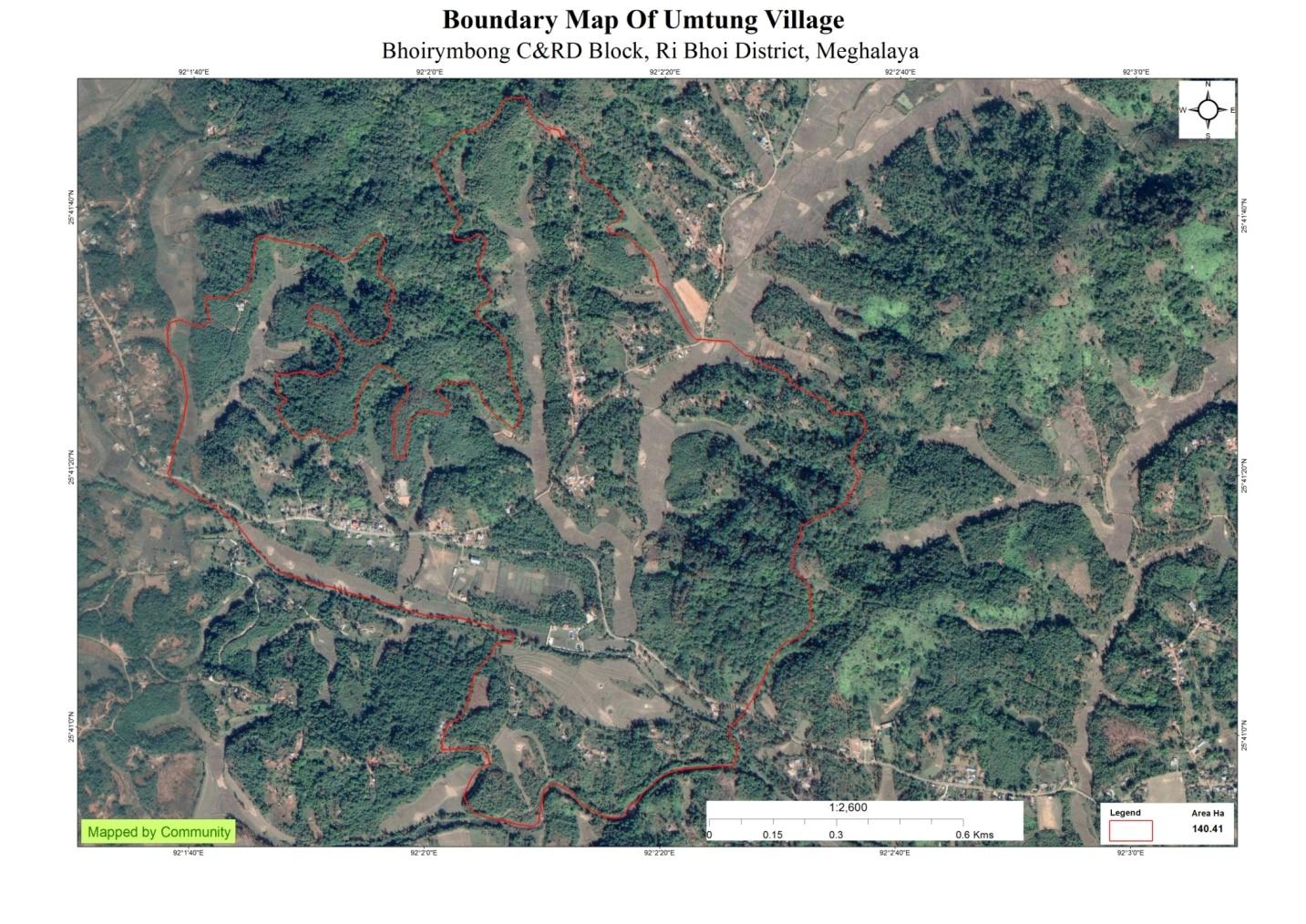
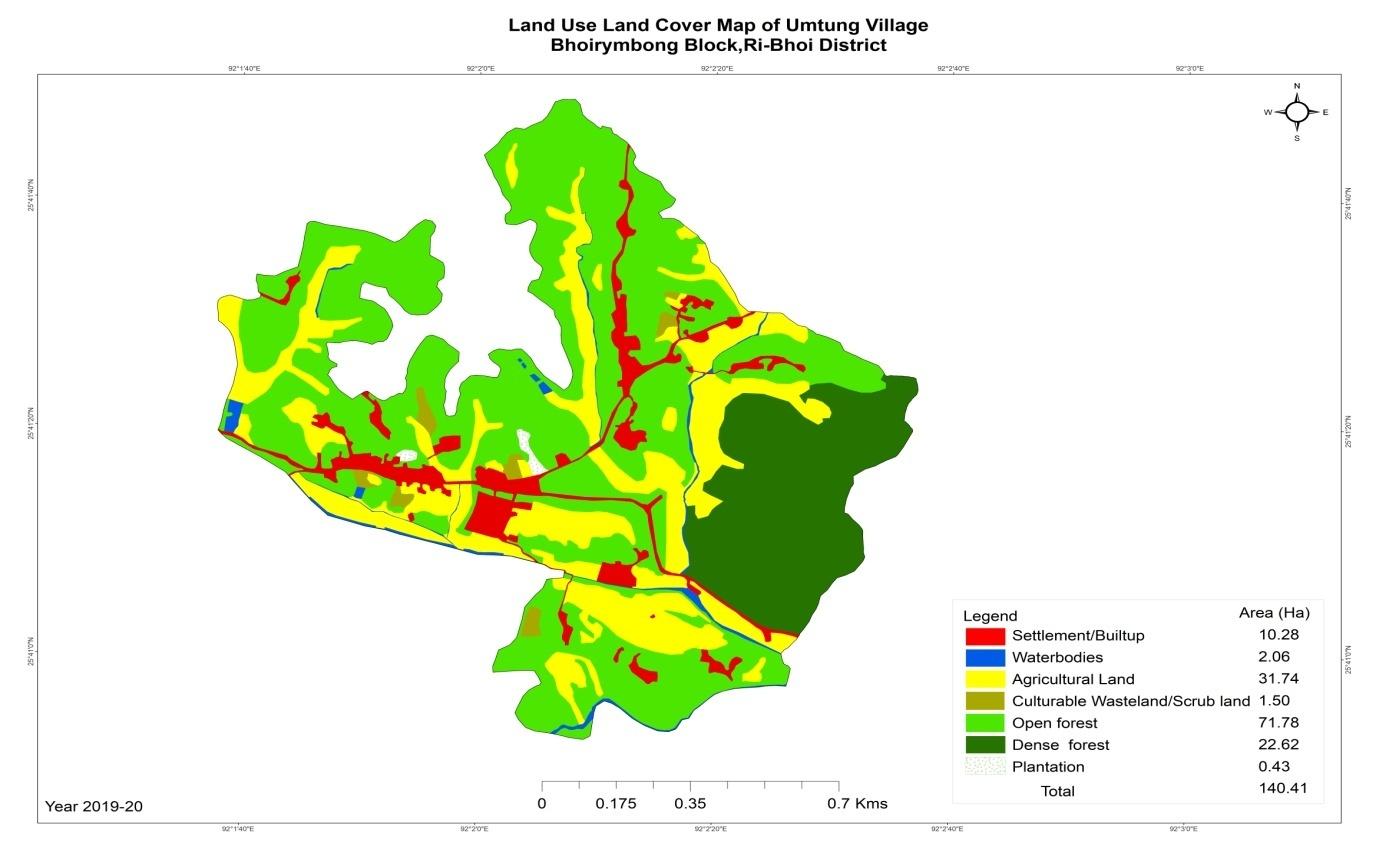
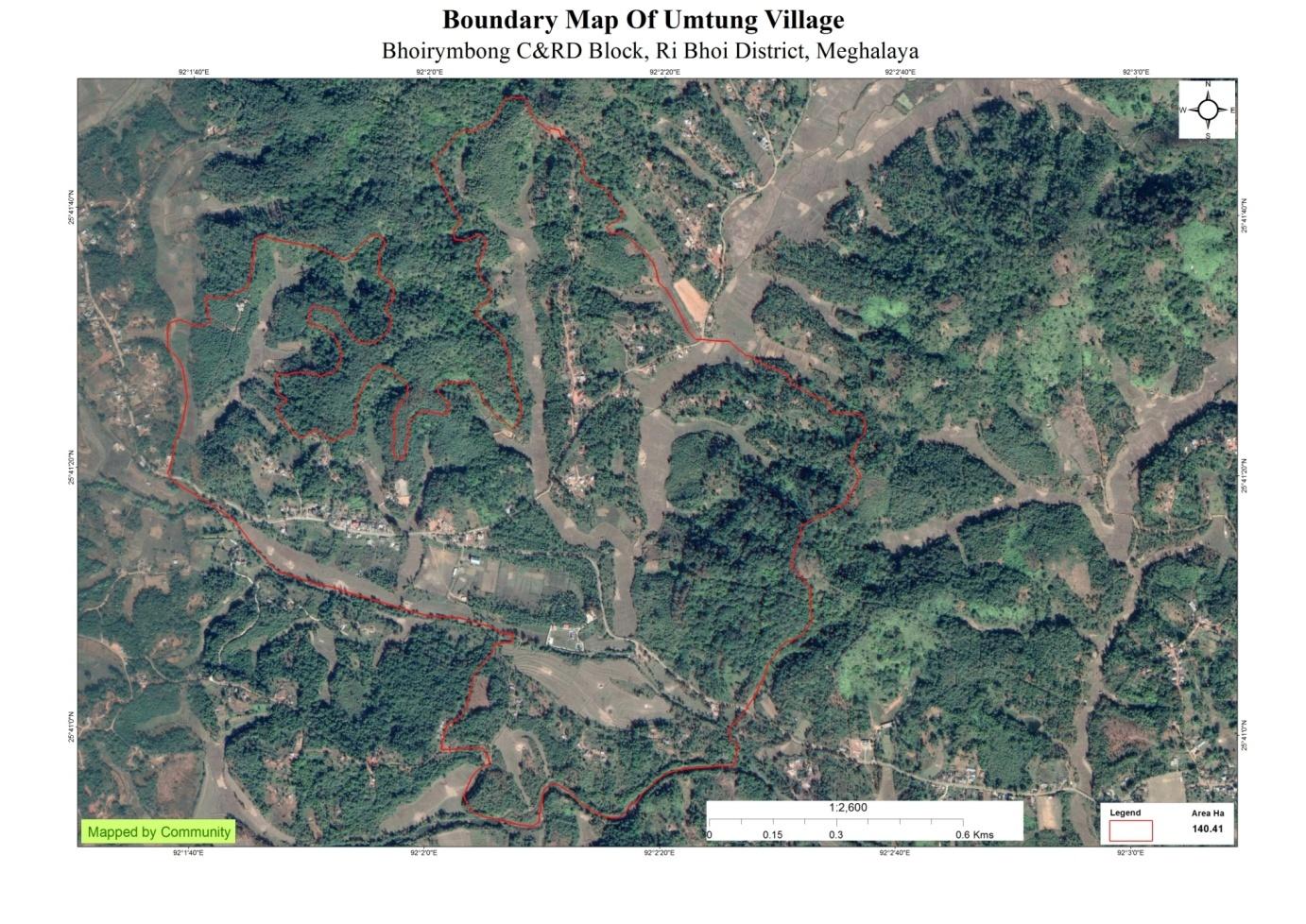
The village is spread over an area of 140.41 Ha ( GPS Co-ordinates of 92º3ºE and 25º41º40´´N) and is presently constituted by its 3(three) sub-localities- Umtung, Sohliya and Weikulai.
History: Nestled amidst the low-lying hills of Ri Bhoi,some 34 kms away from the capital city of Meghalaya, Shillong lies one Umtung village which falls under the purview of the Shnat Raid Umket, Khyrim Syiemship, Ri Bhoi district, Meghalaya. Constituted since February 1971, the village derived the name from the ebb and flow of the Umtung River which encompasses the entire village in its start-to-end point. Actually Umtung village was born out of the Umket village which stands today still with new defined boundaries. Umtung village is presently landlocked by Mawdwar village and Umket village towards the east, the Raid Umket reserve forest ‘khlaw Lumatlang’ towards the north, Nongtarian village towards the west but is bound as well by the river Umtung and river Umlew to a little extend towards the south. Umtung village presents one picturesque scene-green hill with beautiful rolling downs and a river adding life to the village in its entirety.
This village was founded by 9 (nine) wandering households eventually settling down on this piece of land, the number of which grew to 25(twenty five) by the time it was officially recognised as a village.
Social Profile
The total number of households is 98 and has a population of 592 people. Agriculture and its allied activities are highly in vogue, where some few others are also enrolled in government and teaching jobs and some few inhabitants are engaged in local businesses.
In order to reach Umtung village, one must venture through the Bhoirymbong-Kyrdem P.W.D. road lying just 3Km away from Bhoirymbong. One can reach Sohliya via Umtung-Umket P.W.D. road. As regards Weikulai’s accessibility one must walk by the village footpath and crossing the river Umtung before reaching the sub-locality.
Tourism Potential: The village has the capacity to draw interested tourists with its prominent “`Law JriTyngkong” a reserve forest, having an area coverage of about 11 (eleven) hectares. There’s also one scenic rock “Mawlong” located just by the bank of the river Umtung as well as the other picturesque sceneries such as the calm and enthralling “Shaka Umket”, this place is attached with the UmketRiver and Umtung River on its side and serves as a frequented retreat for the villagers themselves. Some Monolithic structures of old can also be found along the village premises. Literacy:
Literacy Rate: As per the 2011 census, the village literacy rate has touched to the tune of 76%. Credit primarily goes to one primary school of the village founded in 1971 The school is now known as the Holy Innocents School Umtung and its class–level presently stands up to VIII(eight) grade. Presently the village is run, managed and guided by its active Durbar as the highest authority in the village which is alternatively comprised of the Seng Kynthei, (Women Wing) Seng Samla (Youth Wing) and Village Defence Party (VDP) all collectively aiming for the overall good and growth of the village.
Other committees such as
(1)Village Employment Council (VEC)
(2)Village Health Sanitation and Nutrition Committee (VHSNC)
(3)Village Level CoOrdination Committee (VLCC)
(4)Vigilance Committee,
(5) Village Water and Sanitation Committee
(6) Village Forest Fire Control Committee are constantly active and vigil as well, working in due co-operation between themselves for a brighter tomorrow for the village.
Population
As per Census 2011, Umtung’s population is 726. Out of this, 350 are males while the female count is 376. This village has 149 children in the age group of 0-4 years. Among them 72 are boys and 77 are girls.
| Age Group | Male | Female | Total |
| 0-4 | 72 | 77 | 149 |
| 5-14 | 117 | 120 | 237 |
| 15-30 | 70 | 55 | 125 |
| 30-60 | 61 | 77 | 138 |
| Above 60 | 30 | 47 | 77 |
Card Holding Household:
The village has a total number of 130 Health cardholders, 112 Ration cardholders. The major occupation of the people is farming while some are teachers and govt. servants.
| Particulars | No. of HH |
|---|---|
| Total HH | 136 |
| Ration Card HH | 112 |
| Health Card HH | 130 |
Fuel Type:
| Fuel Type | Total HH |
|---|---|
| Charcoal | 0 |
| Biomass | 0 |
| Wood | 16 |
| LPG | 120 |
| Electric Heater | 0 |
| Kerosene | 0 |
OCCUPATION: The people of the village rely on agriculture and forest products for their livelihood. The main occupation of the villagers is farming followed by teaching and engineering.
Drinking Water: No proper water connection for certain hamlets in the village like Sohliya
Education: They have only one school in the village
Road Connectivity: Road Connectivity wherein some of the households are still
There is a shortage of water during the dry season village. The existing springs are seasonal and their discharge is very low which leads to water scarcity in the village
Flooding: During rainy season the village faces a huge problem of flooding in the paddy fields.

WATER BODIES
Springs- 6
Streams- 2
River- 1
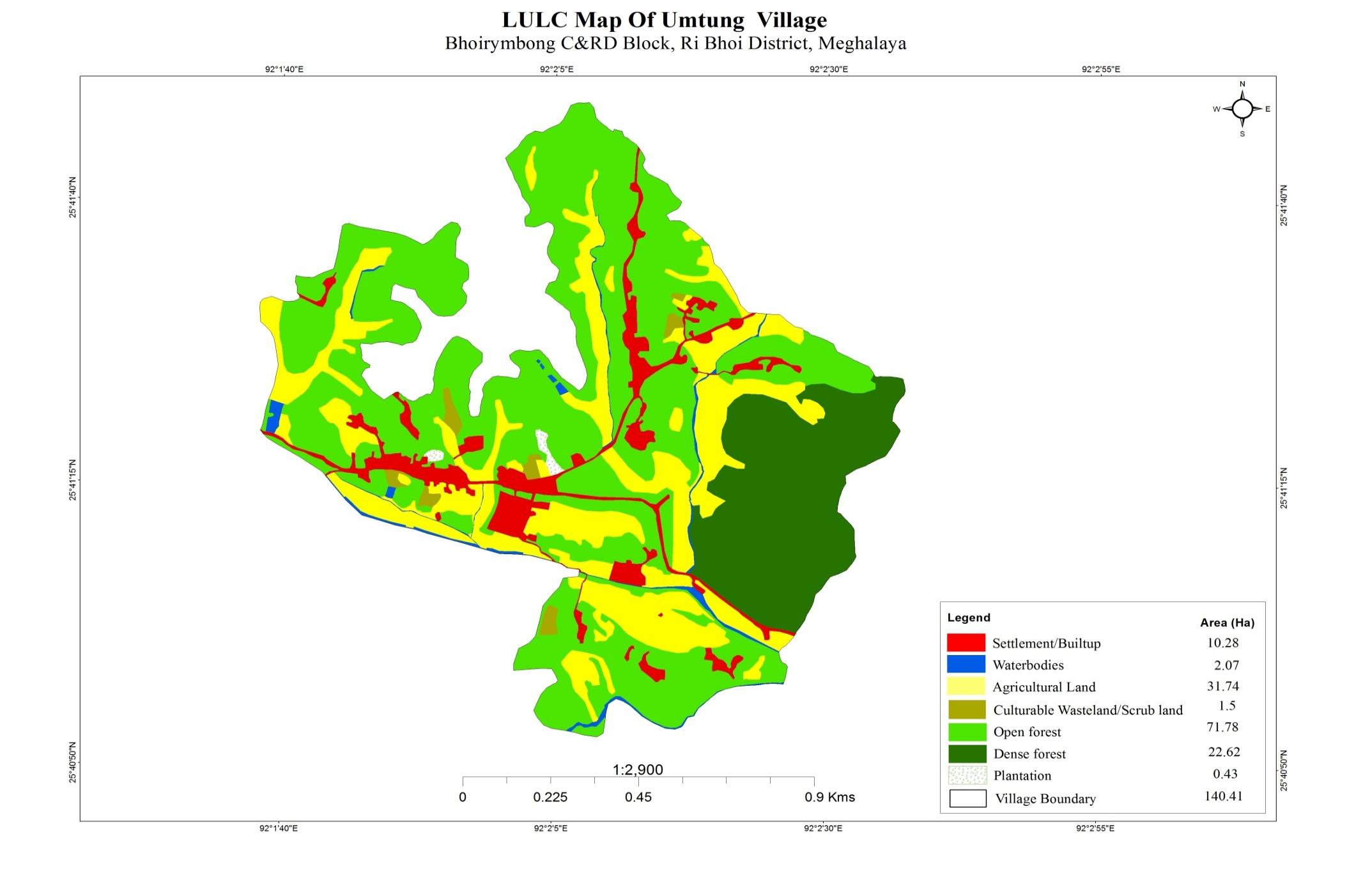
LAND:140.41 Ha
Forest- 90.73 ha
Cultivable Land- 31.74 ha
CLLMP ACTIVITIES
Ground Truthing
Dated: 30th May 2019
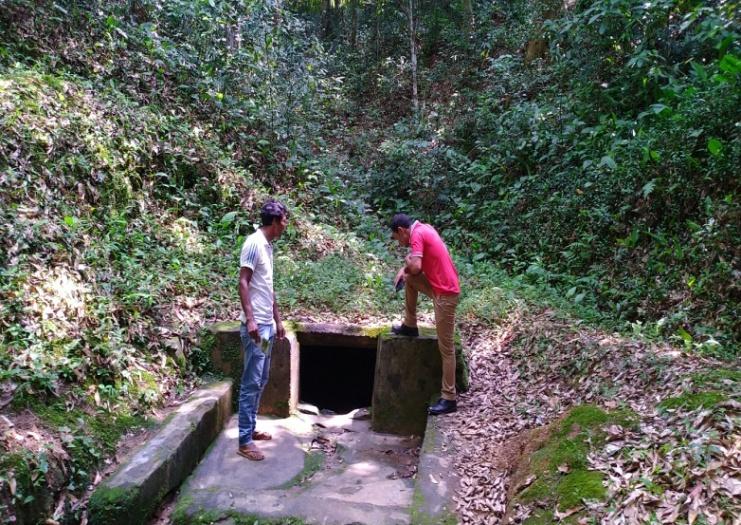
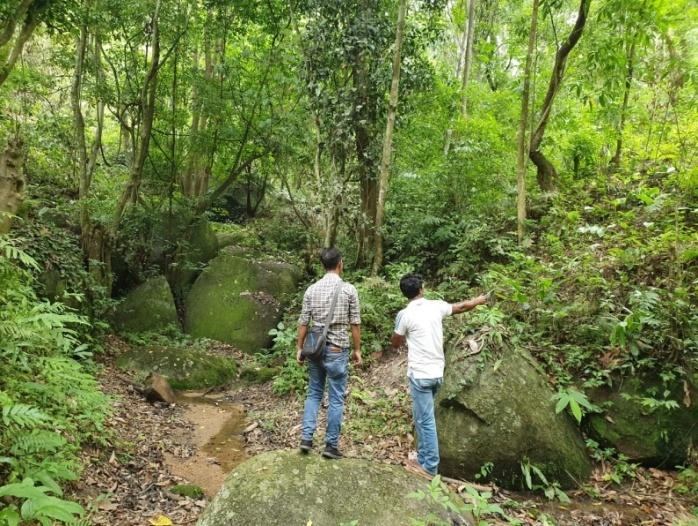
The CLLMP team met with Mr.Revistar Kharumnuid on the 30th of May 2019, headman of Umtung village who was able to provide the team with the required details for site verification. This village was suggested by the BDO of Bhoirymbong Block.
Case Findings: -
1. There are 130 Households out of which 14 Households fall under the BPL category.
2. VEC actively performing.
3. Approximately 30-35 acres of community forest they have.
4. Need research by a hydrologist to determine the method to increase water discharge, as per finding the water source is covered with forest still the discharge is very less.
5. Huge areas of paddy fields left un-irrigated.
6. The productivity of the land is decreasing.
7. The village has two sources of drinking water, 5 springs and one river (Um mluh).
Sensitization Programme
Dated : 25.06.2020
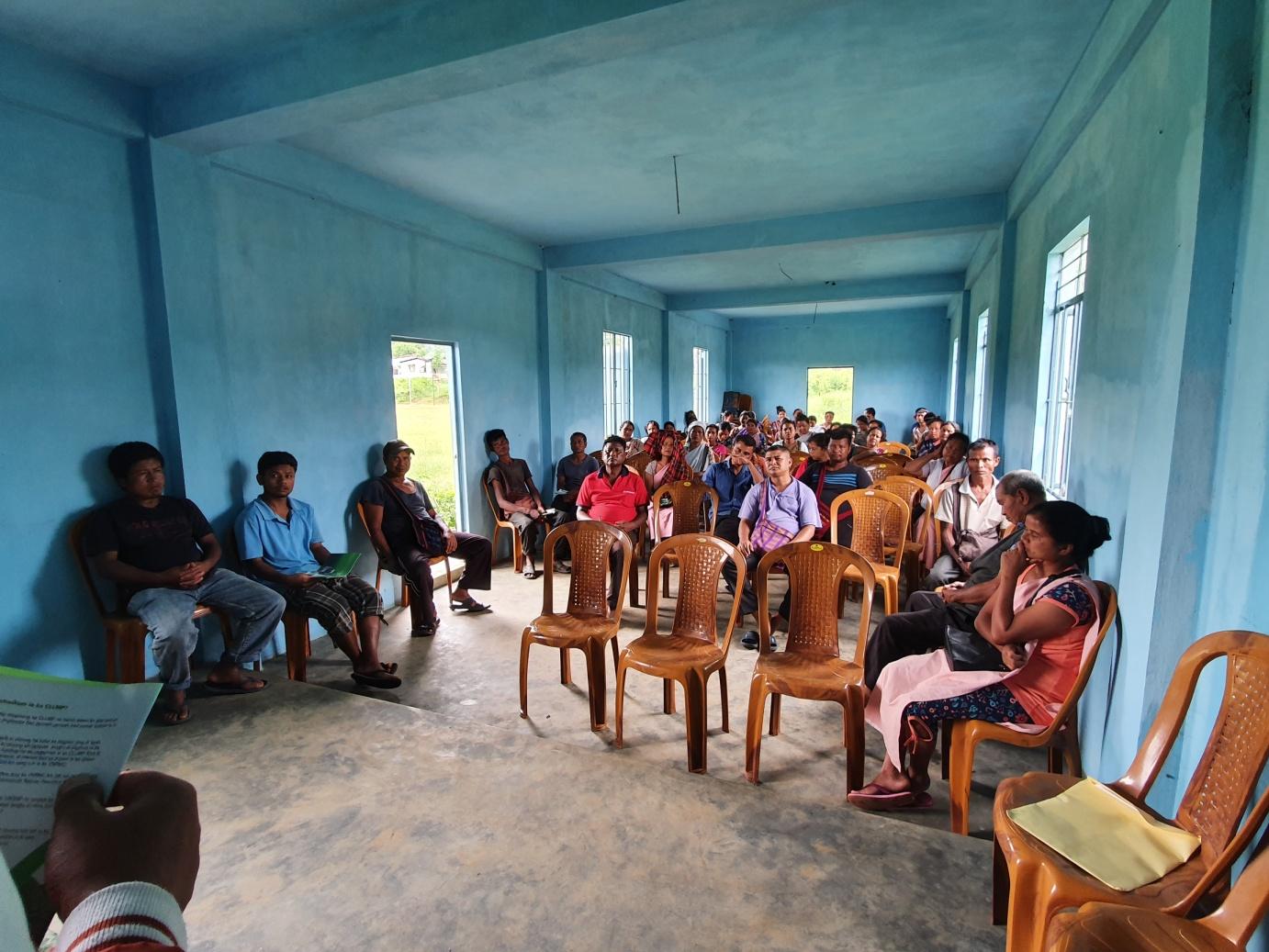
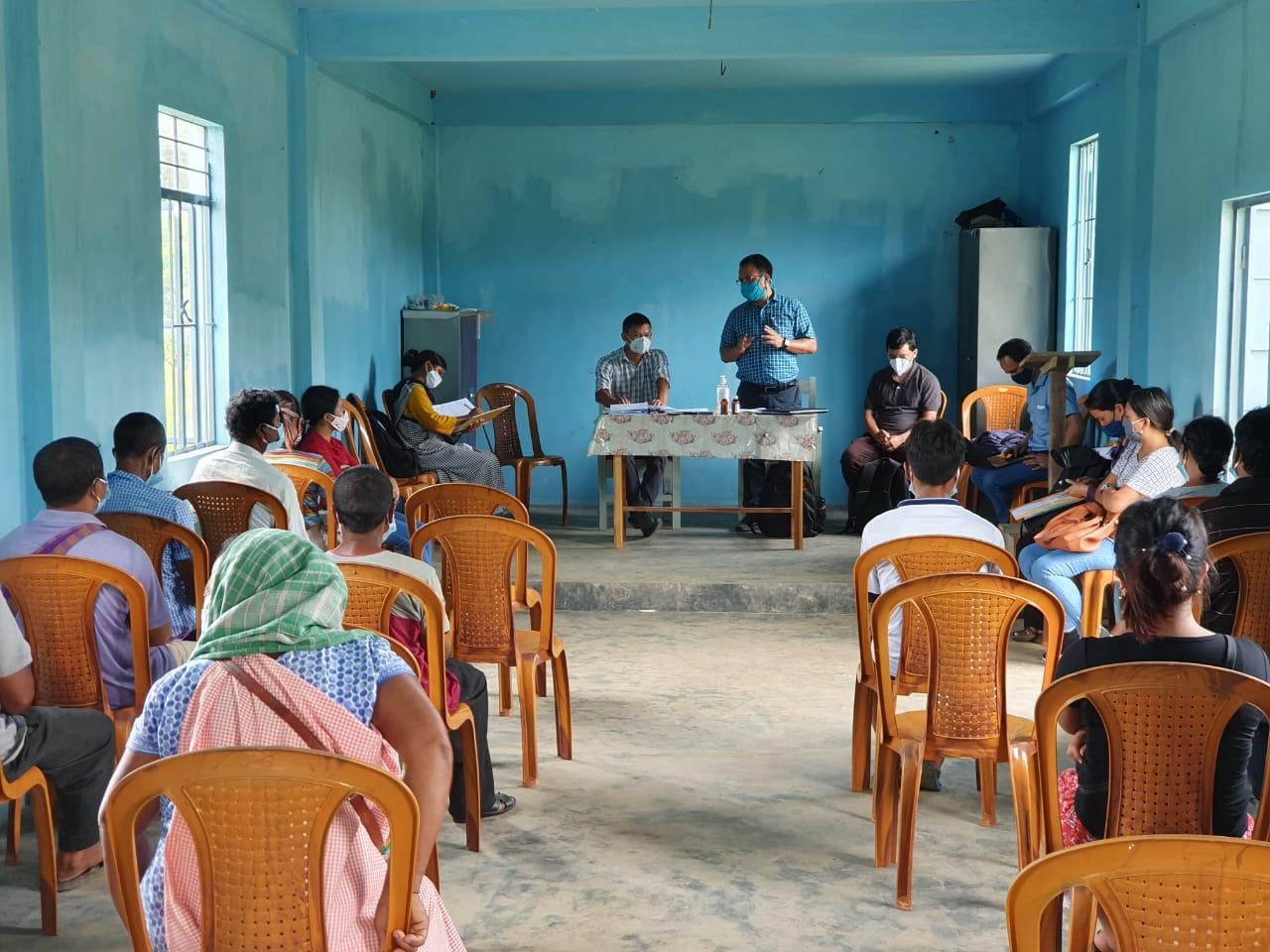
The sensitization programme at Umtung Village took place on the
25th of June 2020 at the Community Hall of Umtung
Village. The headman of the Village, Mr. Revistar Kharumnuid
presided over the programme. Almost a hundred and thirty (130)
villagers attended the sensitization program making it a huge
success.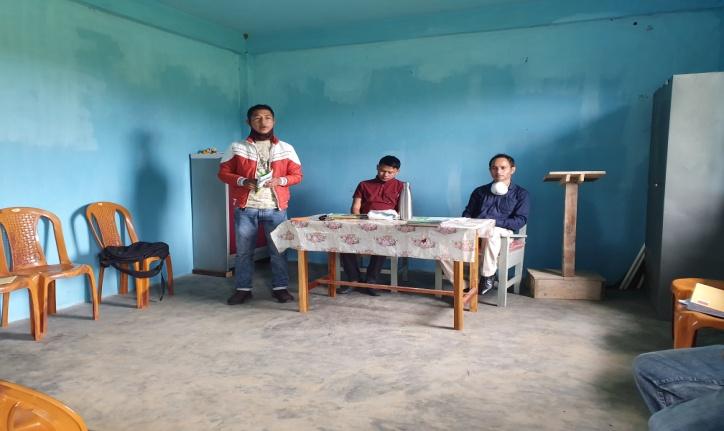
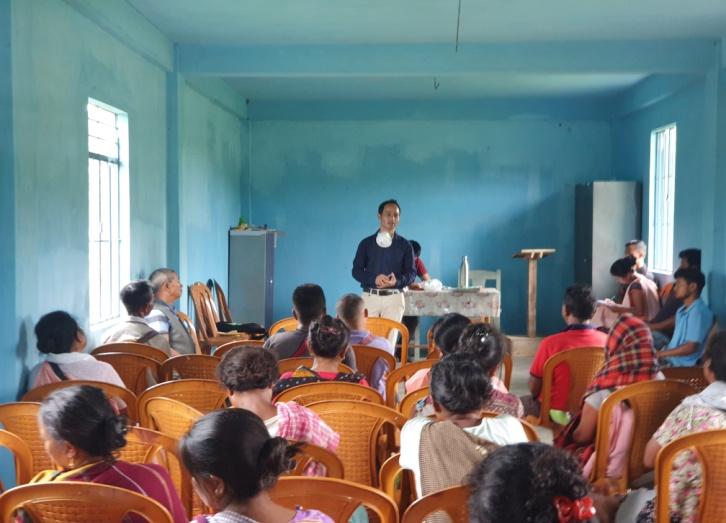
The Assistant Manager (Knowledge management), Ms. Fondaliza Sohphoh gave a detailed introduction to the Community led Landscape Management Project(CLLMP) and the different procedures that the villagers and the CLLMP team should carry out during the course of the project and the importance of the involvement of the community for the CLLM-Project to be a success.
The Assistant Manager (Environmental management),Mr. Reuben Mendakor Shabong gave a brief introduction on Meghalaya Basin Management Agency (MBMA) and elucidated about the various programmes and projects that MBMA is working on, but mainly focused on the Community Led Landscape Management Project (CLLMP). He also spoke about the different aspects and procedures of the project and give due importance on the environmental aspects of the project.
The Assistant Manager (Social Management), Mrs. Baiahunlang Kurbah spoke on the social aspects of the Community Led Landscape Management Project by giving numerous examples. She also enlightened the various benefits that the villagers could obtain from the project.
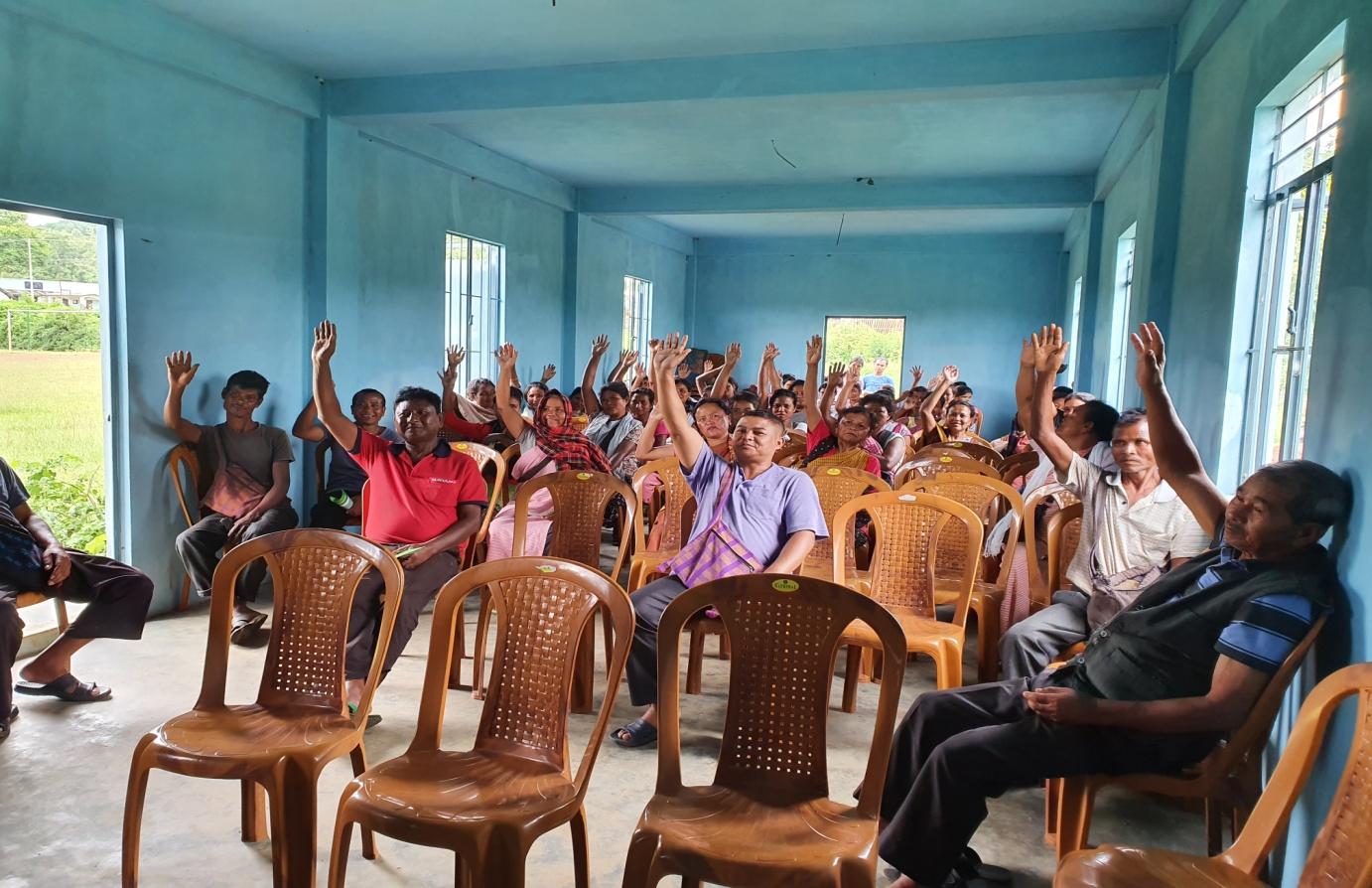
The Program was followed by an interactive session to answer the doubts and questions of the villagers.
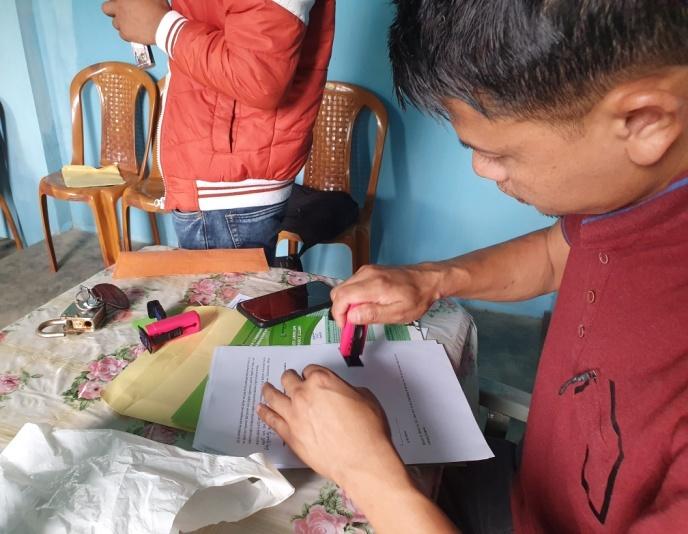
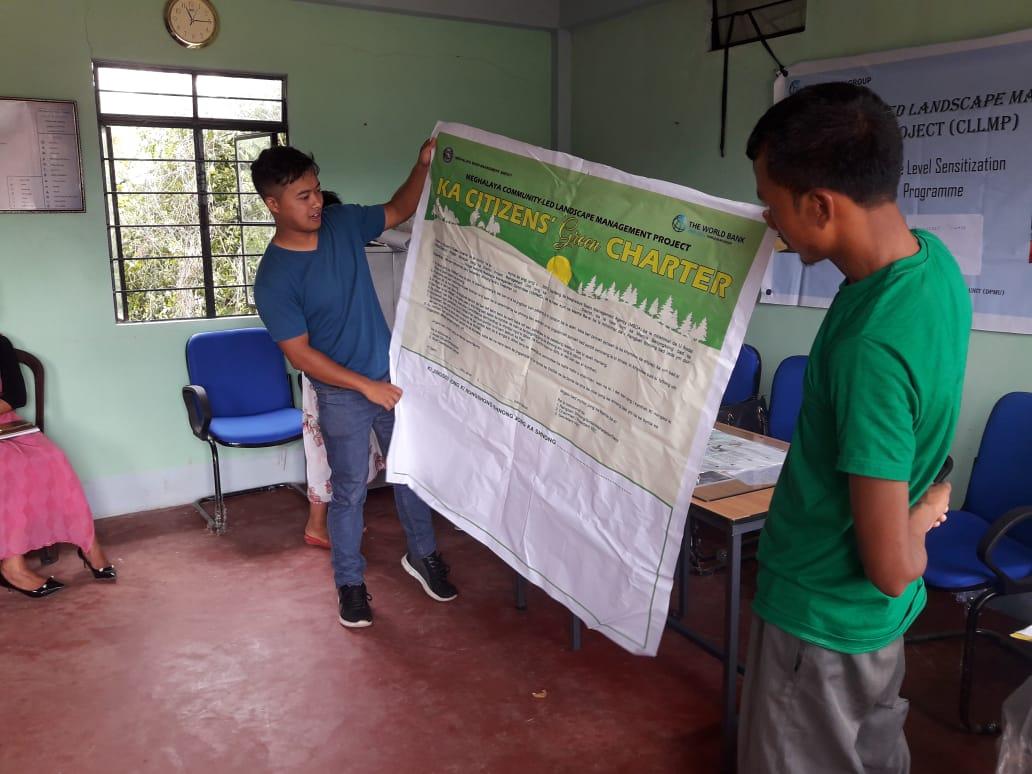
2.2 Signing of Documents: After the
interactive session, the village signed the EOI, VGA and Green
charter followed by the selection of candidates for the Village
Natural Resource Management Committee. The Village Executive
Committee (VEC) and the entire community carried out the procedure
and elected the members of the VNRMC on the same day.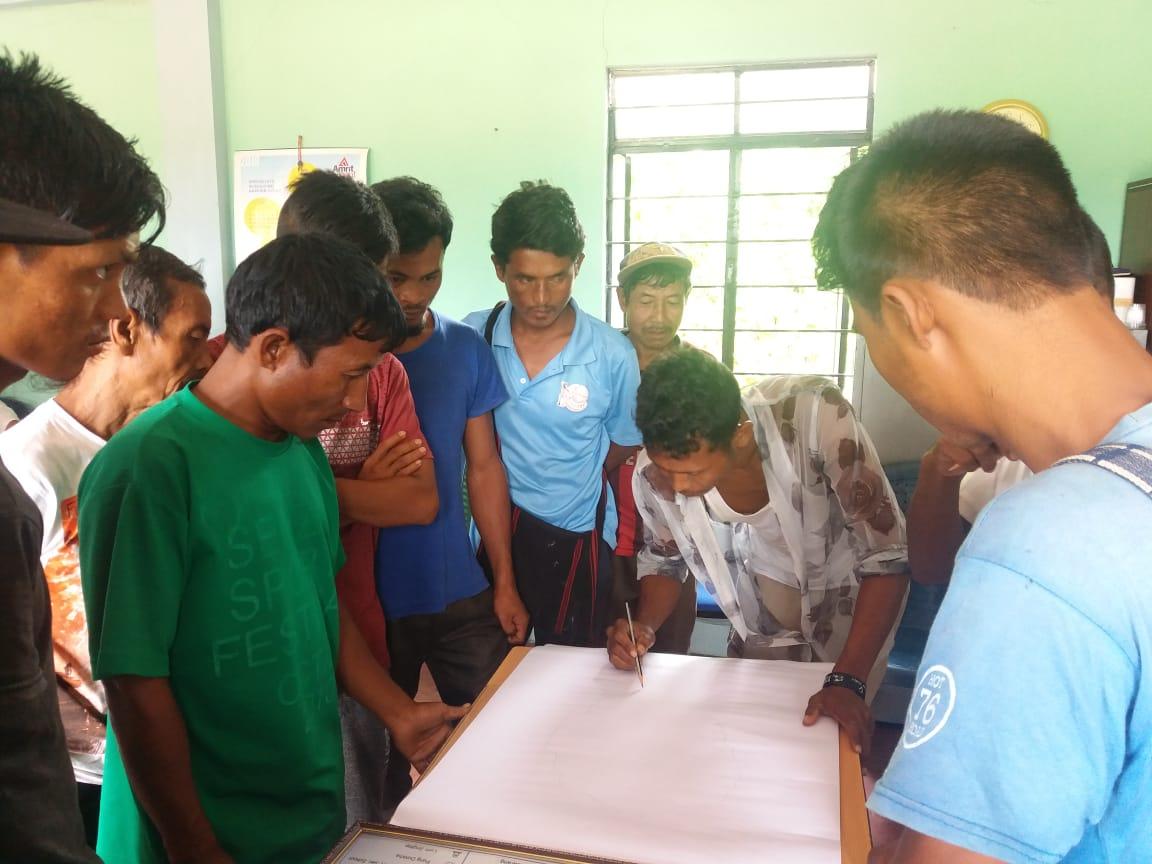
2.3 Formation of the VNRMC
The Formation of the Village Natural Resource Management Committee was done in a public meeting in the presence of the entire village and the CLLMP staffs. The community itself chose the President, the Secretary and the other executive members of the Committee. Listed below are the members of the VNRMC:
| Village Natural Resource Management Committee (9 member committee constituted from Village Council, SHG group, Women’s group, youth, VEC) | |||||||||
|
|
|
|
|
|
|
|
|
|
|
|
|
|
|
|
|
|
|
|
|
Fulgida Sad |
|
|
|
|
|
|
|
|
|
|
|
|
|
|
|
|
|
|
|
|
|
|
|
|
|
|
|
|
|
|
|
|
|
|
|
|
|
|
|
|
|
|
|
|
|
|
|
|
|
|
|
|
|
|
|
|
|
|
|
|
|
|
|
|
|
|
|
|
|
|
|
|
|
|
|
|
|
|
|
||||||
|
|
|
|
|
|
|
|
|
|
|
|
|
|
|
|
|
|
|
|
|
|
|
|
|
|
|
|
|
|||
|
|
|
|
|
|
|
|
|
|
|
|
|
|
|
|
3. Opening of a Bank Account.
The opening of the Bank Account was initiated after the village signed the EOI, the VGA and the Green Charter. The Accountant of Ri Bhoi CLLMP team trained the Purchasing and Procurement Committee of Umtung Village on matters relating to Accounts and bookKeeping.
Ms. Darilang Marboh, Accountant of CLLMP Ri Bhoi District trained the Purchasing and Procurement Committee of Bhoirymbong Block on matters relating to Accounts and Bookkeeping on the 13th of September 2019.
4. PRA Exercise
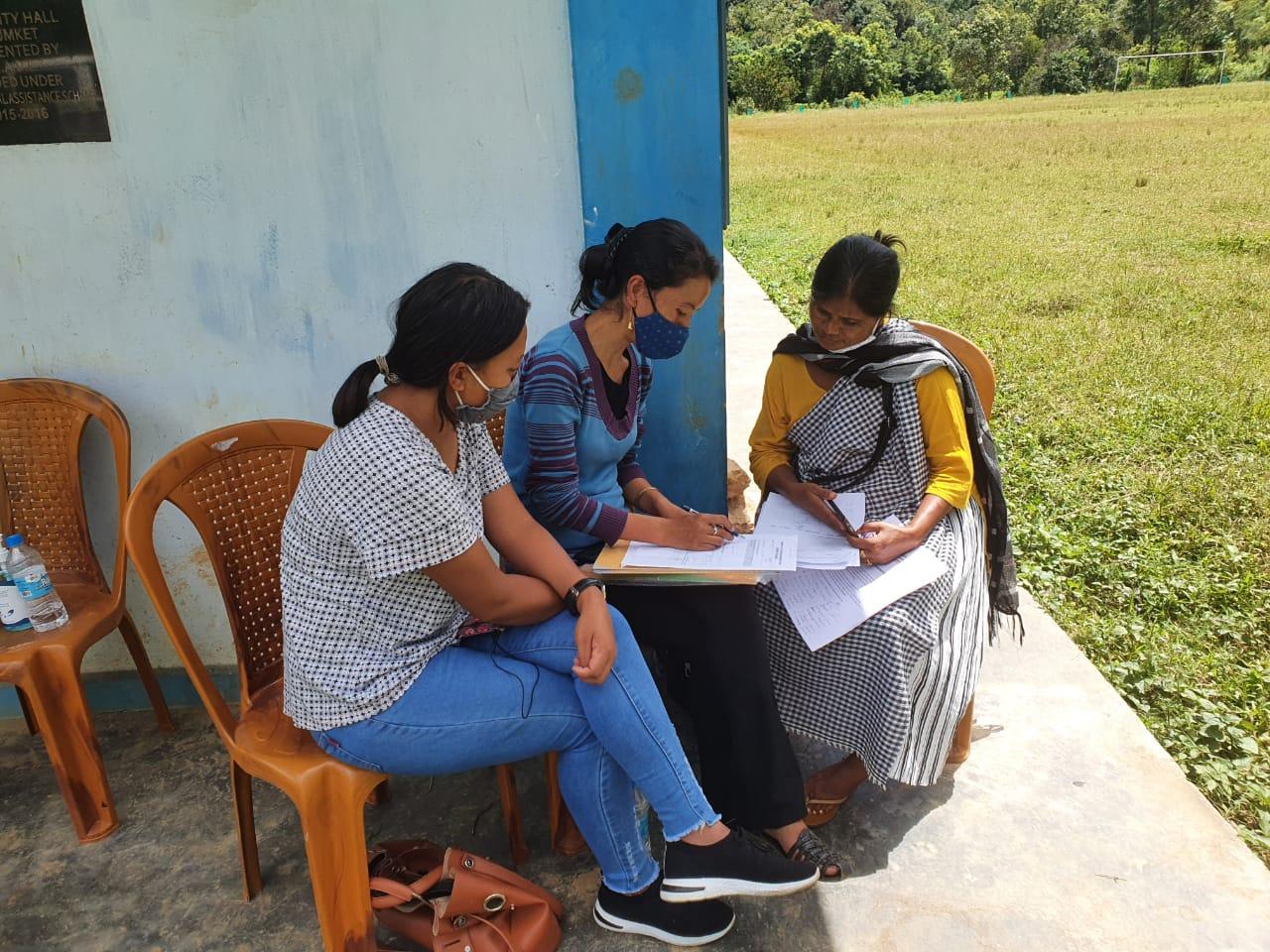
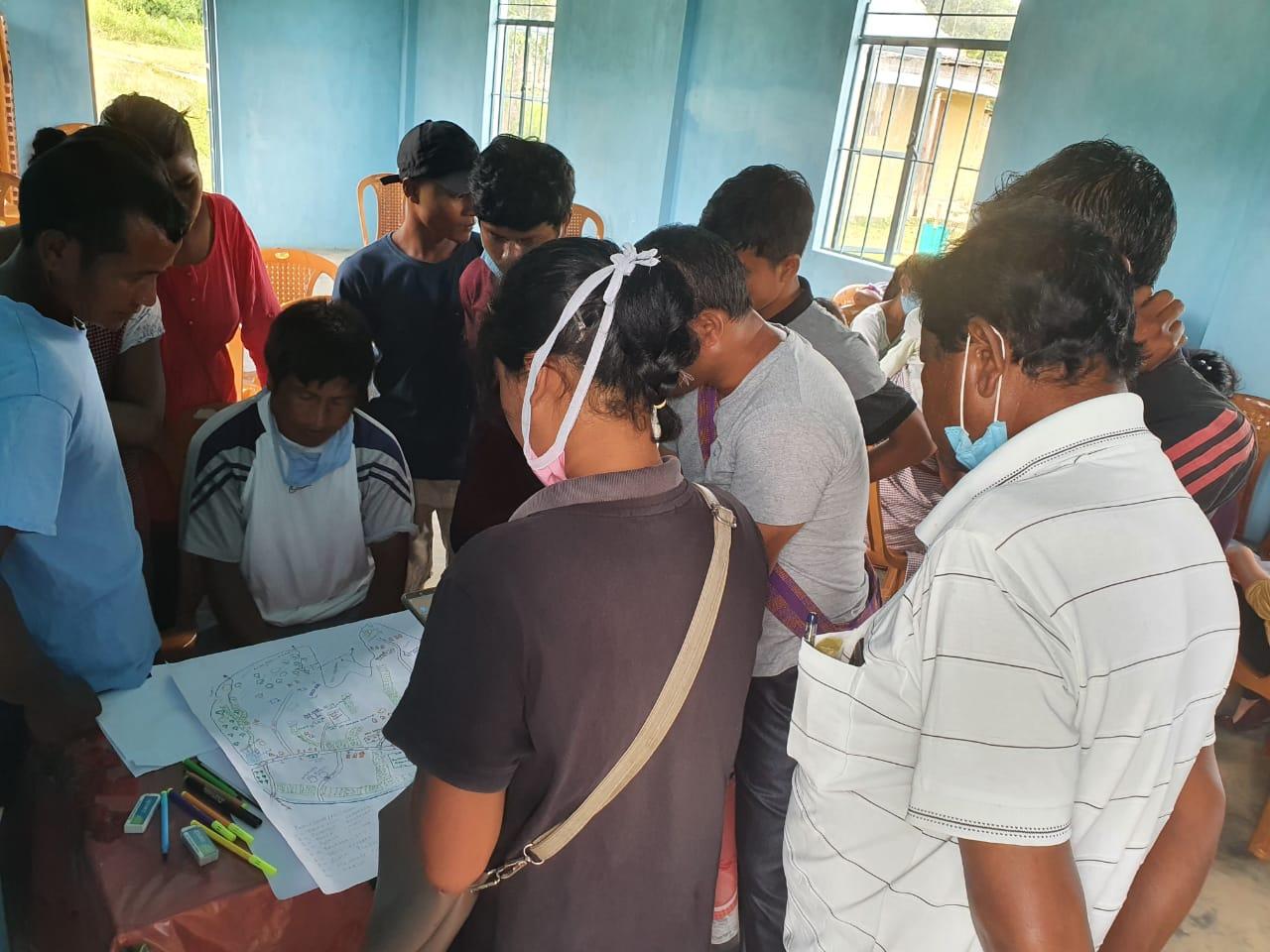
The PRA exercise aims to incorporate the knowledge and opinions of the community in the planning and management of development projects and programmes.PRA exercise at Umtung Village took place from the 17th to the 21st of August 2020. There were a total of 45 villagers taking part in this exercise who contributed their time and knowledge to this project.
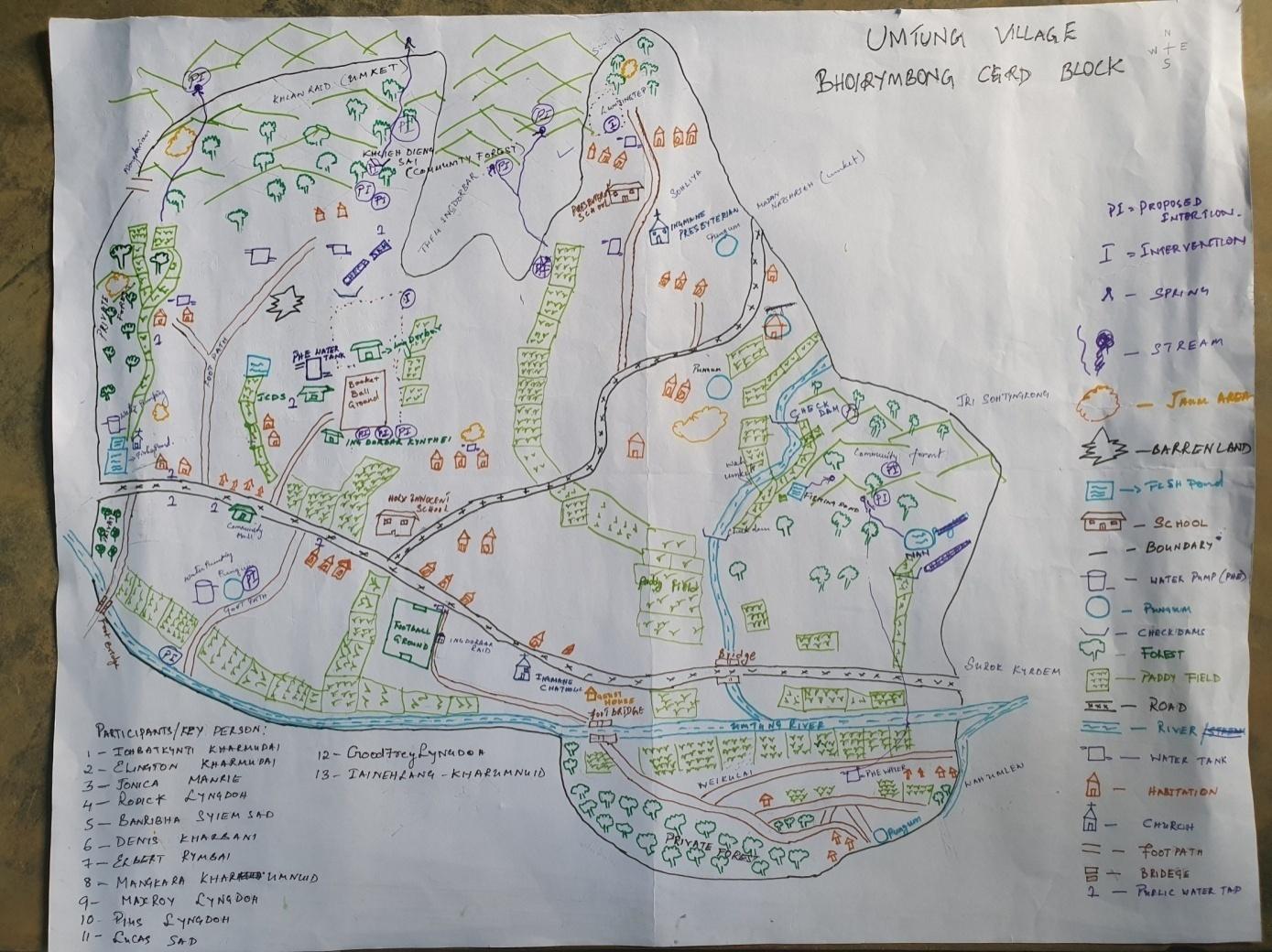
During the PRA exercise, CLLMP officials and the community members were divided into groups to carry out the transect walk, fill the Social and Environmental Templates, the Seasonal Calendar, draw the Boundary map, the Resource Map and concluded the activities with an extensive discussion on the issues and challenges that the community faces and how they can be addressed through the CLLM-Project.
Findings based on Resource Map of Umtung village:-
Main agriculture produce is ginger and paddy
There are 2 types of Forest ownership:( Community, Private and Clan Owned.)
(4 community forest)
(5 private forest)
4 springs are present in the village
One main rivers flows to the Eastern west boundary of the village
5. Connectivity :2 PWD road connectivity
6. Habitation is confined to various parts of the village.
7. 3 nos of churches present in the village
8. 2 Schools are present in the village: 1 Primary and 1 Upper Primary
Focussed Group Discussion on Problem Analysis ;-
Do people have sufficient access to supply of fodder, fuel wood, leaf litter?
Since the People derive their fodder and fuel wood supply only from their own private lands/forests, the supply is not enough.
Has access to timber improved or reduced over the years? How is access for household use and commercial use managed?
Access to Timber has reduced over the years due to the restriction over the use of the Community Forest.
Are the water bodies facing any threats?
None. However, the areas adjacent to the Umtung river face an occasional problem of flooding during the monsoon seasons.
Do all people in the village have access to drinking water? What are the challenges?
The Village is divided into three hamlets, Umtung, Sohliya and Weikulai. With Umtung and Weikulai having a comparatively better access to water as compared to Sohliya where the scarcity of water has often led to conflicts in the area.
Are there degraded areas in the village (open/ degraded forests, mining affected, high soil erosion etc.)?
NONE
What has caused this degradation? Are there practices causing threats to availability and access to natural resources?
NONE
What have been the changes in agricultural practices?
Yes, the community members have recently shifted from Jhum cultivation practices to crop rotation
Are there any challenges in farming?
The main challenge in farming has been the loss of soil fertility. Moreover the use of chemical Fertilizers has further damaged the soil
How would you consider the health situation in your village?
According to the village report, 2014-2015, recorded 12 cases of child suffering from diarrhoea and cholera 2015-2016 recorded 4 cases, 2016-2017 recorded only one case and there were no cases in 2017-2018
No Malaria cases recorded since 2016 and this is one of the major achievements of the Swachh Bharat Mission. Child and Women care has been well examined and monitored by the village Anganwadi Workers and ASHA. Daily food supplements are given to Pregnant and lactating mothers and children under 6(six) years of age. Assistance is also provided to women by ASHAs.
How is the situation of cleanliness, sanitation, access to toilets and waste management?
Cleanliness is the top most priority of the village; Swachh Bharat Mission was launched in the village on 8th December 2014. Under this mission every household in the village must have Sanitary Latrine, 58 households of underprivileged families have been given support to construct such latrine through NBA, presently every household have good sanitary latrine, the village have been awarded for achieving Open Defecation Free status and full sanitation on 8th July 2016 by the District Administration. Time to time awareness programmes are being conducted on the importance of Cleanliness and Sanitation.
Who are the most vulnerable in the village? What can be done to improve their lives?
BPL Families. Inclusion of BPL family members during project implementation
What are the livelihood aspirations of the youth? Are there any avenues available?
The majority of the population turn to farming and Job-Cards under MGNREGA for employment.
Do any committees/ institutions/ rules exist to manage and monitor natural resources in the village?
The VNRMC under the CLLMP will manage the natural resources in the village. Prior to the CLLMP, the village formed the Forest management committee for the preservation of the forest, the 11 Ha area of Reserve Forest called ‘Law Jrityngkong’ and the 47 Ha Forest called ‘Law Matlang’ which is the protected Forest
What are some of the major issues of conflict in the village?
The major issues of conflict in terms of NRM are the scarcity of water which had previously led to fights and conflicts in the village.
Have any of the above issues been discussed in village meetings?
Yes the village Dorbar have discussed the issues and are doing their best to address these problems.
How do people resolve disagreements and conflicts?
All disagreements and conflicts are addressed by the traditional institution of village governance called the Village Dorbar.
Seasonal Calendar :
| SEASONAL CALENDAR | ||||||||||||||
|---|---|---|---|---|---|---|---|---|---|---|---|---|---|---|
| Sl No. | CRITERIA | JAN | FEB | MAR | APR | MAY | JUN | JULY | AUG | SEP | OCT | NOV | DEC | |
| 1 | Water Scarcity | ❷ | ❶ | ❶ | ❸ | |||||||||
| 2 | Prone to sickness | ❸ | ❸ | ❶ | ❶ | ❷ | ❷ | ❸ | ❸ | |||||
| 3 | Seeking job outside | ❶ | ❶ | |||||||||||
| 4 | Rain Fall | ❸ | ❷ | ❶ | ❶ | ❷ | ❸ | ❷ | ❷ | |||||
| 5 | Free – Less work | ❸ | ❶ | |||||||||||
| 6 | Paddy Cultivation | ❶ | ❸ | |||||||||||
| 7 | Paddy harvesting | ❸ | ❶ | |||||||||||
| 8 | Ginger cultivation | ❶ | ❸ | |||||||||||
| 9 | Ginger harvesting | ❷ | ❸ | ❸ | ❸ | ❶ | ||||||||
| 10 | Tree Plantation | ❷ | ❶ | ❸ | ||||||||||
| 11 | Vegetable (crop cultivation) | ❶ | ❷ | ❷ | ❷ | ❶ | ❸ | ❸ | ||||||
| 12 | Vegetable(crop harvesting) | ❷ | ❶ | ❸ | ❷ | ❶ | ❸ | ❸ | ||||||
| 13 | Festive Season | ❶ | ❷ | ❸ | ❶ | |||||||||
| 14 | Forest fire | ❶ | ❶ | |||||||||||
| 15 | Collection of Fuel wood | ❶ | ❶ | |||||||||||
Submission of the CNRMP
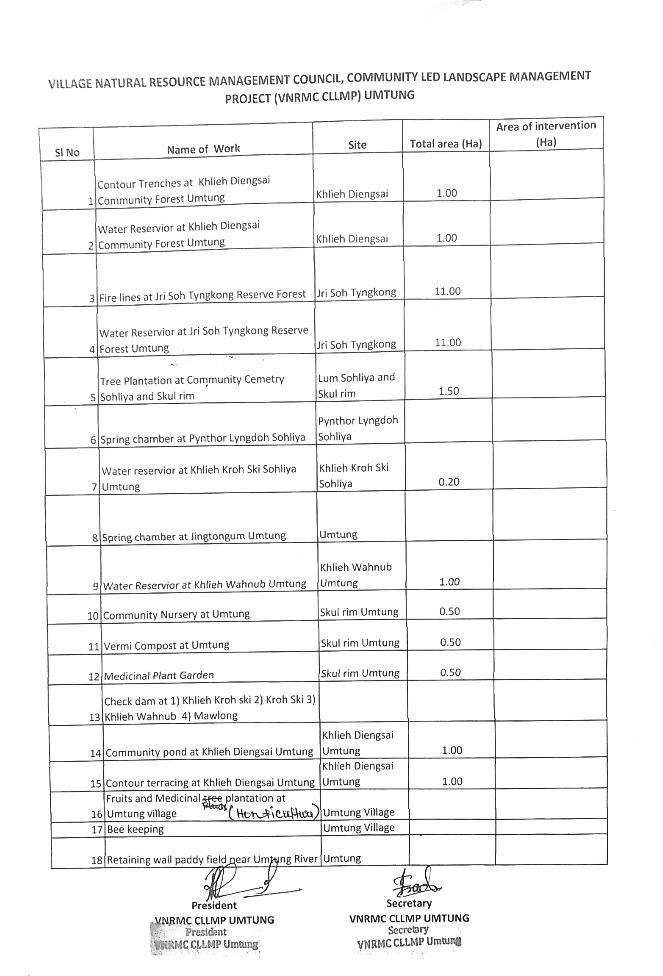
The Final community Natural Resource Management Plan
|
Name of Proposed Interventions | Site |
|
Nos of HHs expected to Benefit | ||
|---|---|---|---|---|---|---|
|
|
|
||||
| 1 | COMMUNITY NURSERY | SCHOOL RIM |
|
|
|
|
| 2 | AFFORESTATION | LUMJINGTEP KHASI, SOHLIYA AND SCHOOL RIM |
|
|
|
|
| 3. | VERMICOMPOST | SCHOOL RIM |
|
|
|
|
| 4 |
|
SCHOOL RIM |
|
|
|
|
| 5 |
|
TRAI KHLIEH DIENG DIENGSAI |
|
|
|
|
| 6 |
|
TRAI KHLIEH DIENG SAI |
|
|
|
|
| 7 |
|
KHLIEH DIENGSAI |
|
|
|
|
| 8. |
|
KHLIEH DIENGSAI |
|
|
|
|
| 9. |
|
KHLIEH WAHNUB |
|
|
|
|
| 10 |
|
WAHNUB |
|
|
|
|
| 11 |
|
WAHNUB |
|
|
|
|
| 12. |
|
MAWLONG |
|
|
|
|
| 13 |
|
KHLIEH KROH SKI |
|
|
|
|
| 14. |
|
KROHSKI PYNTHOR SOHLIYA |
|
|
|
|
| 15 |
|
KROHSKI PYNTHOR SOHLIYA |
|
|
|
|
| 16 |
|
KROHSKI PYNTHOR, SOHLIYA |
|
|
|
|
| 17 |
|
KHLIEH PYNTHOR LYNGDOH |
|
|
|
|
| 18. |
|
JRI SOHTYNGKONG |
|
|
|
|
| 19 |
|
JINGTONGUM UMTUNG |
|
|
|
|
| 20 |
|
RUD WAH UMTUNG |
|
|
|
|
| 21 |
|
UMTUNG VILLAGE |
|
|
|
|
| 22 |
|
UMTUNG VILLAGE |
|
|
|
|
| 23 |
|
JRI SOH TYNGKONG |
|
|
|
|
| 24 |
|
JRI SOH TYNGKONG RESERVE FOREST |
|
|
32 |
|
| 25 |
|
UMTUNG VILLAGE |
|
|
|
|
| 26 |
|
JRISOH TYNGKONG |
|
|
|
|
| 27 |
|
JRI SOH TYNGKONG AND LUM MATLANG |
|
|
|
|
GIS ACTIVITIES
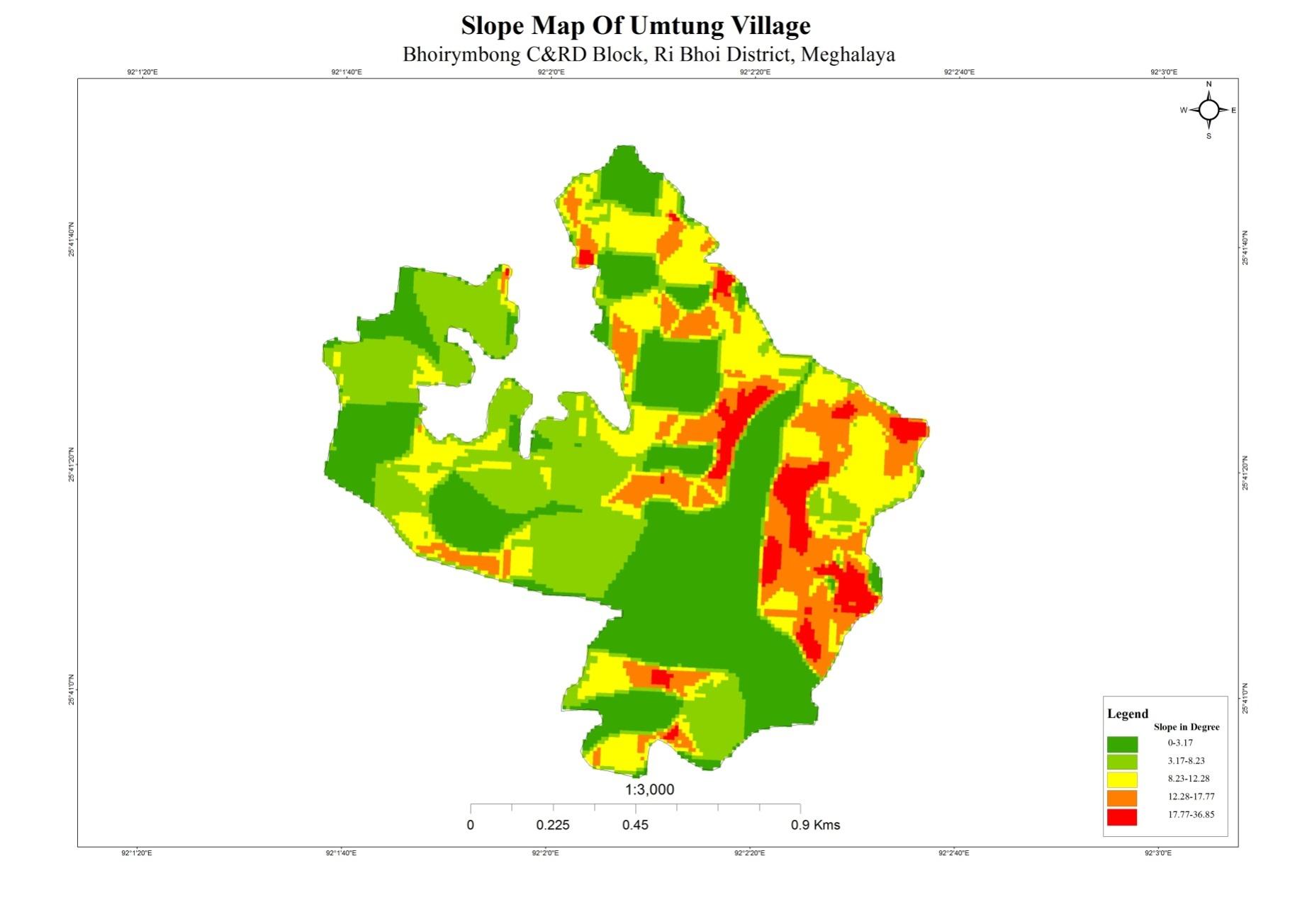
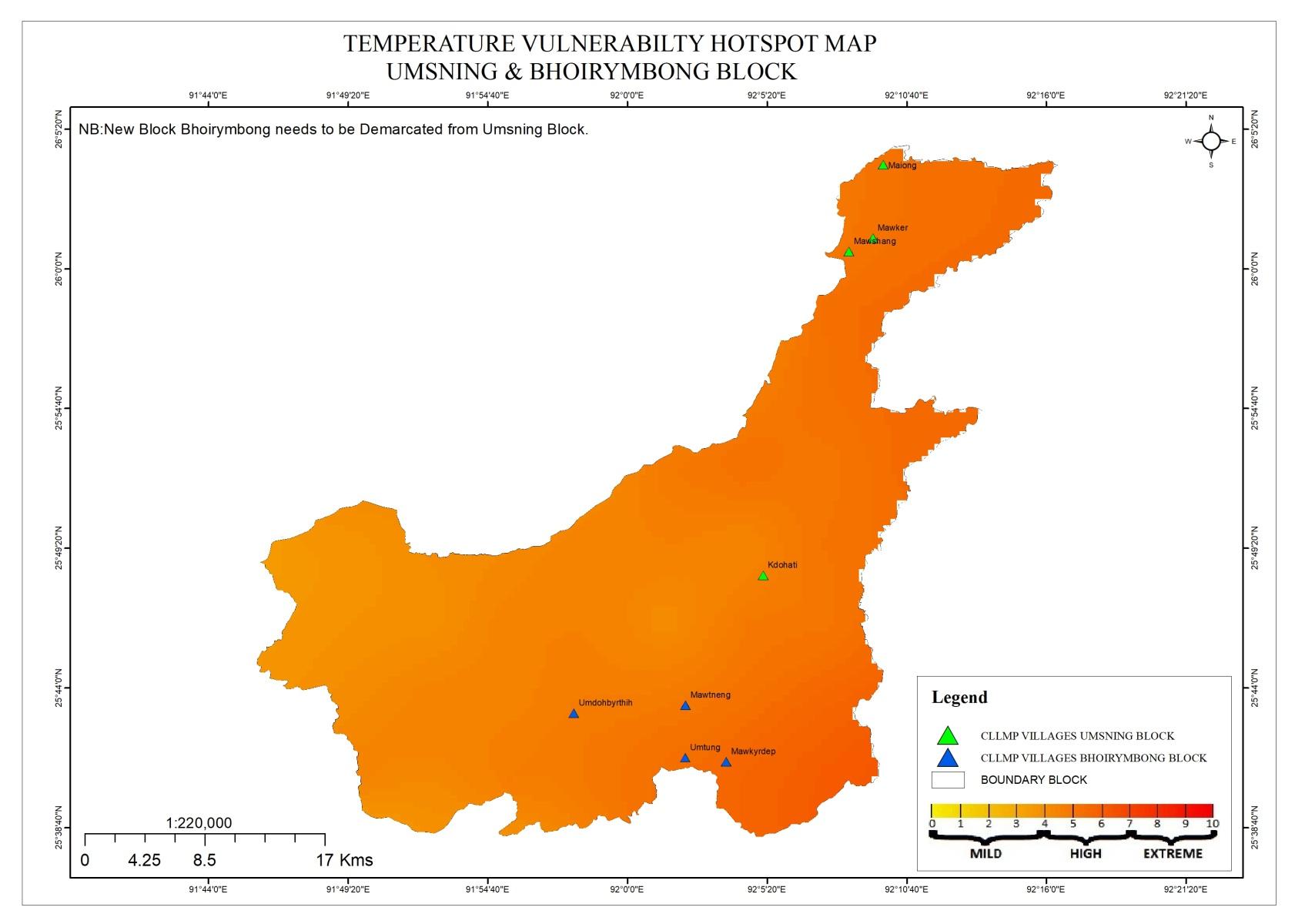
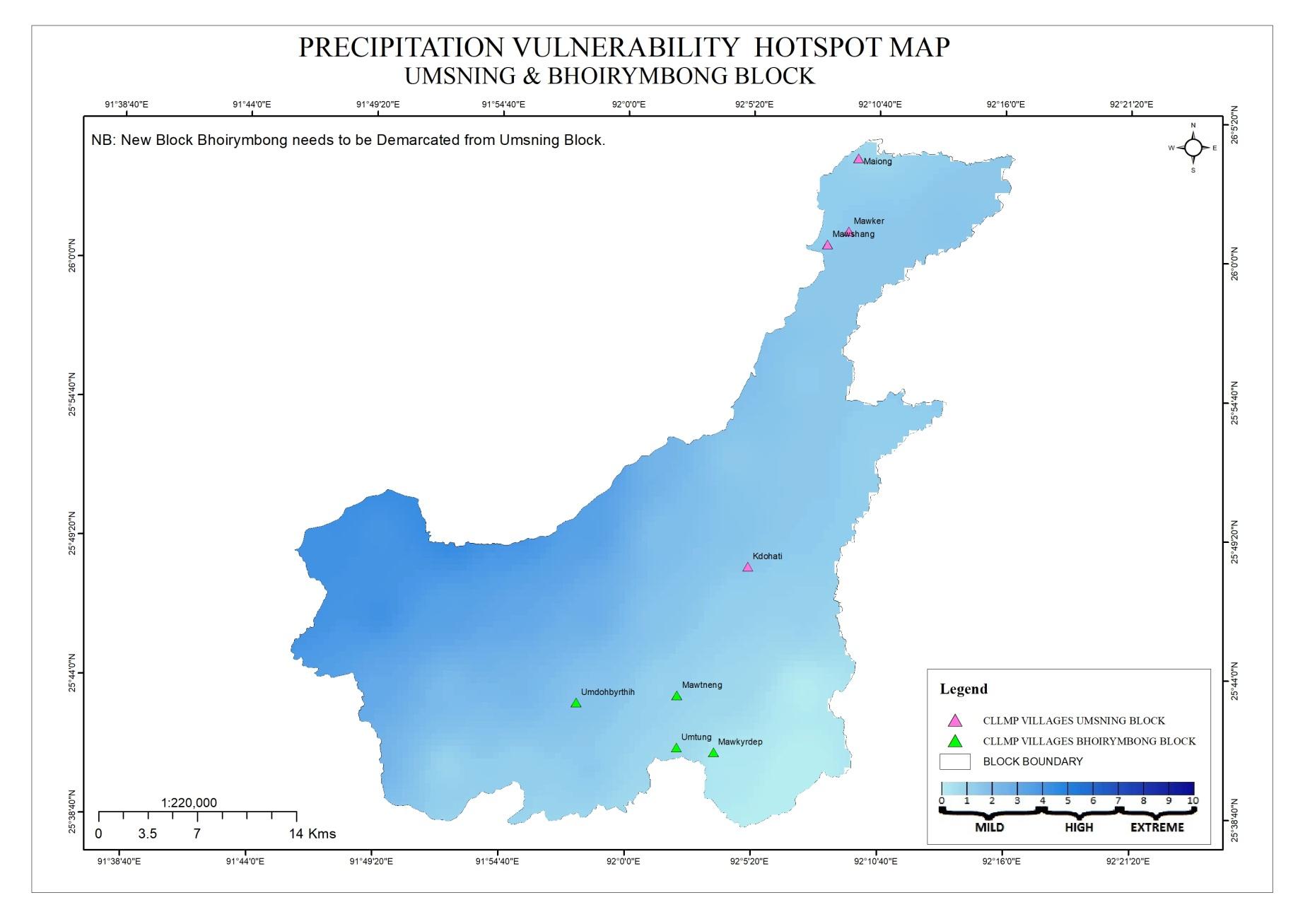
PROJECT IMPLEMENTATION
| 1. | Type Of Intervention | Site Name | GPS Co-ordinates | Amount Sanctioned | Work Status | |
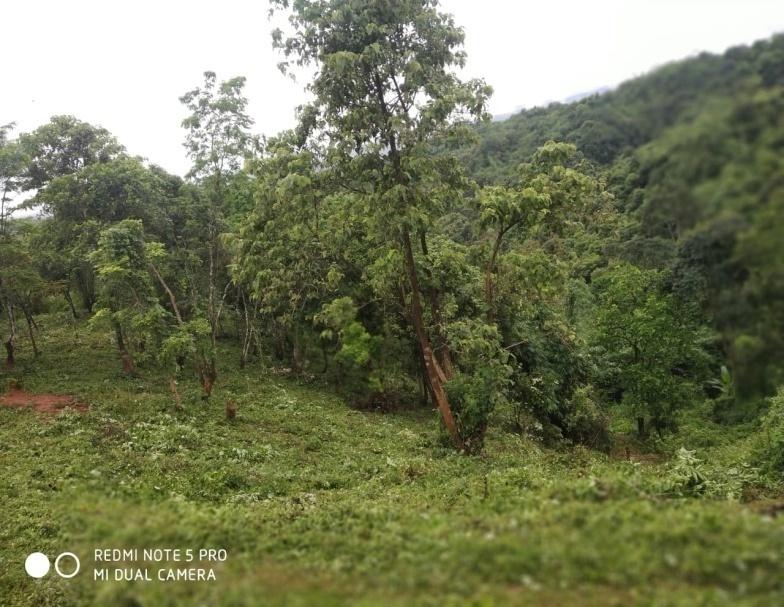
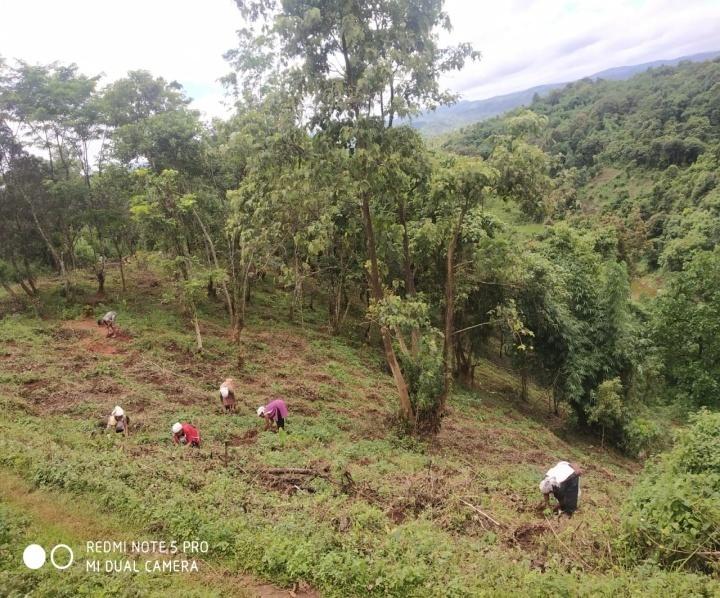
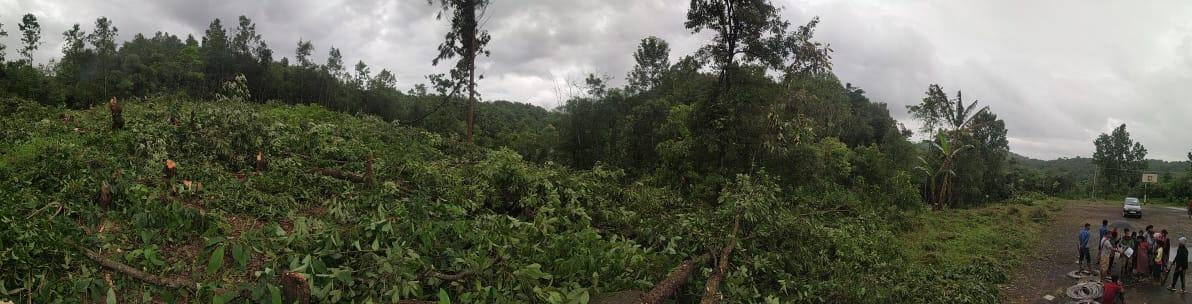
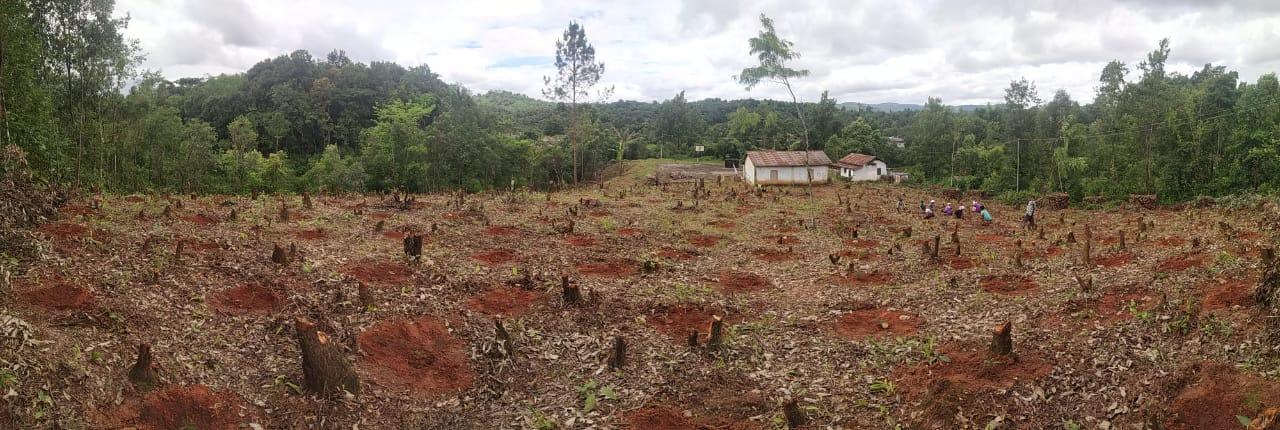
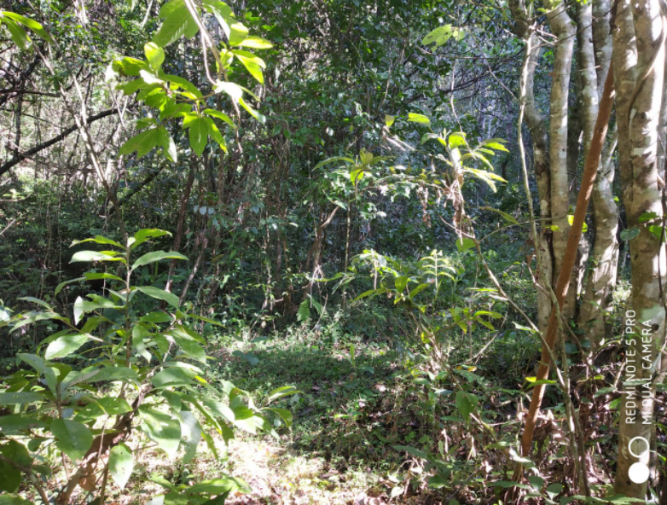
| Afforestation | Skul Rim | 25.6917 N | 92.0577 E | ₹ 50,810.00 | Completed | |
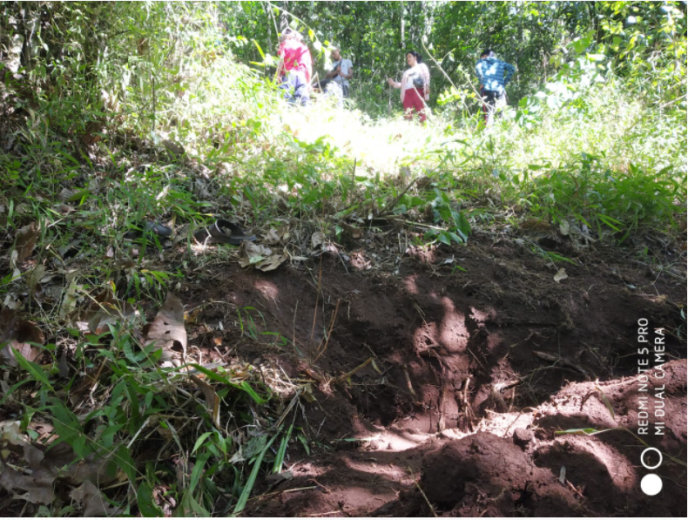
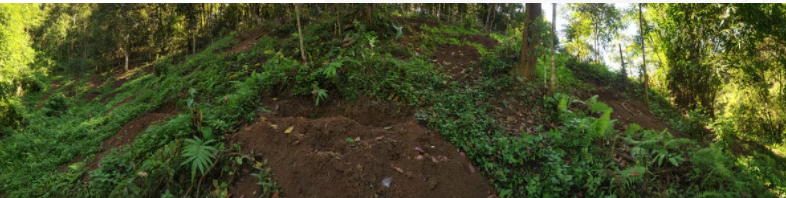
| 2. | Type Of Intervention | Site Name | GPS Co-ordinates | Amount Sanctioned | Work Status | |
| Contour Trench | khliehWahnub | 25.692699 N | 92.032164 E | ₹ 28,160.00 | Completed | |
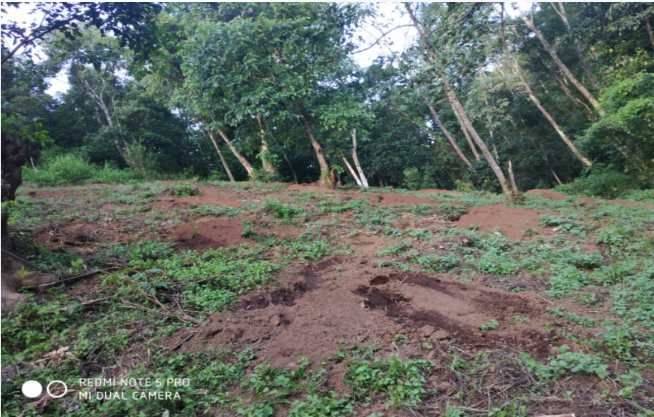
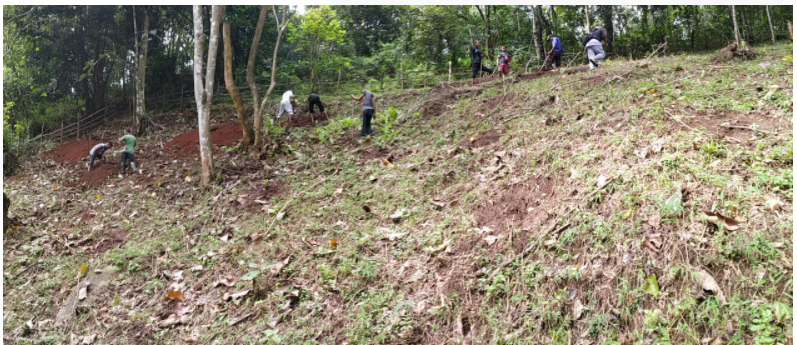
| 3. | Type Of Intervention | Site Name | GPS Co-ordinates | Amount Sanctioned | Work Status | |
| Contour trench | KhliehDiengsai | 25.689857 N | 92.032357 E | ₹ 16,580.00 | Completed | |
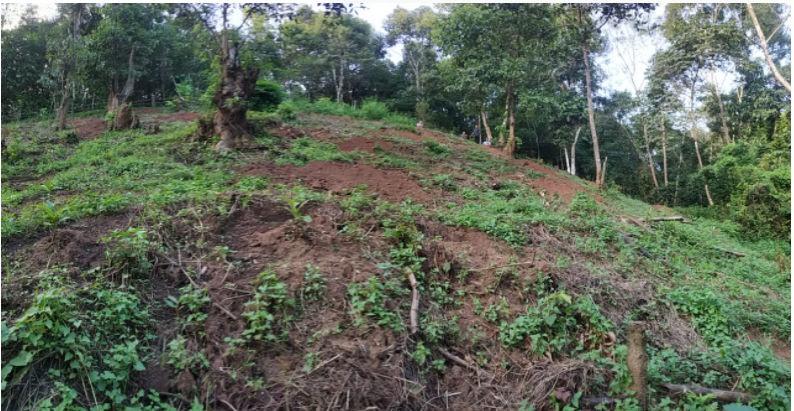
| 4. | Type Of Intervention | Site Name | GPS Co-ordinates | Amount Sanctioned | Work Status | |
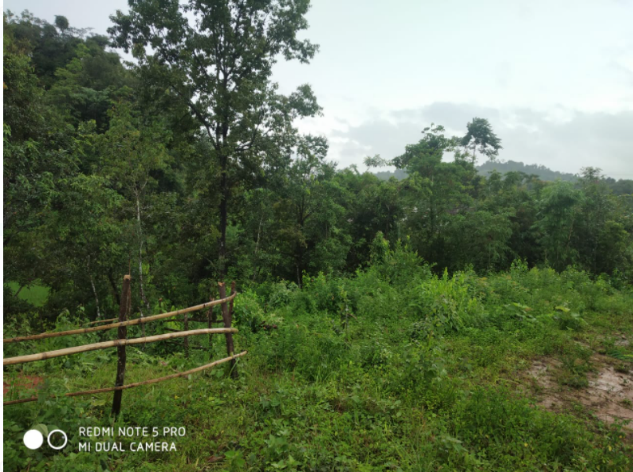
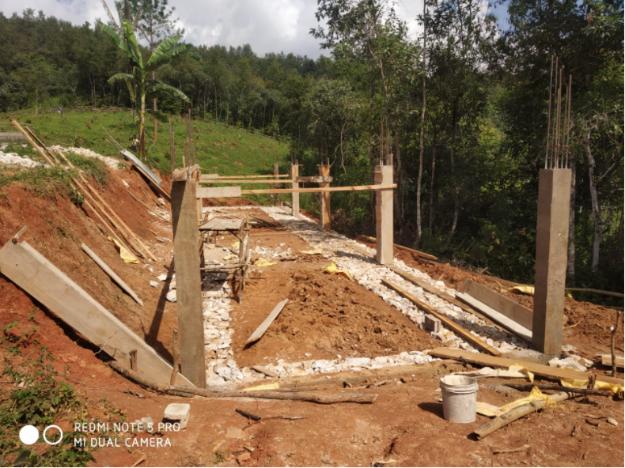
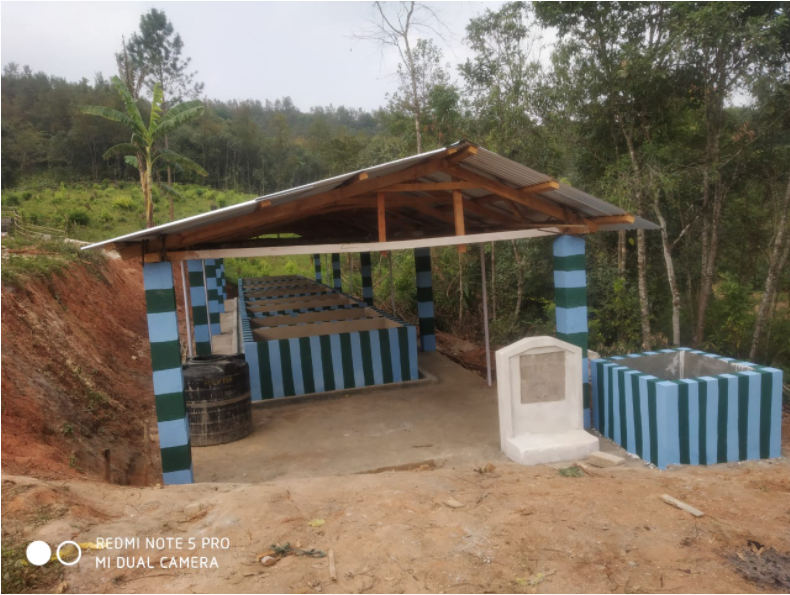
| VermiCompost | Khlawskulrimumtung | 25.688271 N | 92.033015 E | ₹ 3,32,460.00 | Completed | |
| 5. | Type Of Intervention | Site Name | GPS Co-ordinates | Amount Sanctioned | Work Status | |
| Bench Terracing | Khliehdiengsai Umtung | 25.689857 N | 92.032357 E | ₹ 1,56,350.00 | Completed | |
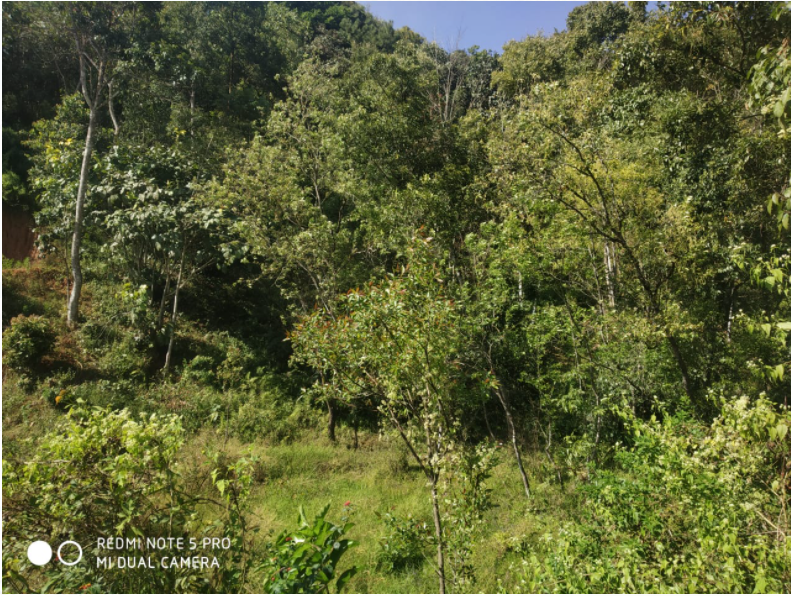
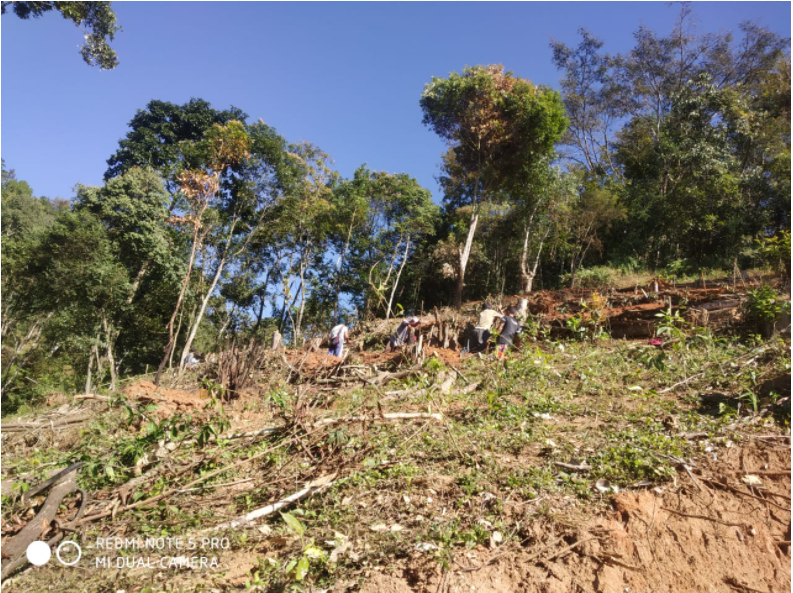
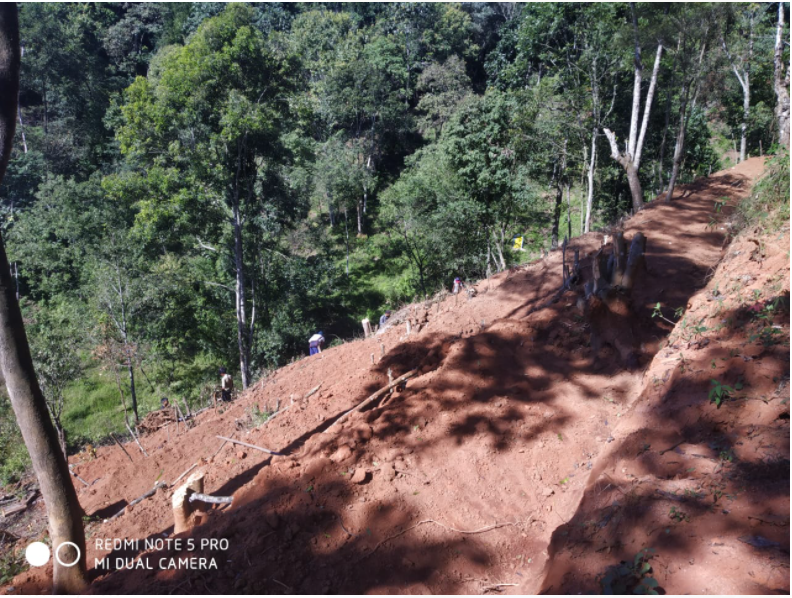
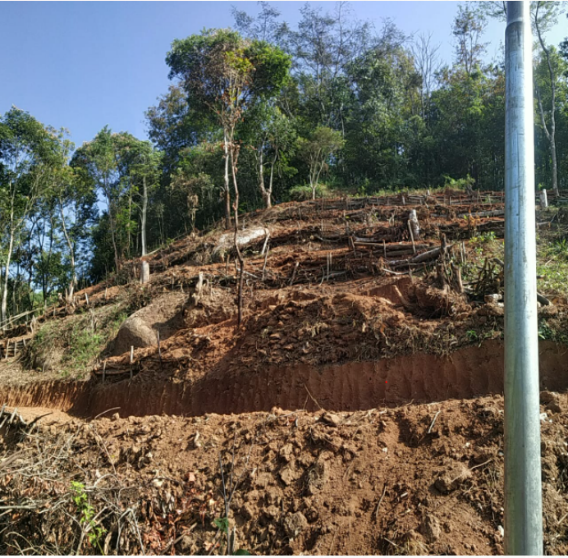
| 6. | Type Of Intervention | Site Name | GPS Co-ordinates | Amount Sanctioned | Work Status | |
| Checkdam | khlieh Diengsai | 25.690215 N | 92.032177 E | ₹ 1,27,380.00 | Completed | |
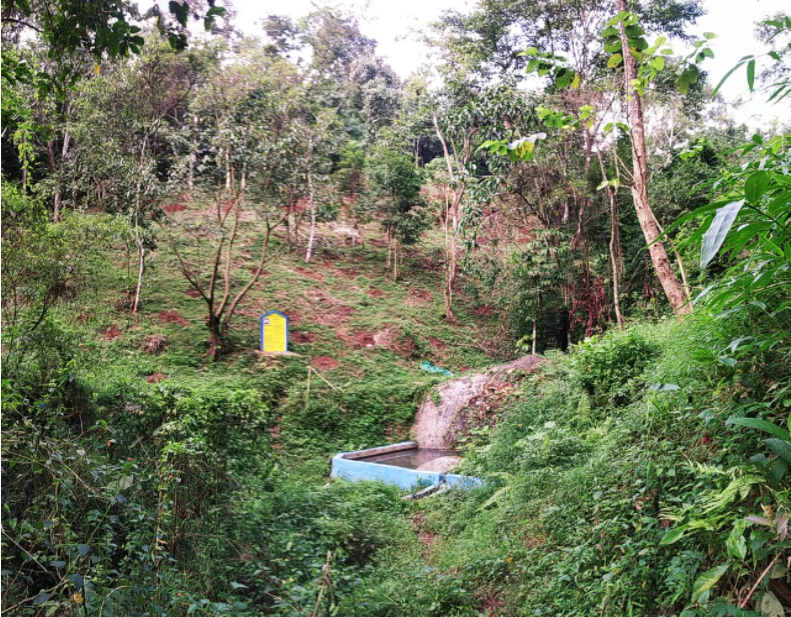
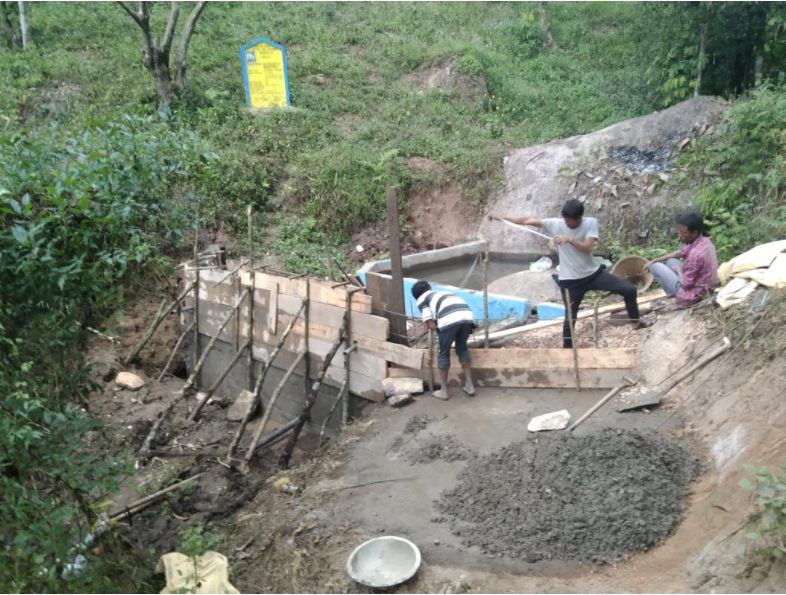
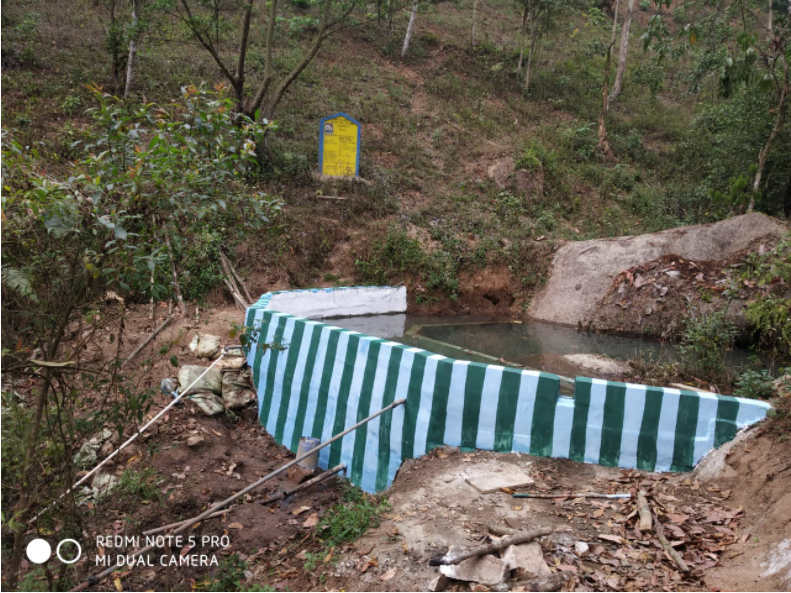
| 7. | Type Of Intervention | Site Name | GPS Co-ordinates | Amount Sanctioned | Work Status | |
| Checkdam | Jri Sohtyngkong | 25.685412 N | 92.041238 E | ₹ 2,02,020.00 | Completed | |
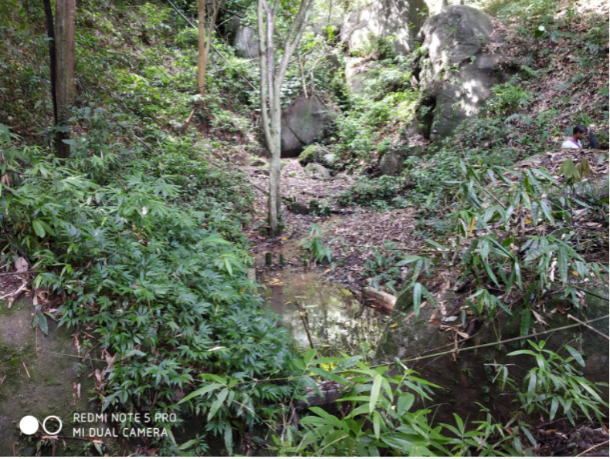
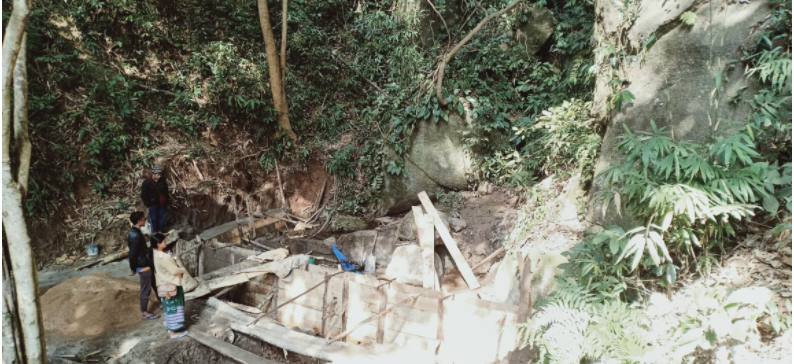
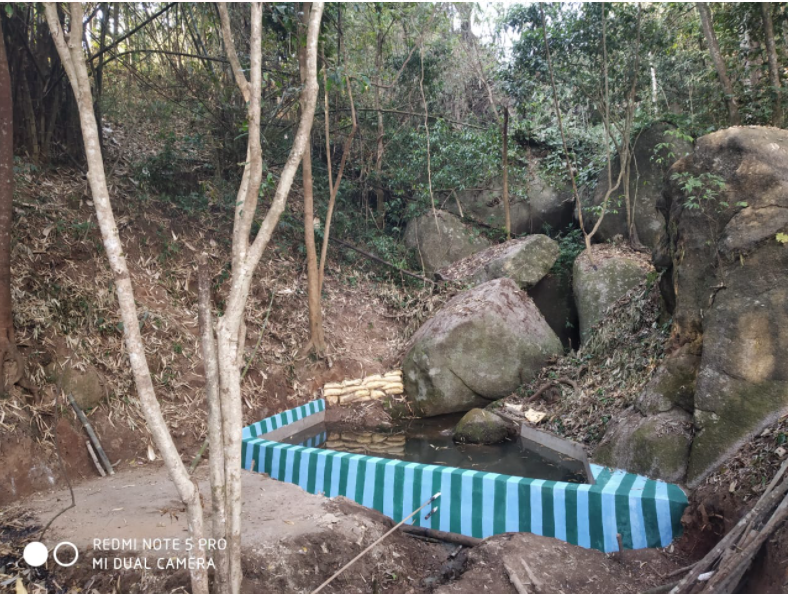
| 8. | Type Of Intervention | Site Name | GPS Co-ordinates | Amount Sanctioned | Work Status | |
| Head work | khlieh Krohski | 25.69598 N | 92.034188 E | ₹ 1,32,450.00 | Completed | |
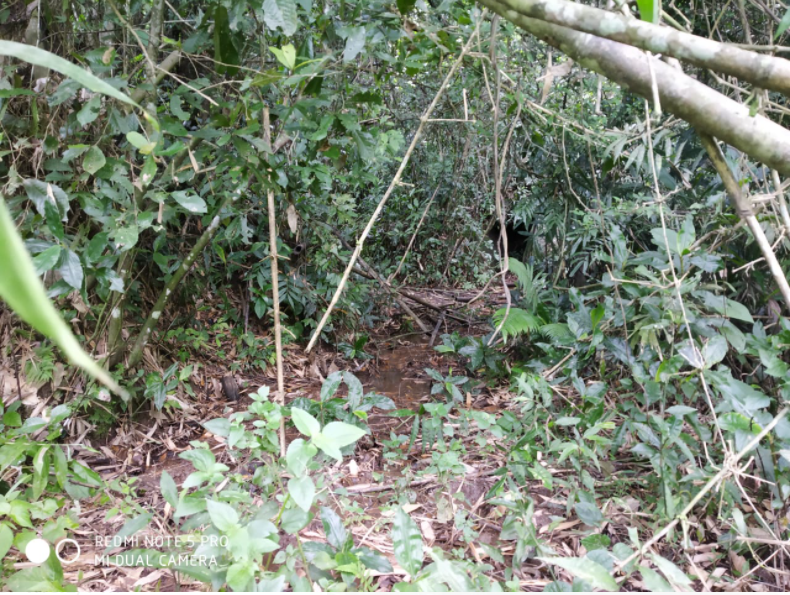
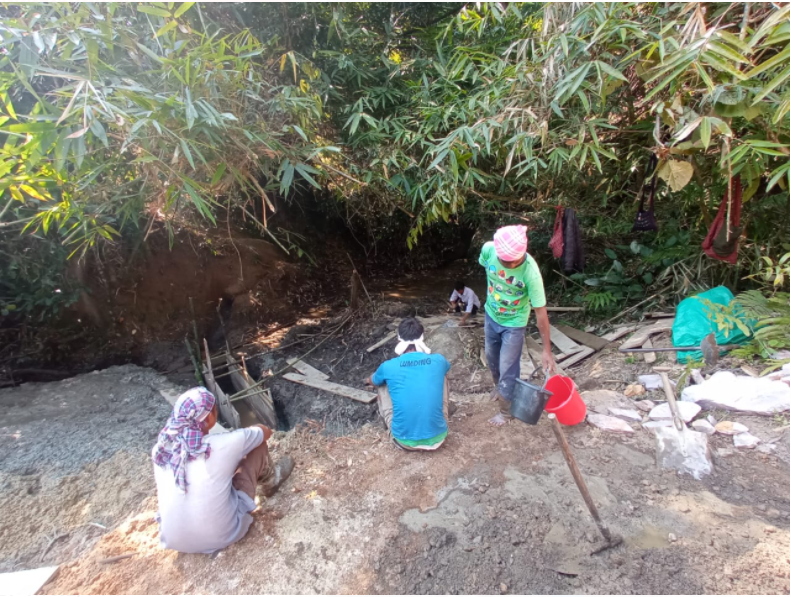
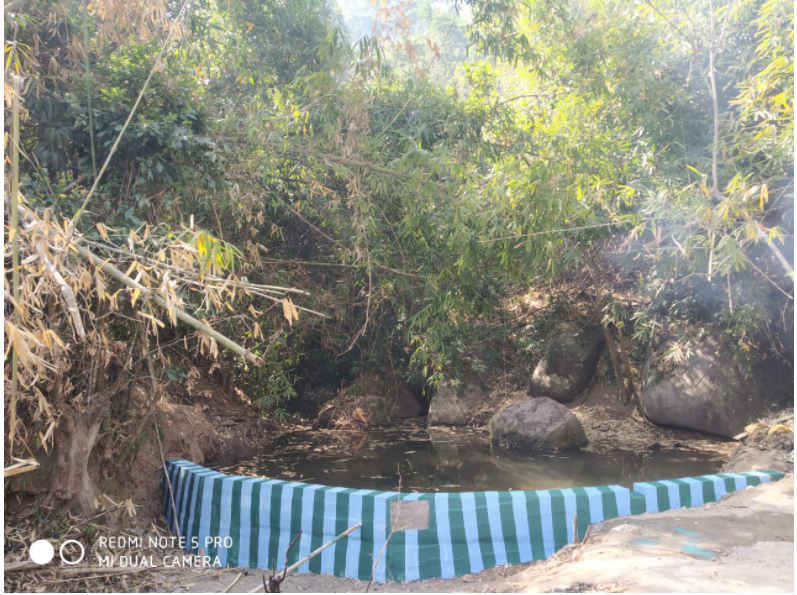
| 9. | Type Of Intervention | Site Name | GPS Co-ordinates | Amount Sanctioned | Work Status | |
| Fire control line | Jri Sohtyngkong | 25.685535 N | 92.042648 E | ₹ 44,100.00 | Completed | |
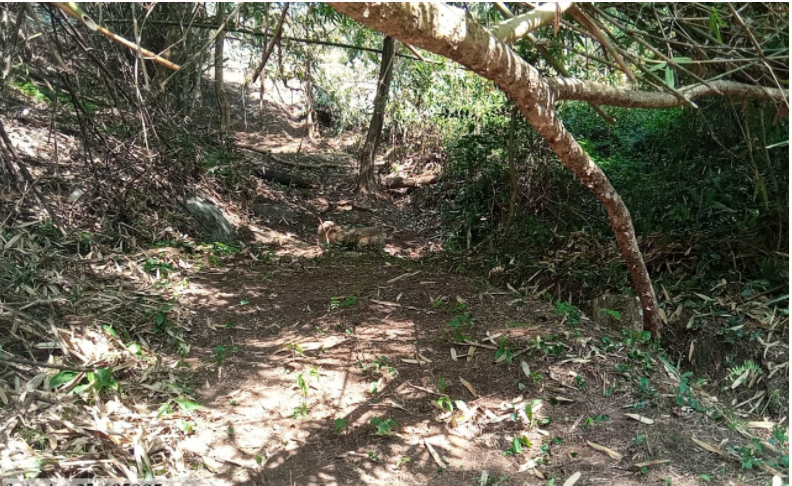
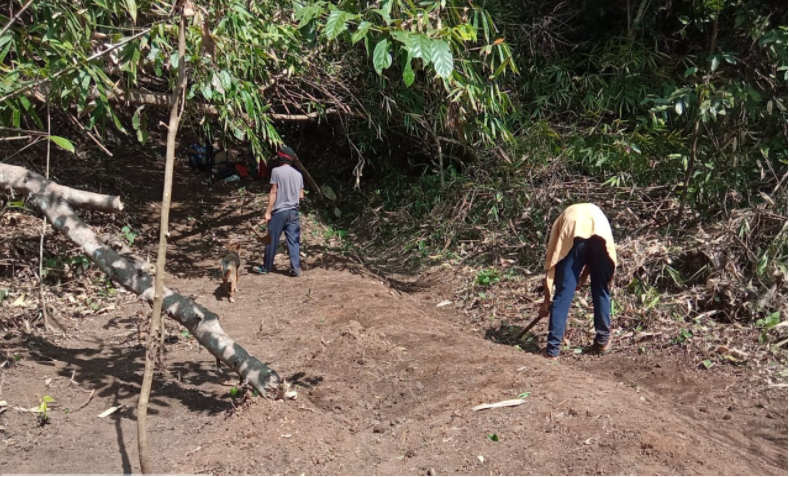
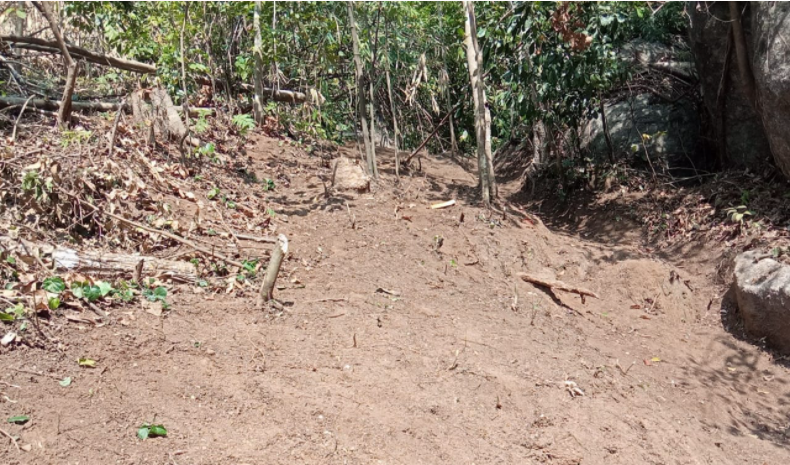
| 10. | Type Of Intervention | Site Name | GPS Co-ordinates | Amount Sanctioned | Work Status | |
| Head work | khlieh wahnub | 25.692913 N | 92.03175 E | ₹ 1,00,430.00 | Completed | |
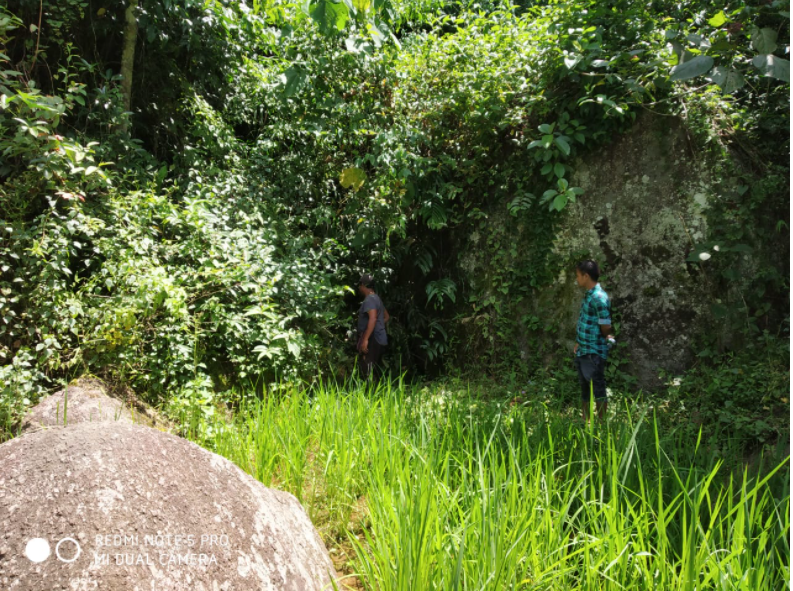
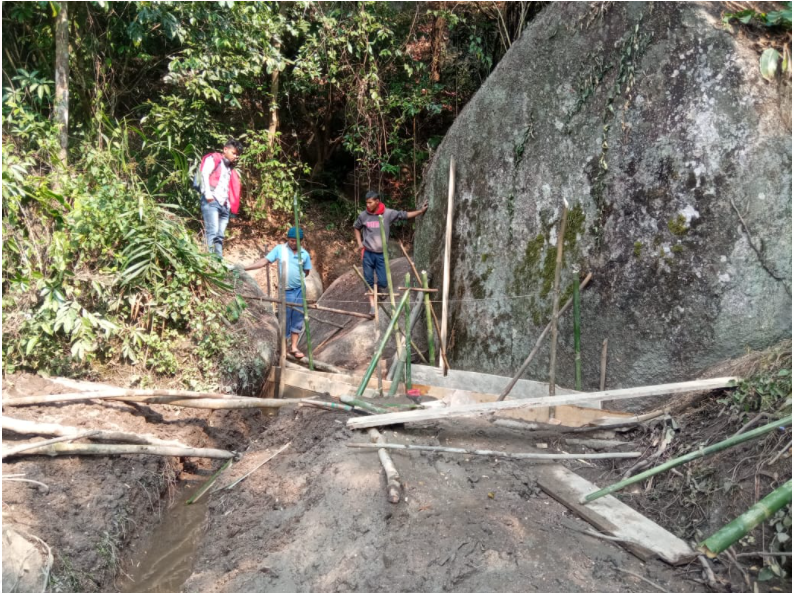
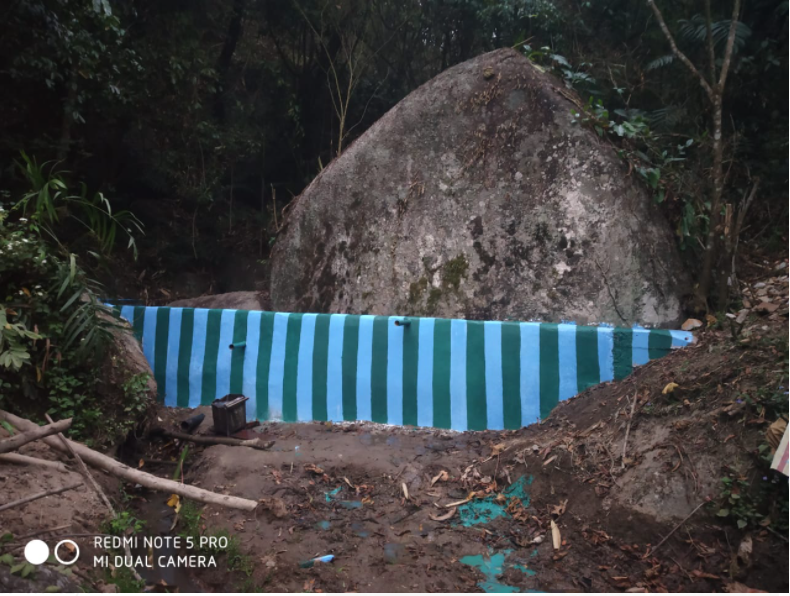
| 11. | Type Of Intervention | Site Name | GPS Co-ordinates | Amount Sanctioned | Work Status | |
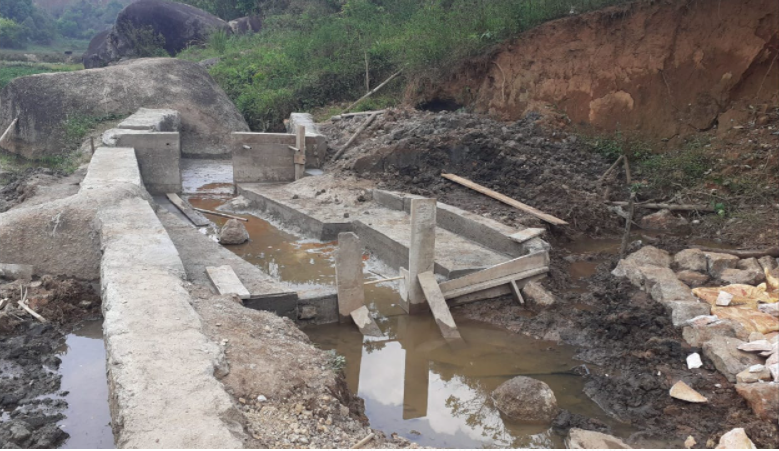
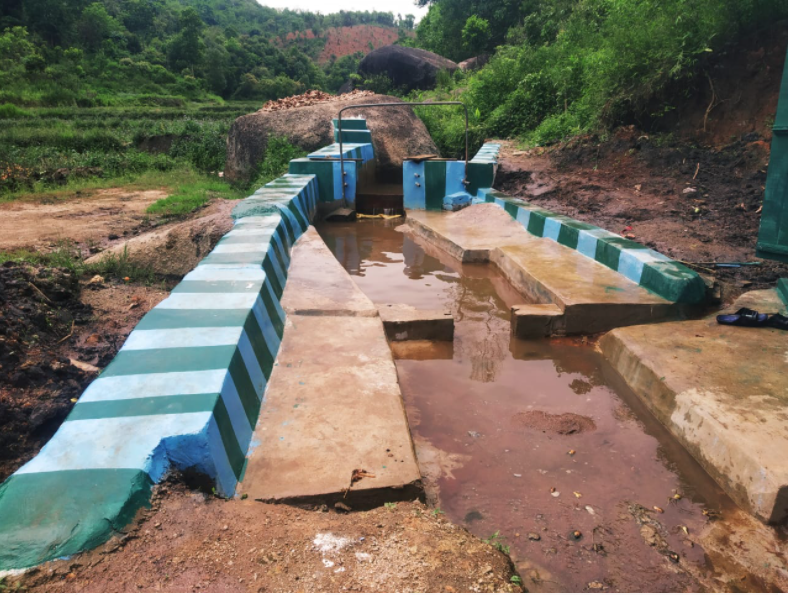
| Check dam for irrigation | Pynthor Krohski | 25.691508 N | 92.03608 E | ₹ 2,52,680.00 | Completed | |
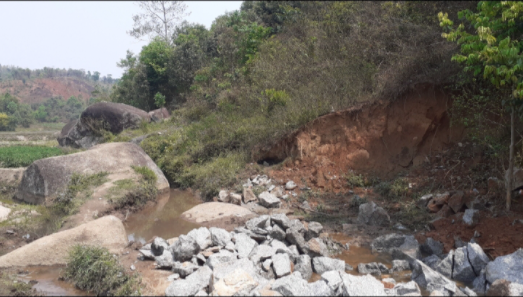
| 12. | Type Of Intervention | Site Name | GPS Co-ordinates | Amount Sanctioned | Work Status | |
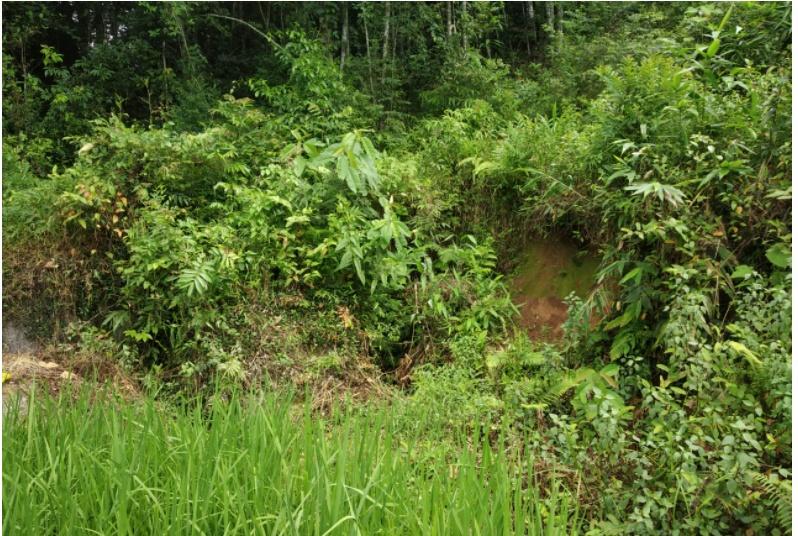
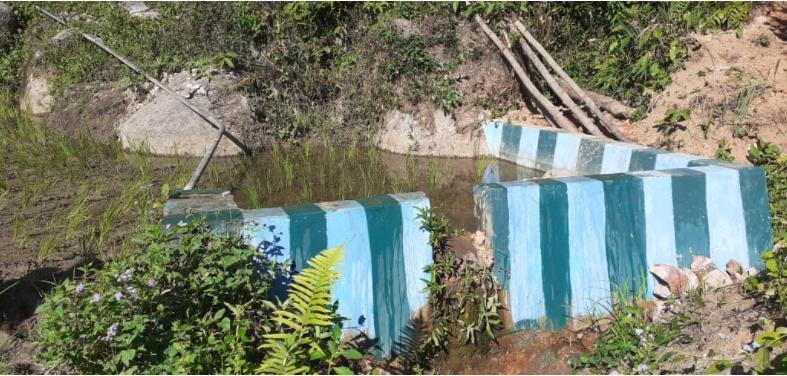
| Check dam for irrigation | khlieh wahnub-2 | 25.692763 N | 92.03039 E | ₹ 82,340.00 | Completed | |
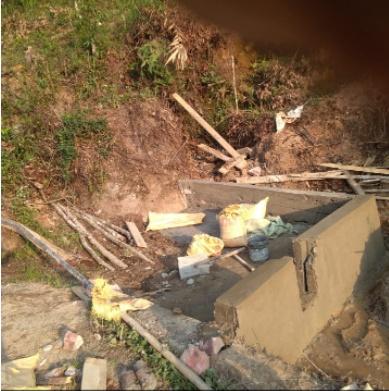
| 13. | Type Of Intervention | Site Name | GPS Co-ordinates | Amount Sanctioned | Work Status | |
| Check dam for irrigation | Mawlong | 25.687763 N | 92.029115 E | ₹ 90,080.00 | Completed | |
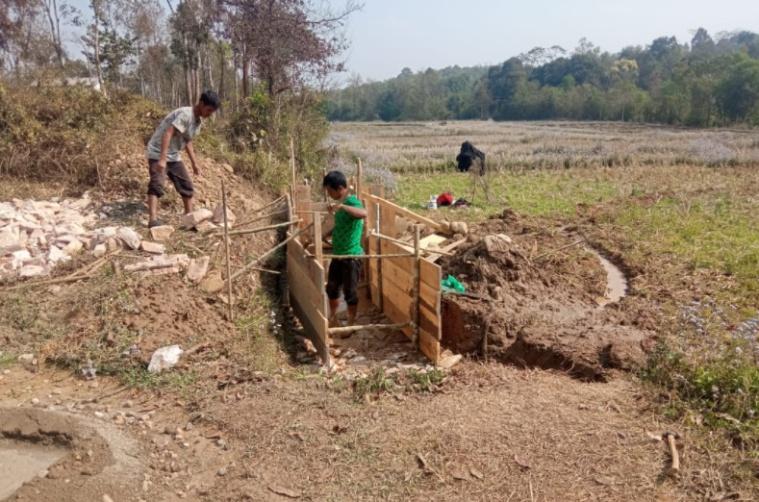
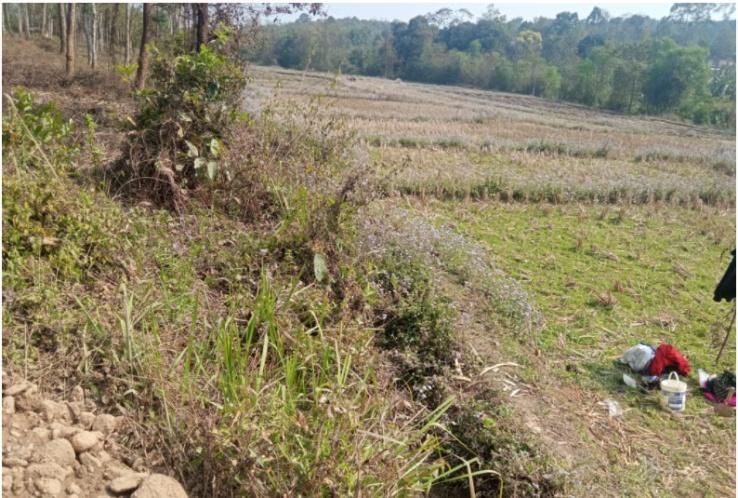
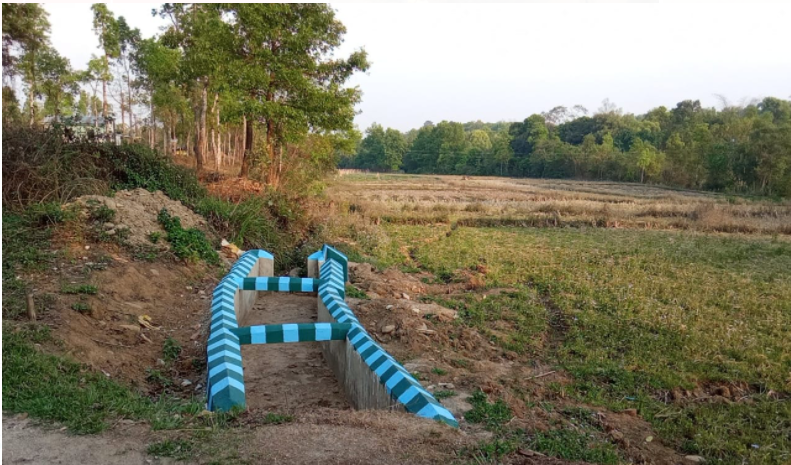
| 14. | Type Of Intervention | Site Name | GPS Co-ordinates | Amount Sanctioned | Work Status | |
| Spring chamber | Jingtong um umtung | 25.68656 N | 92.031886 E | ₹ 65,500.00 | Completed | |
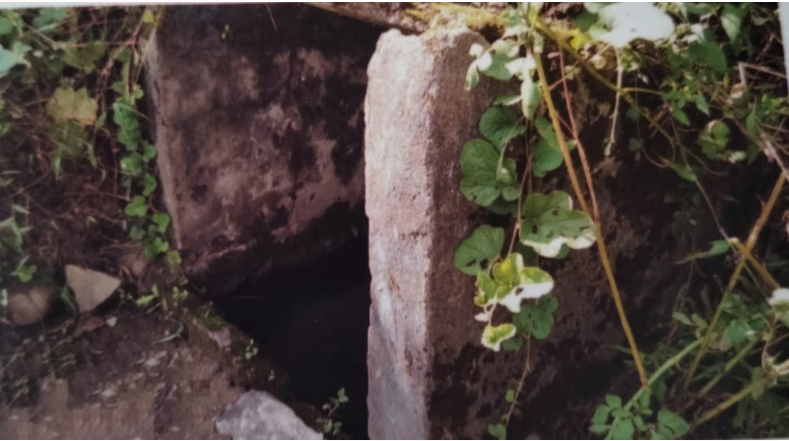
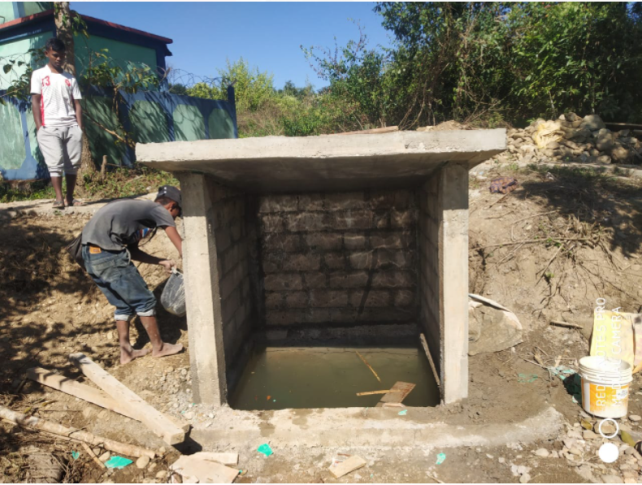
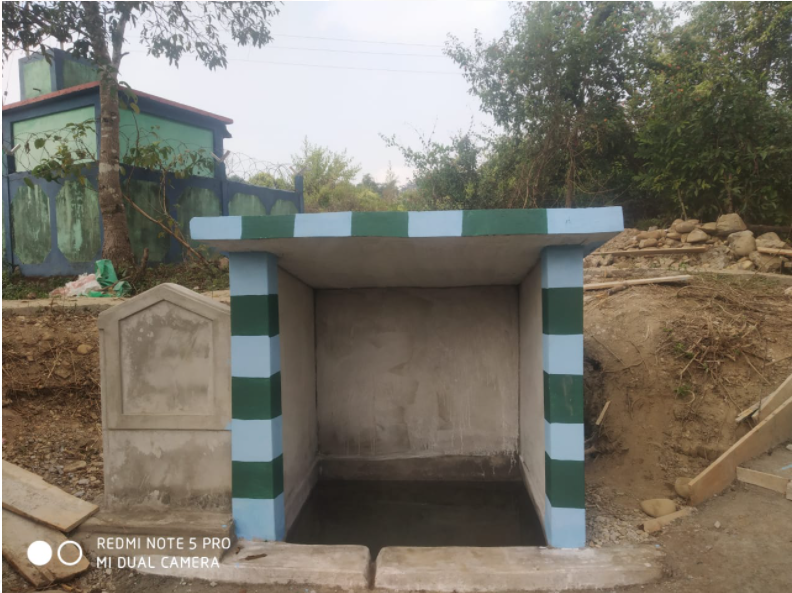
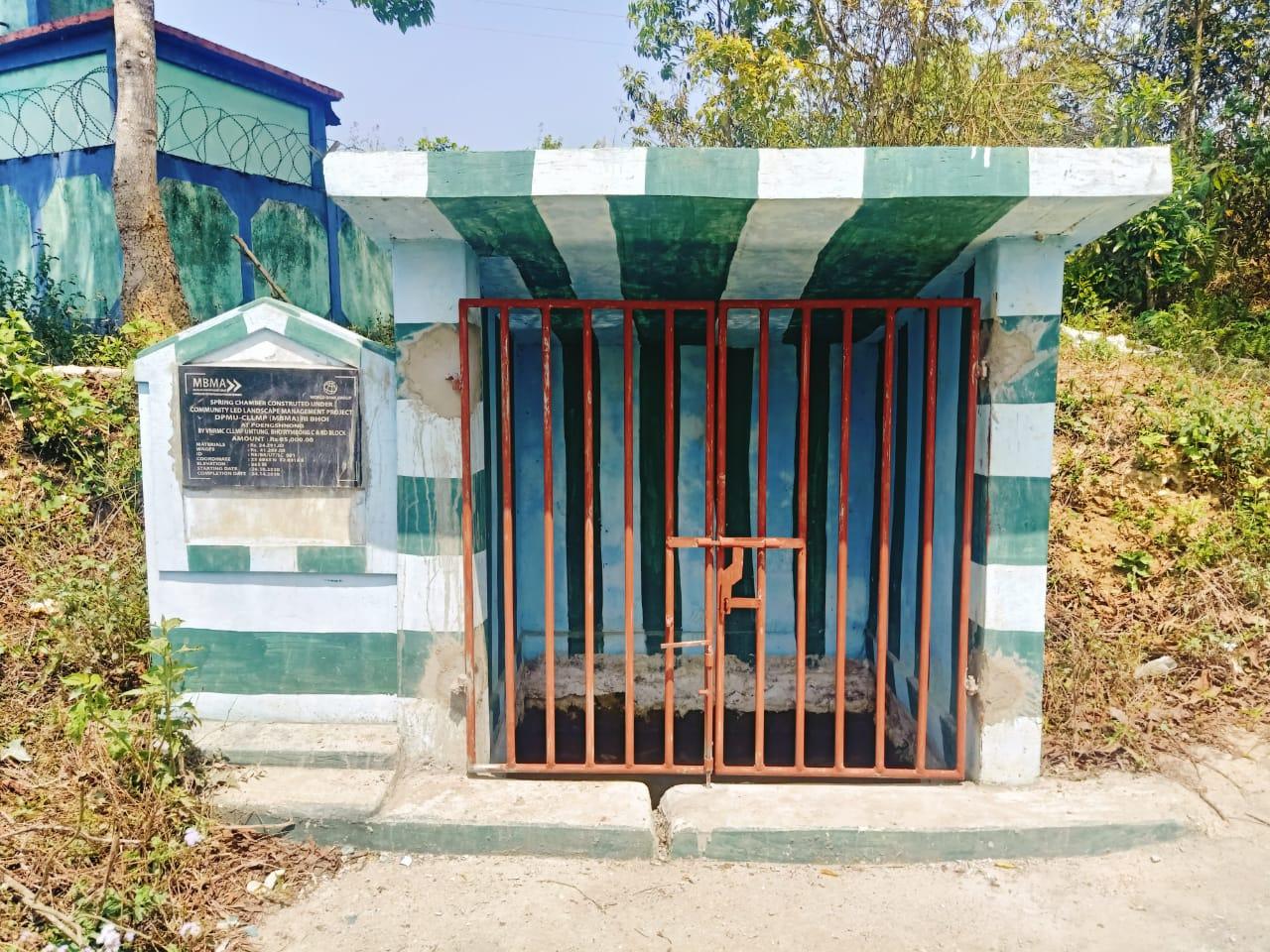
| 15. | Type Of Intervention | Site Name | GPS Co-ordinates | Amount Sanctioned | Work Status | |
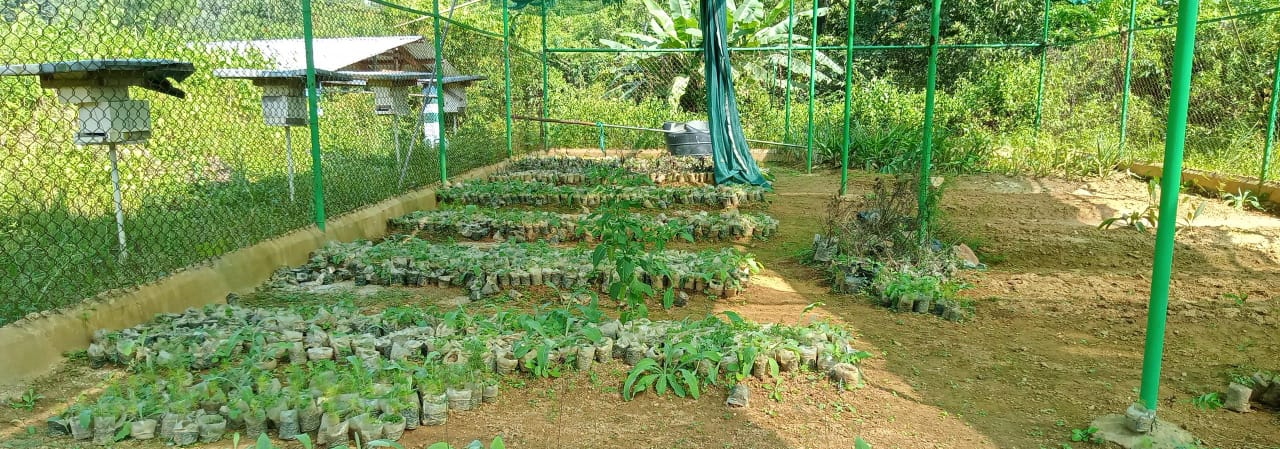
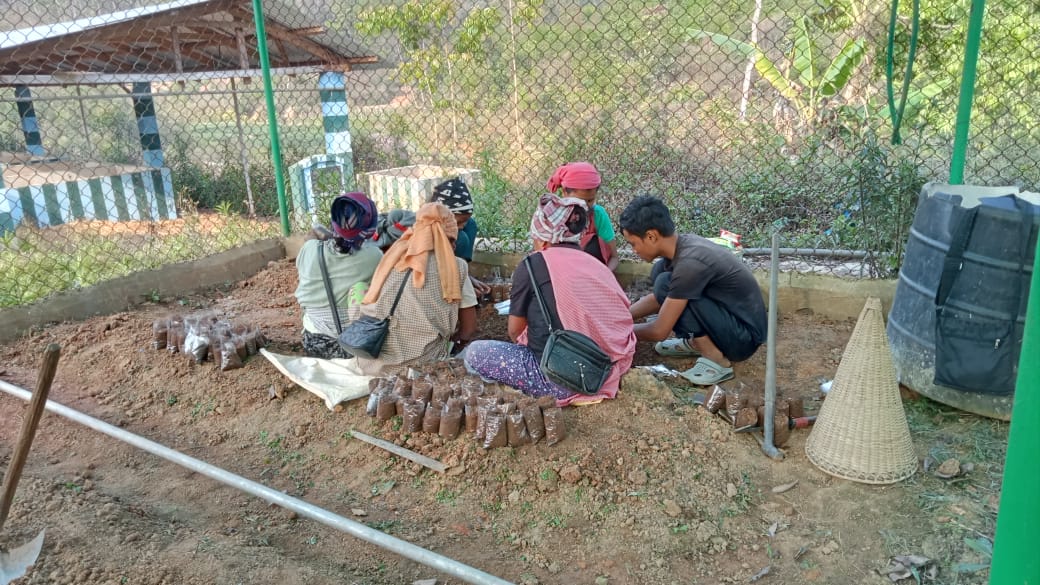
| Nursery | Skulrim | 25.688247 N | 92.032758 E | ₹ 2,95,000.00 | Completed | |
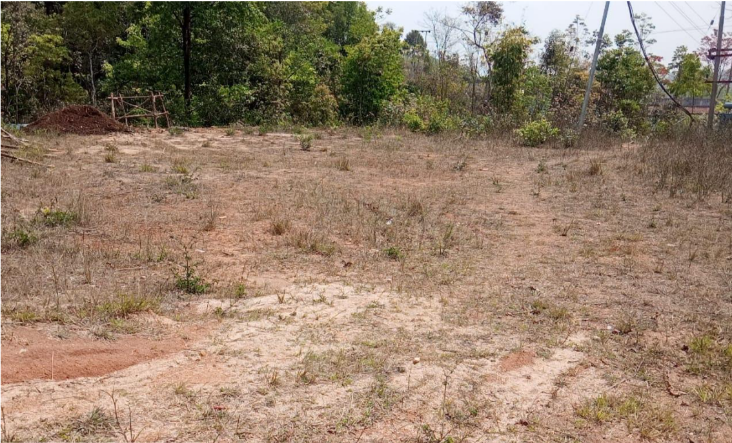
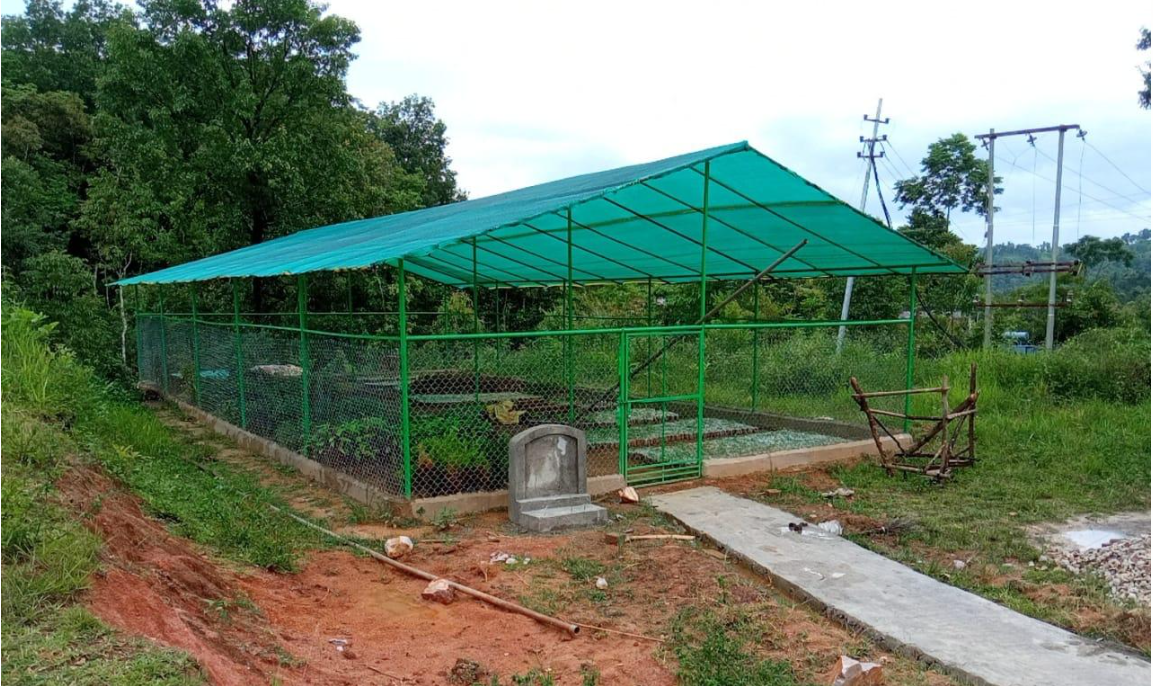
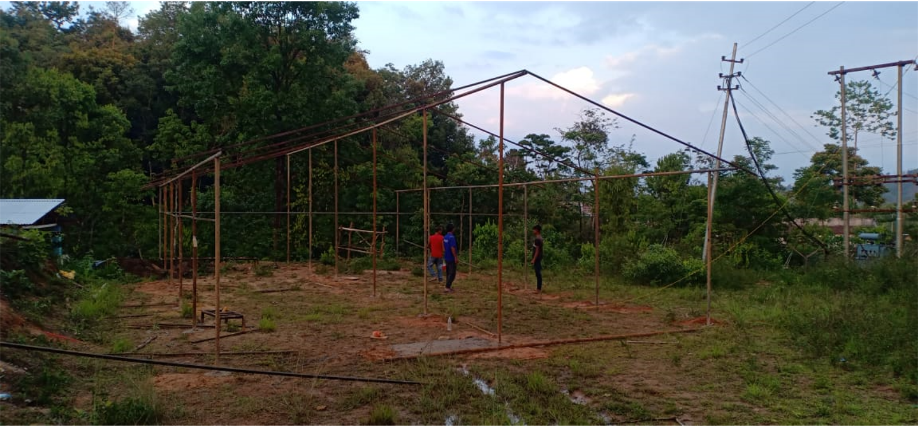
| Intervention | Site | Amount | Status |
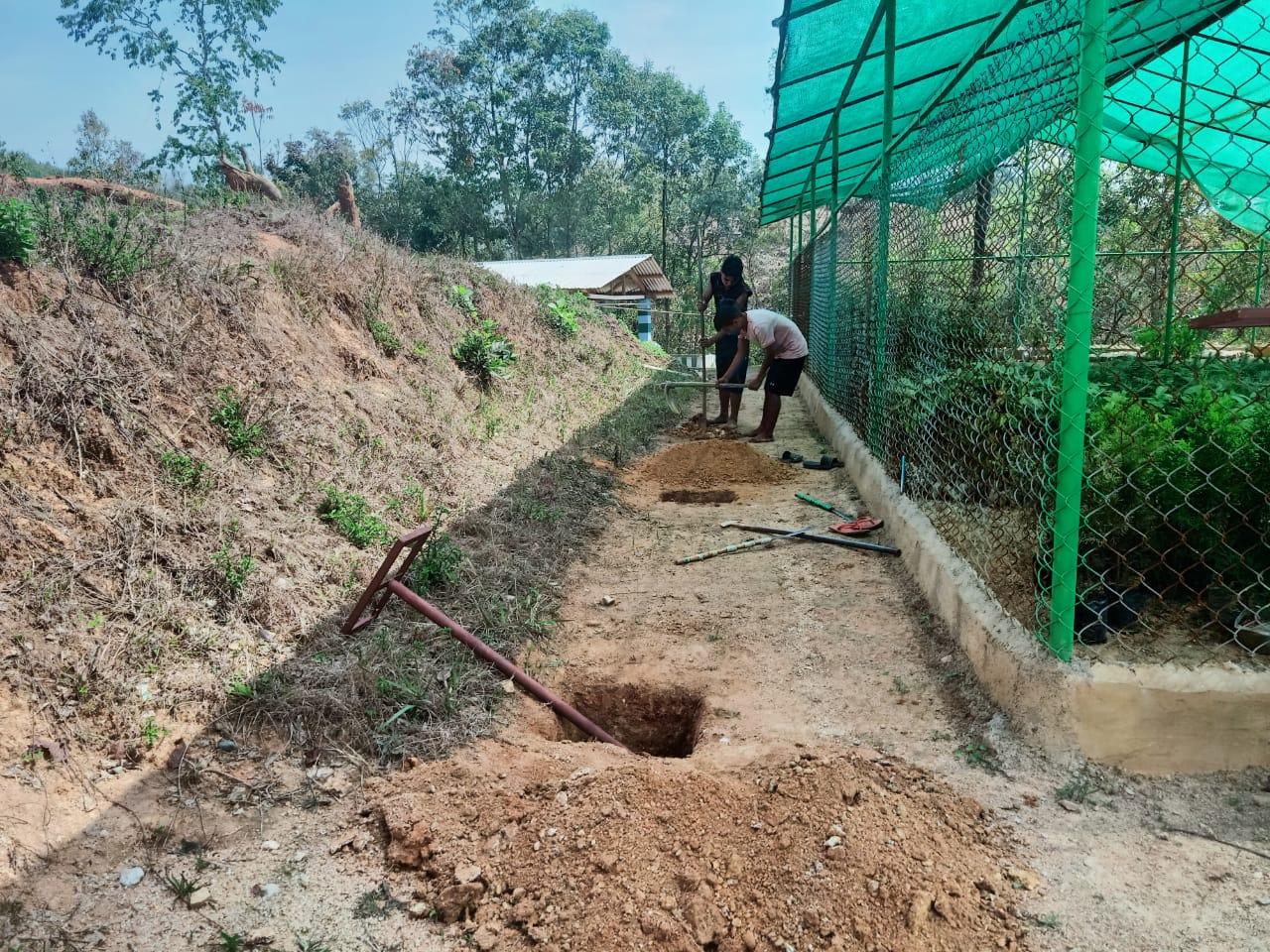
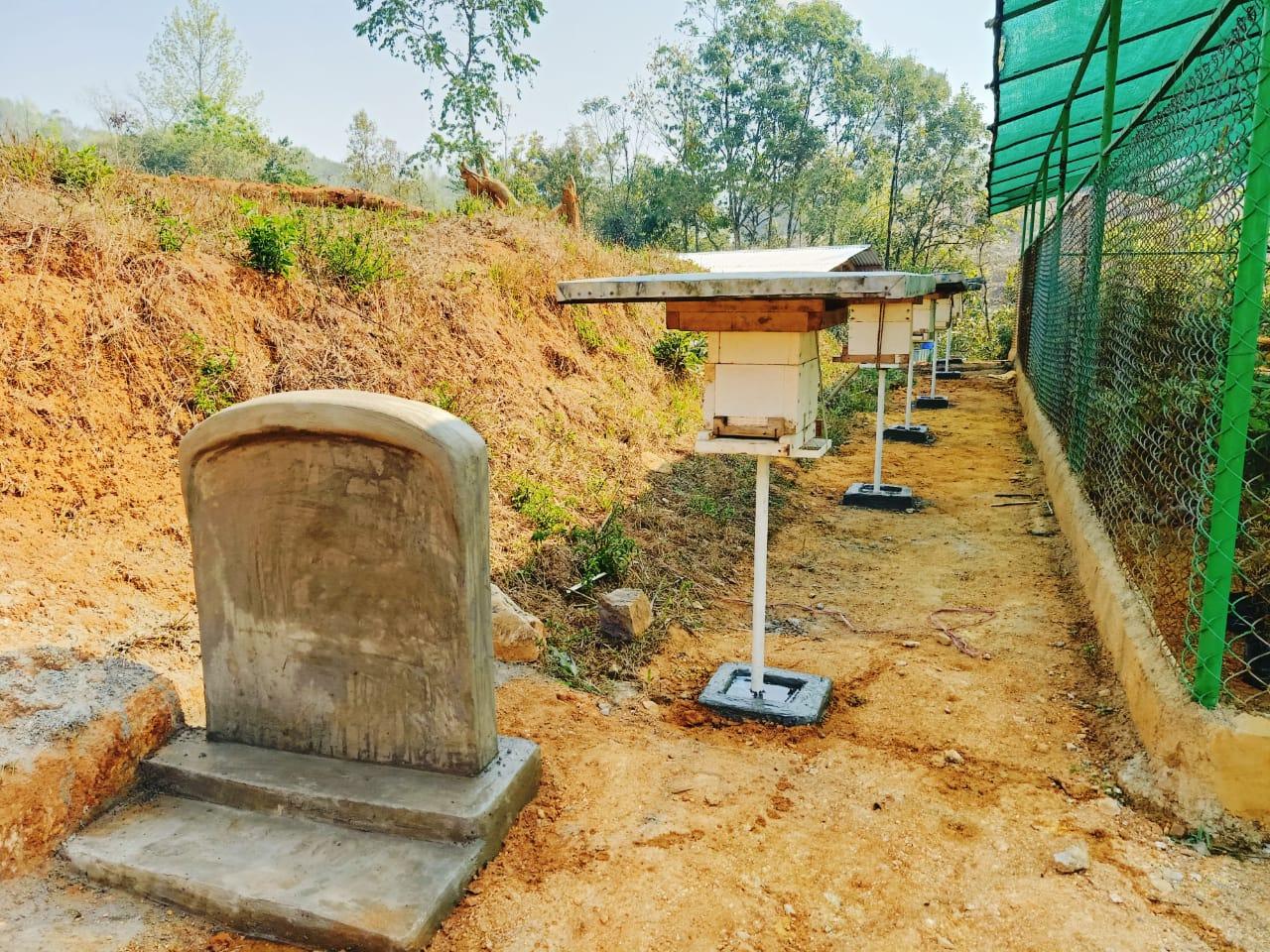
| Apiculture | Skul rim ( Jaka Shnong) | 60,660 | Completed |
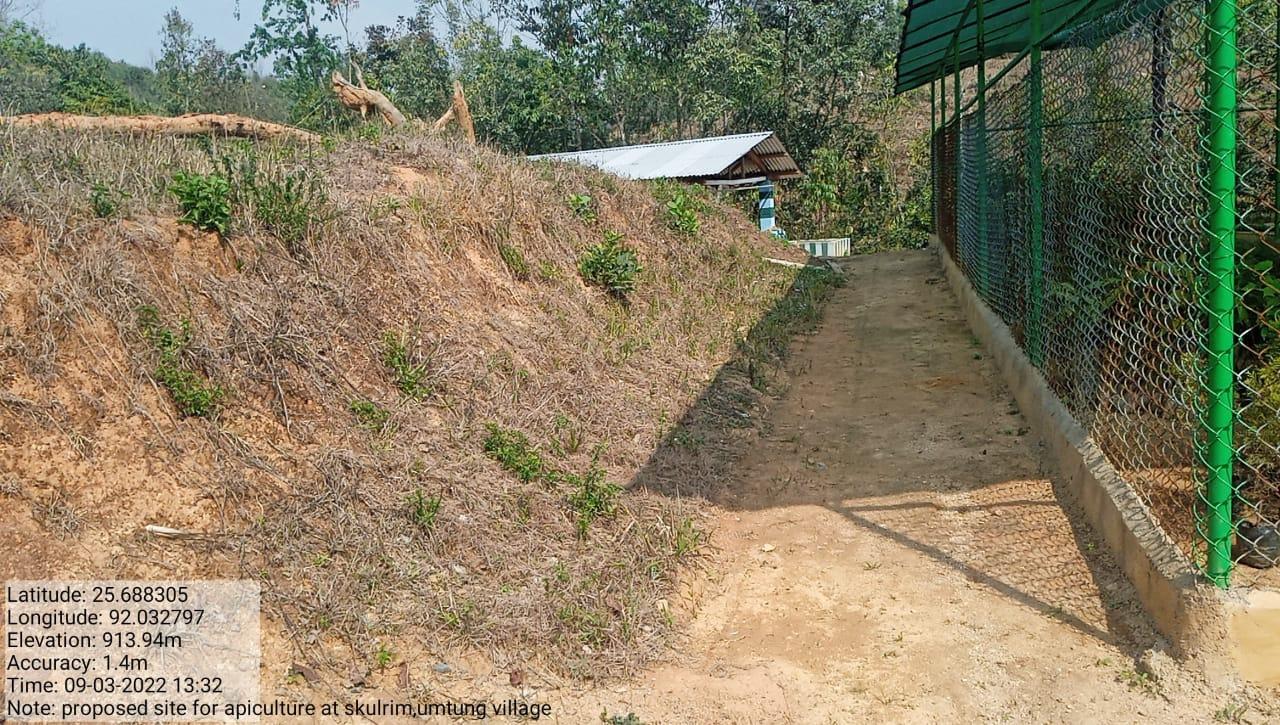
| Intervention | Site | Amount | Status |
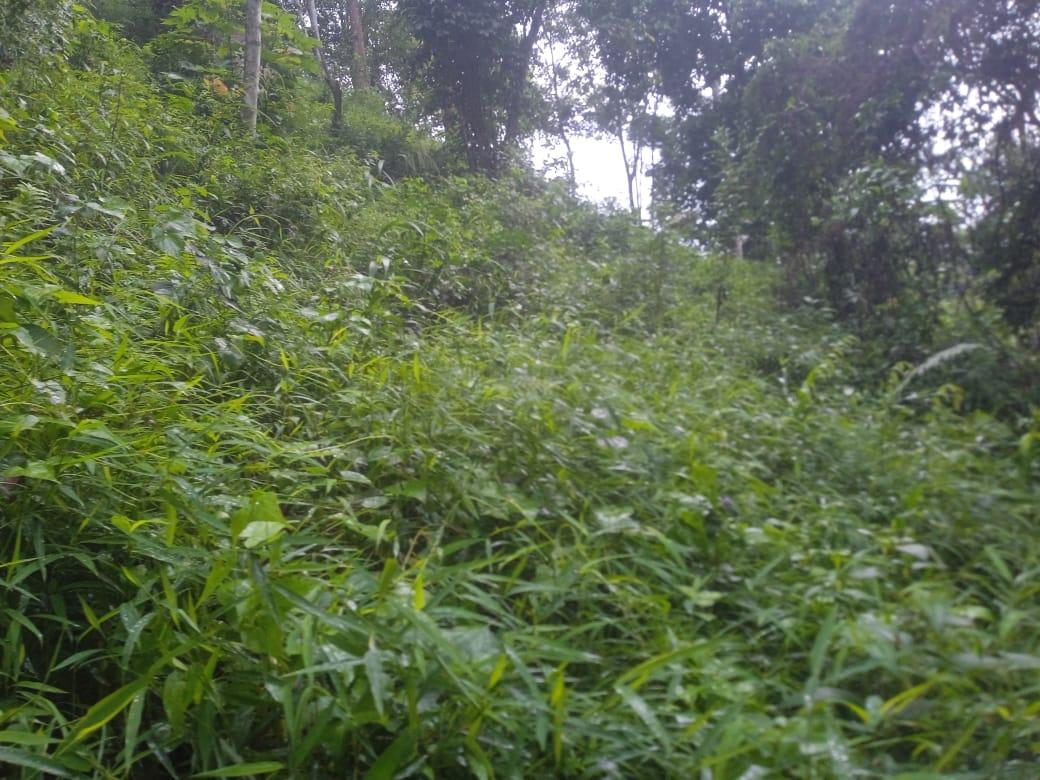
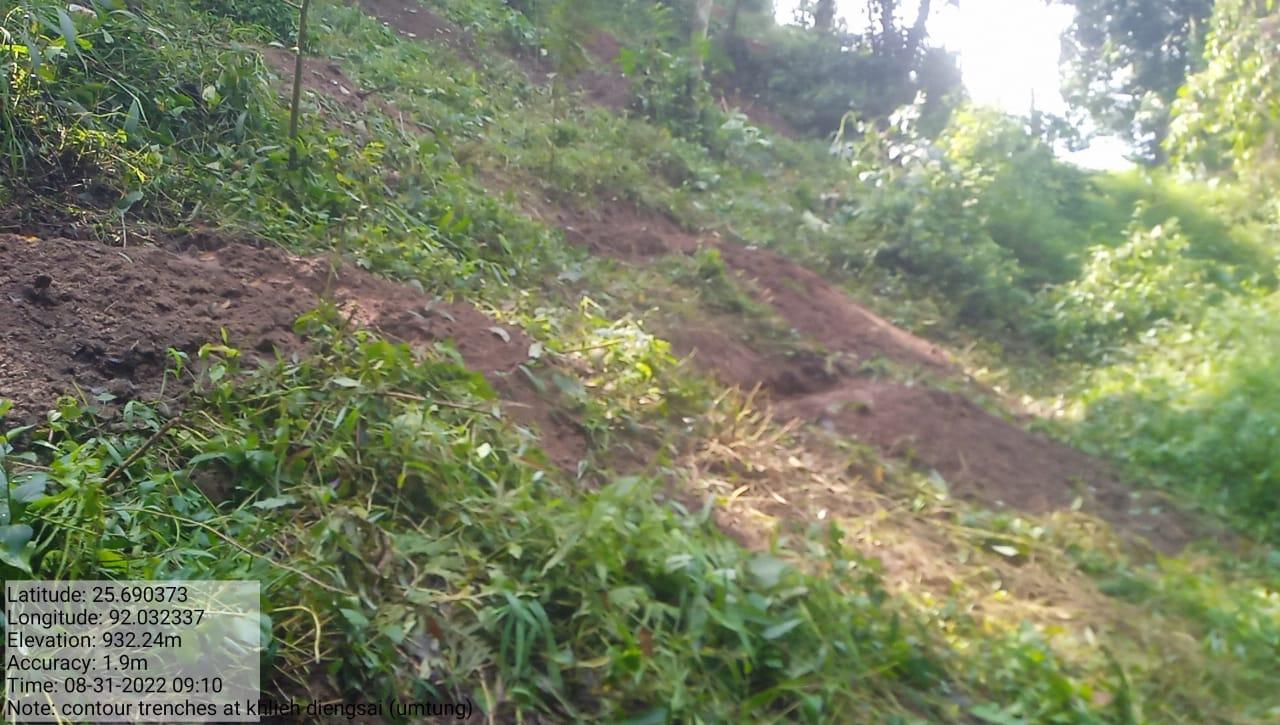
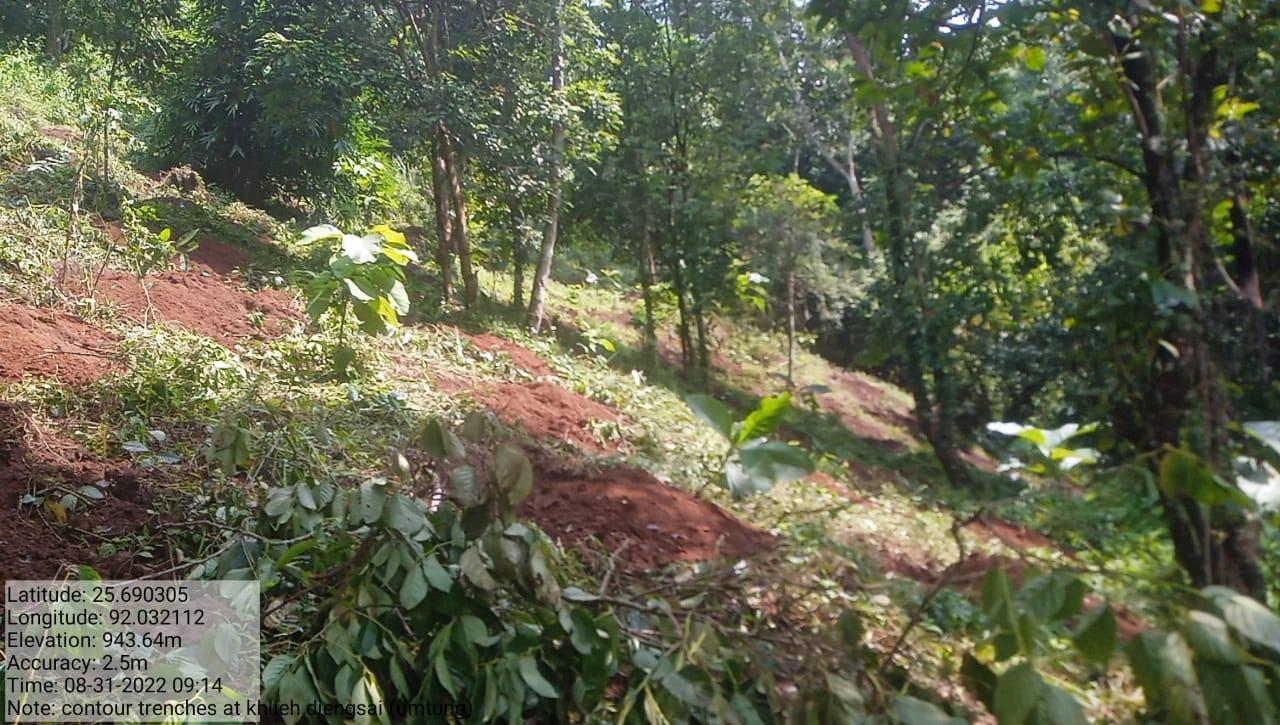
| Contour trenches | Khlieh diengsai | 66,000 | Completed |
| Intervention | Site | Amount | Status |
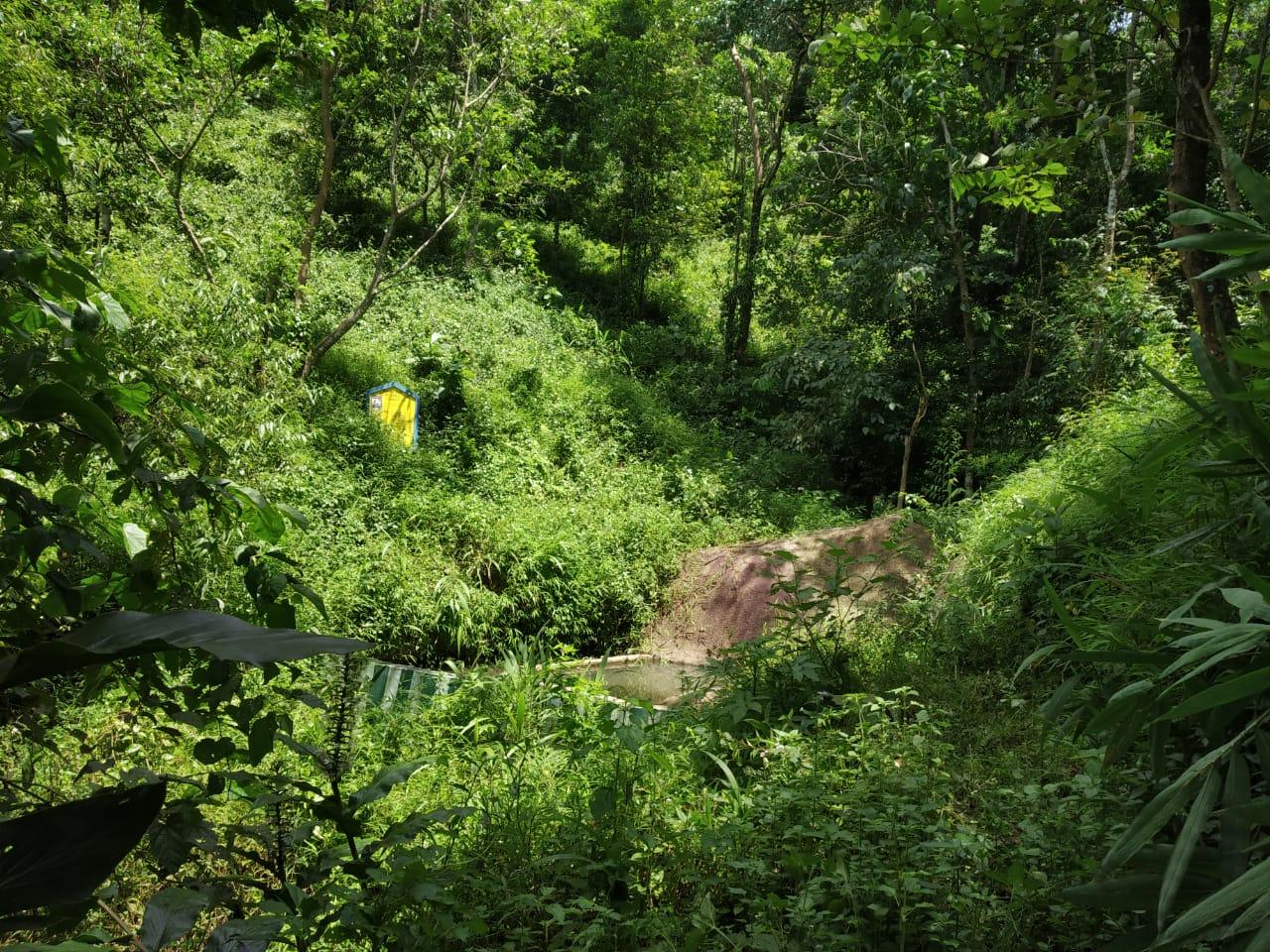
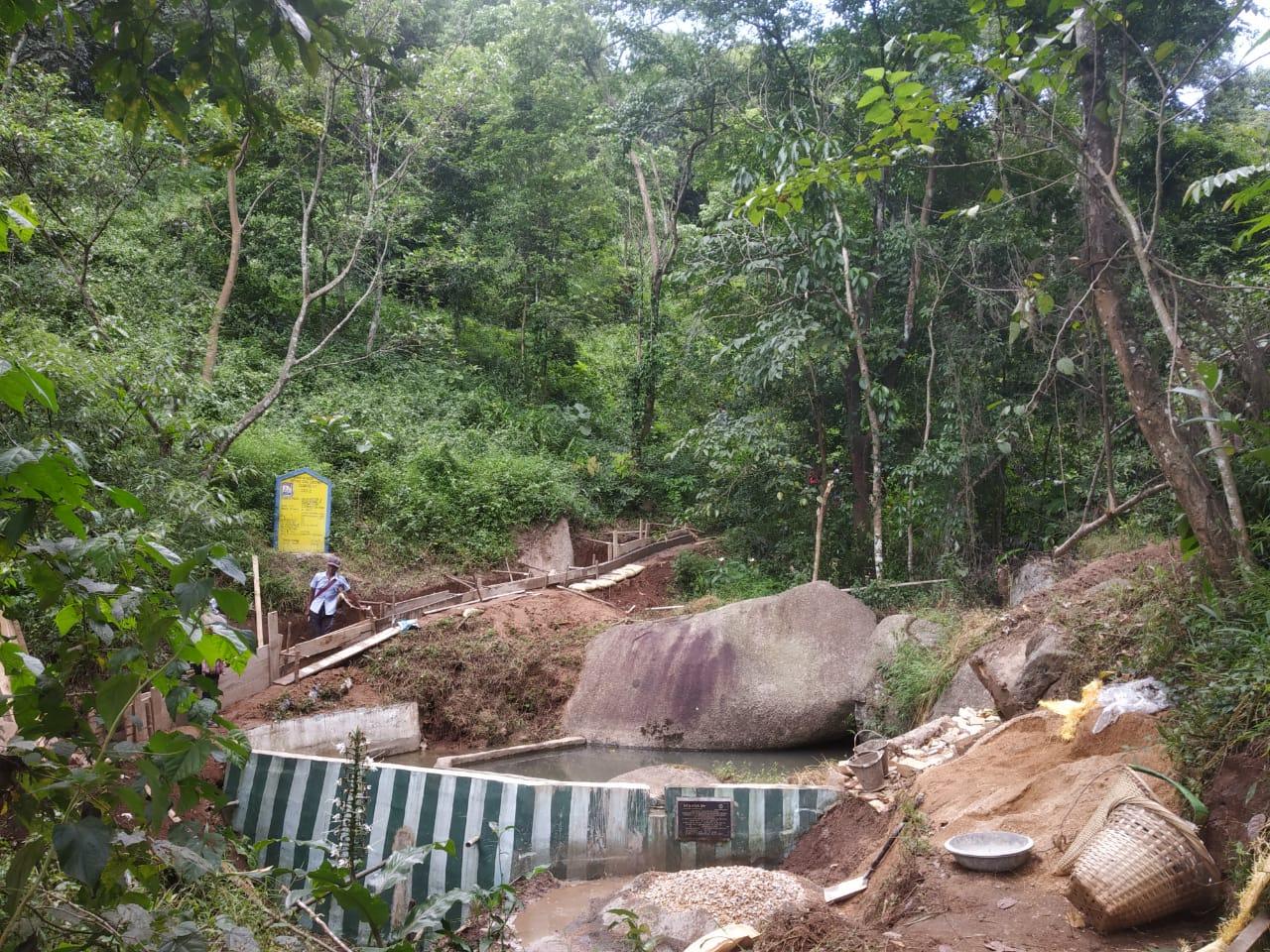
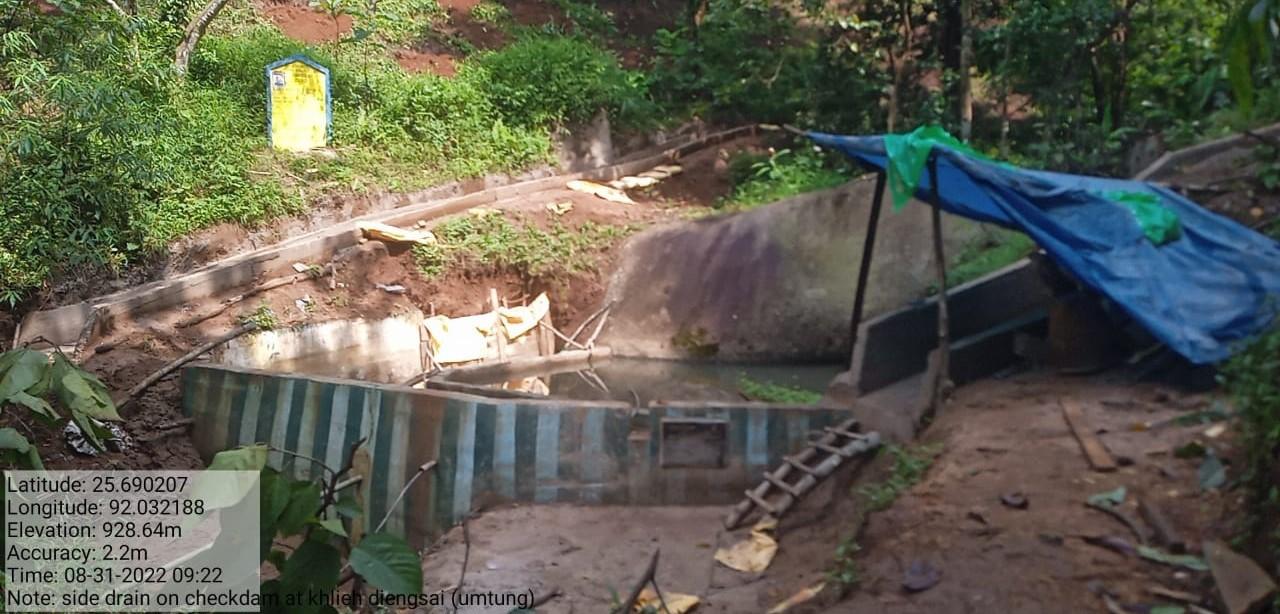
| Side drain | Khlieh Diengsai | 1,50,000 | Completed |
| Intervention | Site | Amount | Status |
| Bench terracing | Khlieh Diengsai | 84,000 | Completed |
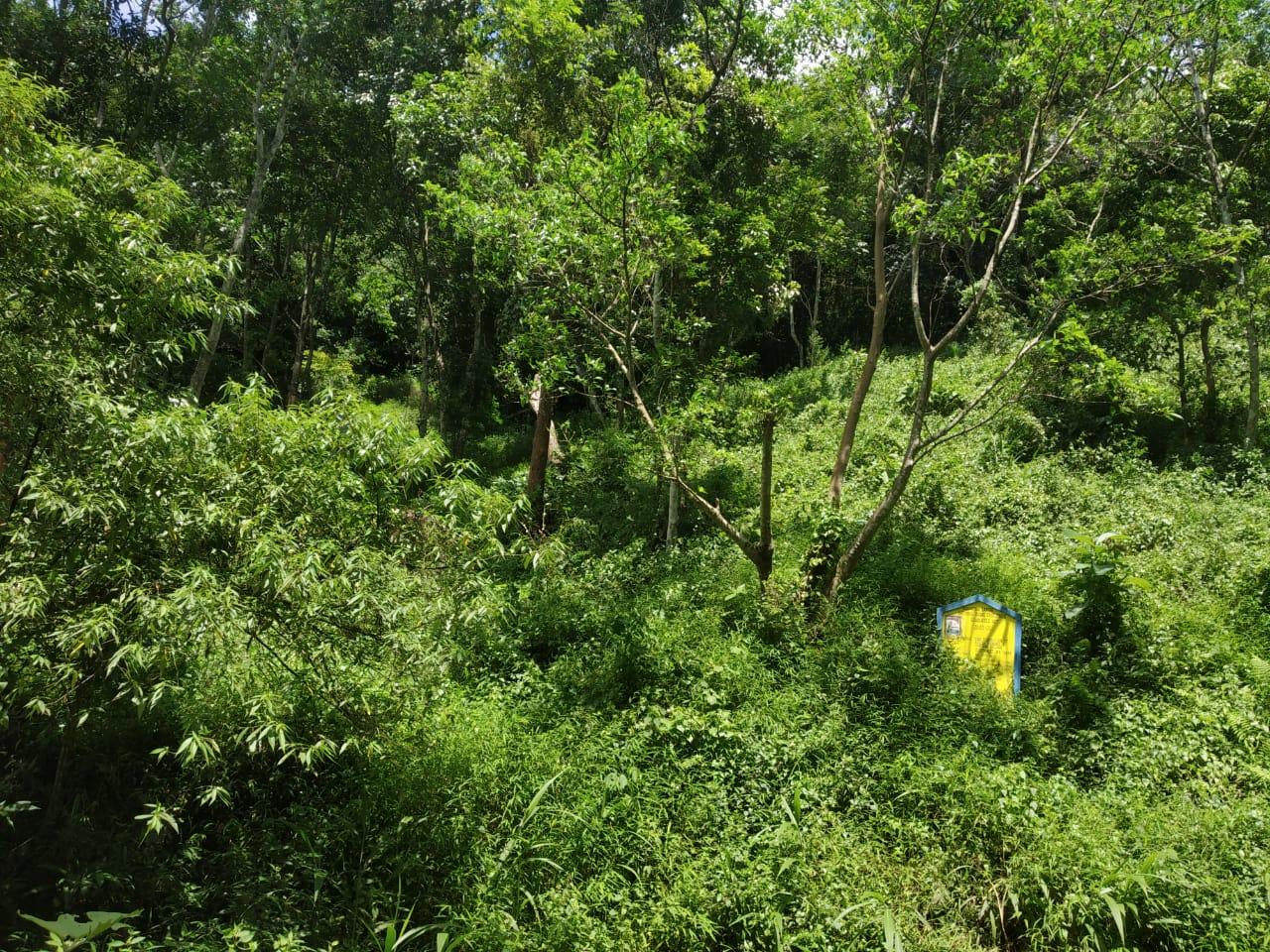
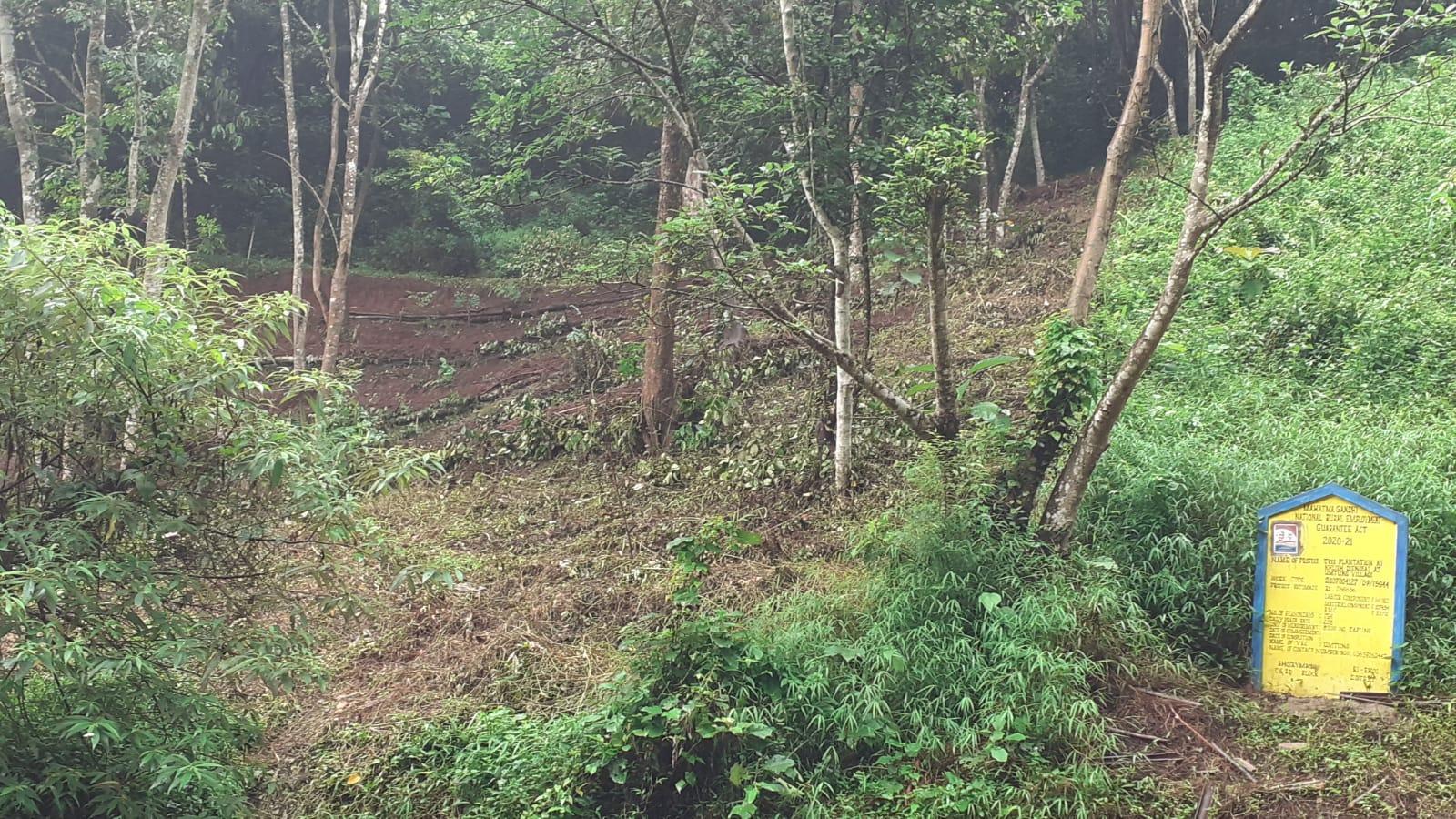
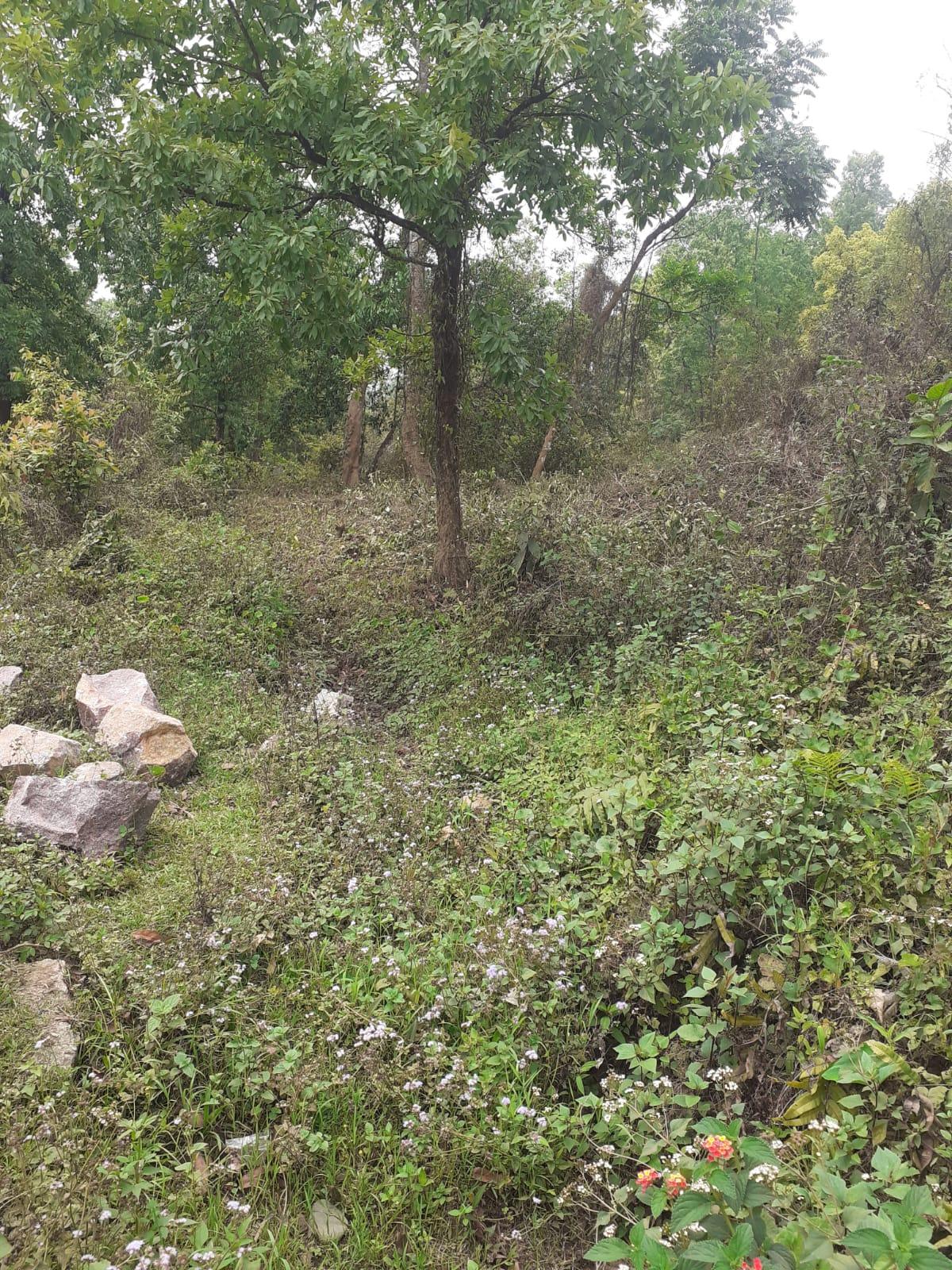
| Intervention | Site | Amount | Status |
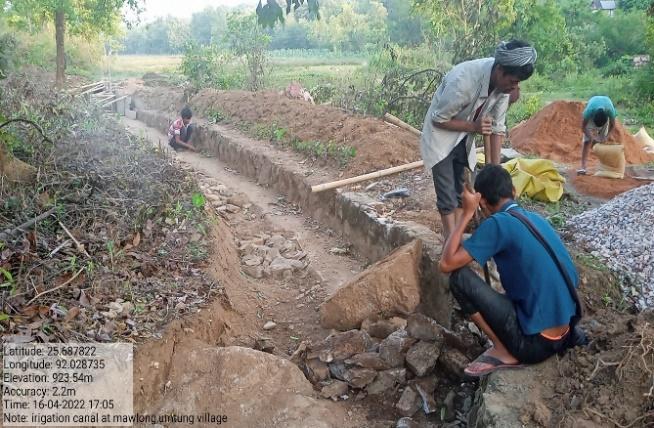
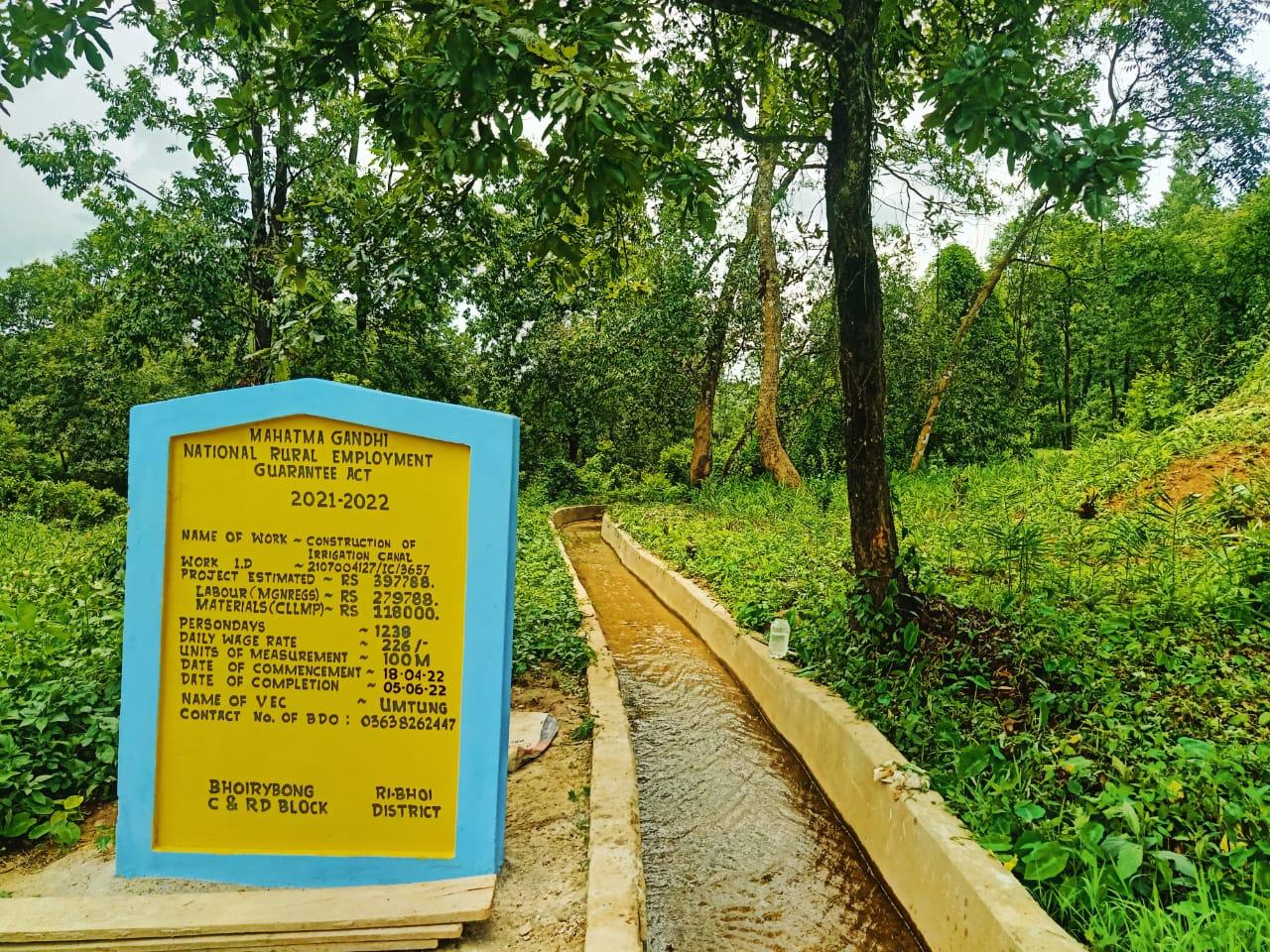
| Irrigation channel | Mawlong | 1,18,000 | Completed |
| Intervention | Site | Amount | Status |
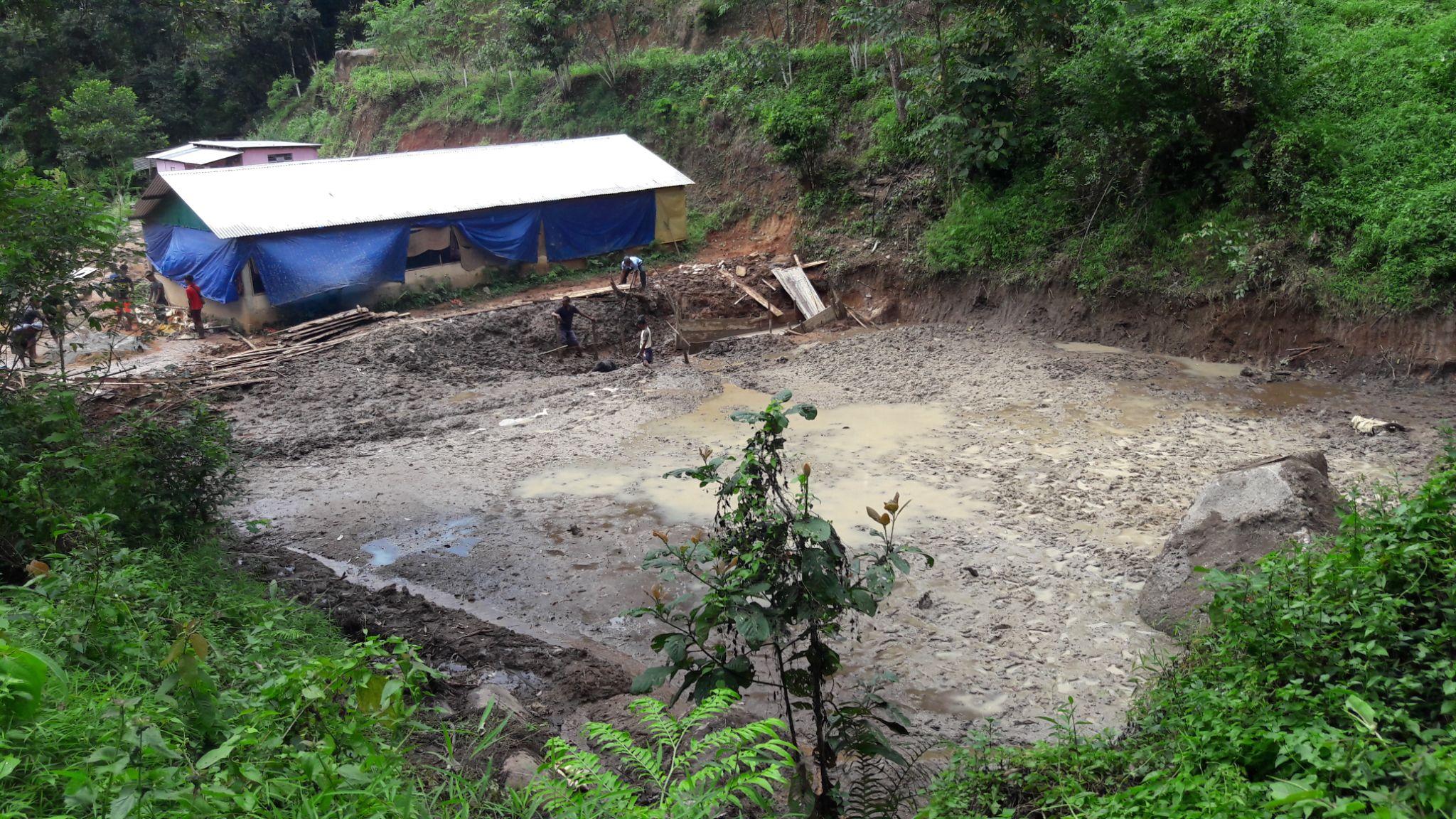
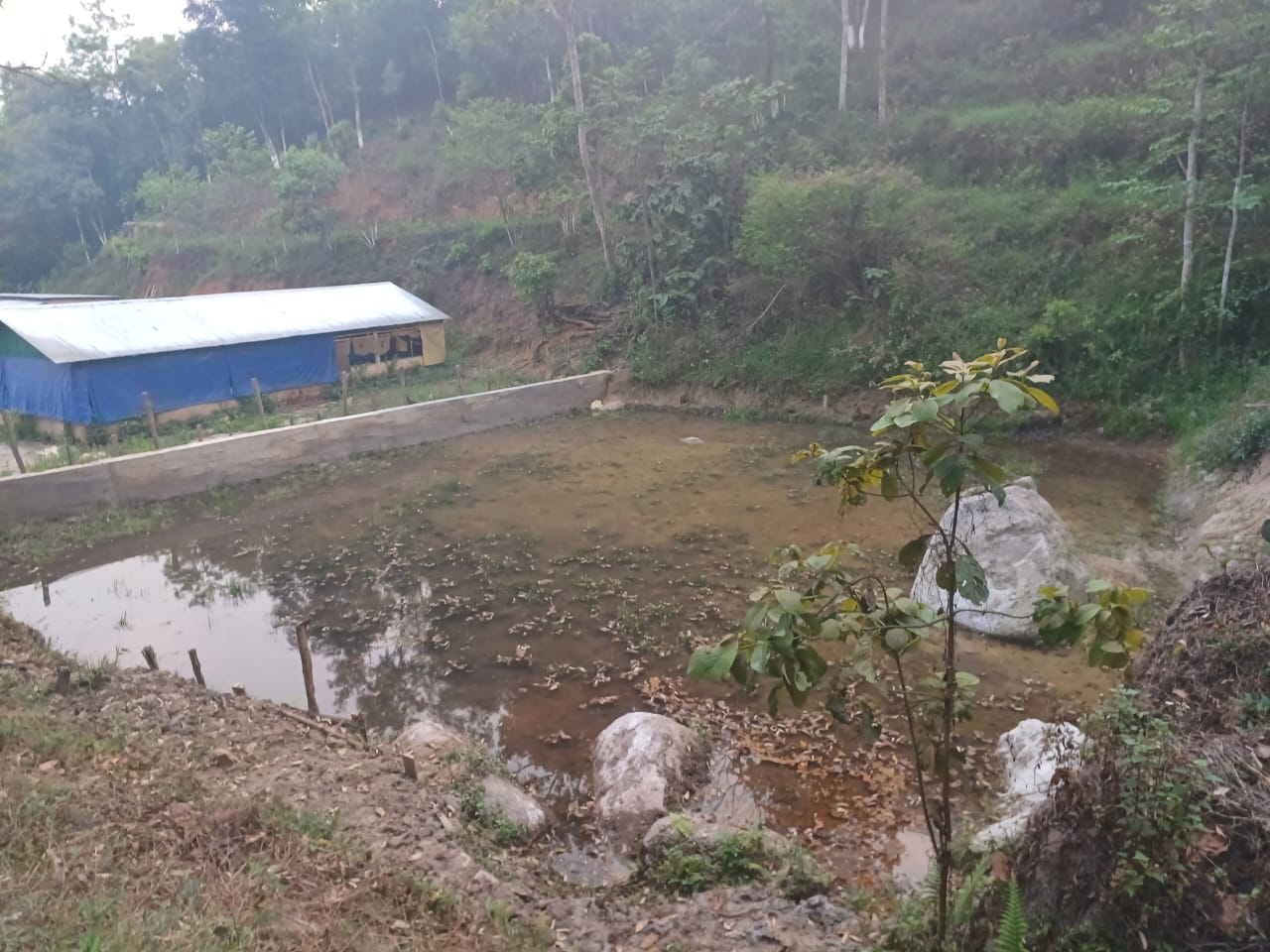
| Community Pond | Khlieh diengsai | 2,00,000 | Completed |
| Intervention | Site Name | Amount | Work Status |
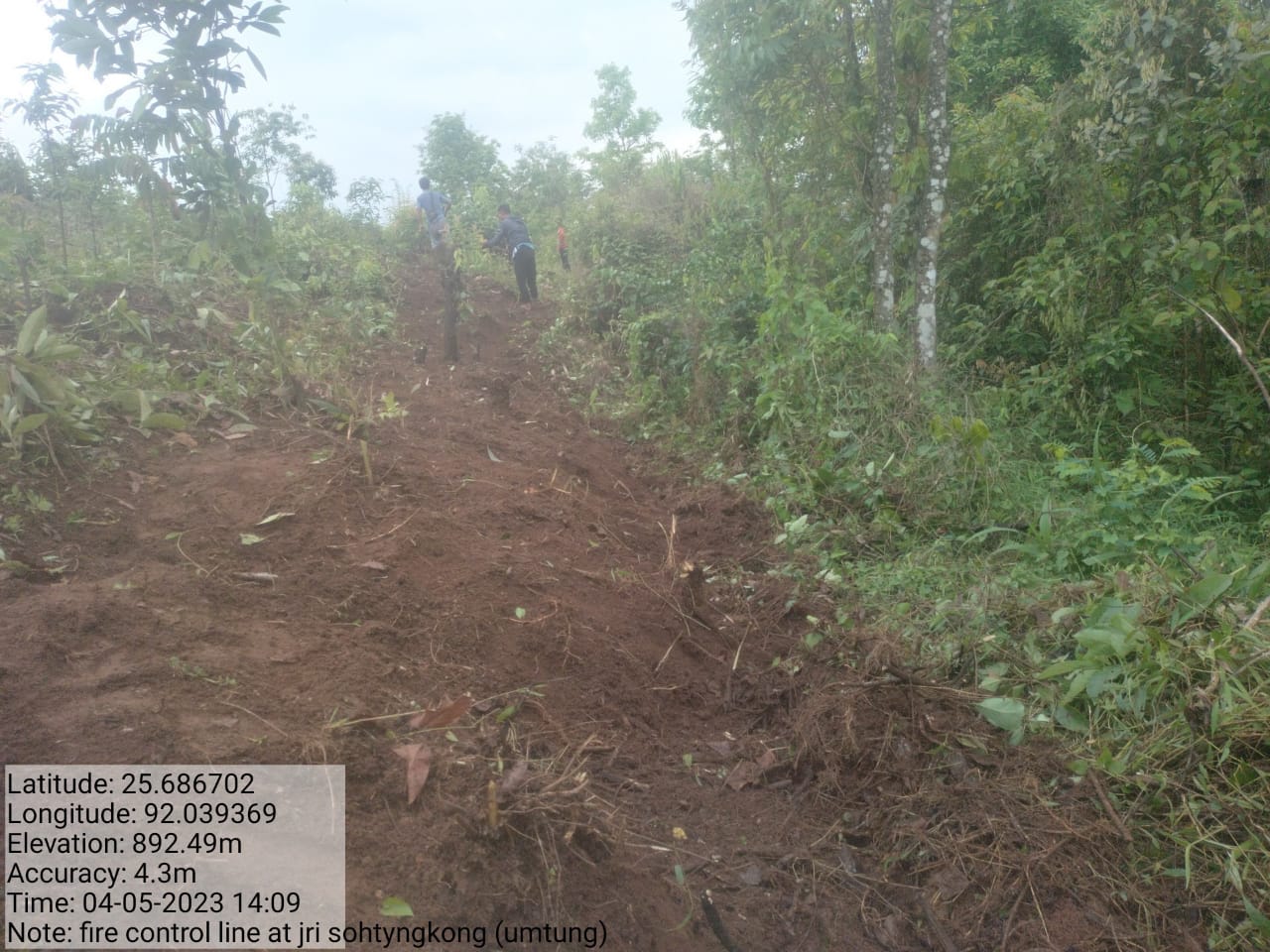
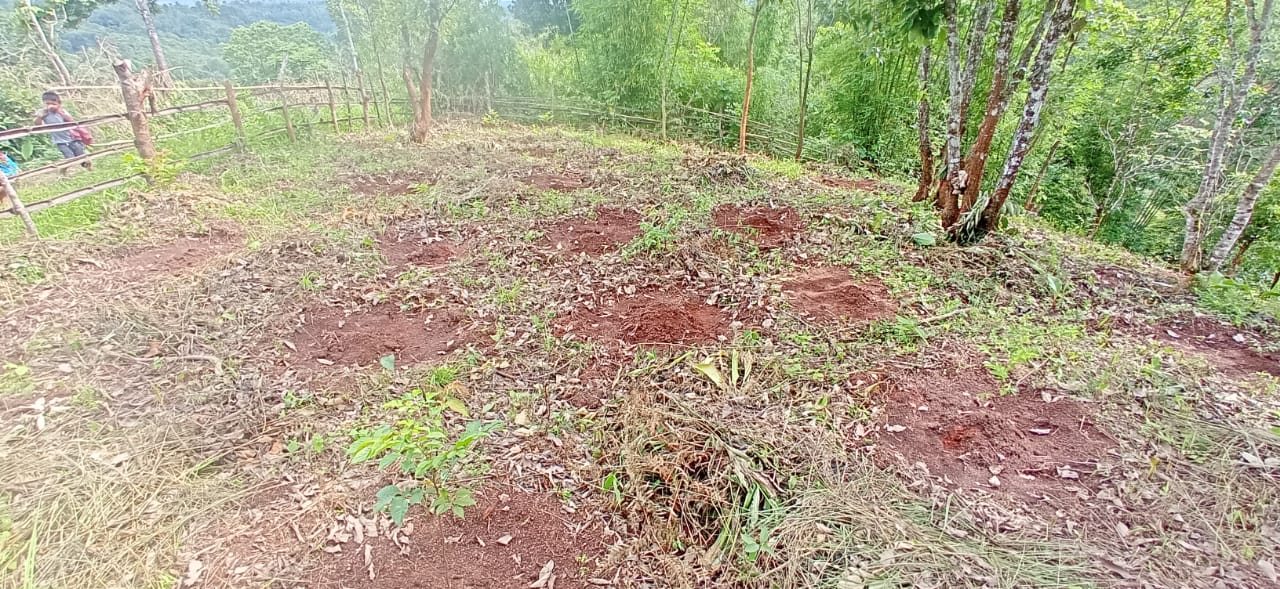
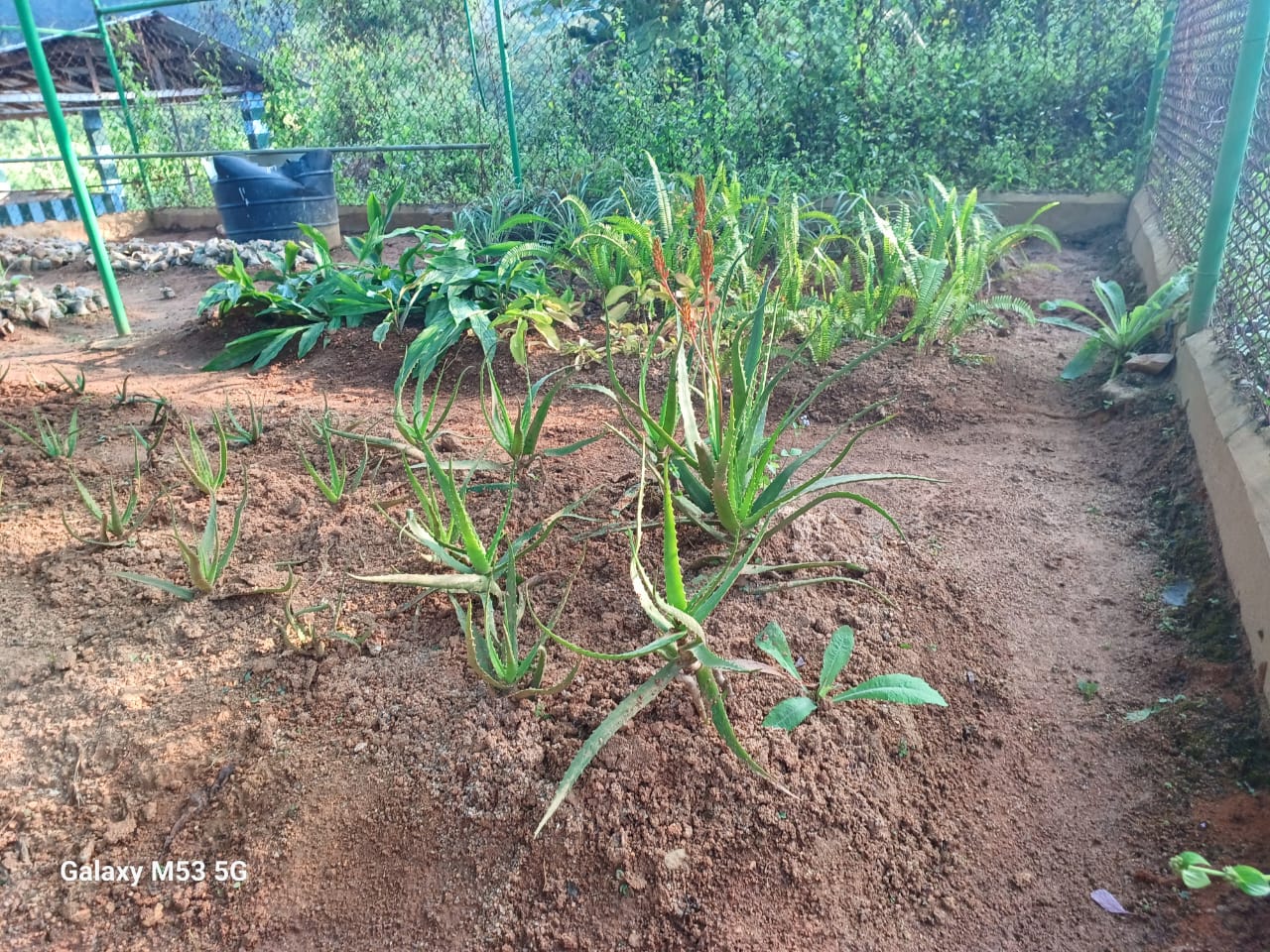
FMP Activities 1.Fire Control Line 2. .Assisted natural regeneration in open forest (maintenance and site clearance around the existing sapling) 3.Community Forest Boundary Survey 4.Enrichment Planting in forests blanks 5.Nursery for Food Forestry (Sapling for the Existing Nursery 6. In situ & Ex situ conservation of rare and endangered species |
Community Land | 71,436 | Completed |
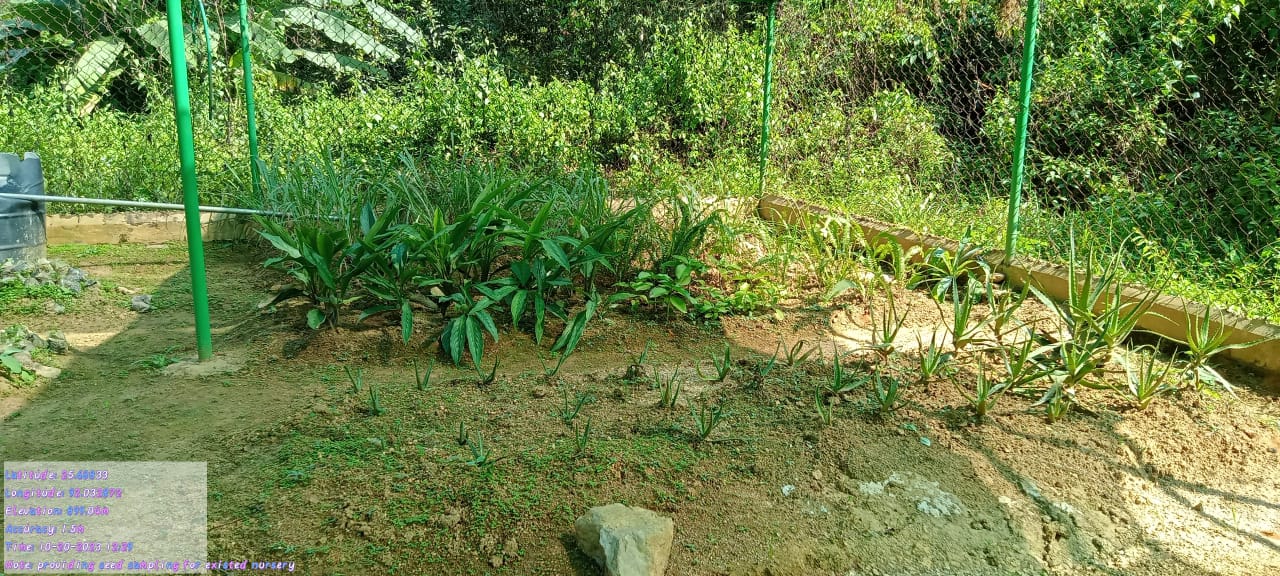
| Intervention | Site Name | Amount | Work Status |
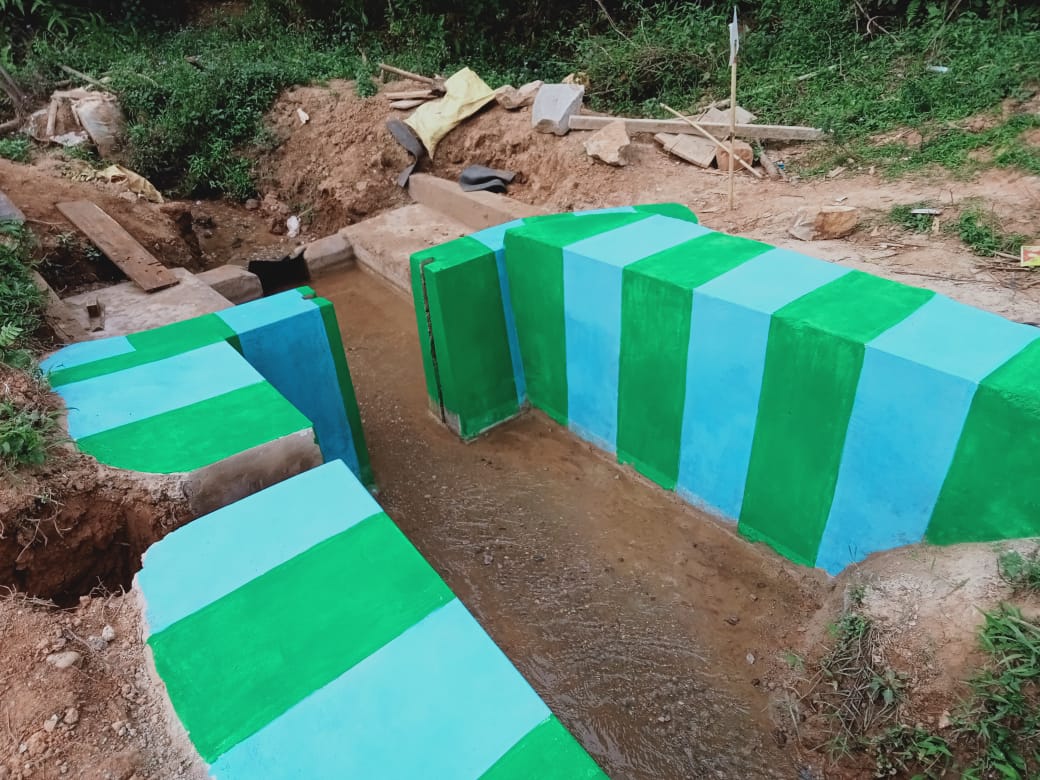
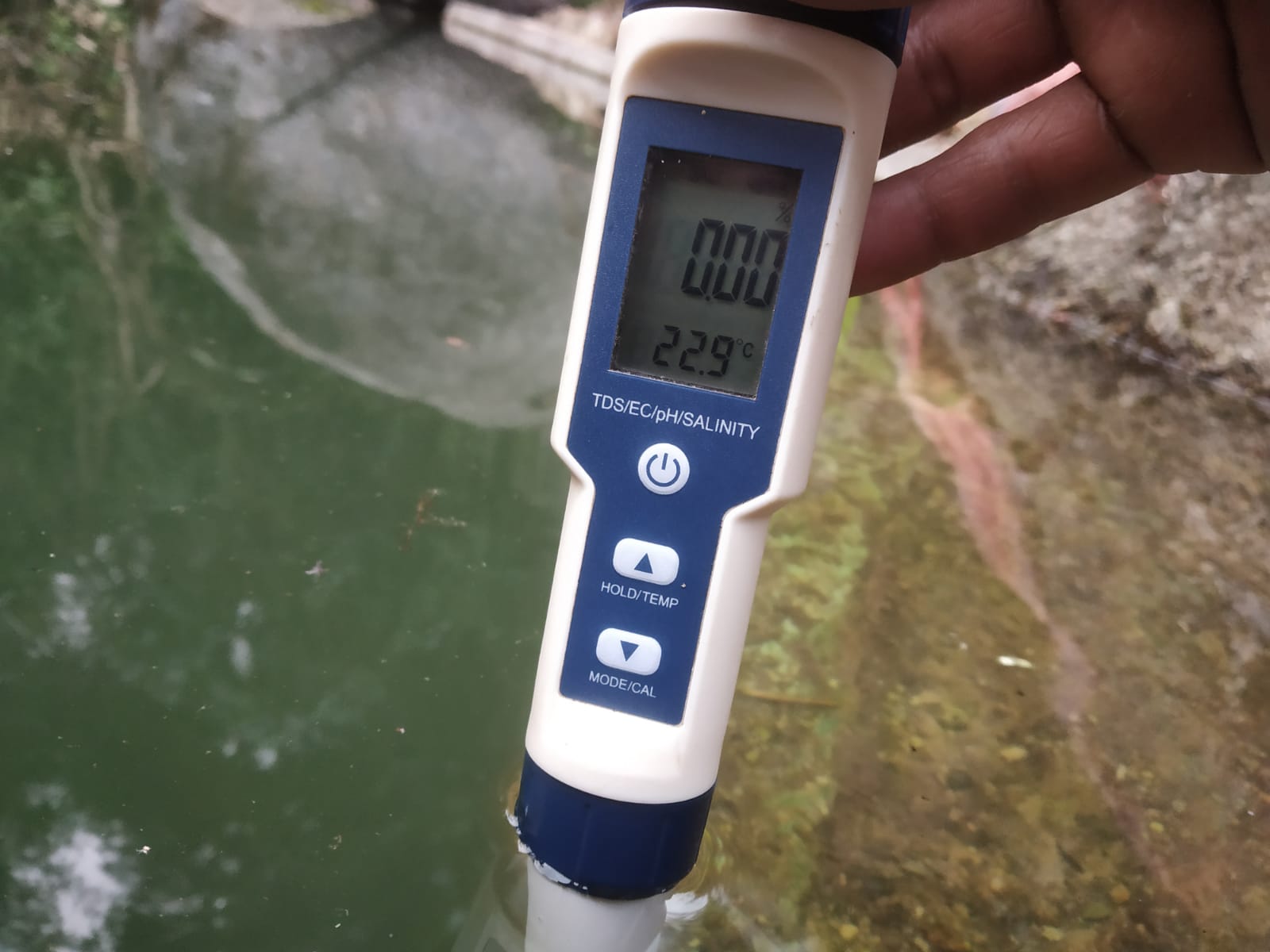
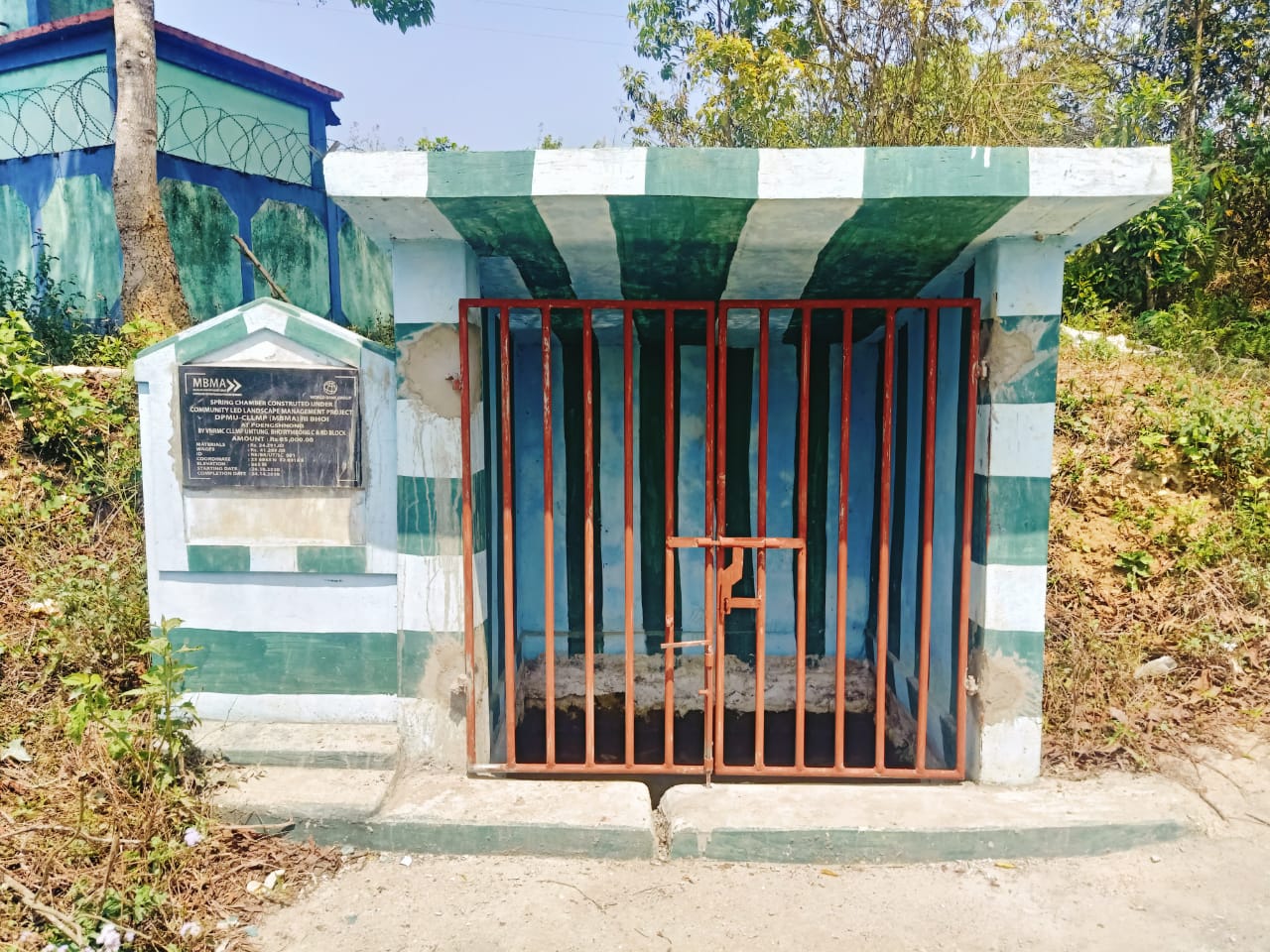
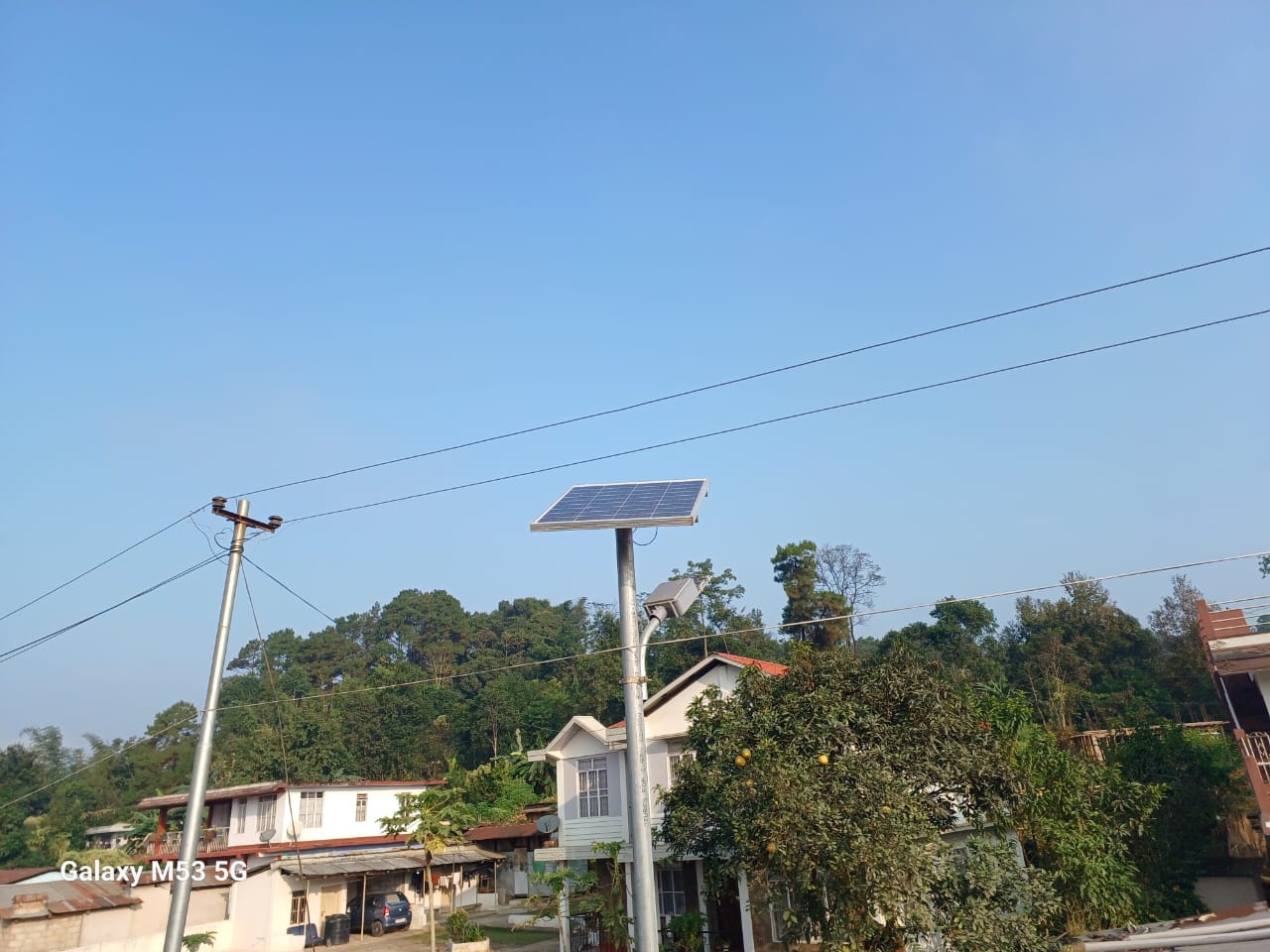
Excess fund activities Check Dam cum Protection Wall Water Tester Solar light Gates for Spring Chamber |
Community land | 1,25,000 | All Completed |
TESTIMONIALS
President of the VNRMC- Revistar Kharumnuid 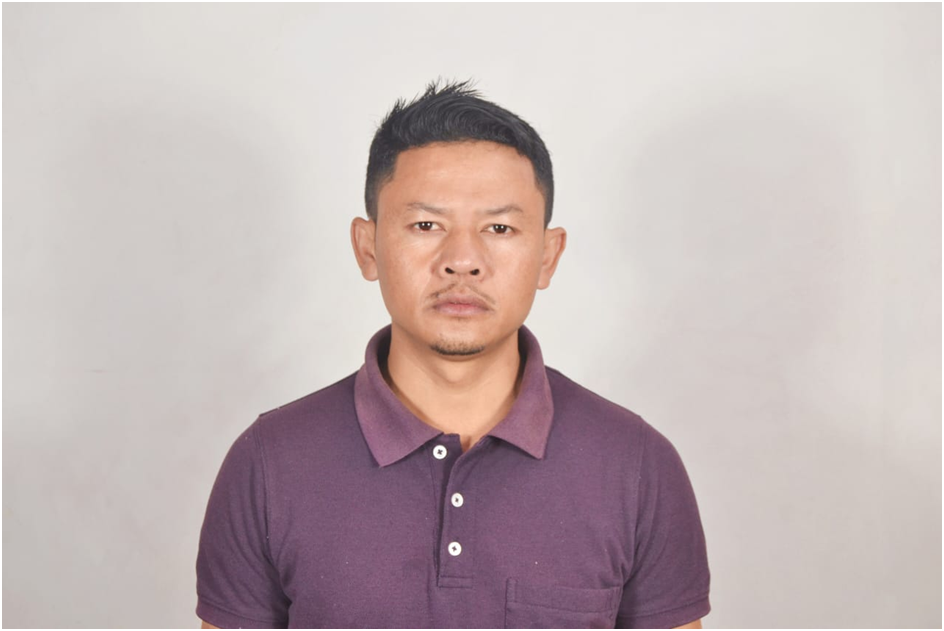
It's fantastic to see the positive impact that the Community Landscape Management Project (CLLMP) has had on Umtung village under my leadership as the President of the VNRMC (Village Natural Resources Management Committee). The project's focus on educating and involving the community in natural resource management has brought about significant improvements and benefits. I would like to highlight some of the key impacts of the project:
Mindset Change and Knowledge Enhancement:
The project has succeeded in changing the mindset of many villagers, helping them understand the importance of natural resources within the environment. Through the project, residents have gained valuable knowledge about the sustainable management and preservation of natural resources.
Community Participation and Volunteering:
The CLLMP has provided a platform for many villagers to actively volunteer themselves in preserving, protecting, improving, and managing natural resources in the village.This active community involvement has likely fostered a sense of ownership and responsibility for the village's environment.
Improved Drinking Water Supply: The construction of various check dams and headworks for drinking water and other purposes has significantly improved access to clean drinking water in the village. This has positively impacted 50% of households, ensuring a more reliable and sustainable water supply.
Agricultural and Environmental Enhancements: The construction of many check dams for irrigation and the use of community land for tree planting have enhanced agricultural productivity and contributed to environmental conservation. Contour trenches and bench terracing have helped in recharging groundwater, contributing to better water availability for farming and other purposes.
Sustainable Practices and Resource Distribution: The establishment of vermicompost units and nurseries for trees, fruits, and vegetables promotes sustainable agriculture and environmental practices. Distribution of tree saplings and vermicompost to all households and farmers in the village ensures that the benefits are widely accessible.
Community-Led Management: The knowledge imparted from the project has empowered residents to actively manage water bodies, forests, and land more effectively. This community-led management approach ensures the long-term sustainability and health of natural resources in the village.
Overall, the CLLMP has significantly transformed Umtung village, creating a more environmentally conscious and resource-efficient community. My leadership as the President of the VNRMC has been instrumental in driving these positive changes. The project's success showcases the power of community-driven initiatives and the positive impact they can have on both the environment and the well-being of the people.
Secretary - Fulgida Sad 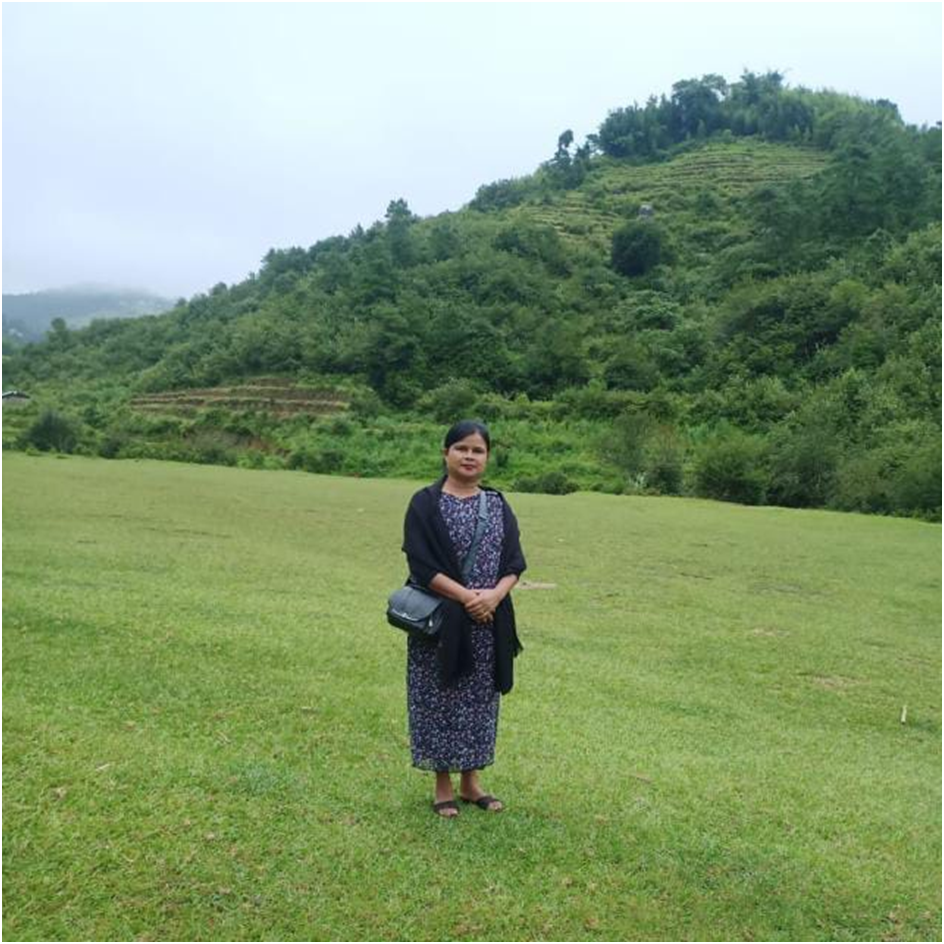
It's evident that the Community Landscape Management Project (CLLMP) has brought about significant benefits to the villagers and the environment in our locality. As the secretary, I have played a crucial role in the project's success and have gained valuable experiences and opportunities of which few of these I would like to emphasize the key benefits and opportunities from the project:
Benefits to the Villagers: Environmental Preservation: The project has helped villagers understand and learn how to preserve the environment, leading to better conservation practices and sustainable resource management.
Employment Opportunities: Many villagers have obtained job opportunities through the project, contributing to their livelihood and economic well-being.
Soil Erosion Control: The project has provided knowledge and techniques to control soil erosion, which is essential for maintaining fertile land and preventing environmental degradation.
Vermicompost and Tree Saplings: Villagers have learned to make vermicompost, a sustainable organic fertilizer, and to cultivate tree saplings, promoting eco-friendly agriculture and afforestation.
Access to Drinking Water: The construction of check dams has provided a reliable source of drinking water for the entire community, ensuring better water availability and accessibility.
Opportunities as a Secretary:
Employment through the Project: My involvement as the secretary has given me a job opportunity through the CLLMP, allowing me to contribute actively to the project's objectives.
Administrative Skills: I have been taught essential administrative skills such as writing in minute registers and other records, enhancing my capabilities in managing project documentation.
Preparation of UC (Utilization Certificate): The project has provided me with the opportunity to learn how to prepare a Utilization Certificate, which is crucial for tracking and reporting project expenses.
My leadership as the secretary has contributed significantly to the project's success, and my dedication has helped spread awareness and knowledge about environmental preservation among the villagers. The employment opportunities provided by the project have not only improved livelihoods but also strengthened community engagement and ownership of the project's goals. By continuing to promote sustainable practices and conservation efforts, I am contributing to a healthier and more prosperous environment for the entire community.My role as the secretary exemplifies the positive impact of community-driven initiatives and the importance of environmental stewardship for a sustainable future
VCF EM- Elington Kharmudai 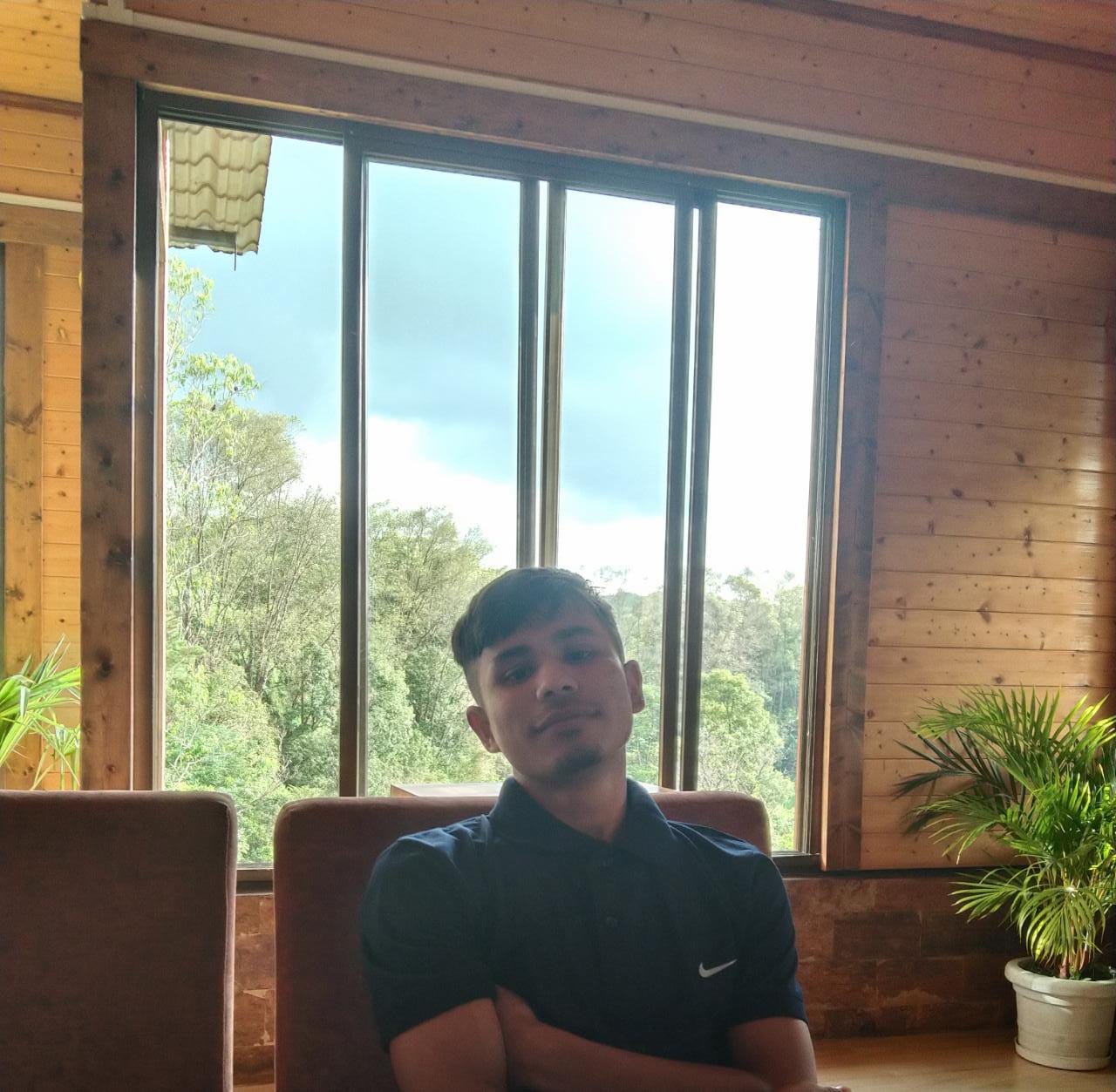
As a Village Community Facilitator (VCF), our dedication and involvement in the Community Landscape Management Project (CLLMP) have brought numerous benefits to our village of which some of these highlight the key contributions and advantages that I have experienced as a VCF:
1. Active Involvement: The desire to help in the village's work, especially within the CLLMP, demonstrates our commitment to community development and environmental preservation.
2. Training Opportunities: As a VCF,I have had the opportunity to attend different trainings, which have likely equipped you with valuable knowledge and skills to effectively work within the project.
3. Environmental Awareness: The interest in understanding more about the environment aligns with the project's objective of promoting environmental consciousness and natural resource management.
4. Diverse Work Experience: Through my role as a VCF, I have gained experience in various aspects of Natural Resource Management (NRM), allowing me to contribute effectively to different intervention activities.
5. Youth Empowerment: The project has provided a platform for the youth and all members of the community to actively participate in the preservation and management of natural resources.
6. Improved Water Supply: The implementation of checkdams, irrigation, spring chambers, and other water-related activities has enhanced water supply to the residents, ensuring better access to clean water.
7. Environmental Benefits: The project's focus on activities like nursery establishment, vermicompost production, and afforestation has positively impacted the environment, fostering ecological conservation and sustainability.
As a VCF, our role in spreading awareness, facilitating community engagement, and actively participating in the CLLMP has been pivotal in bringing about positive changes in our village. Our dedication to understanding and preserving the environment has been highly commended , and our efforts have contributed to a more sustainable and prosperous future for our community. By continuing to promote environmental consciousness and sustainable practices, as VCFs we are making a significant difference in the well-being of both our village and the surrounding natural ecosystem
VCF Social Management- Wanplihun Lyngdoh 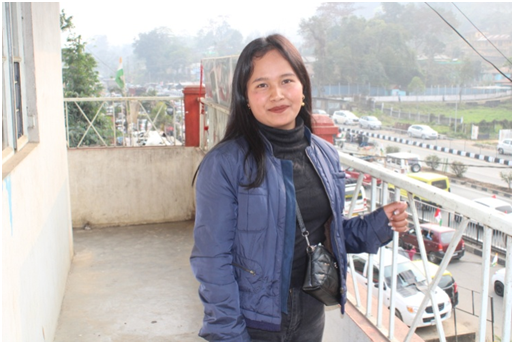
It's inspiring to see that our dedication and enthusiasm as a volunteer for the Village Natural Resources Management Committee (VNRMC) and our active involvement in the Community Landscape Management Project (CLLMP) has been successful. My participation as a volunteer has brought several advantages to both the community and myself. I would like to highlight the key benefits I've experienced through my involvement with the project:
1. Community Building and Teamwork: As a volunteer, I have witnessed how the CLLMP project has brought people together as a team to work towards common goals and build a stronger community.
2. Promoting Community Strength and Cleanliness: The efforts as a volunteer have helped promote and support initiatives that improve the community's strength and cleanliness, creating a positive impact on the surroundings.
3. Experiential Learning and Awareness: Through interacting with the community and participating in various training programs, I have gained practical experience and developed awareness programs that spread valuable knowledge.
4. Encouraging Social Progress: My role as a volunteer has given you the responsibility to encourage and motivate society to perform better, contributing to the overall progress of the community.
5. Personal Growth and Skill Development: As a volunteer, I have attained valuable experiences, self-confidence, self-esteem, and improved communication skills, all of which contribute to personal growth.
6. Exposure Visits and Learning from Other Areas: The exposure visits organized through the CLLMP project have allowed me to learn from other regions and communities, gaining insights into their successful programs and practices.
7. Understanding Natural Resource Conservation: My involvement in the project has taught meabout the importance of conserving natural resources, including watersheds and landfills, and how to actively protect them.
8. Knowledge and Skills Development: The project has taught you practical skills, such as writing minutes in registers and making vermicompost, which are beneficial to the community as a whole.
VCF M&E- Mangkara Kharumnuid 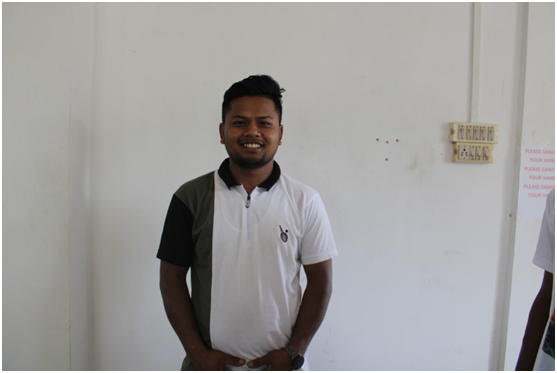
It's wonderful to see how our active involvement as a Village Community Facilitator (VCF) in the Community Landscape Management Project (CLLMP) has been beneficial for the overall success. . My role as a VCF member in maintaining and evaluating the program management is crucial for its success. I would like to highlight the key benefits and opportunities I've experienced through my participation:
1. Opportunity to Work with the Project: Being chosen as a VCF member has given me the opportunity to actively work with the CLLMP, allowing me to contribute directly to its implementation and impact in our village.
2. Improved Water Supply: The project's efforts in constructing dams have led to better water supply in your village, addressing a crucial need and improving the quality of life for the residents.
3. Environmental Preservation Knowledge: Through the project, I have learned valuable lessons on how to preserve the environment, contributing to the sustainable management of natural resources in my village.
4. Training Opportunities: As a VCF member, I have had the chance to attend various training sessions, enhancing my skills and knowledge in community development and environmental conservation.
My active involvement has played a significant role in bringing about positive changes in my village. By working closely with the project and acquiring knowledge on environmental preservation, I am contributing to the overall well-being and sustainability of the community. My role in program management and evaluation is vital, as it ensures that the project's goals are met effectively and efficiently.